
lection
539 materials found

Materials

Ecology: The Biology of Interactions. 4.08. Protocooperation
As follows from the definition above (see section 4.6), protocooperation is a non-obligatory mutually beneficial relationship between two populations. Species linked by this relationship may occur both together and separately. …
Ecology: The Biology of Interactions. 4.09. Commensalism
Commensalism is the direct or environment-mediated relationship between two populations in which one—the commensal population—benefits (increases in abundance in response to increasing abundance of its partner), while the other—the host …
Ecology: The Biology of Interactions. 4.10. Diversity of Exploitation Forms
From an ecological point of view, predators include both a ladybird hunting aphids, a daphnia filtering algae from water, and even a sundew gradually digesting a mosquito that landed on …
Ecology: biology of interaction. 4.11. Predation
Thus, based on the degree of specialization of predators in feeding on particular categories of prey, they can be divided into generalists and specialists. Closely related to this classification is …
Ecology: The Biology of Interactions. 4.12. Parasitism
True parasites are very tightly associated with their hosts. They live inside hosts or are firmly attached to host surfaces. The host is the habitat for parasites or its key …
Ecology: biology of interaction. 4.13. Competition and ecological niches
As we have established, competition is defined as a relationship between two populations in which the increase of each causes a decrease in the size of the other. However, this …
Ecology: Biology of Interactions. 4.14. Amensalism and Neutralism
Amensalism, a relationship in which one population is adversely affected by another while the latter is unaffected by the former, is an extreme case of competitive interaction. Neutralism, by contrast, …
Ecology: The Biology of Interaction. 4.15. Ecological Strategies
Therefore, the individual of greatest value to the population must be one that allocates resources between its own survival and reproduction in an optimal combination. This optimality can be assessed …
Ecology: Biology of Interaction. 4.16. Regulation of Population Size
The abundance of every population is controlled by multiple negative feedback loops. When population size begins to grow, it is constrained by shortage of its own resources, by switching of …
Ecology: biology of interaction. 4.17. (supplement) Intraspecific interaction strategies
It can be said that a significant portion of organisms lives in two fundamentally different environments: the external and the intra‑population ones. It might give the impression that a population …
Ecology: Biology of Interaction. 4.18. (supplement) How Parasites “Set Up” Their Hosts
A correlation has been detected between the degree of Toxoplasma infection in different peoples and cultural traits of those peoples. Available data suggest the parasite may intensify feelings of anxiety, …
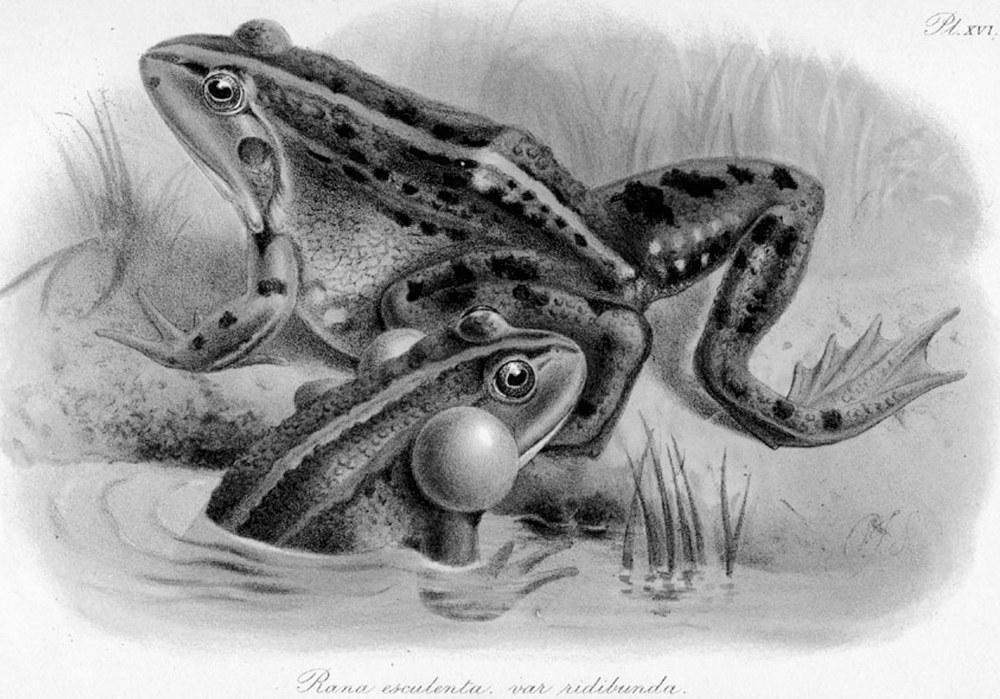
Ecology: Biology of Interaction. 5.01. Environment and Ecological Environment
Chapter 5. Autecology and foundations of environmental science. Defining ecology as a science, we state that it studies interactions of organisms and supra-organismal systems with the environment. From this definition …