Faculty Biology Olympiad – 2020
Results and assignments of the 2020 faculty olympiad. Congratulations to the winners: first-year student Anastasia Kryvaltceva, second-year student Yevhen Kostenko, and first-year student Pavlo Radchenko!
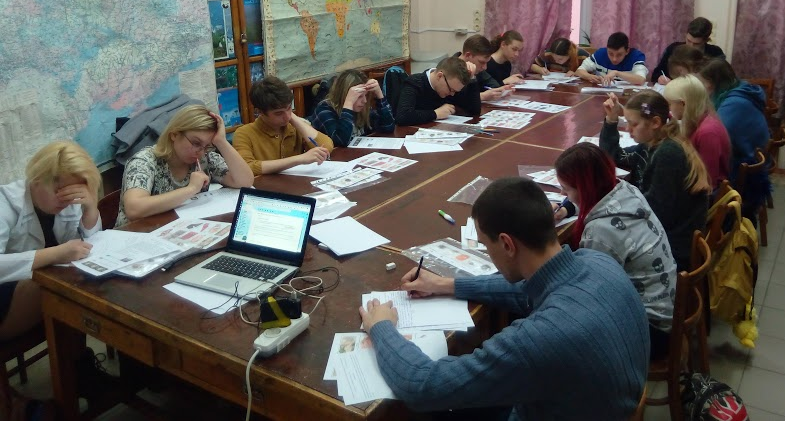
On February 27, the annual faculty olympiad was held at the biology faculty. Of 16 participants — 13 were first-year students!
The olympiad results are shown in the table. As is customary at our olympiads, scores for each question were recalculated so that the participant who gave the best answer received 20 points, and the one who gave the worst answer (for that question) received 0 points. If someone had answered all questions better than anyone else, they would have received 100 points; 0 would have been received by the participant who answered all questions worst of all. The screenshot from Calc (the LibreOffice spreadsheet application) shows an example of the formulas used for this calculation.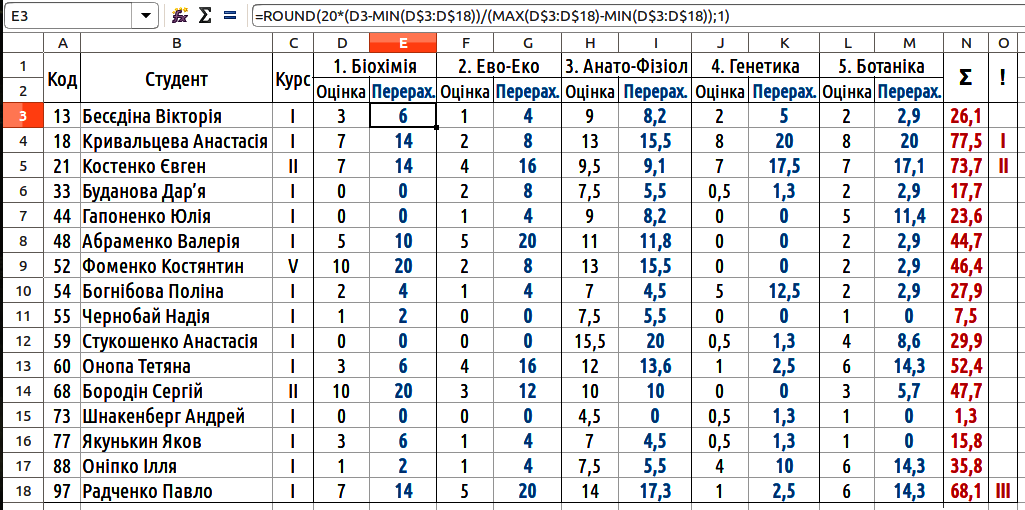
Five tasks were used. All tasks were reviewed by their authors, who used whatever scoring system was most convenient for them. The tasks (except one, which the author printed out himself) are presented below. If the task authors send the scoring criteria or correct answers, these materials will be added to this page.
The task authors noted that the overall level of responses was very weak. Nevertheless, since most participants are first-year students, one may hope that they will improve their level over time.
Task No. 1 (Associate Professor K. V. Kot, Department of Biochemistry)
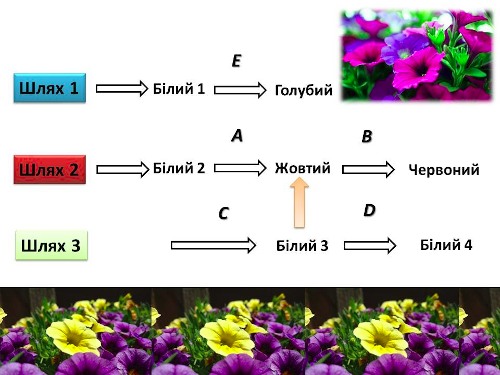
Name as many carbohydrate metabolic pathways as possible. Briefly describe these processes (you may use a metabolic map or diagram).
How are these processes related to one another?
Task No. 2 (Senior Lecturer M. O. Kravchenko, Department of Zoology and Animal Ecology)
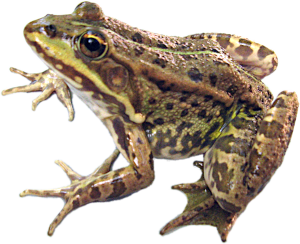
Adaptation to life on land in many cases requires substantial restructuring of aquatic organisms. What adaptations to terrestrial life arose in representatives of different groups? Which of these adaptations are similar across representatives of different groups, and which differ, and why?
Task No. 3 (Senior Lecturer Ye. O. Kiosya, Department of Genetics and Cytology)
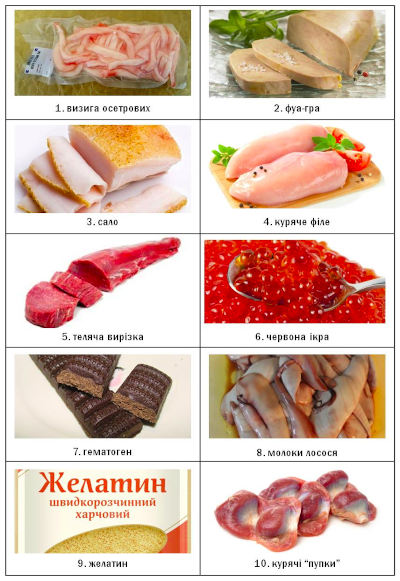
Photographs 1–10 show animal food products homologous to certain organs / parts / structures of the human body. Indicate what these products are homologous to, and what functions these organs / parts / structures perform in the human body. The more precise the description, the higher the score.
|
№ |
№ |
Name (in the human body) |
|
1 |
||
|
... |
|
... |