
lection
539 materials found

Materials

Ecology: Biology of Interactions. 6.11. Acid Rain
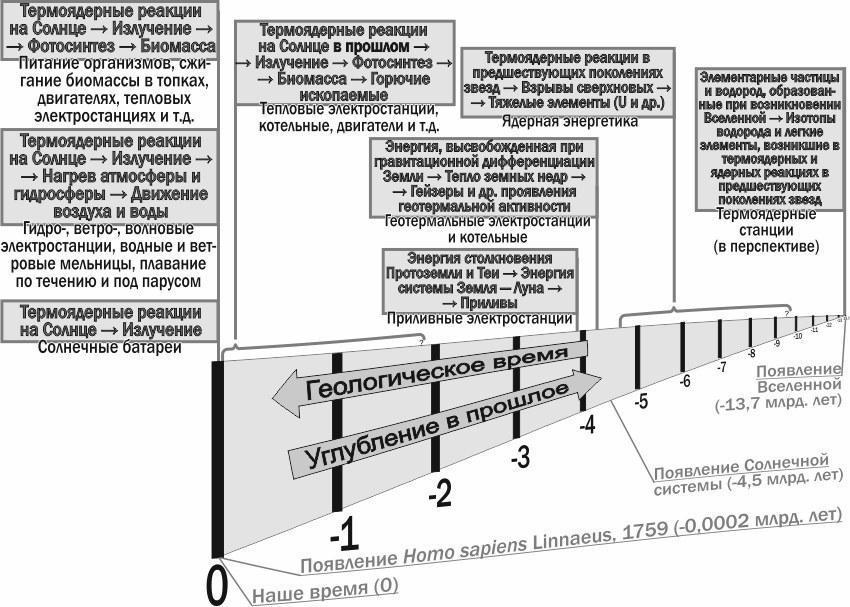
Fossil fuel, the bread of the modern economy, was formed from the biomass of past geological eras. In addition to carbon and its compounds, fuel also contains sulfur and nitrogen. …
Ecology: Biology of Interactions. 6.12. Smog
Smog is a form of air pollution typical of large cities and industrial centers. When several different pollutants mix and are exposed to sunlight, they can enter photochemical reactions. The …
Ecology: Biology of Interactions. 6.13. Military Threat
As we have established, global humanity faces a serious challenge that threatens its very existence. If human efforts were proportional to this danger, changing our species’ relationship with the environment …
Ecology: Biology of Interactions. 6.14. The Concept of Sustainable Development
According to the definition adopted by the international community, sustainable development is the development of humanity in which meeting present needs does not undermine the ability of future generations to …
Ecology: Biology of Interactions. 6.15. (Supplement) On the Animal Nature of Humans
Is it offensive to humans to classify them as animals? The statement that humans are animals is not good or bad—it is a natural-scientific fact. Humanity belongs to terrestrial multicellular …
Ecology: Biology of Interactions. 6.16. (Supplement) How Do Humans Differ from Other Animals?
As will become clear below, humans possess several fundamental differences from other animals. However, strangely enough, these are not the differences people think of first. To formulate the principal differences …
Ecology: Biology of Interactions. 6.17. (Supplement) Unique Ecological Features of Humans
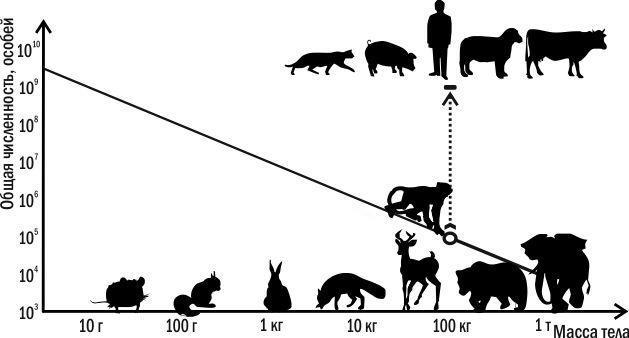
To identify the unique features of our species, we should compare human populations and populations of any other animal species ecologically—that is, in terms of exchanges of matter, energy, and …
Ecology: the biology of interaction. 6.18. (supplement) Cultural inheritance as a mechanism of transmitting acquired traits
For further reasoning it is crucial that the inheritance of acquired traits must significantly accelerate evolution. On what basis is behavior formed? For most animals it is the same as …
Ecology: the biology of interaction. 6.19. (supplement) The mechanism of human behavior as a result of the evolution of the behavior mechanisms of other animals
How does human behavior differ from the behavior of other animals? What mechanisms can generally provide control of behavior? Does a human have instincts, and if so, what are they …
Ecology: Biology of Interactions. 6.20. (Supplement) Biological Features of Humans
Thus, humans are “built” with many shortcomings. Their elimination has slowed down: carriers of biological defects can survive and leave offspring thanks to cultural adaptations. A serious problem has become …
Ecology: The Biology of Interaction. 6.21. (Supplement) Main Stages of Anthropogenesis
For most of the history of our family, several species of humans inhabited the Earth simultaneously, and only recently has a single species remained — our own. The development of …
Ecology: The Biology of Interaction. 6.22. (Supplement) Should We Fear GM Products?
One of the topics attracting considerable attention from conservation organizations and lay ecologists is that of transgenic or genetically modified (GM) organisms and the food products derived from them. In …