April 20–21. Night walks through Eastern Crimea
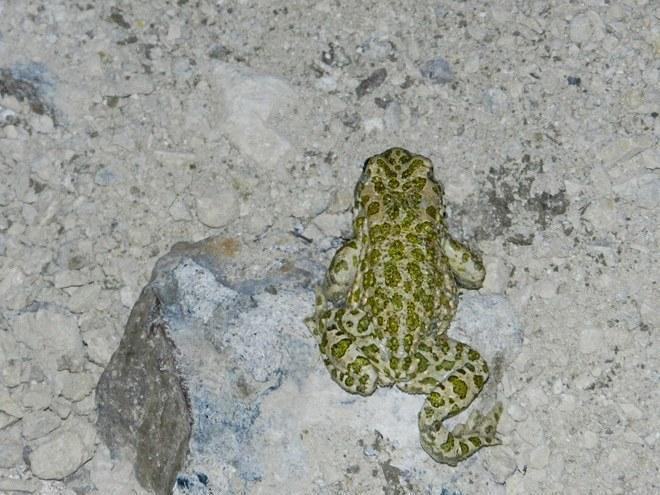
Photographs taken at the spawning site of marsh frogs and green toads in the settlement of Prymorskyi, located near Feodosia. Actually, I went there to conduct a school olympiad for prospective students, but of course, strolling along the shore of a brackish lake by the sea was pleasant.
Prymorskyi settlement.
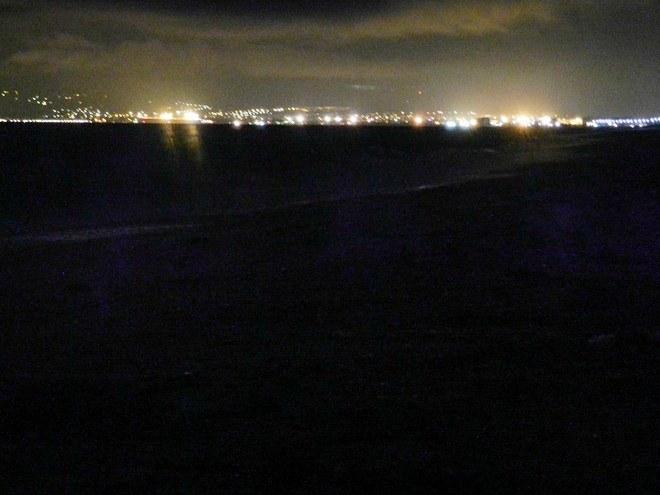
Nighttime view of Feodosia.
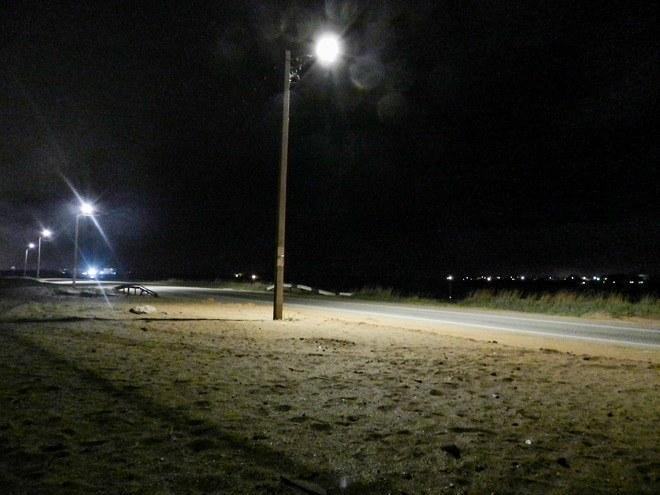
The daytime view, if you're interested, is here. Along the beach there is a road. Behind it lies a shallow silted lake.
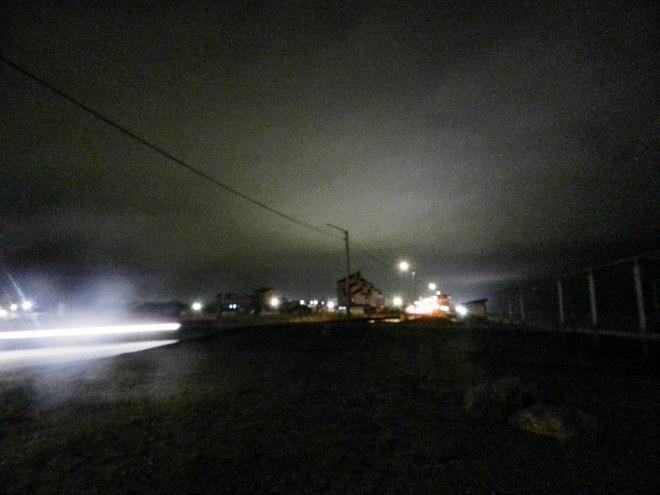
Recently, a small section was separated by a dam, into which streams flowing through the settlement empty. Naturally, this section became desalinated.
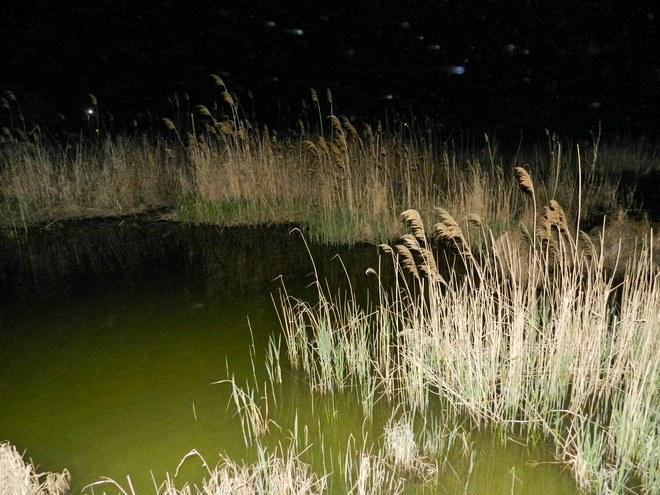
Here is a view of the road heading toward Kerch.
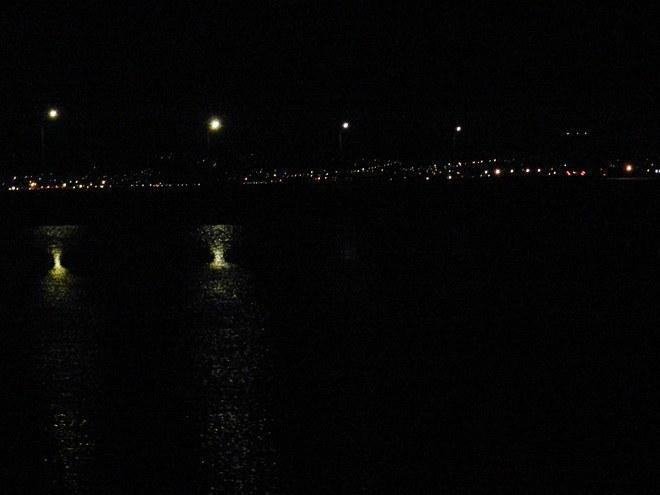
To the right is the sea, to the left is the desalinated pool.
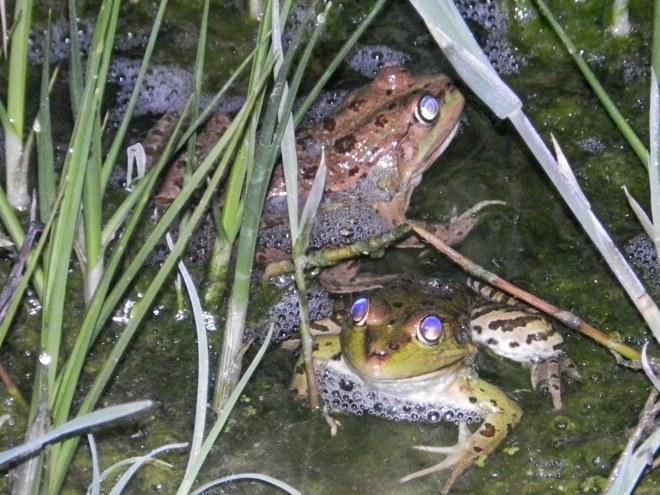
Its surroundings resound with a frog chorus.
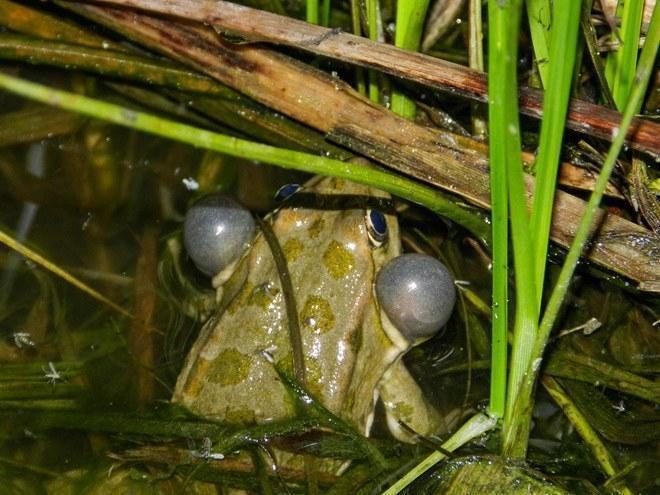
And this is the reflection of streetlights on the road in the larger, saline part of the pool. Naturally, the frogs congregate in fresh water. These are true marsh frogs, Pelophylax ridibundus, like those found at the Caspian Sea.
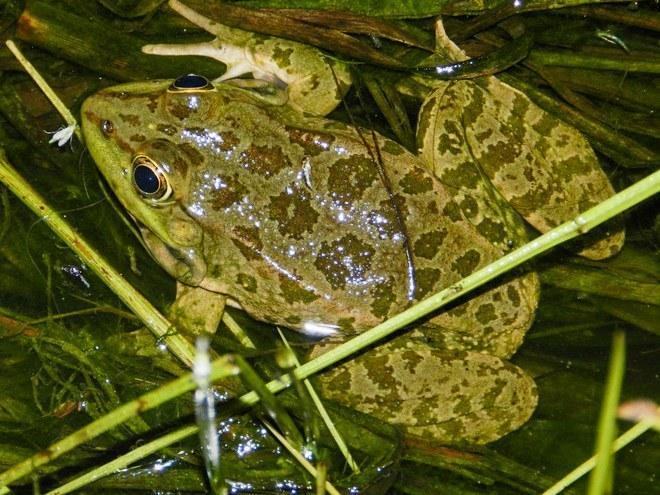
In Kharkiv Oblast, a different form predominates — fortis, which is also characteristic of Western Europe. Most frogs belong to the spotted unstriped coloration form — maculata.
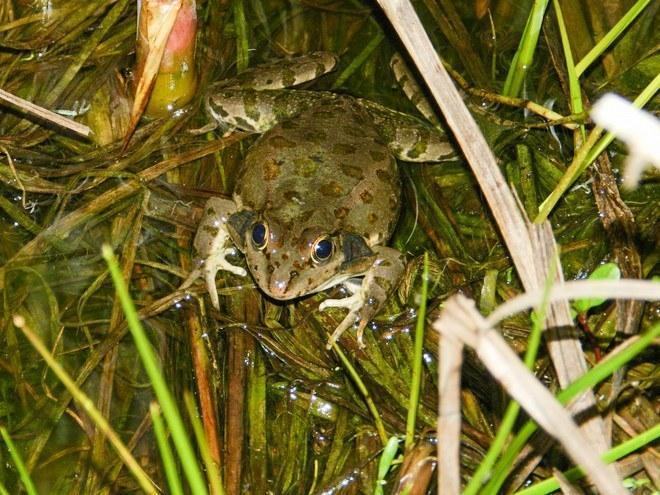
And here is an individual with a stripe — striata.
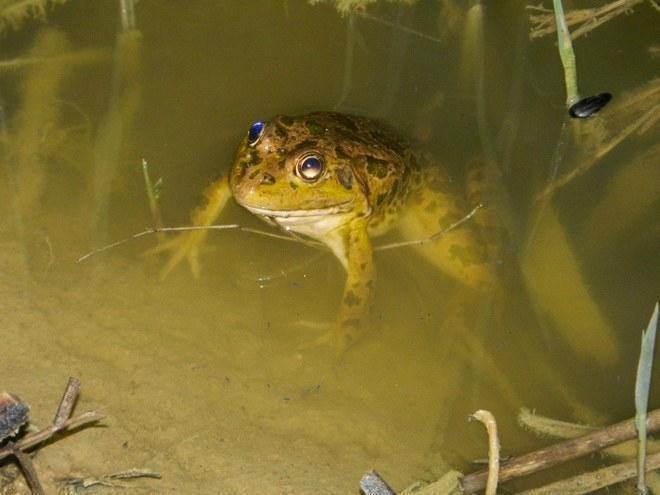
Perhaps thanks to this stripe, the frog looks more similar to fortis.
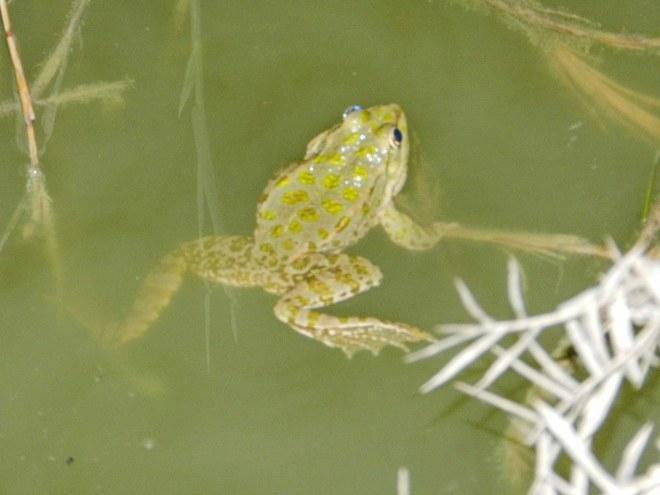
Some frogs walk to the spawning site overland... ...risking becoming prey for a hungry predator.
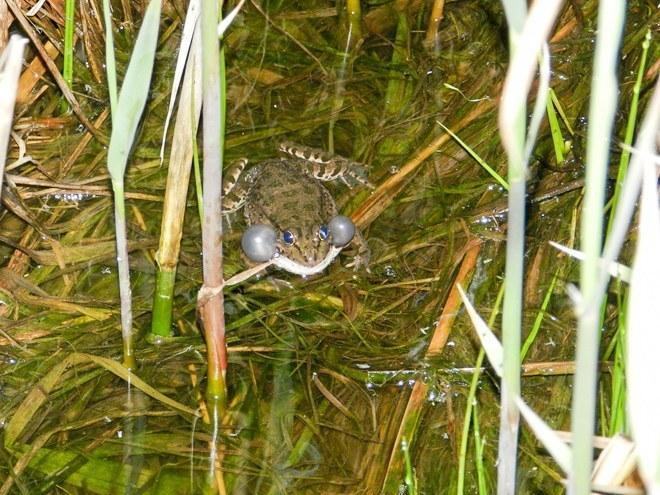
An enormous and beautiful female.
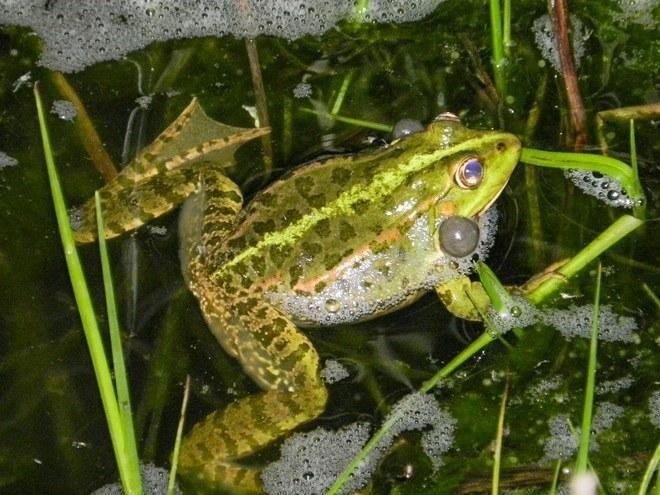
A true monster lurks among the vegetation.
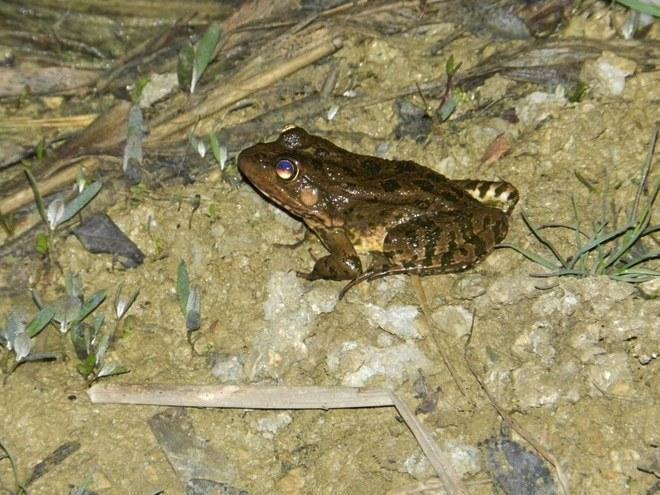
And this female is already in the water...
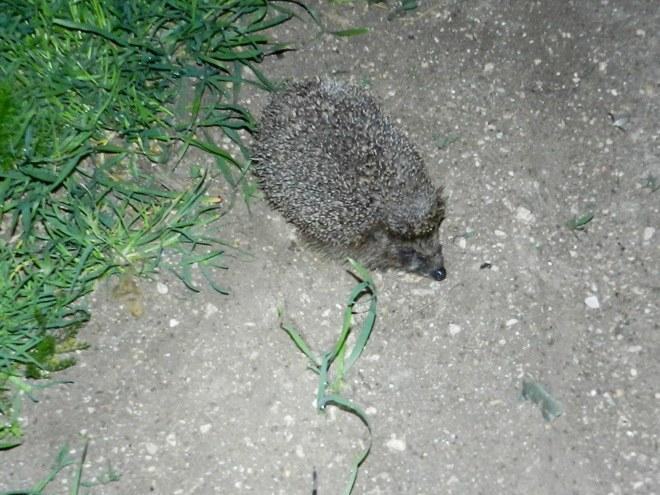
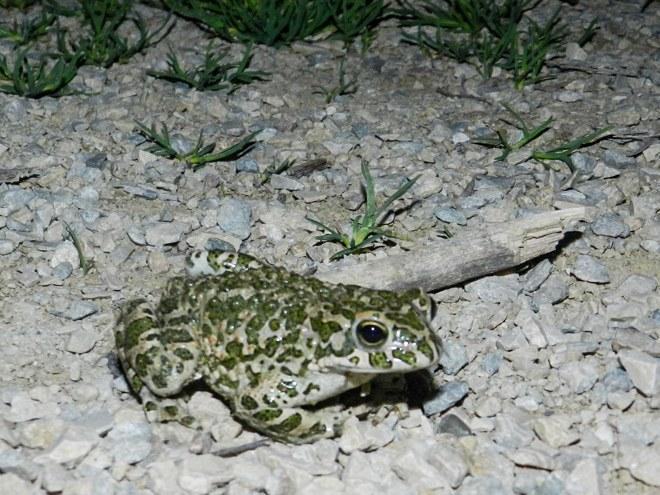
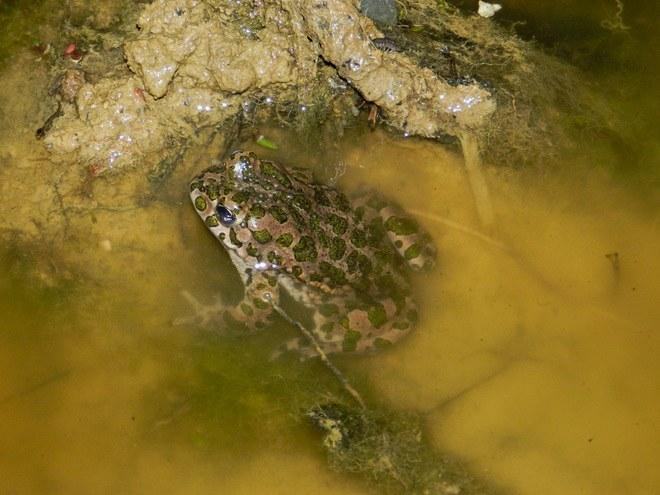
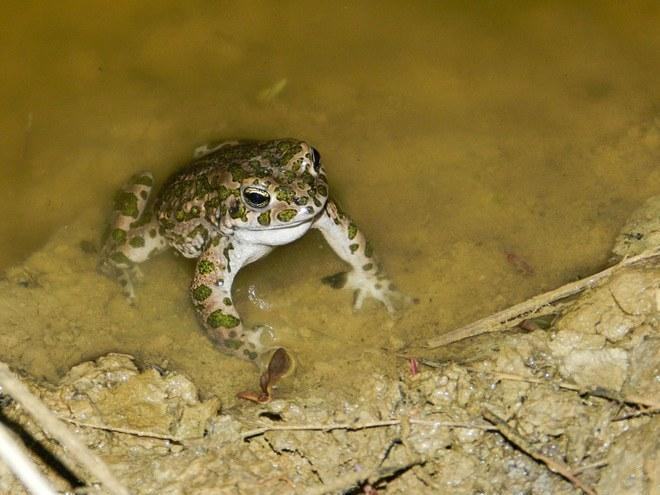
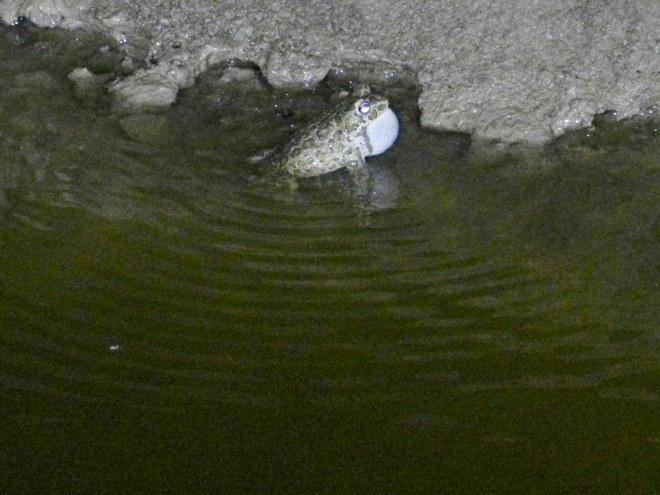
The trills of green toads are much more delicate and melodious than the harsh calls of marsh frogs.
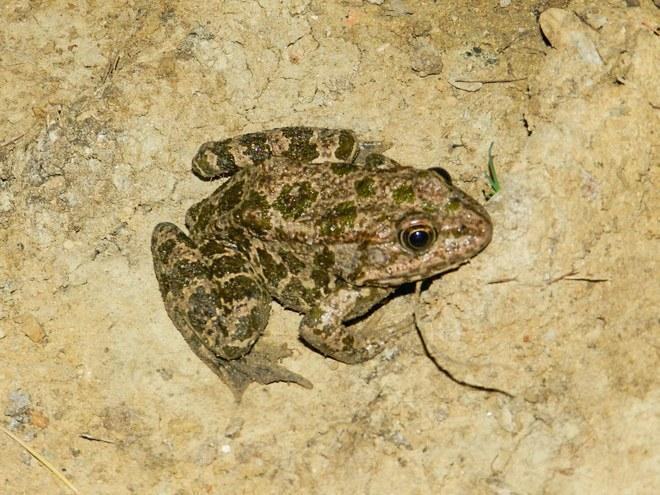
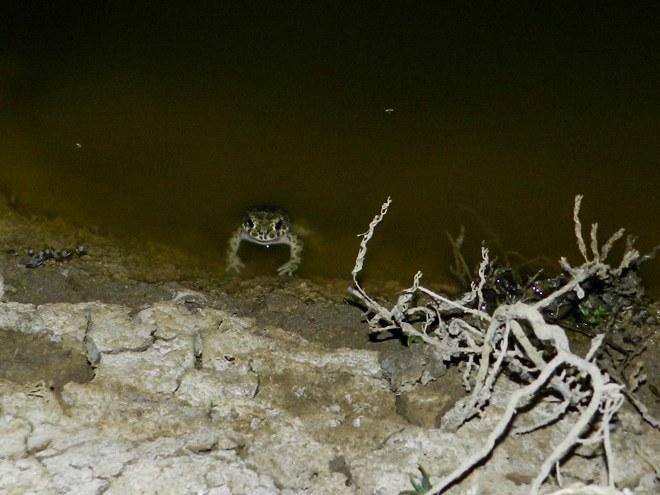
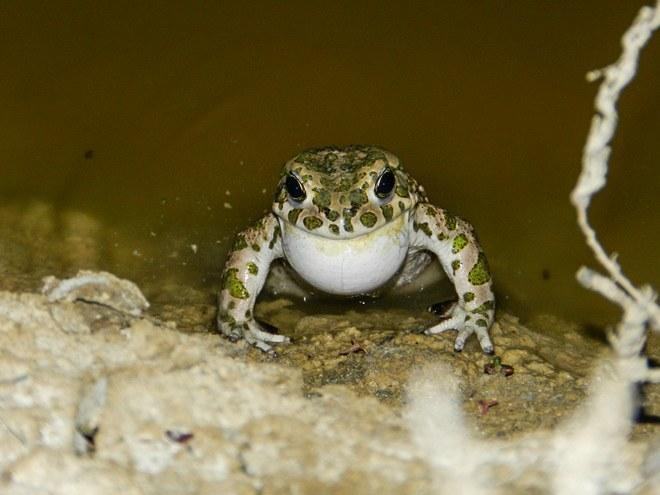
Freezing by the shore, a male calls for a female.
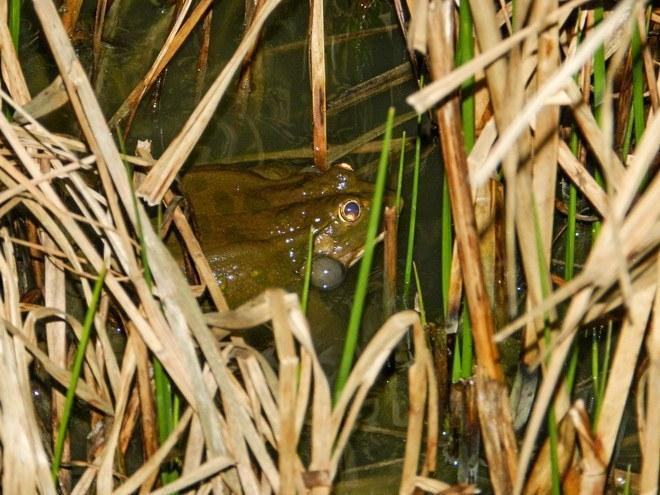
At the first sign of danger, he will hastily hide on the bottom.
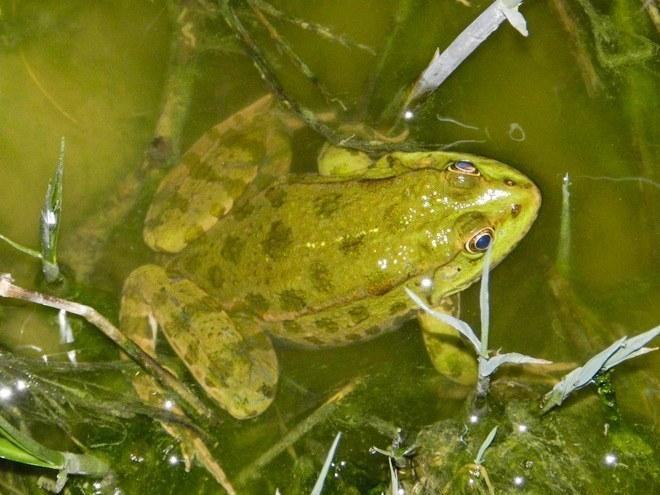
Unlike frogs, the toad's resonator is unpaired and located in the throat.
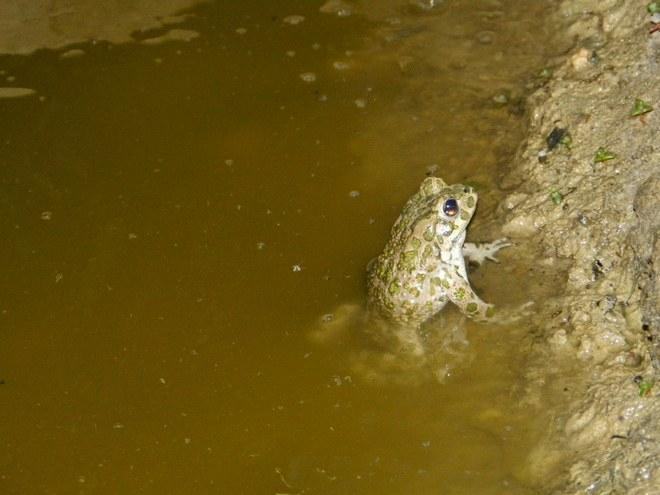
Green toad spawning is just beginning.
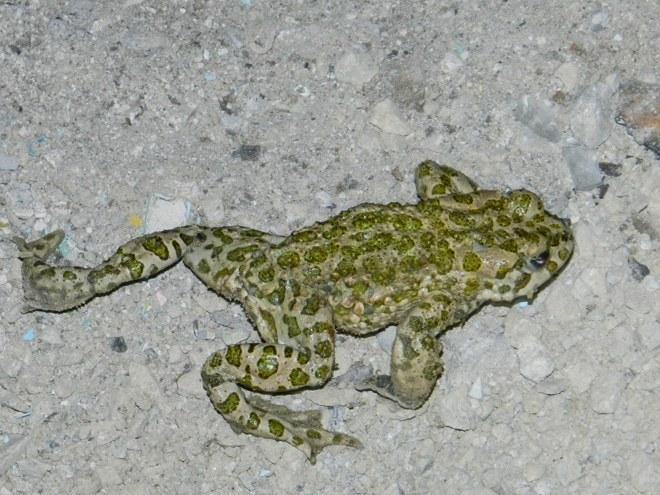
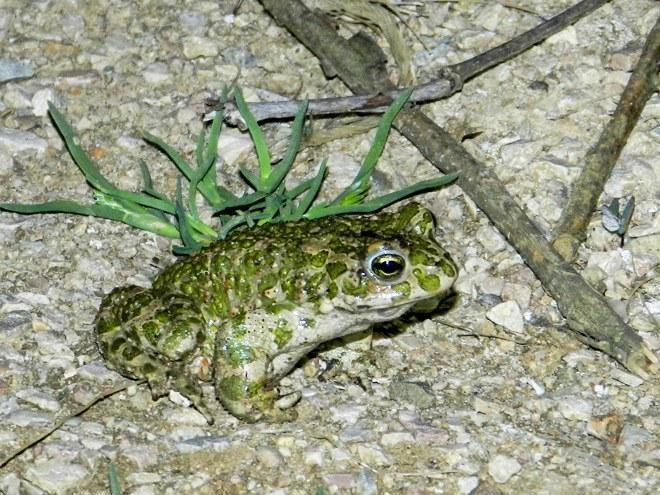
Many of them are still walking about on land.
There it is — the typical gait of the green toad!
And in this photograph, if anyone hasn't figured it out, what has been captured is sound — a trill frozen on the water's surface.