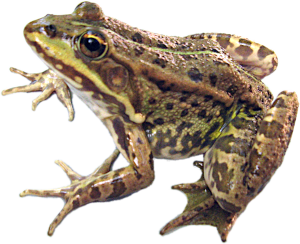

Bombinatoridae
Representatives of the family occur in both Europe and Asia: in France, Italy, Turkey, China, and Vietnam.
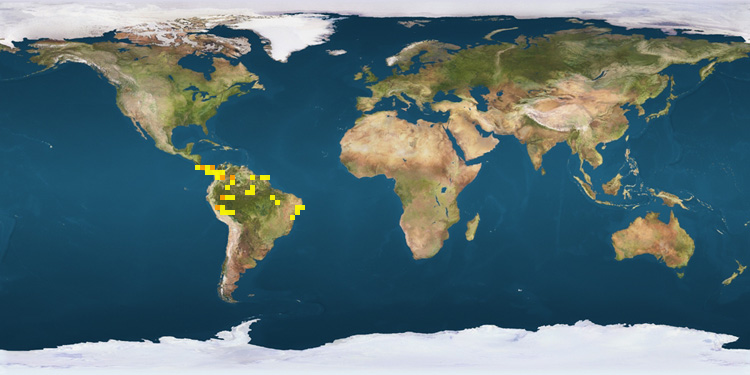
The family contains 8 species assigned to two genera. Genus Barbourula Genus Bombina Previously, these two genera were included in Discoglossidae. They have an aquatic lifestyle. After metamorphosis they retain remnants of the lateral line (an organ typical of fishes). Chemical receptors (olfaction) are present. The body size of Bombinatoridae amphibians ranges from 40 to 100 mm. Representatives of the family possess glands secreting toxic substances used for defense against predators. If this toxic secretion contacts human mucous membranes, it causes pain and burning. The family is characterized by a disc-like immobile tongue.
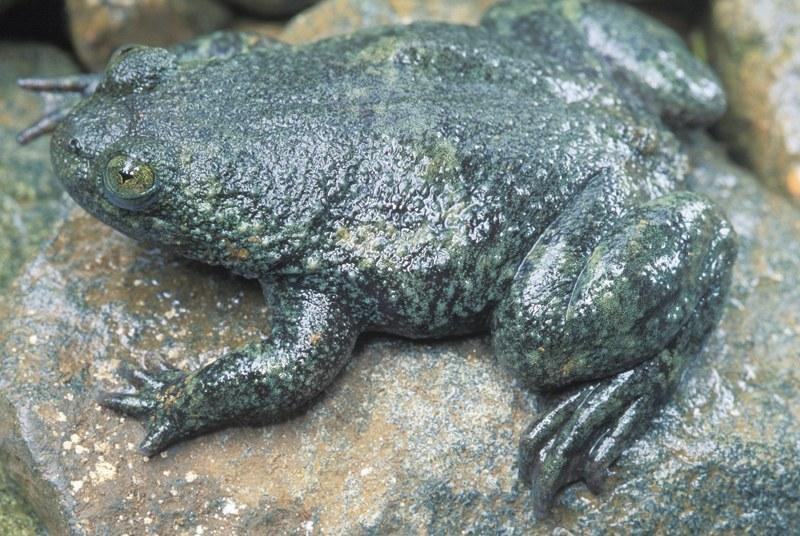
It is not protruded outward.
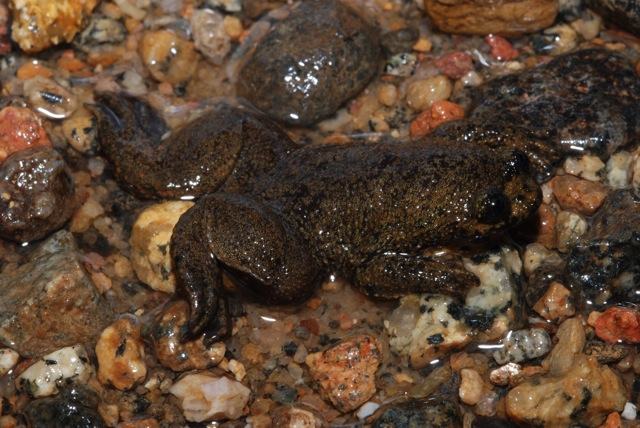
During feeding attacks, amphibians lunge at prey with the whole body.
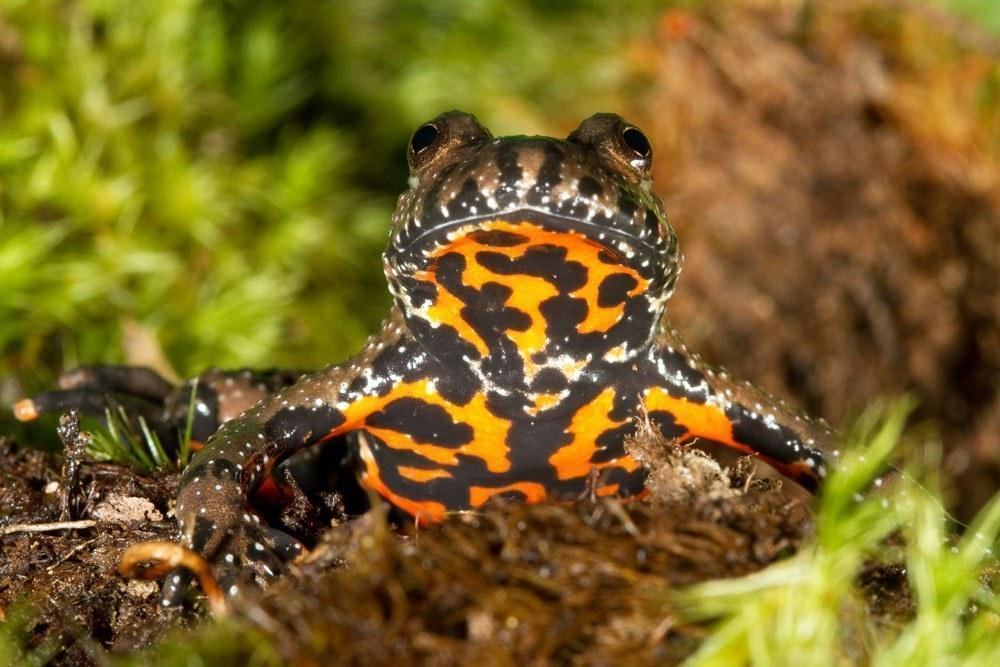
Bombinatoridae are also characterized by a triangular or heart-shaped pupil.
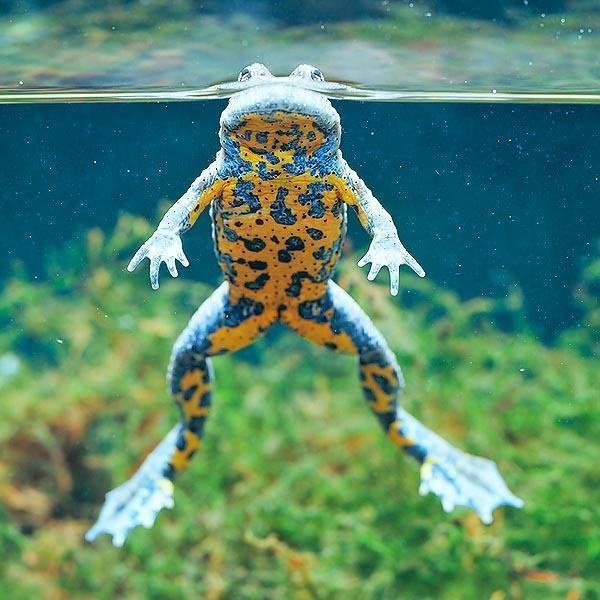
Barbourula busuangensis Barbourula kalimantanensis (Kalimantan barbourula) Bombina bombina (fire-bellied toad) The fire-bellied toad inhabits lowlands in steppe zones and broadleaf and mixed forests.
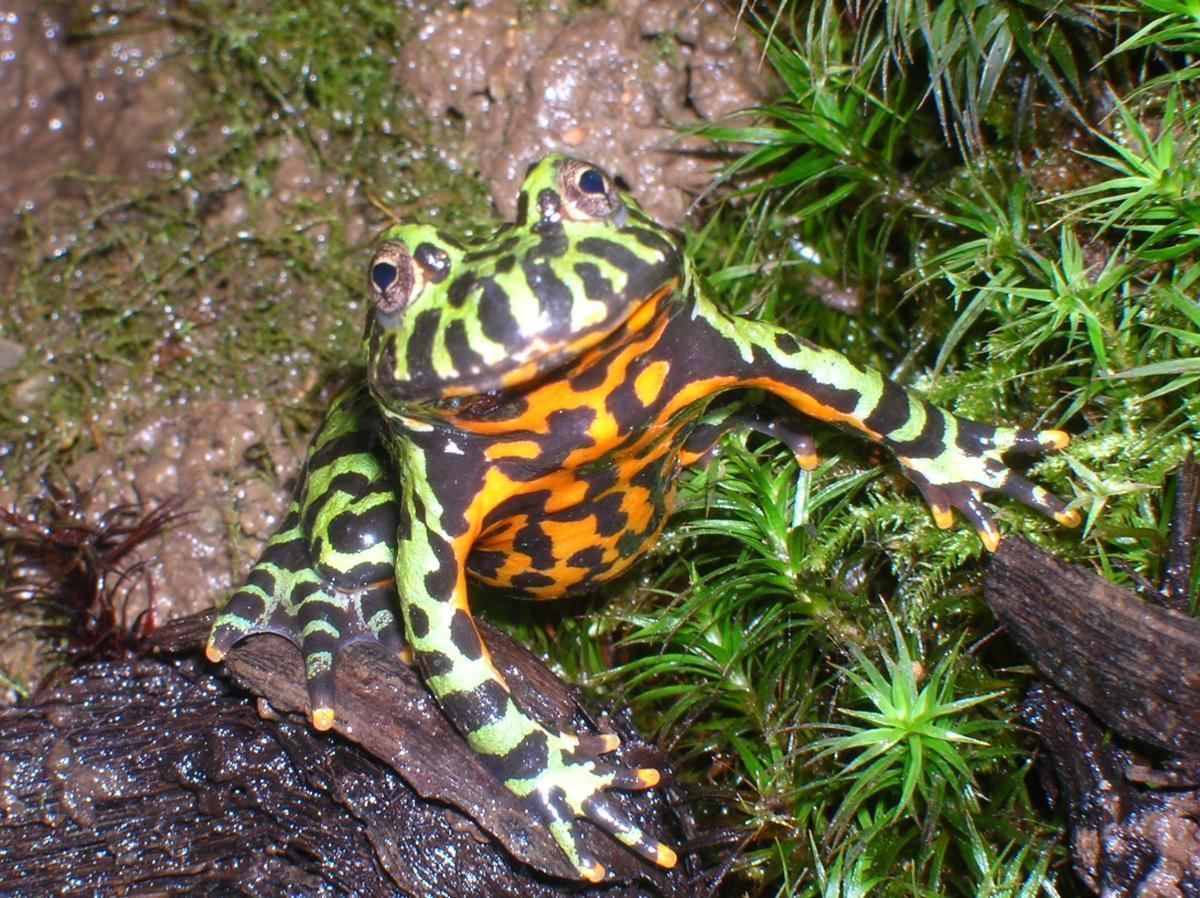
Bombina variegata (yellow-bellied toad) Bombina orientalis (Oriental fire-bellied toad) The Oriental fire-bellied toad inhabits cedar-broadleaf forests in the southern Russian Far East. Bombina use coloration defensively: while rocking near the water surface in shallow water, if alarmed, they quickly turn over to expose the bright coloration of the belly and throat to startle enemies. 1. https://amphibiaweb.org/lists/Bombinatoridae.shtml 2. Amphibian Species of the World 3. Vitt L.J., Caldwell J.P. Herpetology. An Introductory Biology of Amphibians and Reptiles.