Bufonidae
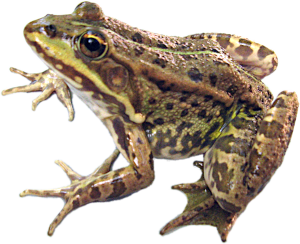
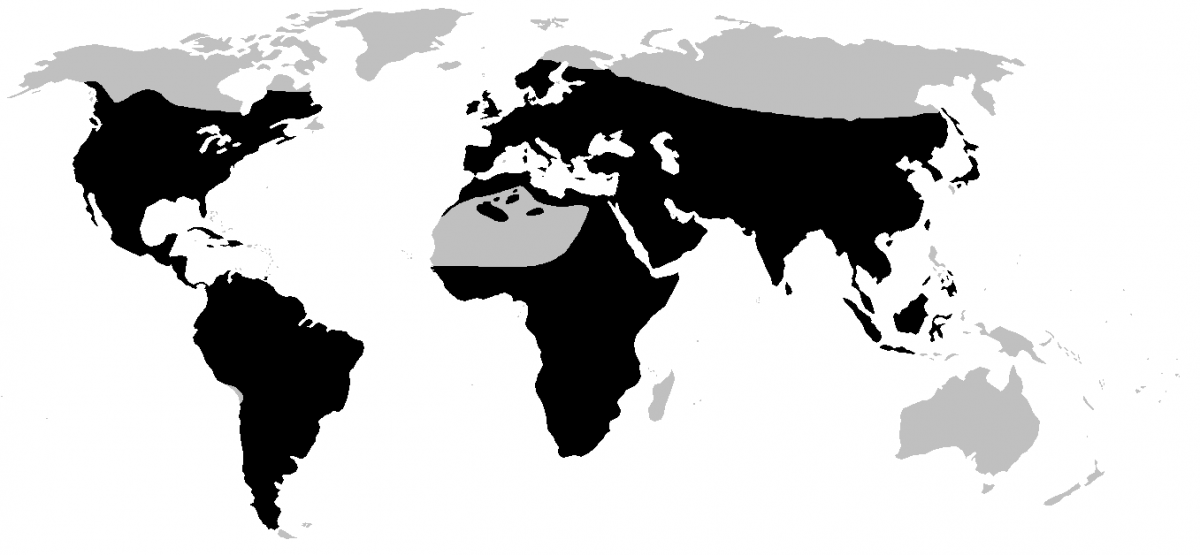
Bufonidae (toads) Range: distributed on all continents except polar regions and Antarctica. [IMG_1] Genera: 53 Species: 571 Morphological characteristics: Representatives of the family lack teeth on the upper jaw. The spine and limbs have fewer bones than in frogs; the sacral vertebrae are triangular with flat processes. The skull is ossified and sometimes fuses with the skin. A characteristic feature of males in this family is the presence of Bidder's organ, located above the testes beneath the fat body (it is also present in females of Bufo vulgaris). Bidder's organ is a secretory gland (secreting hormones that maintain secondary sexual characteristics) that develops from a gonadal primordium. When the testes are removed, Bidder's organ transforms into a normally functioning ovary, and the animal itself becomes a female. Most toads have a stocky body (from 20 to 270 mm) and a relatively short[IMG_2] head; the pupil is horizontally elliptical. Behind the eyes are large parotoid glands (absent in a number of tropical species); in addition to these, smaller glands of varying prominence are located on the back and on the outer side of the limbs. The skin glands secrete a whitish fluid containing toxic substances: the alkaloids bufotenine and bufotenidine, steroidal bufodienolides and bufotoxins, and other substances. These poisons (protecting the animal from predators and parasites) cause cardiovascular disruptions and also possess neurotropic properties. Most toads are gray and earth-toned, while tropical species are often quite brightly colored with various patterns. Ecology and behavior: They lead a predominantly terrestrial lifestyle, although some species prefer semi-aquatic or arboreal habitats. Most toads have external fertilization, with the exception of some forms that have internal fertilization. Eggs are bound together in the form of strings. They breed in standing or flowing[IMG_3] water bodies, with the exception of some species that lay eggs in leaf axils. There are viviparous and pseudoviviparous species; for example, the males of the midwife toad (Alytes obstetricans) carry the eggs on their own backs until the larvae hatch (hence[IMG_4] the name). The viviparous toad (Nectophrynoides occidentalis) from Africa carries the eggs inside its own body for 9 months. Fully formed individuals emerge from the eggs in the female's reproductive tract. Toads are most active at night or at dusk, both in the vicinity of a single water body and on short journeys. Due to the specific articulation of the pelvic bones and spine, toads, unlike frogs, find it more difficult to make jumps over long distances. Therefore, to defend against predators (in addition to using the poison glands), to[IMG_5]ads may adopt a defensive posture, rising up on their limbs and arching their back, or displaying bright coloring on their belly. Under unfavorable conditions they enter anabiosys (hibernation). They feed primarily on invertebrate animals. Large toad species can eat larger prey — small rodents, lizards, young snakes. The average lifespan of a toad is 5 years, the maximum is 36 years; body mass ranges from a few grams to 1 kg. [IMG_6][IMG_7] Bufotes boulengeri Atelopus pumarius [IMG_8] Incilius chompipe [IMG_9] Atelopus spumarius [IMG_10][IMG_11] Amazophrynella minuta Amazophrynella minuta [IMG_12] Atelopus spurrelli Sources: https://research.amnh.org/vz/herpetology/amphibia/?action=references&cl_id=1 https://amphibiaweb.org/search/index.html https://animaldiversity.ummz.umich.edu/accounts/Bufonidae https://people.wcsu.edu/pinout/herpetology/bamericanus/taxonomy.html