Ceratophryidae
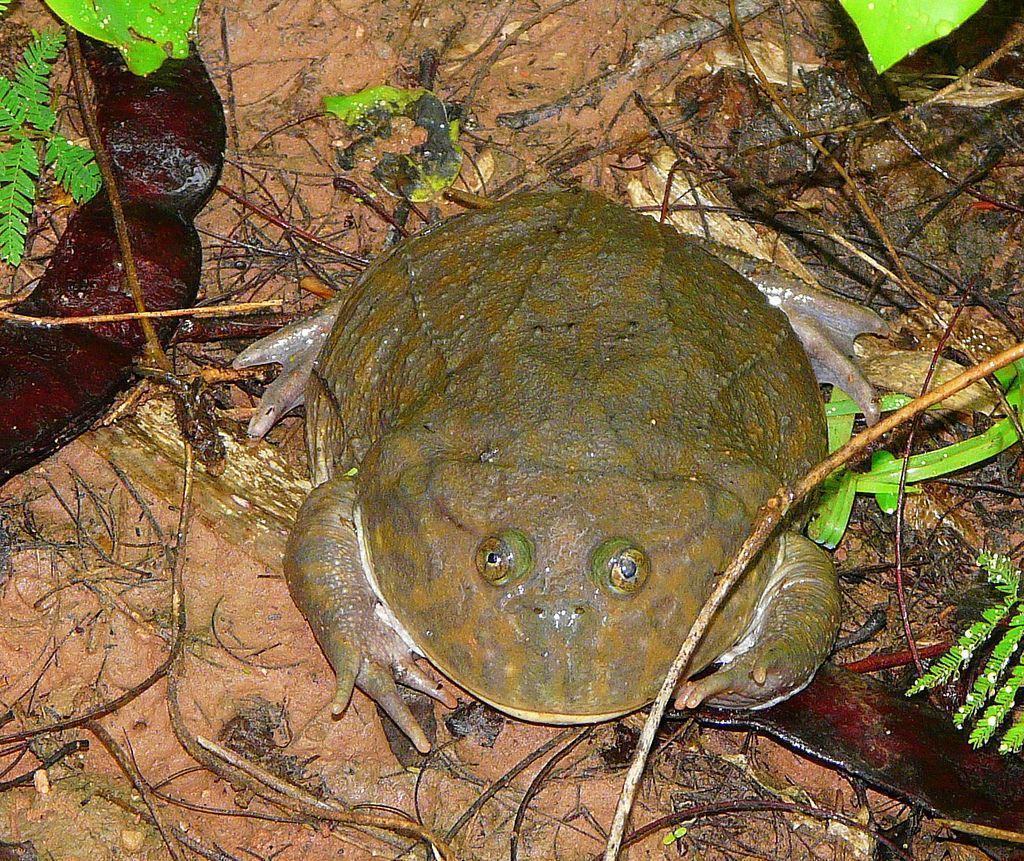
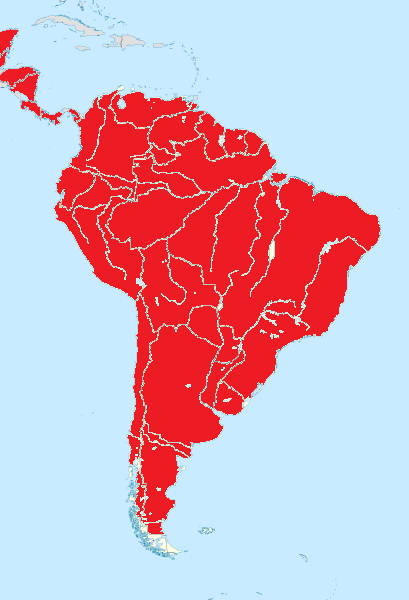
Ceratophryidae — horned frogs and shield-backed frogs 3 genera 12 species Most typical genera: Ceratophrys — horned frogs Chacophrys — small horned frogs Lepidobatrachus — shield-backed frogs Distribution: widely distributed in South America. Ecological and behavioral traits.
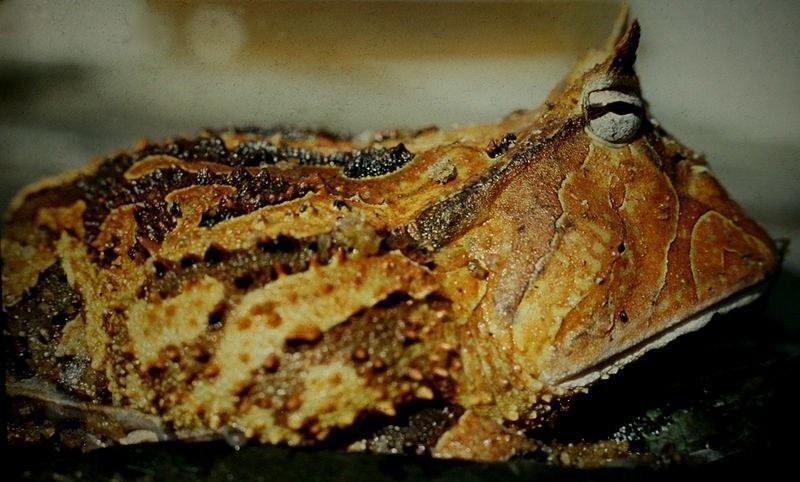
Predators (feeding on mollusks, small rodents, frogs, crustaceans, fish); ambush predators (camouflaging as forest litter). They may be semi-aquatic (some shield-backed frogs) or fully terrestrial (staying near water bodies), except during the rainy season, when reproduction occurs. They are poor swimmers. Breeding periods are short; offspring development with free-swimming tadpoles is accelerated (an adaptation to development in temporary water bodies). Axillary amplexus. After spawning in ephemeral pools, they may burrow and even form a multilayer cocoon from shed skin (Lepidobatrachus llanensis). In some high-mountain species, Telmatobius culeus (Lake Titicaca), strongly folded skin greatly increases respiratory surface area, helping maintain normal respiration in thin air. Active at night and twilight. Quite aggressive. Morphology: Massive body build, length 10 to 17 cm; in horned frogs a distinctive feature is supraorbital projections (“horns”); skin dry, whereas shield-backed frogs have moister skin.
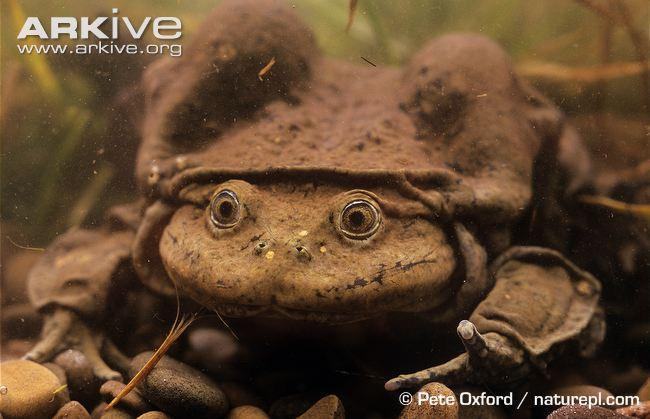
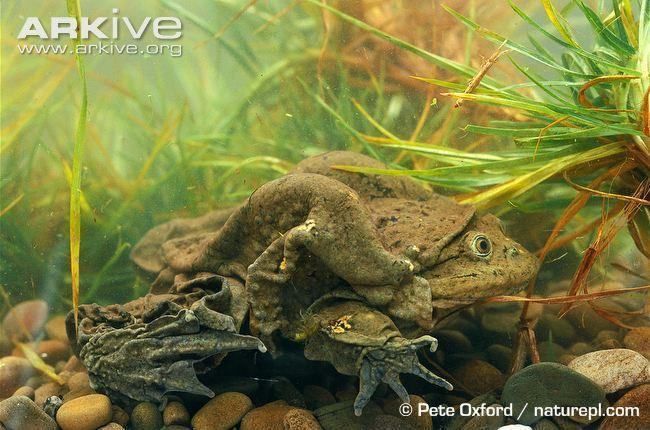
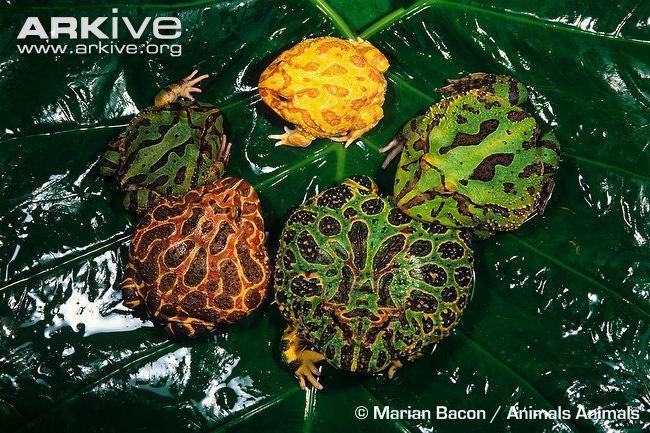
Coloration cryptic.
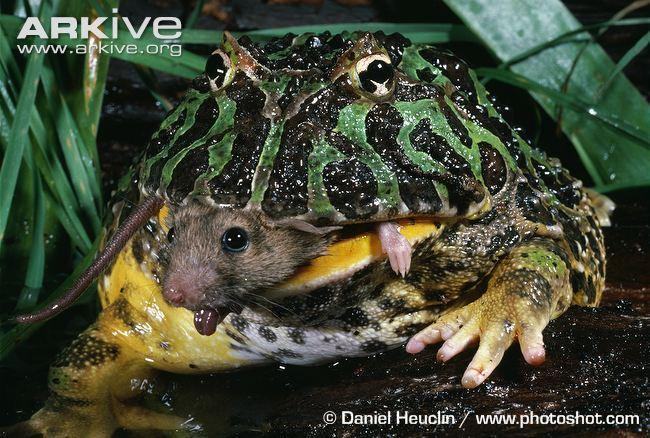
Telmatobius culeus Ceratophrys ornata Lepidobatrachus llanensis Ceratophrys ornata Ceratophrys cornuta Sources: 1. https://amphibiaweb.org 2. https://research.amnh.org/