Cycloramphidae
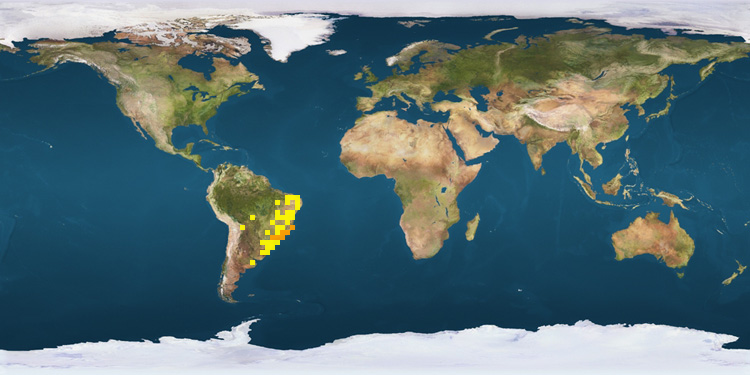
The family Cycloramphidae comprises 40 species from five genera: Crossodactylodes Cochran, 1938 (3 sp.) ; Cycloramphus Tschudi, 1838 (28 sp.) ; Rupirana Heyer, 1999 (1 sp.); Thoropa Cope, 1865 (6 sp.) ; Zachaenus Cope, 1866 (2 sp.). An endemic family of South America. The range covers northwestern Brazil and the temperate forests of Chile and Argentina. During mating, the male grasps the female behind the forelimbs (axillary amplexus).
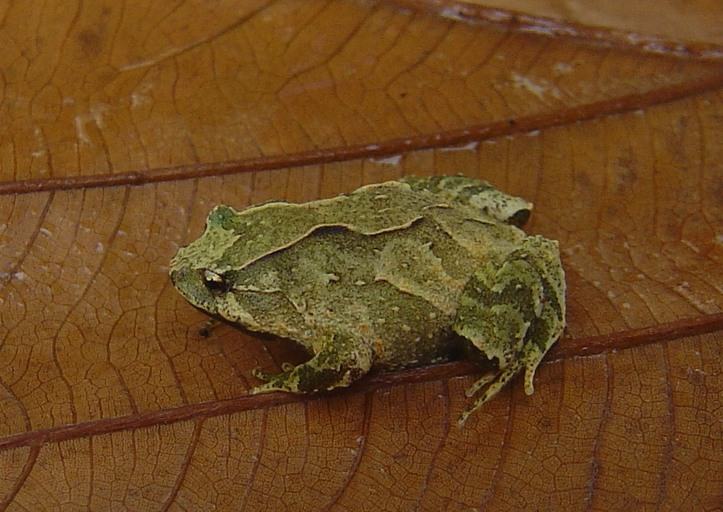
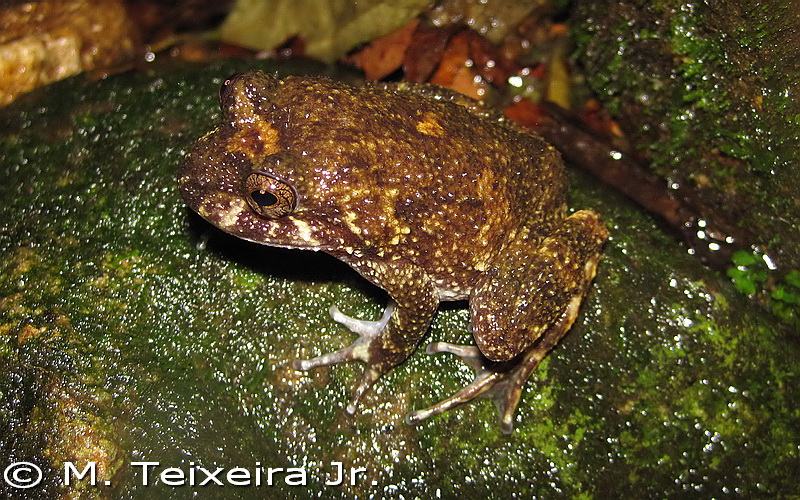
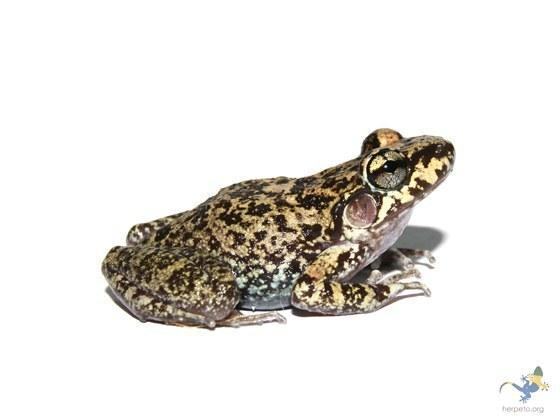
Species of the subfamily Thoropa lay large eggs that are deposited on rock outcroppings. Tadpoles have a streamlined, worm-like shape — an adaptation to life in thin water films on rock surfaces. Species of the subfamily Zachaenus lay several large eggs in moist soil. The eggs develop in a gelatinous mass and do not emerge from it until metamorphosis. Cycloramphus boraceiensis Thoropa megatympanum Zachaenus parvulus Sources: 1.
Amphibian Species Lists 2.
Laurie J. Vitt, Janalee P. Herpetology: An Introductory Biology of Amphibians and Reptiles