February 21. Opening of the 2013 Field Season. Eskhar
For the second year in a row, our group opens the field season with a trip to Eskhar to collect frogs.
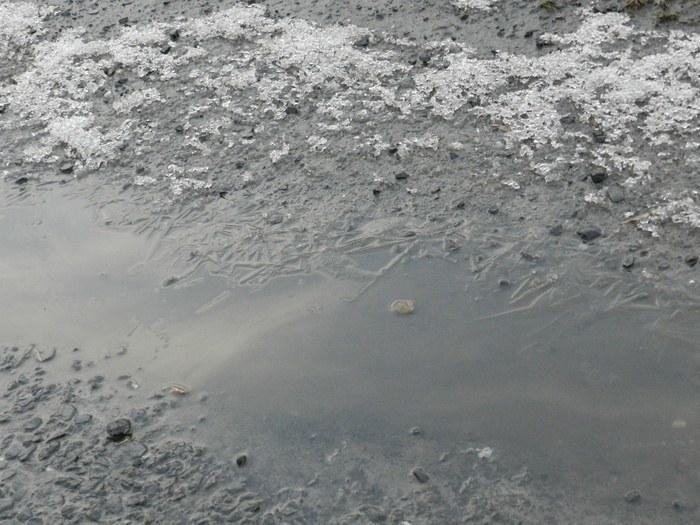
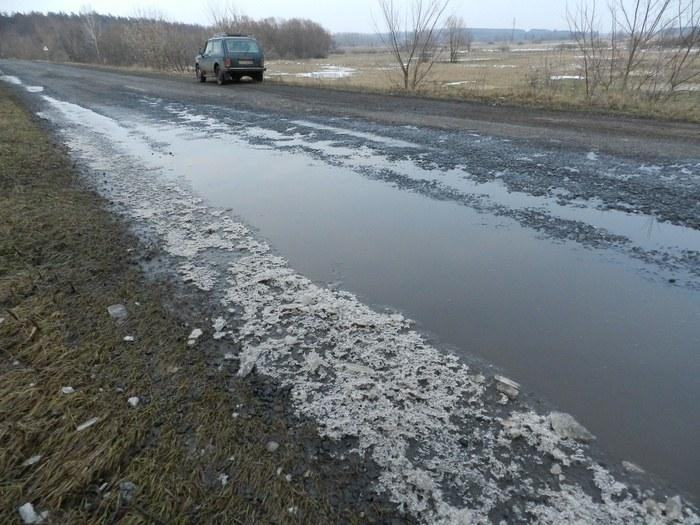
The weather was good. It was a few degrees below freezing, the sun alternated between hiding and peeking out, and water was melting in sun-warmed spots.
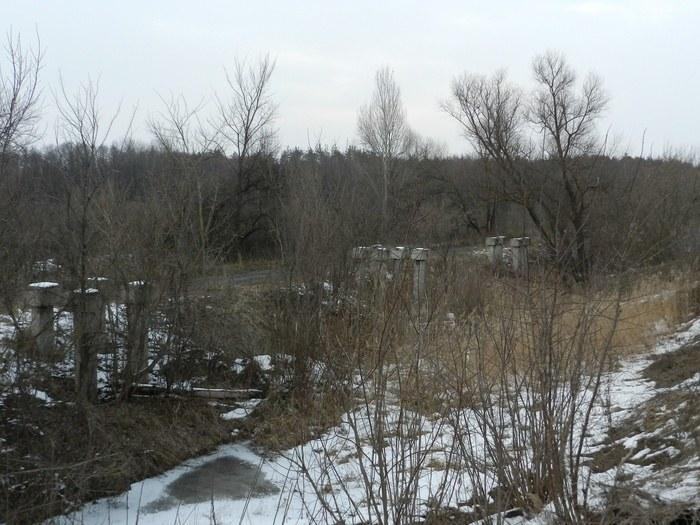
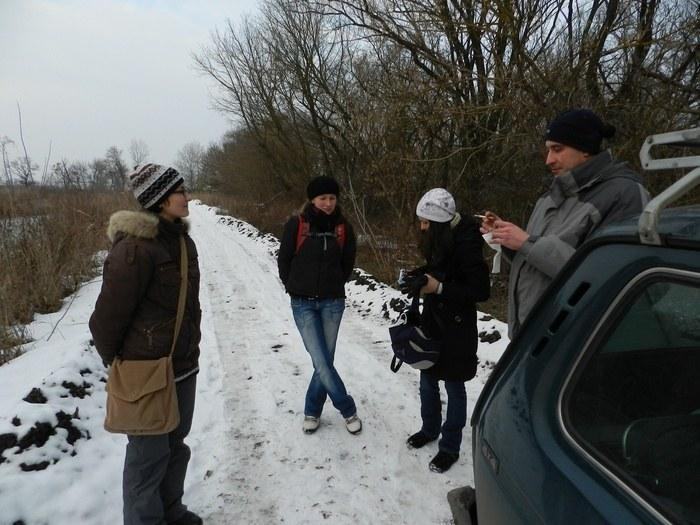
As we approached Eschar, L.K. explained that we were driving past the colonnade – the ruins of ancient Chersonesus. This time we went by car.
The station is working, and the frogs are in a semi-active state in the warm water.
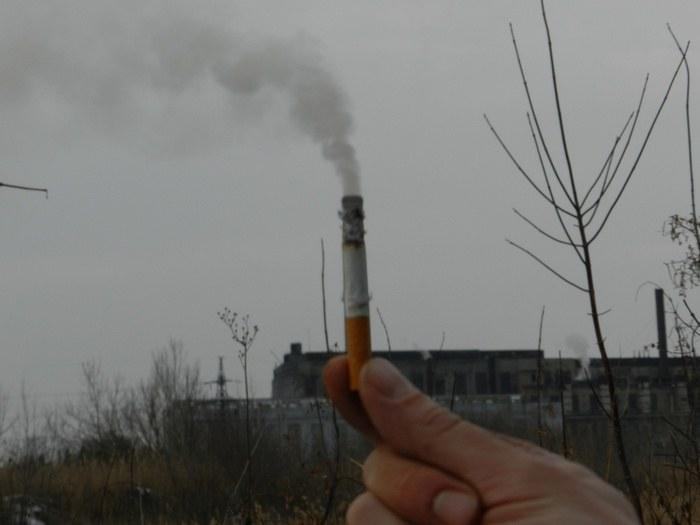
Of course, we didn't manage to reach the final destination of our route.
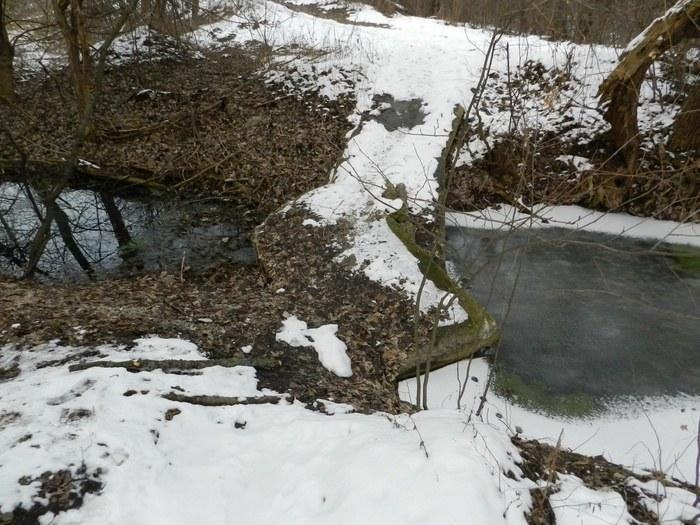
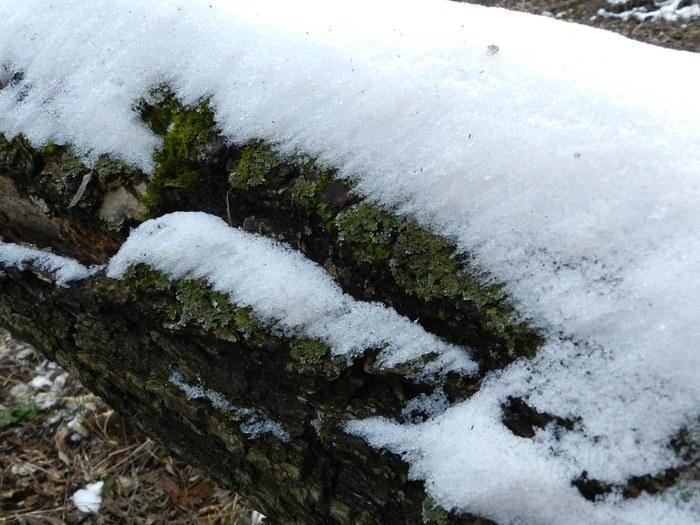
No matter how good the "Niva" was, no matter how experienced its driver, such bridges are not for a car. Snow is melting in many places on the ground, but it lies on branches and other elevated objects. Something resembling anatomical diagrams is emerging.
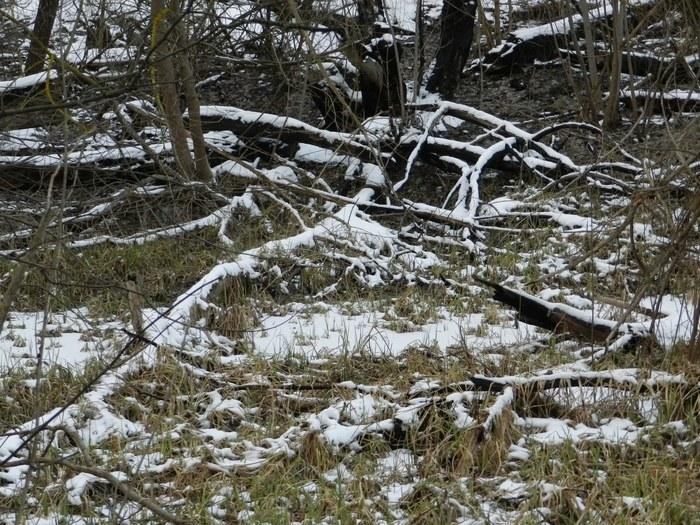
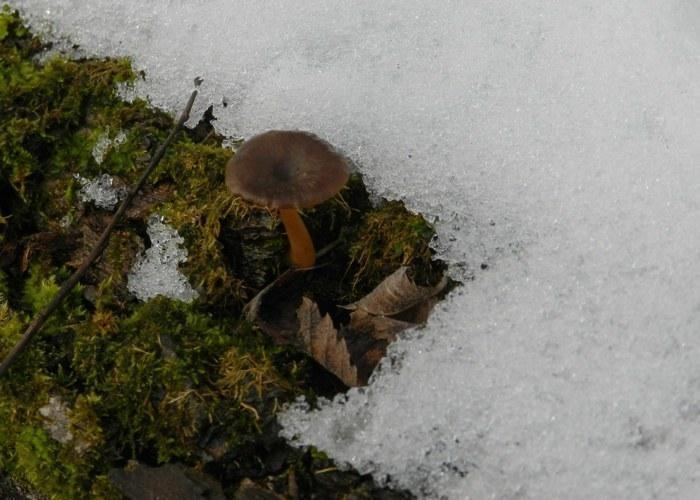
Where the snow recedes, it immediately turns green underneath and... I don't know how to write it. The day was completely windless.
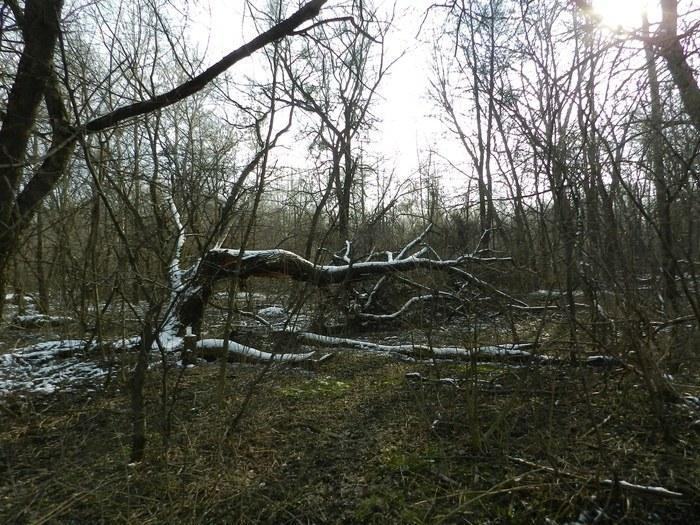
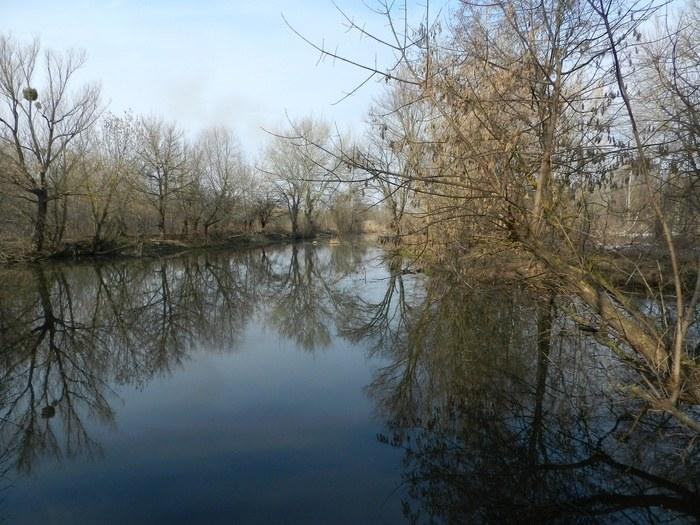
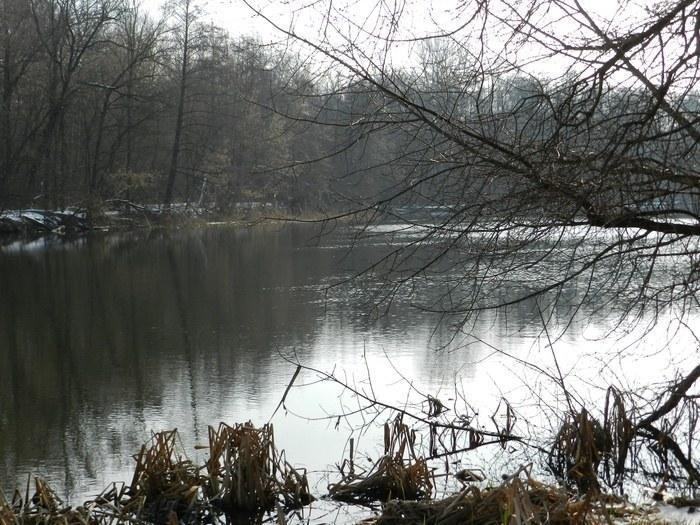
The water in the warm channel was like a mirror.
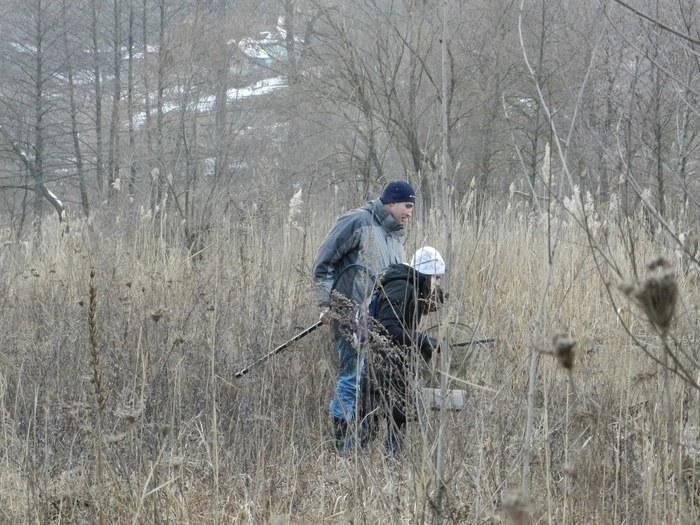
I took a wader suit and tried to wade for frogs, walking along the bank in it.
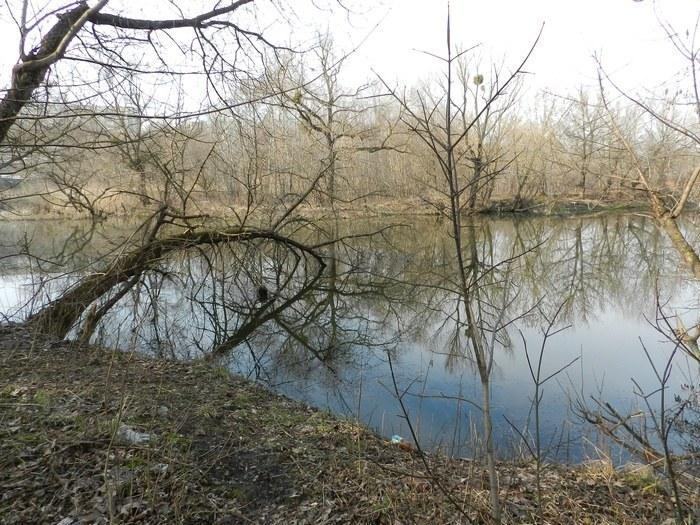
The bank was slippery, with a pile of branches underfoot. Eventually, I scooped a little water into the suit. Although I managed to catch a couple of females with spawn by going into the water. And we need the females – we are about to test a research technology that requires tadpoles. There aren't many frogs, but they are there. I was thinking: what's the point for them to be active in winter, despite the warm water? In summer, they can catch insects.
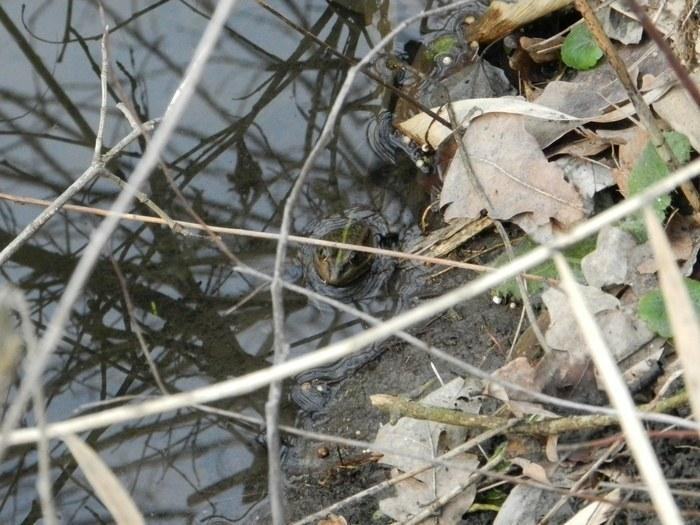
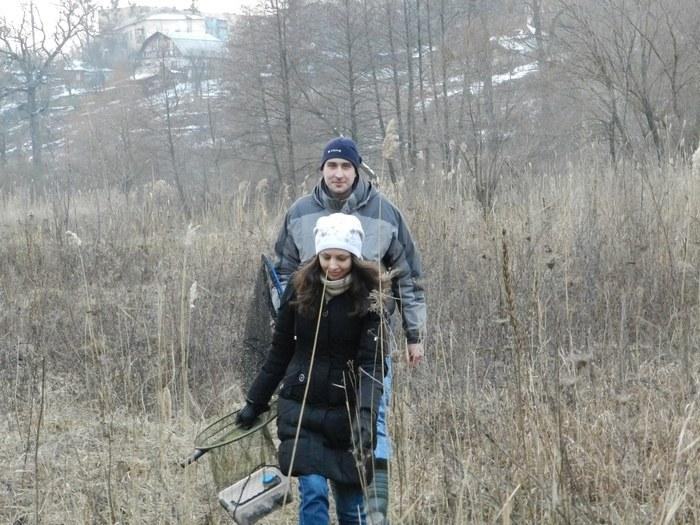
In winter – warm water or not – there are no insects. They either eat nothing, or they have to eat some aquatic invertebrates. So why are they sitting in poses as if they are about to catch something flying? I need to figure this out... L.K. tested a long-handled net. The technology is clearly visible in the following photographs. The dark spot in the net is a frog!
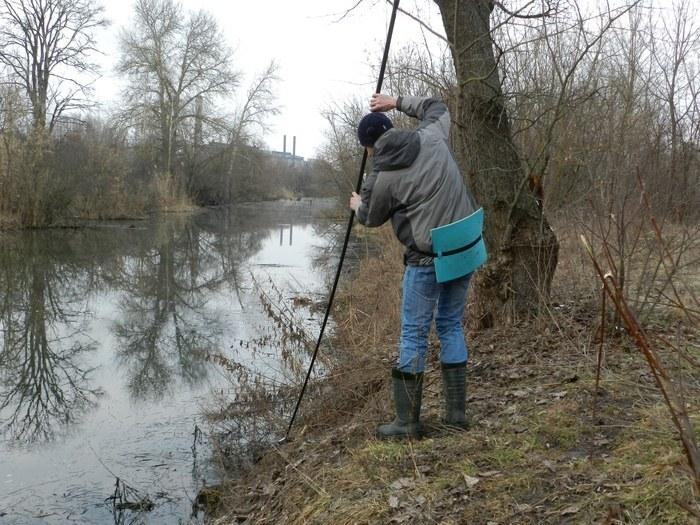
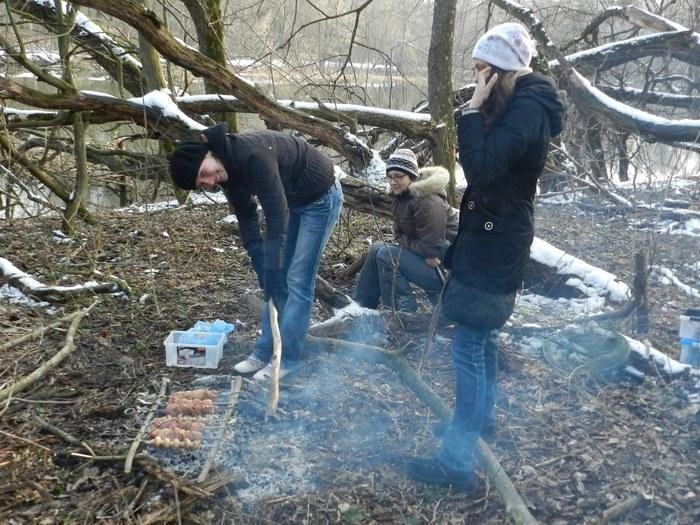
As has become customary, we reached the bank of the Donets and made a fire.
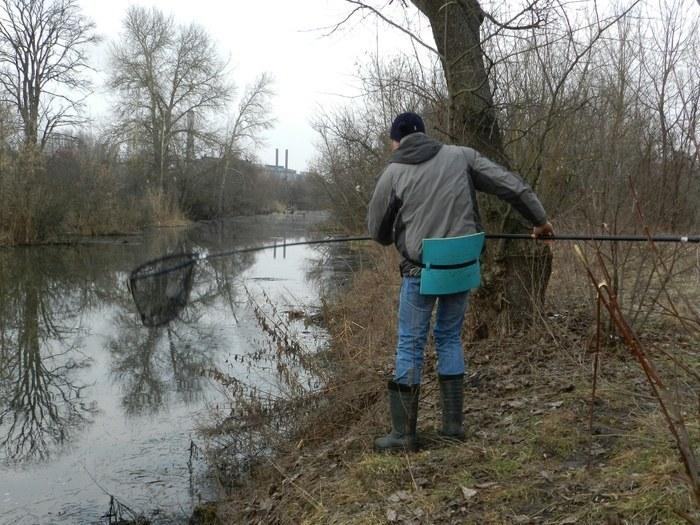
Leaving two girls to tend the fire and grill shashlik, we went to catch more.
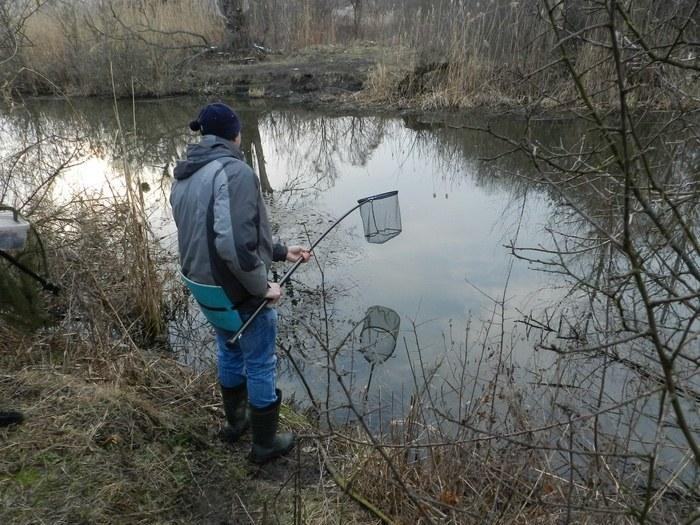
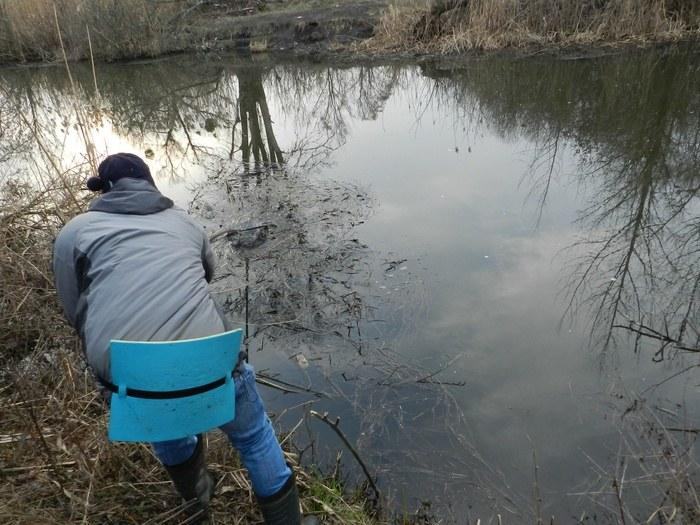
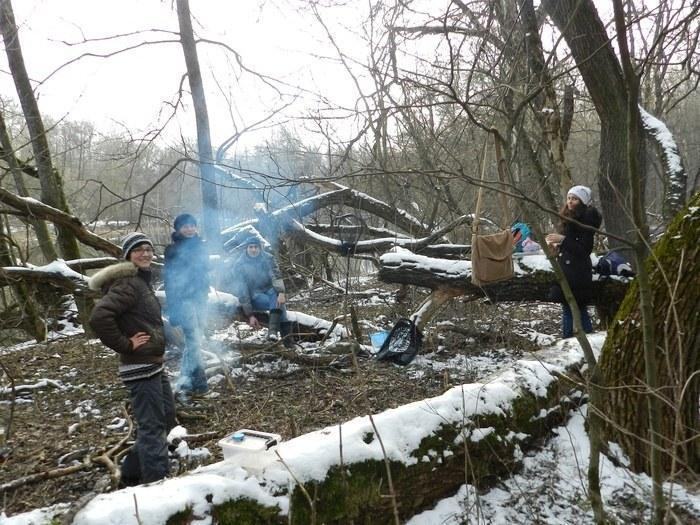
Soon...
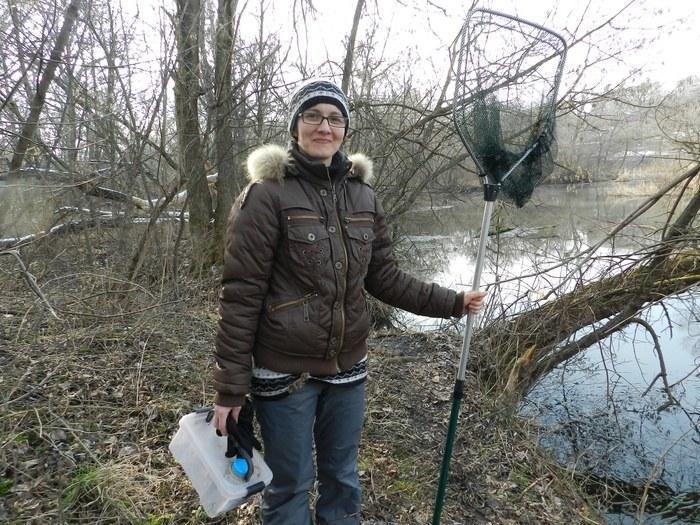
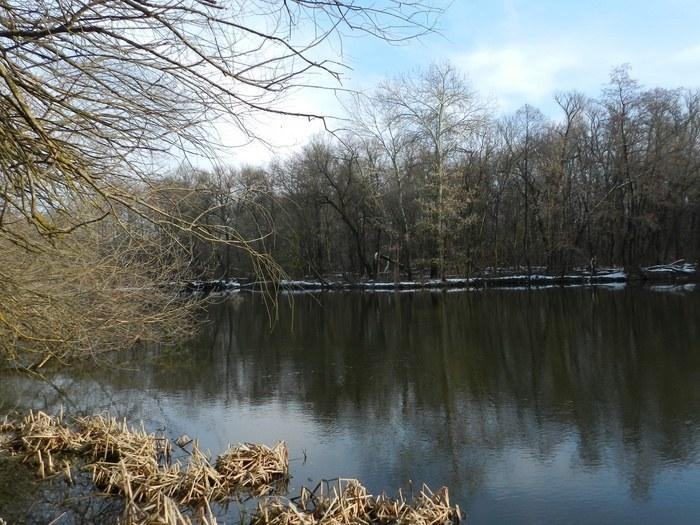
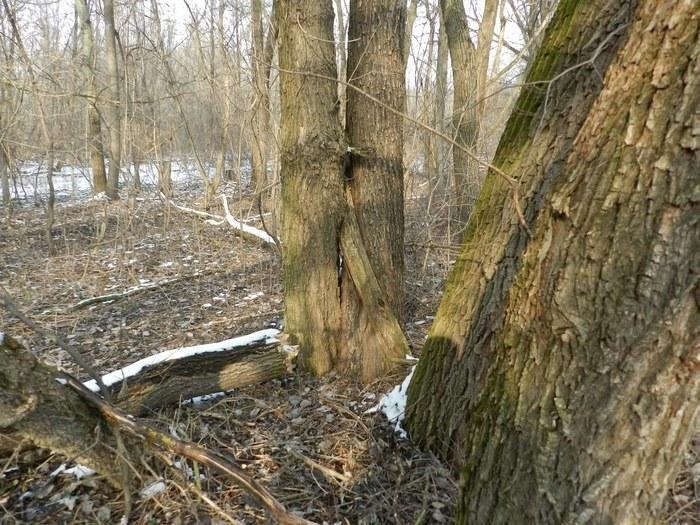
The old forest on the bank of the Siverskyi Donets, with a lot of deadwood, is beautiful in any weather and at any time of year. The Donets is almost free of ice, with ice fringes forming only in slow-flowing areas...
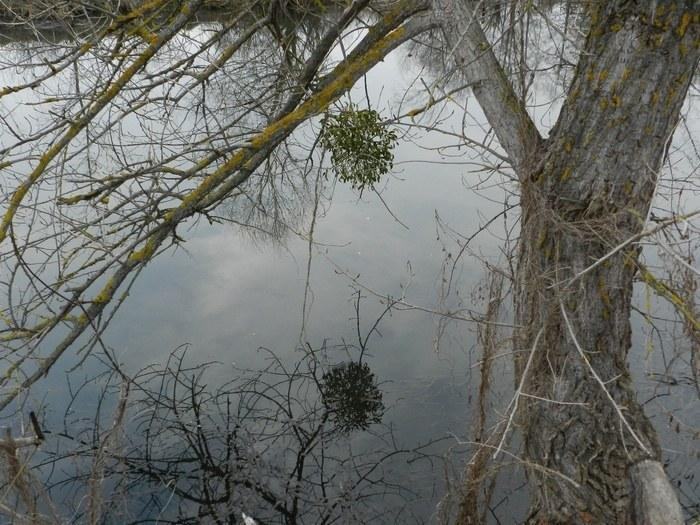
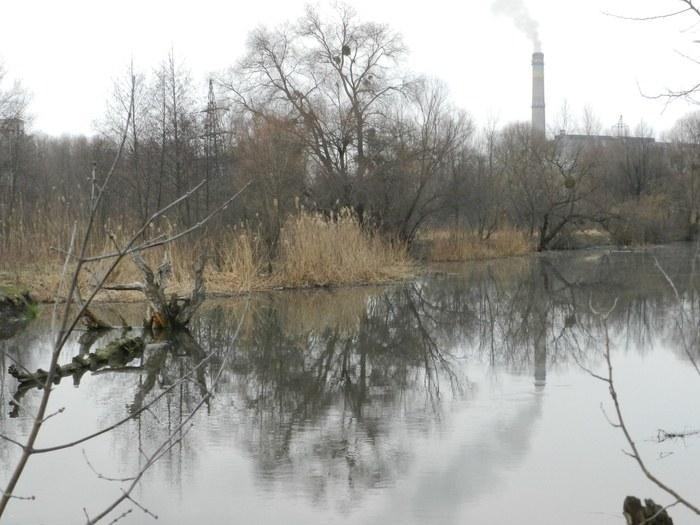
It pressed down like closing doors in the metro...
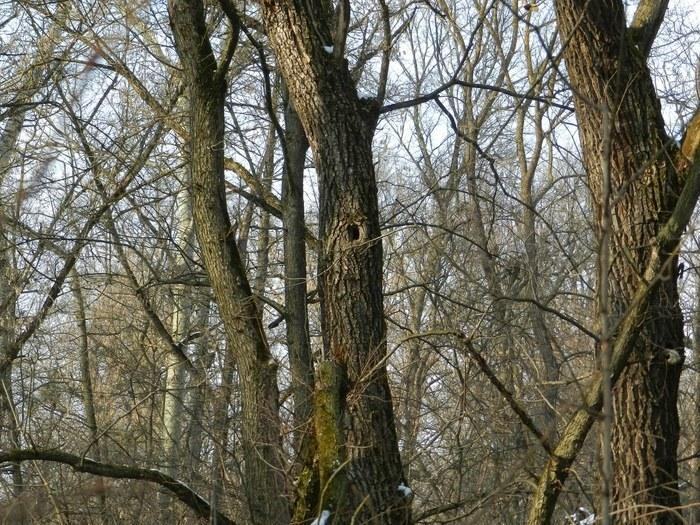
And this tree is covered in resin.
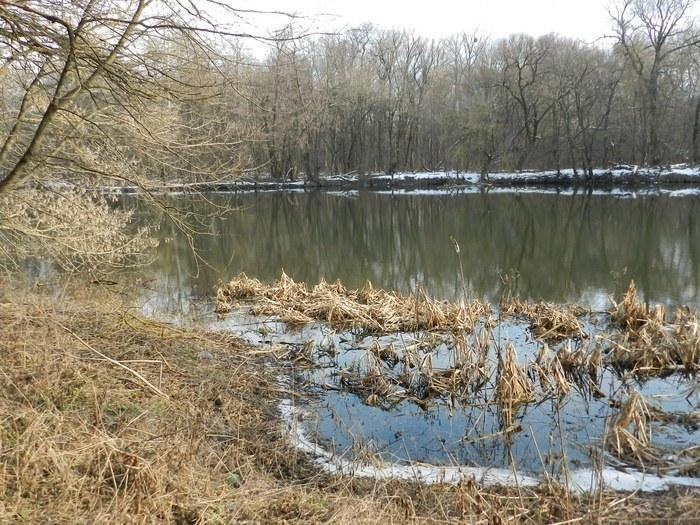
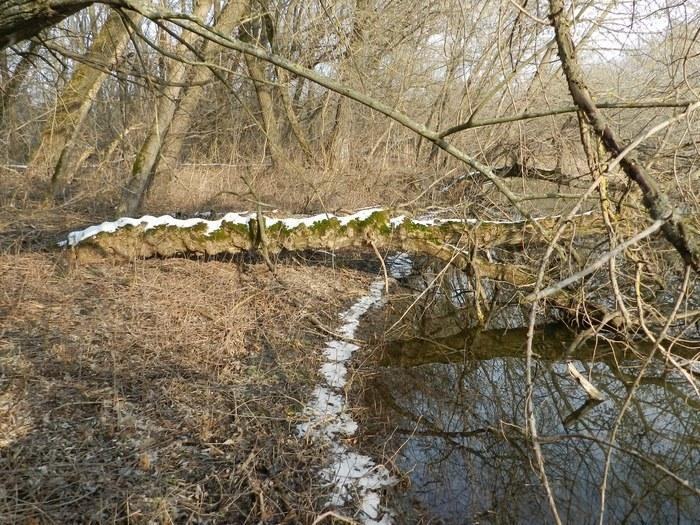
It lies on the bank like a crocodile. Ice shells are slightly above water level.
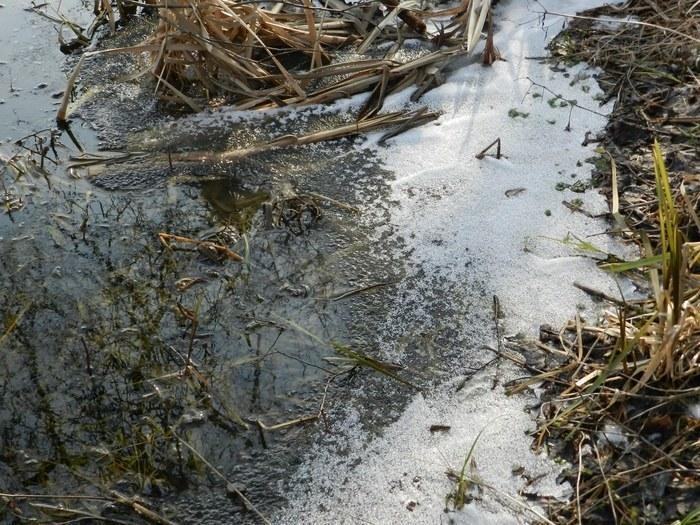
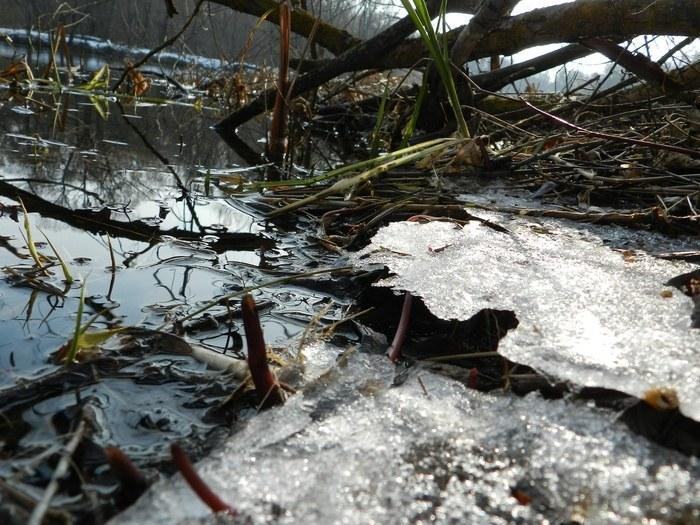
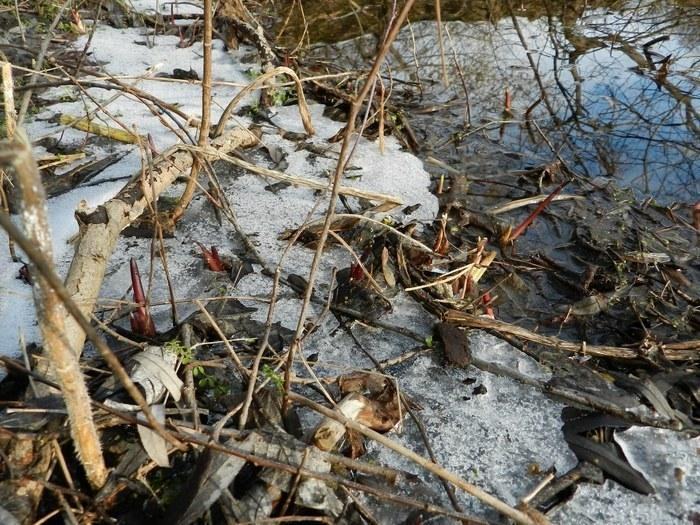
Red shoots are breaking through them everywhere...
The trees are shedding their leaves without help...
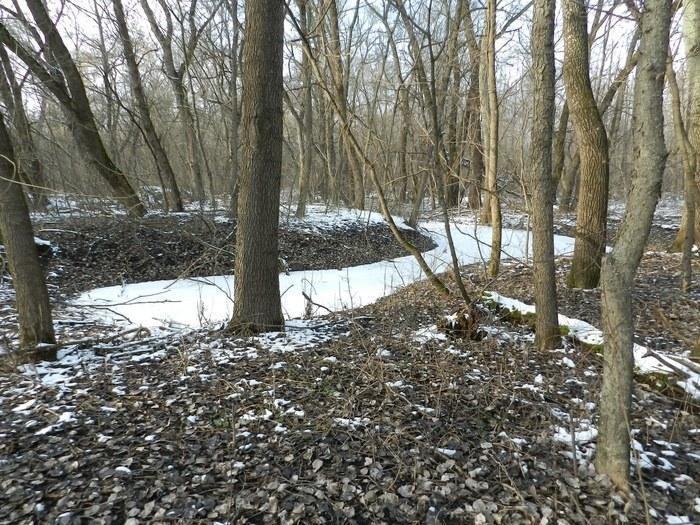
There are channels in the forest, covered with ice.
One leaf is dry, another has a snowy cap, a third has a puddle.
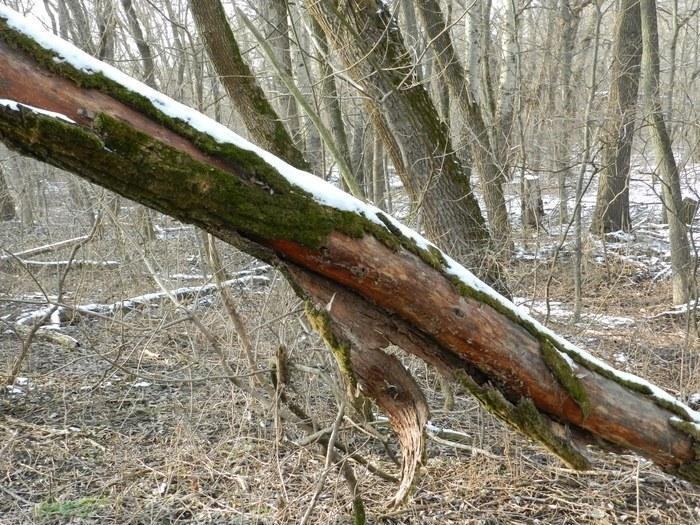
I photographed this triumphal arch last year.
It hasn't changed.
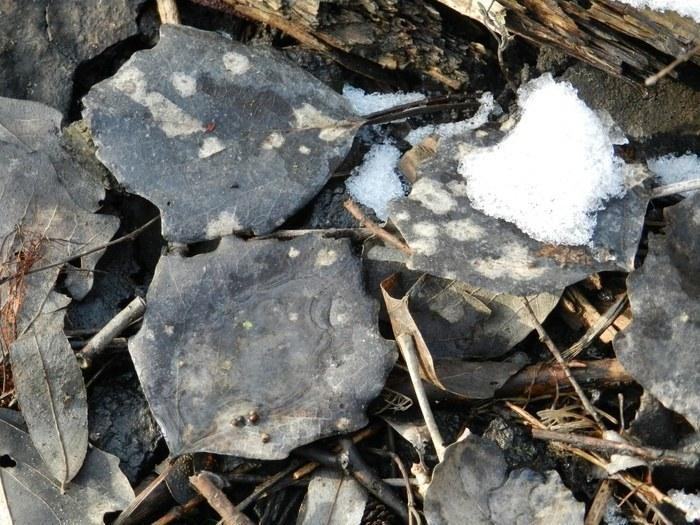
Something is showing through the ice.
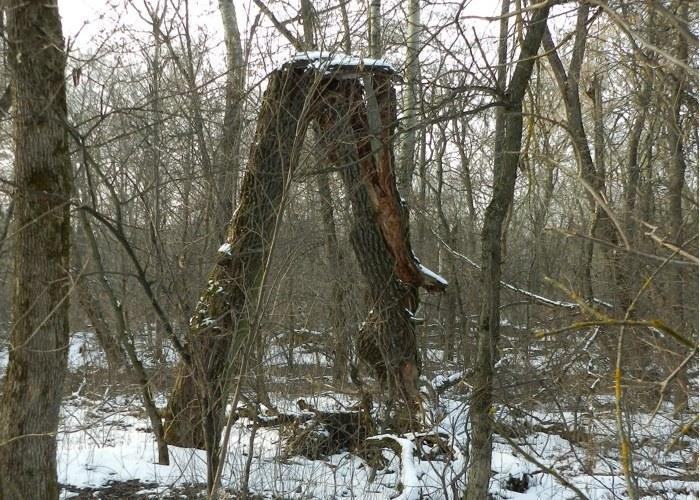
I can't figure out: whether the snow on this branch has been scraped off by something, or if it's melting strangely...
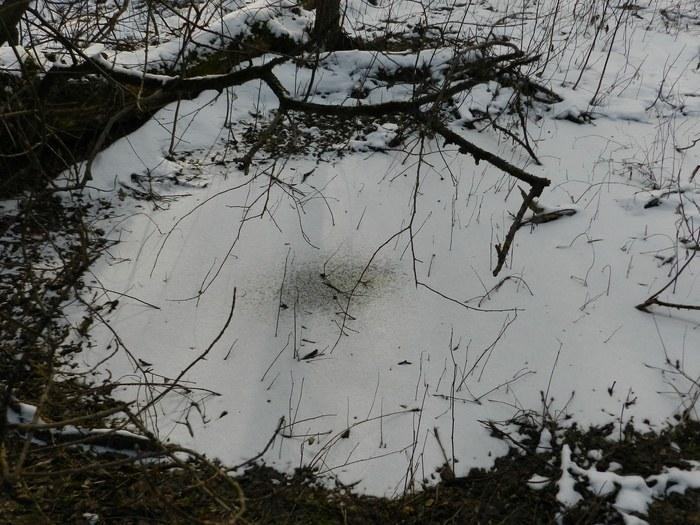
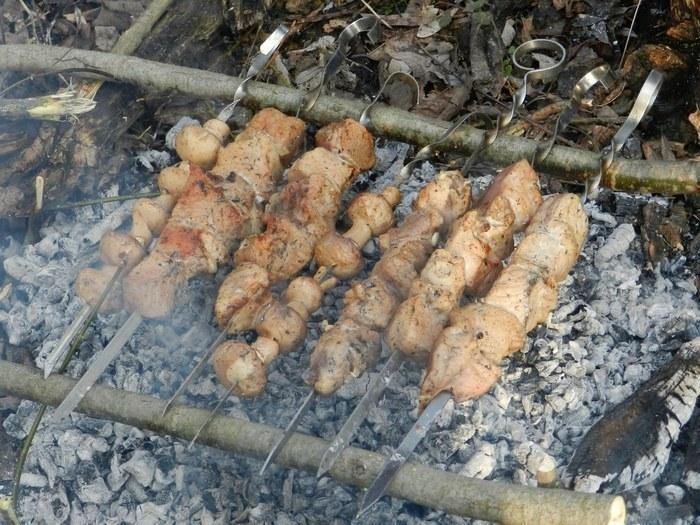
The mushrooms were also good, although we probably ate them almost raw.
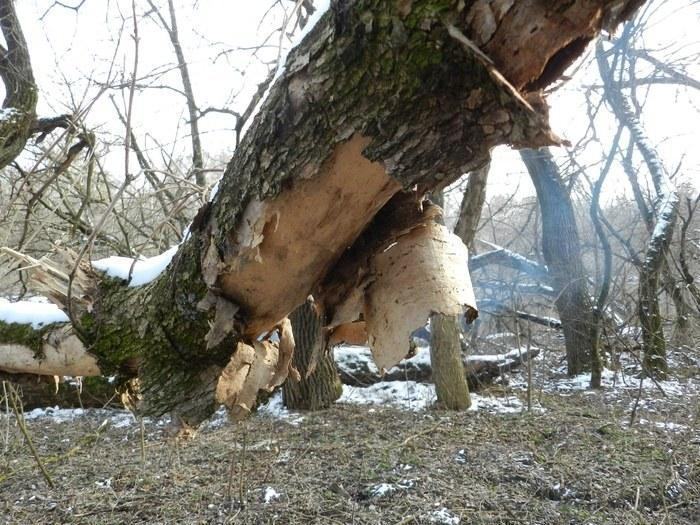
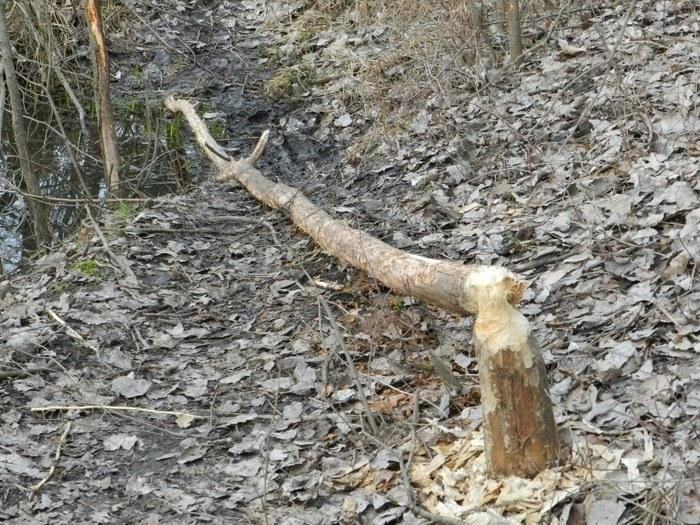
Well, no one marinates meat better than L.U.! Beavers built dams, blocking the path.
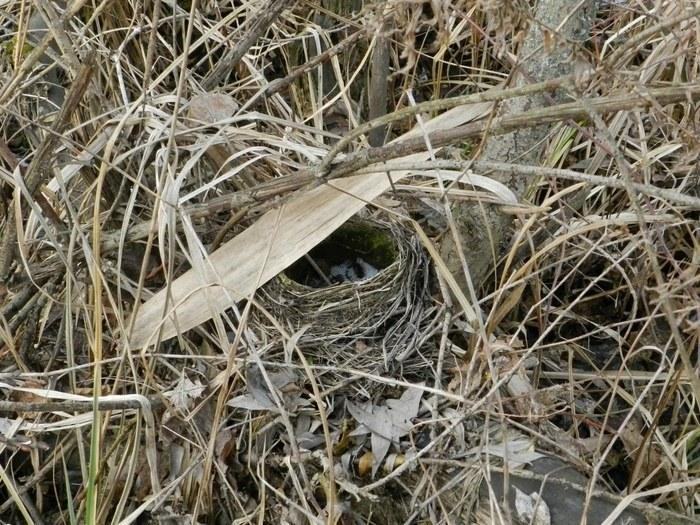
An old nest. The difference is not due to perspective at all.
After all, sexual size dimorphism is characteristic of humans.
We walked forward and are waiting.
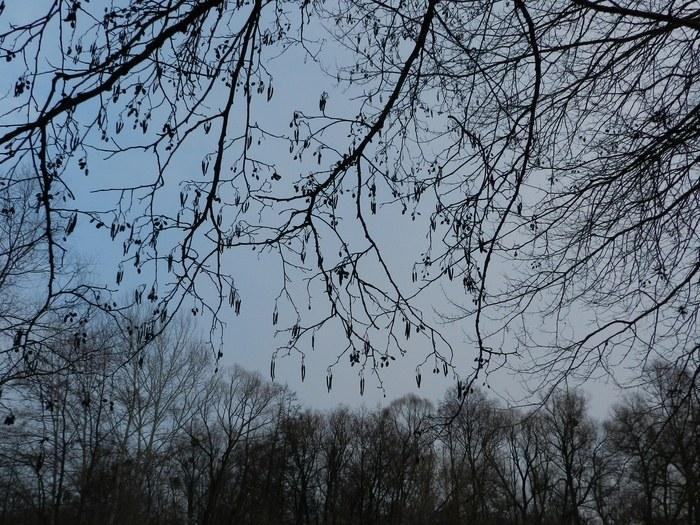
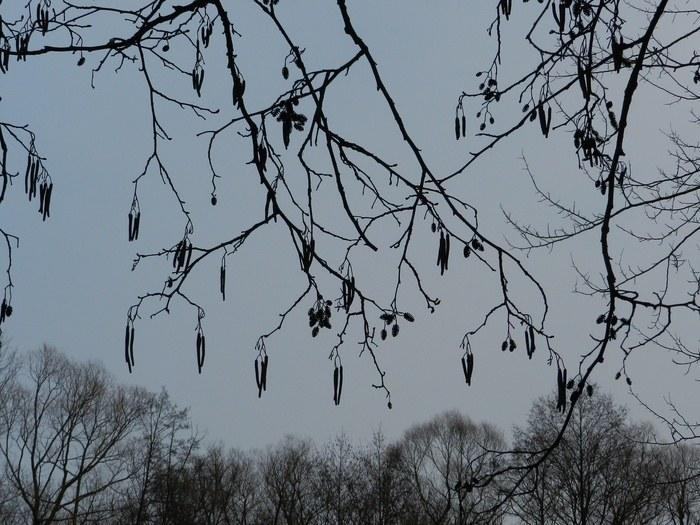
Catkins are on the willow.
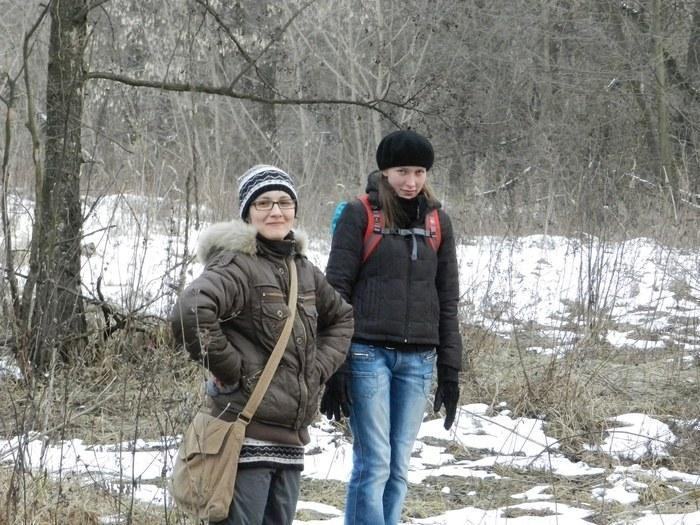
The work is done, the shashlik is eaten, we returned to the car.
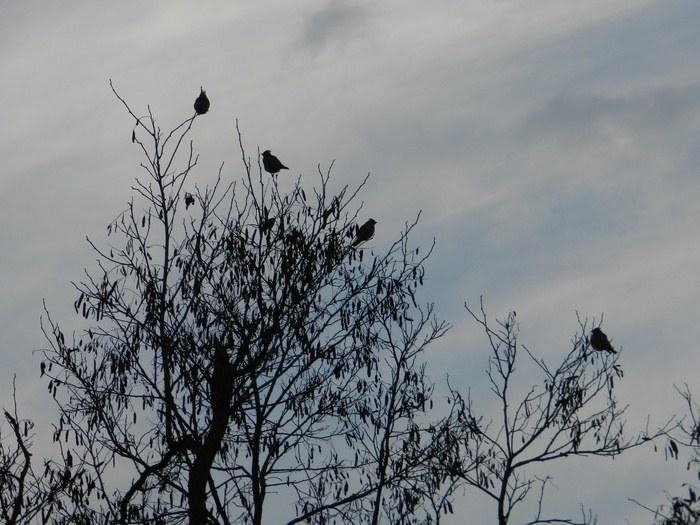
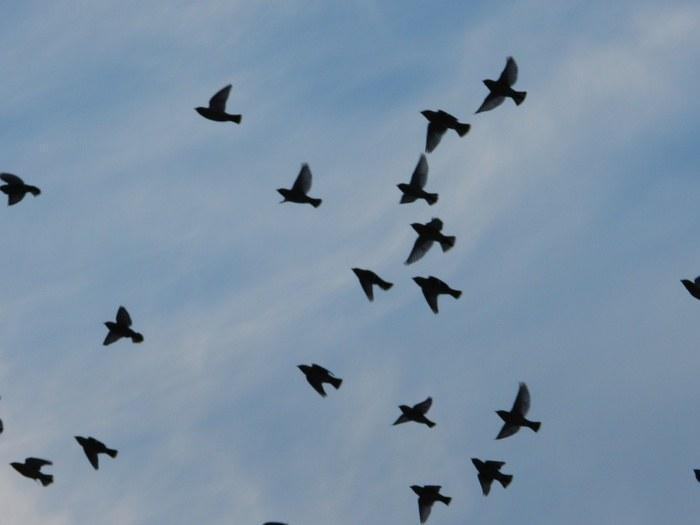
A flock of waxwings arrived.
An interesting sound when they fly...