
lection
539 materials found

Materials

Ecology: the Biology of Interactions. 1.05. Levels of Organization of Biosystems
Biological systems are organized hierarchically, and at each level regulation is carried out using similar principles. The systems approach that gained development at the end of the twentieth century, going …
Ecology: the Biology of Interactions. 1.06. Approaches to the Study of Biosystems
Biology can be divided into parts in three relatively independent dimensions: on the one hand by object of study (zoology, botany, microbiology, etc.); on the other by method (molecular biology, …
Ecology: The Biology of Interactions. 1.07. Regulation of Biosystems
A direct link is the effect of some factor on the system under study, its control (example: turning the wheel, the driver changes the car's direction of movement). Feedback is …
Ecology: the biology of interaction. 1.09. Stability of biosystems
A characteristic feature of regulation by the principle of negative feedback is that it leads to oscillations of the regulated variable. If an impact drives the biosystem beyond the limits …
Ecology: the Biology of Interactions. 1.08. Properties of Complex Systems
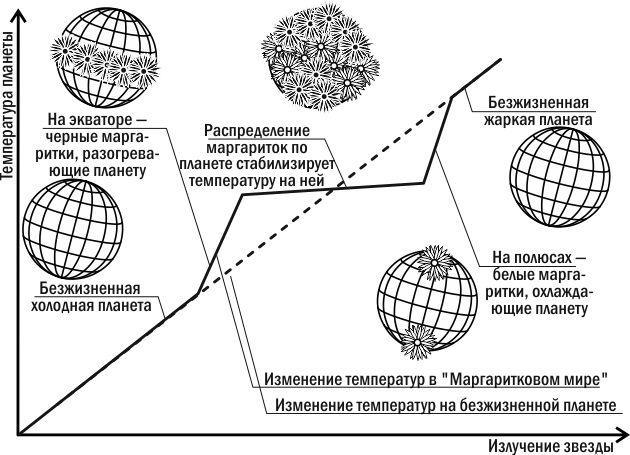
The more integrated a system is, the more difficult its mosaic description becomes. The brain is so complex because it is united by a multitude of connections (a neuron in …
Ecology: the Biology of Interactions. 1.13. (Supplement) Universal Properties of Biosystems
Despite all the specificity of biosystems of different levels, a number of universal properties can be distinguished for them. Let us name some of them: a definite composition and orderliness; …
Ecology: The Biology of Interaction. 1.12. (Supplement) Models: Their Limitations and Dangers
Some objects cannot be studied directly, or are extremely difficult to investigate in situ. In this and in many other cases, models are employed. A model is a system constructed …
Ecology: the Biology of Interactions. 1.14. (Supplement) Where Should We Seek the Causes of the Characteristics of Biosystems?
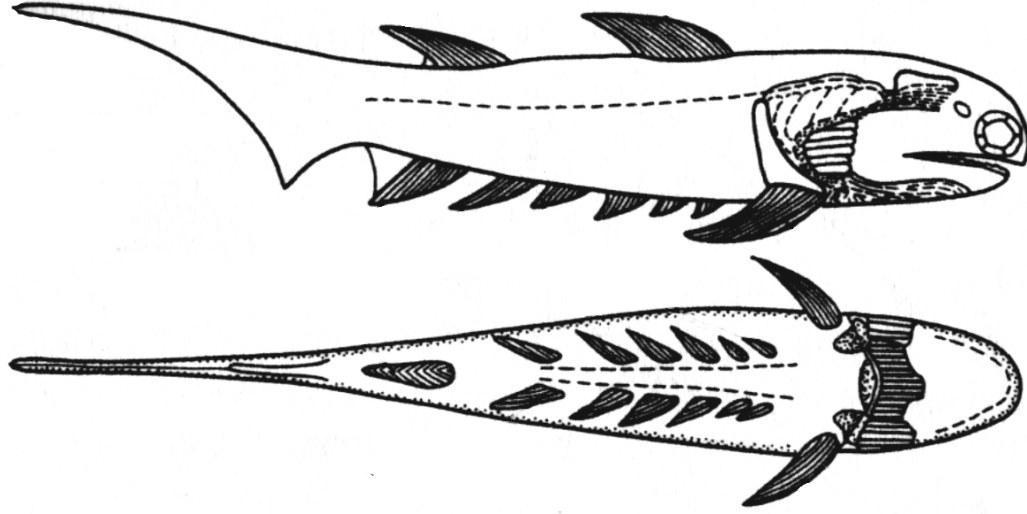
It is precisely the ecological-evolutionary approach to the study of biosystems that makes it possible to understand why they are as we observe them. The key to explaining the properties …
Ecology: the Biology of Interactions. 2.01. Biosphere
Chapter 2. Biospherology. The biosphere is the Earth’s shell transformed by the activity of living organisms. The alternative interpretation of the biosphere as the Earth’s shell within which living organisms …
Ecology: biology of interaction. 2.02. Noosphere
{ "title": "", "summary": "", "body": "Probably, the main author of the concept of \"noosphere\" was Pierre Teilhard de Chardin, a French priest and evolutionary scientist. Teilhard was a member …
Ecology: Biology of Interaction. 2.03. The Gaia Hypothesis (Metaphor)
In 1972, James Lovelock and Lynn Margulis proposed what became known as the «Gaia hypothesis» — the conception of Earth as a superorganism that maintains its own homeostasis. As Lovelock …
Ecology: biology of interaction. 2.04. Biogeochemical cycles
Terrestrial life is built on a highly complex chemical foundation. Its existence requires many chemical elements. Although the main compound in organisms is water, organic substances composed of diverse atoms …