

Pelobatidae
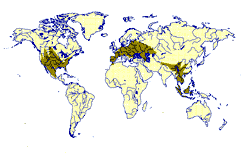
Pelobatidae (Spadefoot Toads) Members of the family are distributed across Europe, Asia, and North America. in southern Crimea, the North Caucasus, Kazan, Russia The family consists of 10 genera; most species live in fairly dry habitats and burrow into the ground during the day.
The body of spadefoot toads is flattened; the pupils are vertically slit-shaped; the tympanic membrane is barely or not at all visible; the jaw bones — maxillaries or premaxillaries — bear teeth.
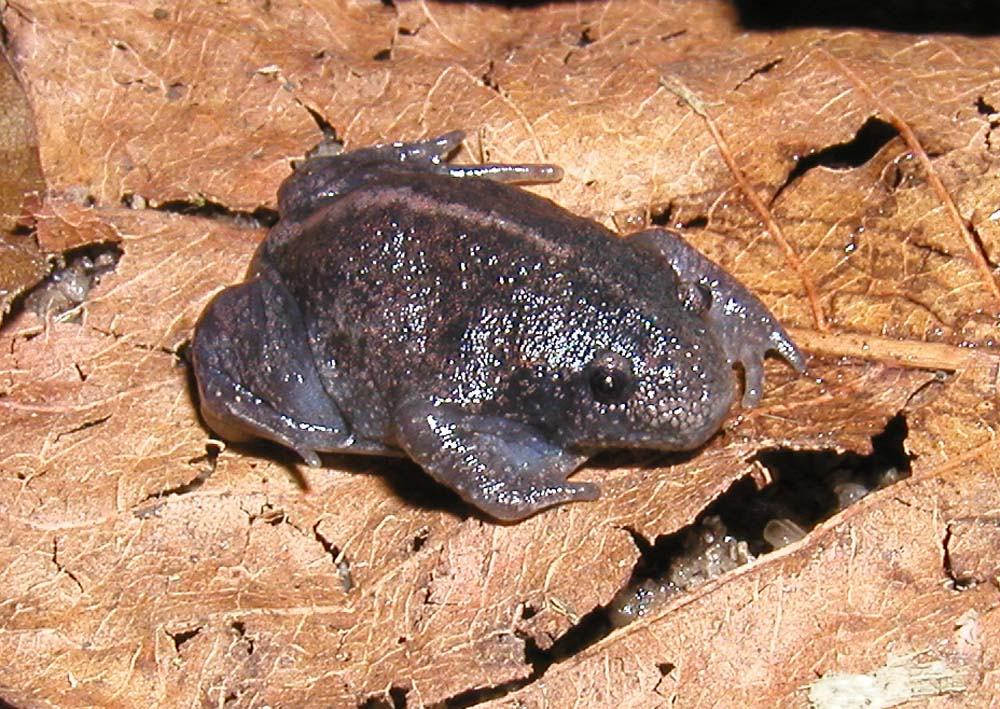
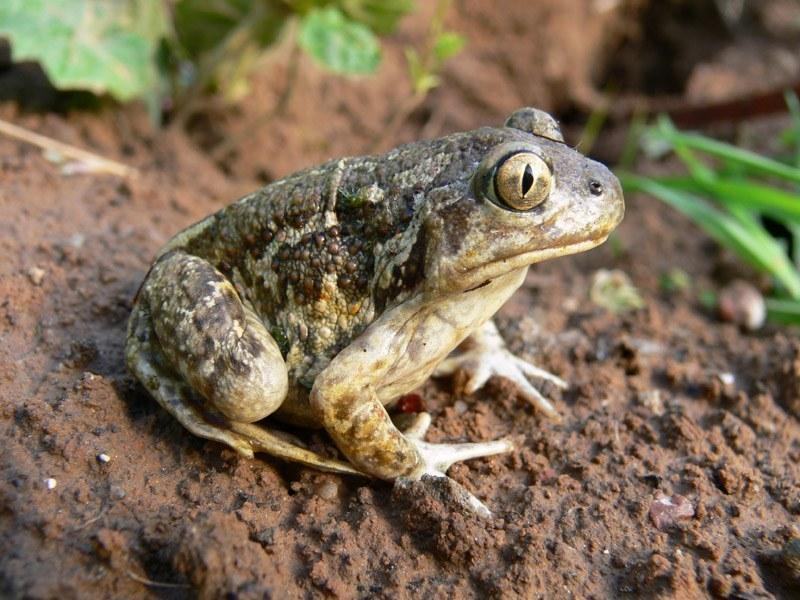
Members of the genus Pelobates resemble frogs more than toads in outward appearance; they have relatively long hind legs whose toes are connected by large swimming webs, a round tongue free at the rear, and two groups of vomerine teeth.
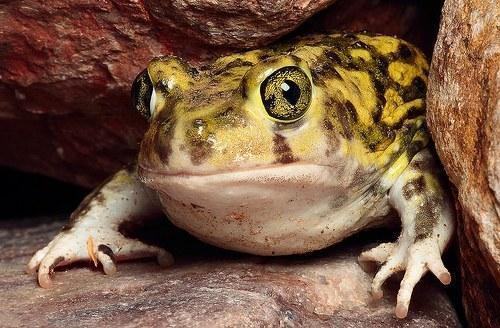
The tympanic membrane is hidden under the skin; on the heel there is a large horny tubercle with a sharp edge, used for digging. Amplexus (the mating position of male and female) is pelvic — the male grasps the female around the waist just in front of the hind legs. Eggs are laid in short, thick strings.
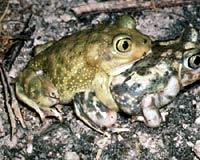
Eggs and tadpoles develop in water. Tadpoles can sometimes reach considerable size, as in the common spadefoot toad Pelobates fuscus, and in some species (Leptobrachium, Leptolalax, and Scutiger) they can live in fast-flowing streams. Tadpoles of other species (Megophrys) feed on particles from the water surface and have a funnel-shaped mouth. Tadpoles can sometimes overwinter.