After Practice in Haidary - Photos of Various Birds
Photographing birds is incredibly difficult. Although they are the most numerous and most conspicuous vertebrates, they move far too quickly!
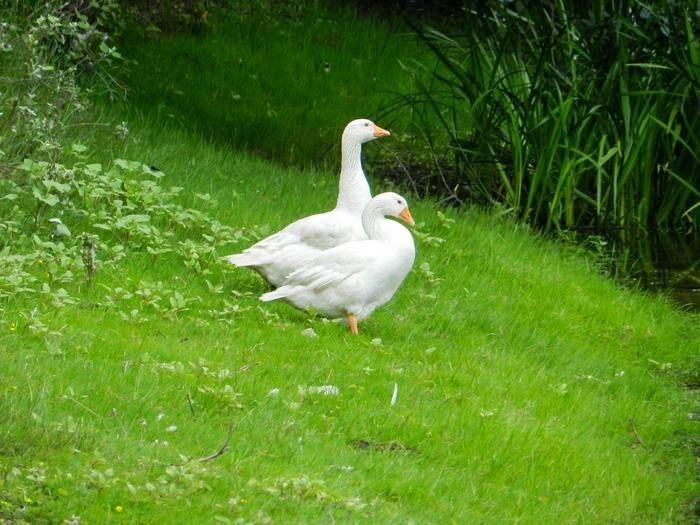
Photographing birds is incredibly difficult. Although they are the most numerous and most conspicuous vertebrates, they move far too quickly! Well, perhaps domestic birds are a little easier to photograph. This is a domestic goose, the domesticated form of the greylag goose (Anser anser).
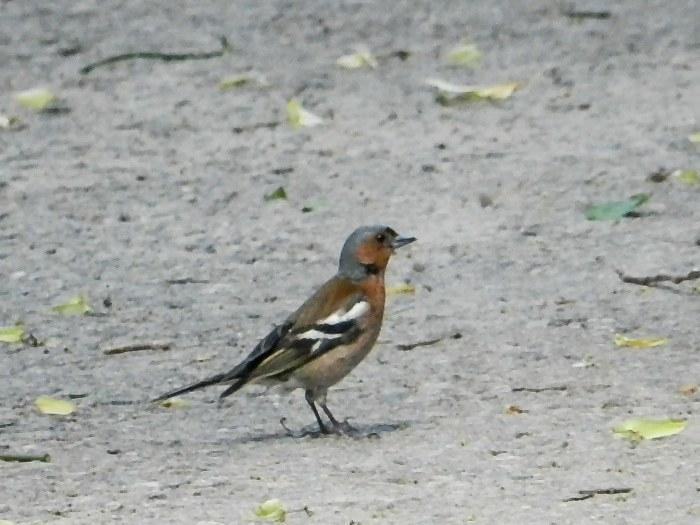
Even a chaffinch (Fringilla coelebs) only knows how to fly from one place to another. As soon as you get the camera out and turn it on, extend the lens... that's it, the opportunity is gone.
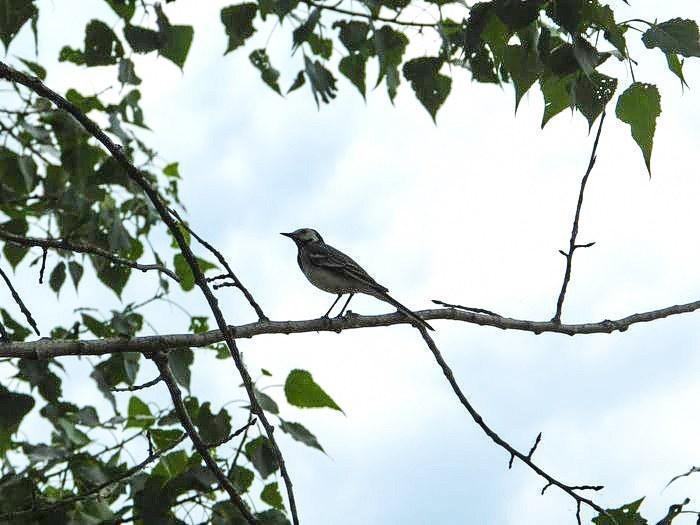
Among the easiest birds to photograph are white wagtails (Motacilla alba). More often than not they are seen not in trees but on the ground.
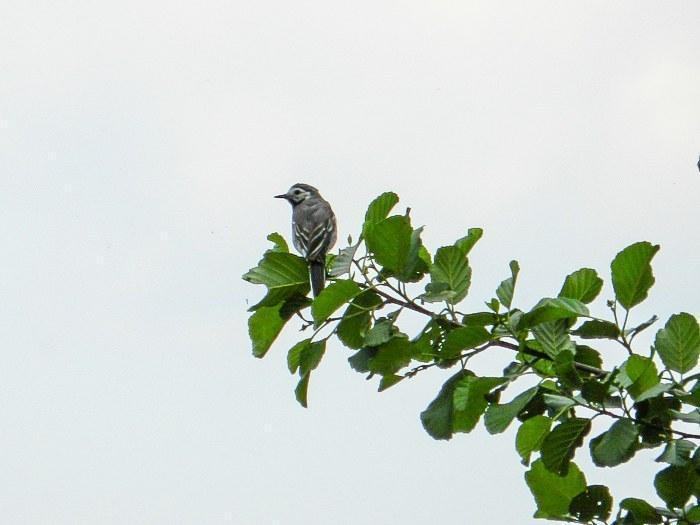
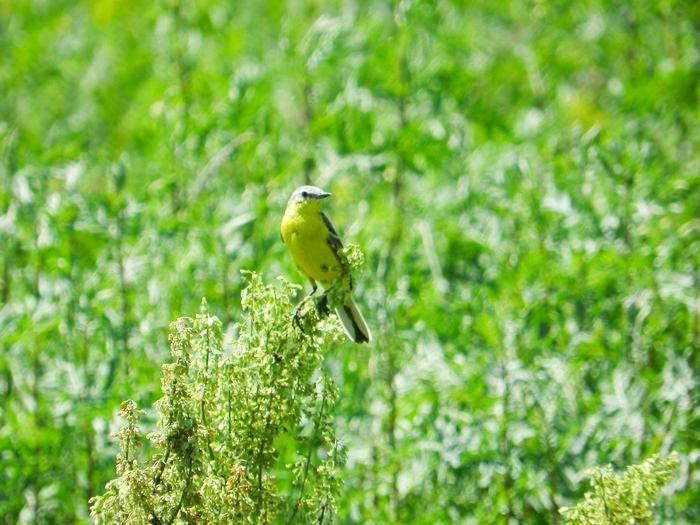
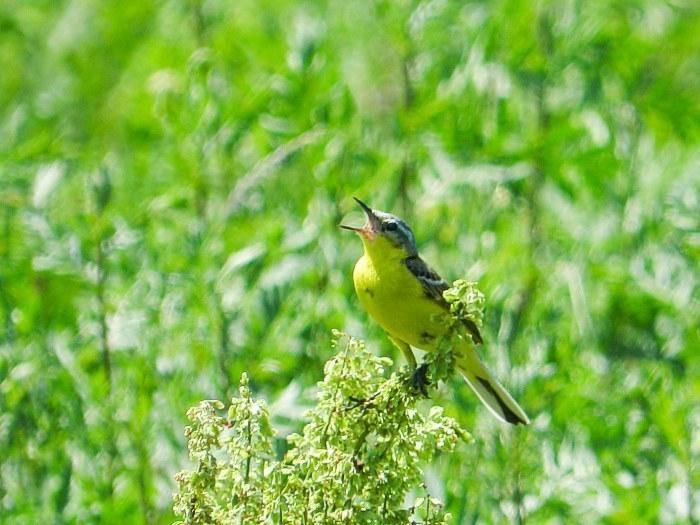
And this is a yellow wagtail (Motacilla flava).
In the forest there is a different problem.
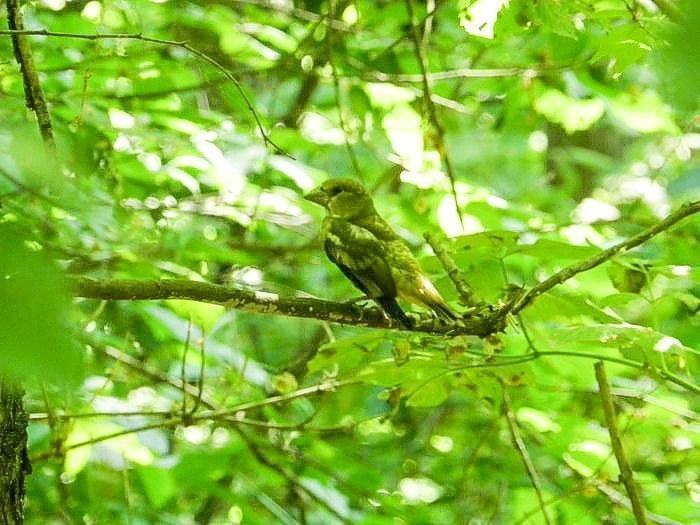
The subject is blocked by branches, and autofocus keeps locking onto the wrong thing.
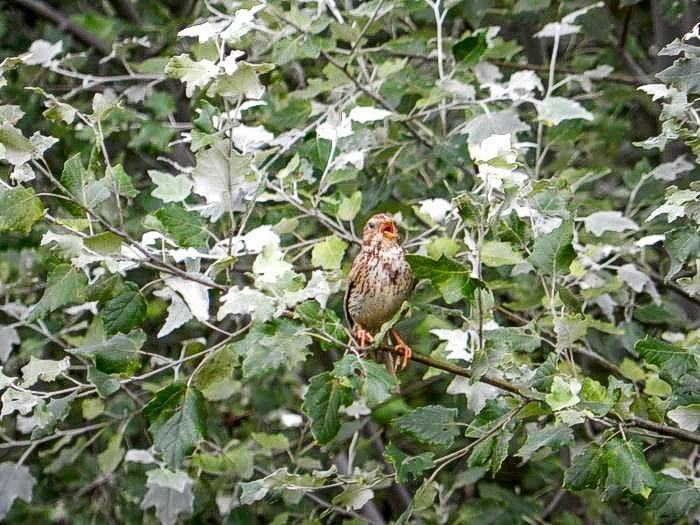
This is a hawfinch (Coccothraustes coccothraustes), probably - according to the specialists - a young bird. Its green color in the photograph is the result of the green light in the forest.
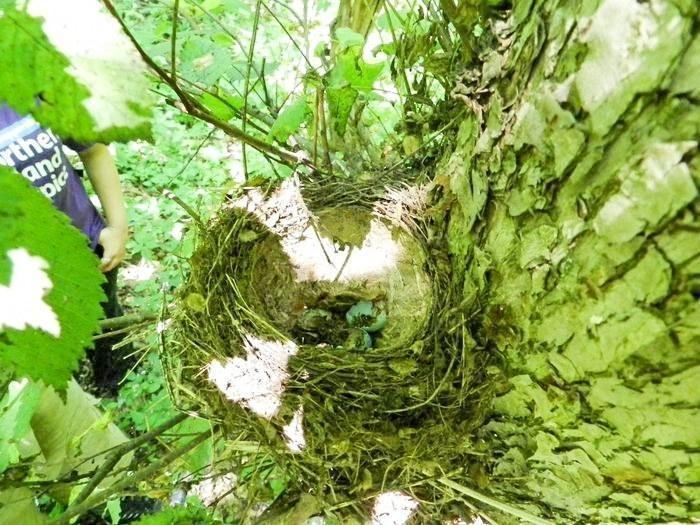
Song thrush nest (Turdus philomelos).
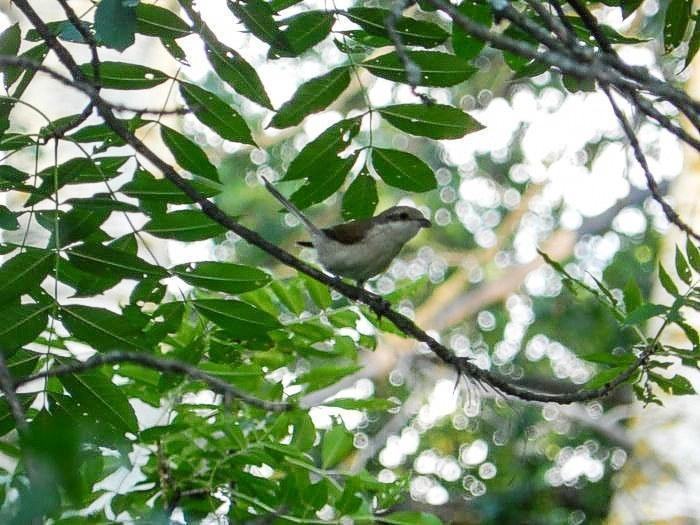
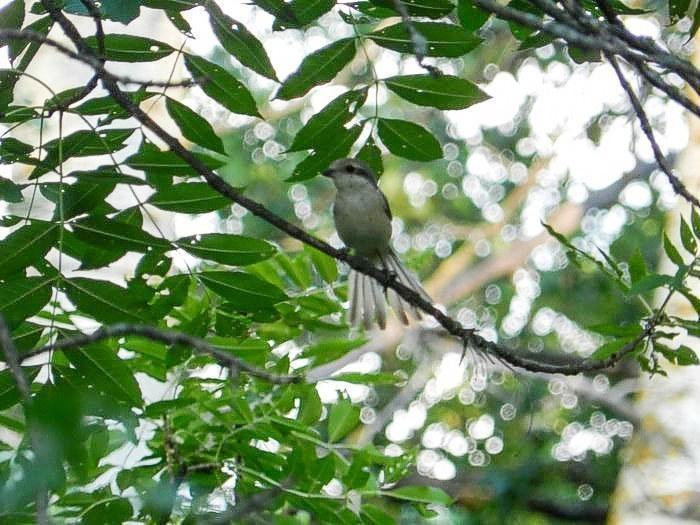
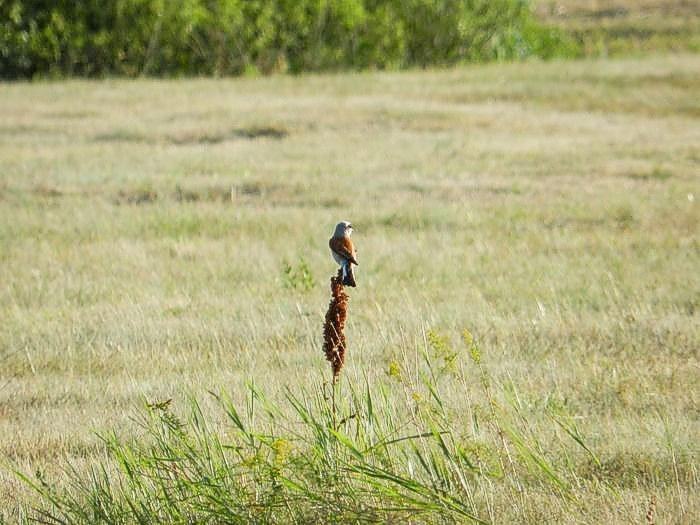
Right next to my cabin there was a red-backed shrike nest, Lanius collurio (it is exactly this nest that was photographed in the frame that won the photo contest). I was too shy to peek into it. Even just with me nearby, the parents were torn apart by agitation and the urge to divert my attention to themselves. The female was hopping through the branches, calling rhythmically and wagging her tail. And this is the male, surveying the floodplain from a suitable lookout (common butterbur, Rumex confertus). Birds of prey circle above the floodplain.
Another problem - you just cannot catch them in the frame and in focus!
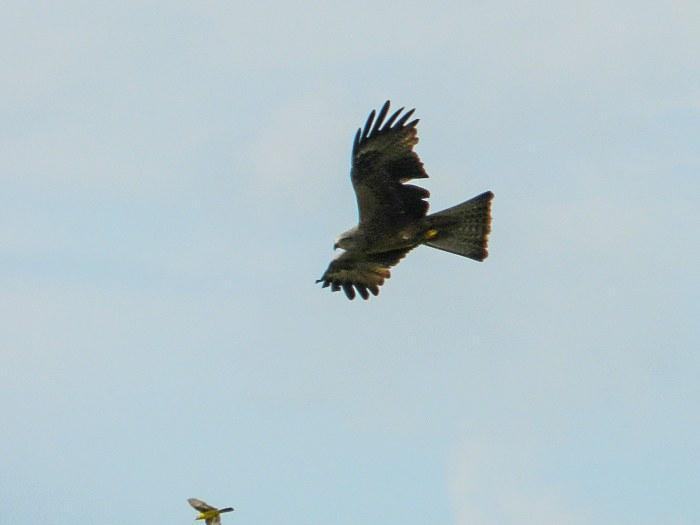
The ornithologists' council decided that this was a black kite (Milvus migrans).
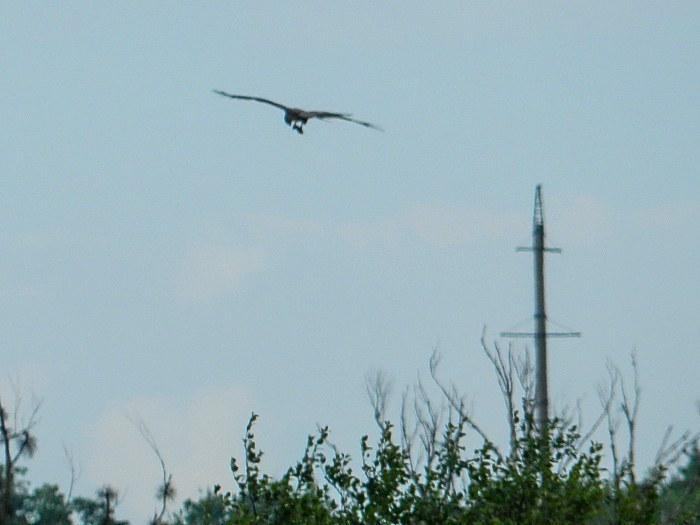
It seems to be attacking a small bird. But it seemed to me that this bird had picked up prey from the ground, and the ornithologists assured me that kites do not catch birds in flight.
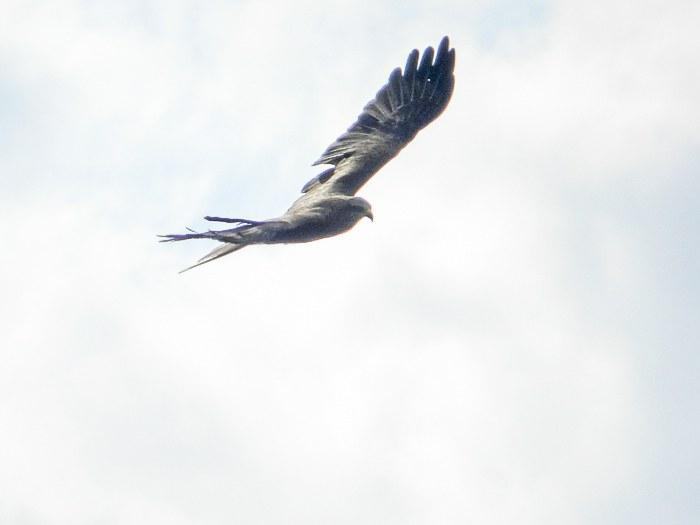
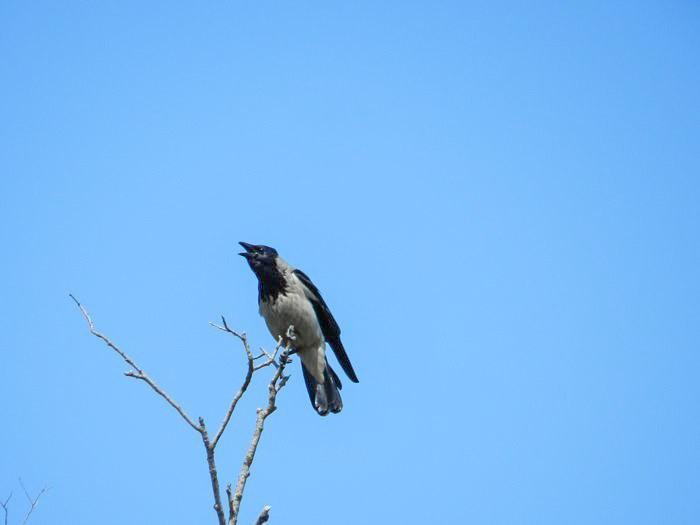
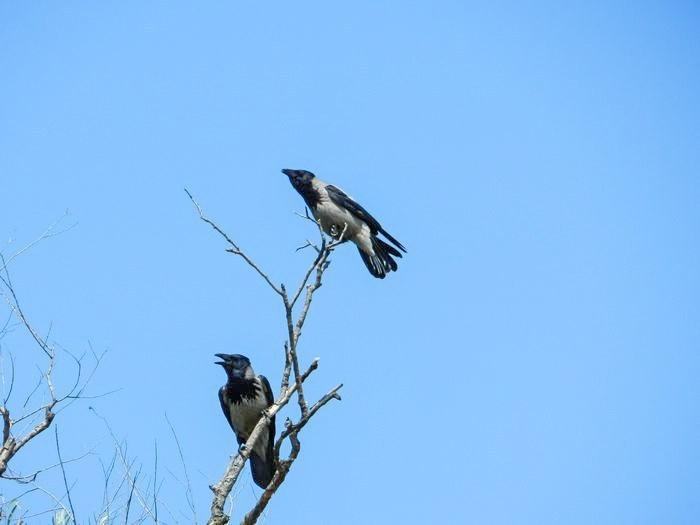
The small bird happened to be in its path by chance and simply hurried to fly off to the side to avoid trouble. Something is in the talons; it has picked it up from the ground. Gray crows (Corvus cornix) survey the floodplain from a dead tree. All right, where there are crows, let there also be house sparrows (Passer domesticus).
Does it really matter that these three photographs were not taken in Haidary?
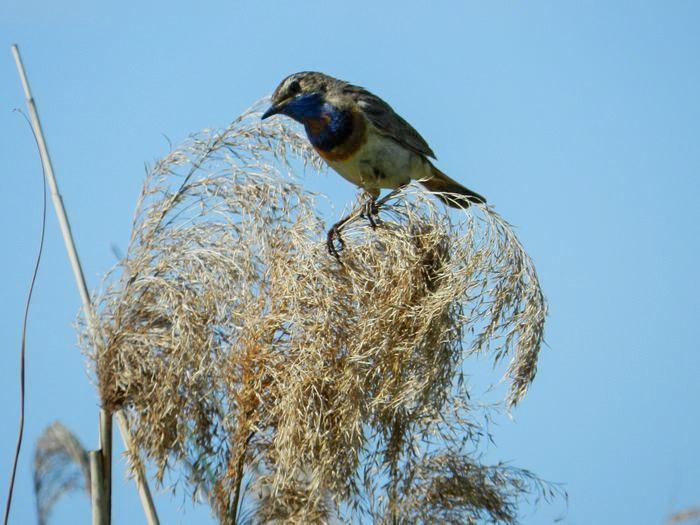
Bluethroat (Luscinia svecica).
I consulted the specialists about this bird.
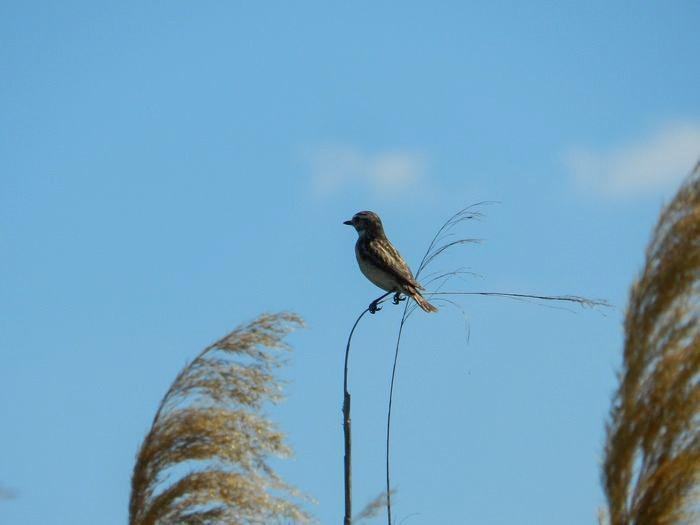
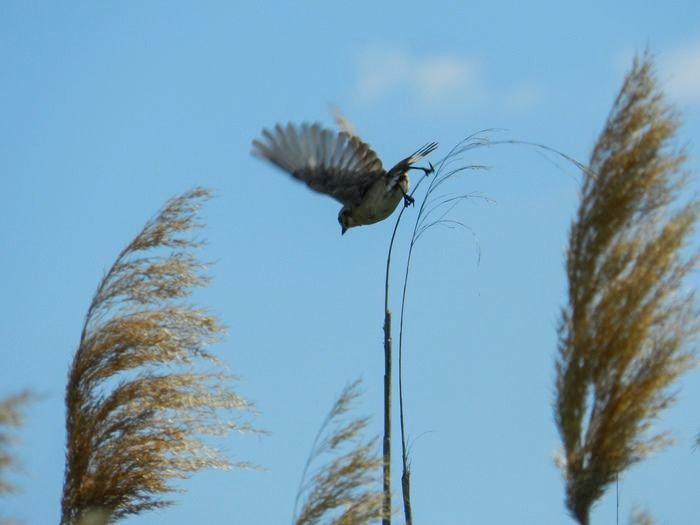
Meadow pipit (Saxicola rubetra).
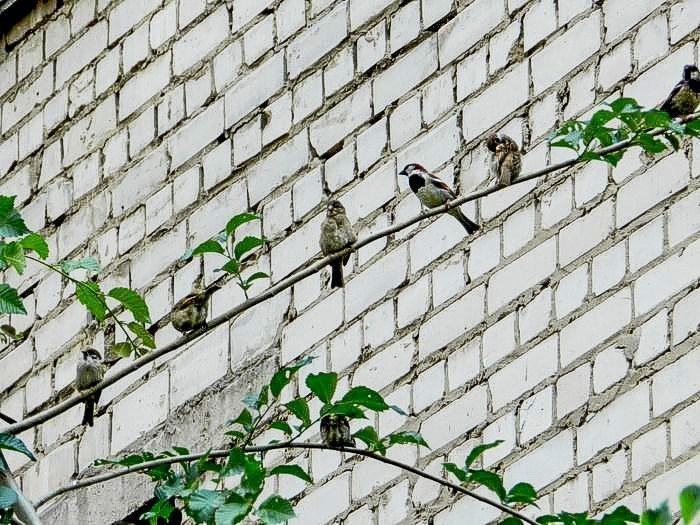
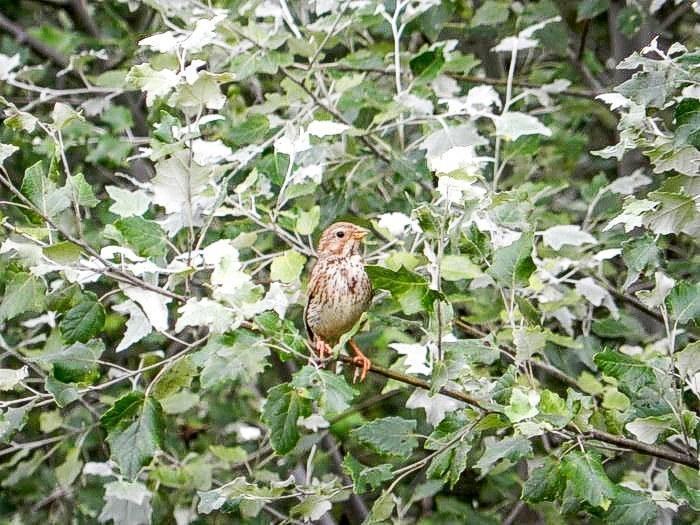
And this is a corn bunting (Emberiza calandra).
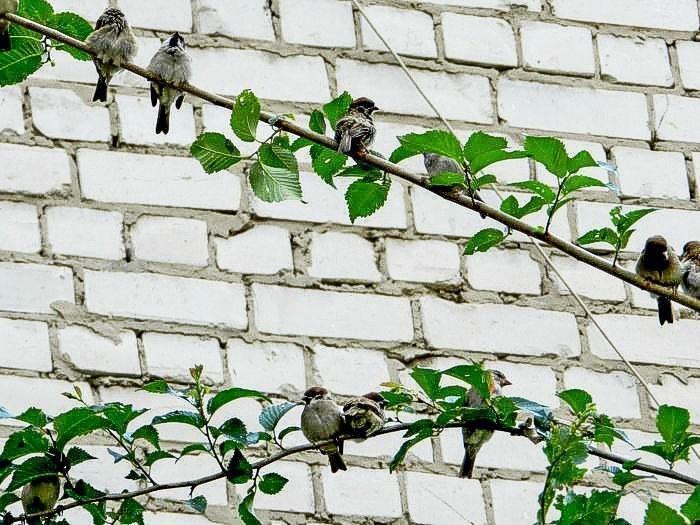
In most cases this event happens before I manage to get it in focus...
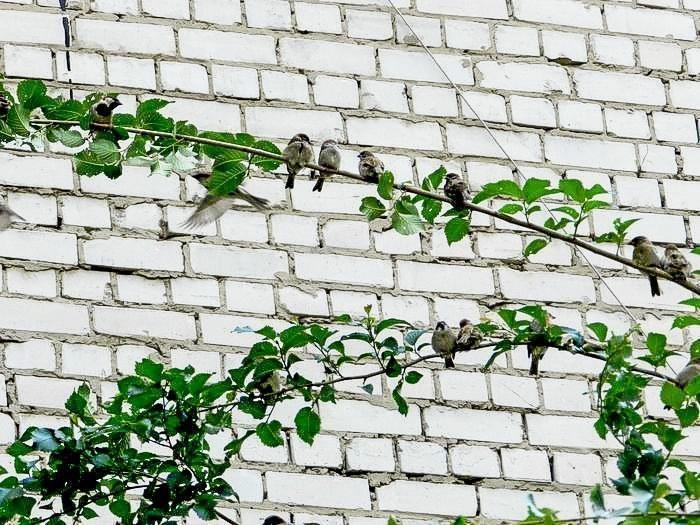
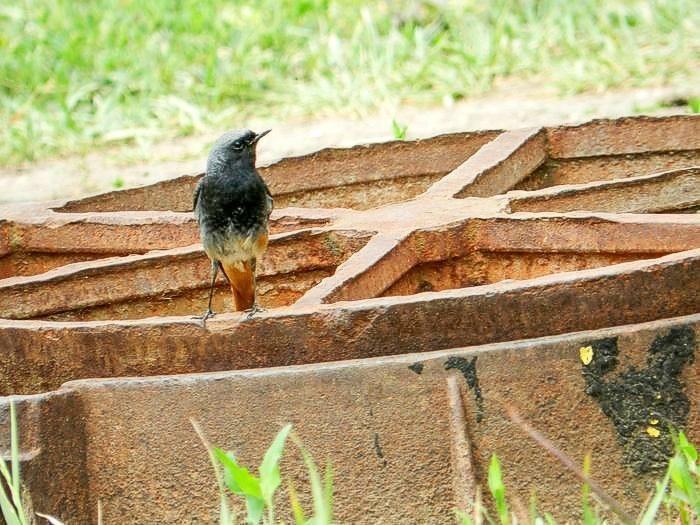
When I photographed this bird I was terribly surprised - it seemed to me I had never seen it before.
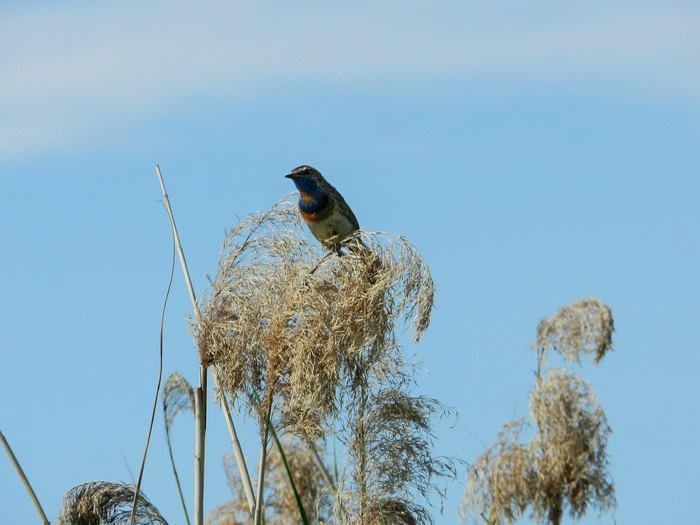
The ornithologists I asked were surprised by something else - the degree of my ignorance.
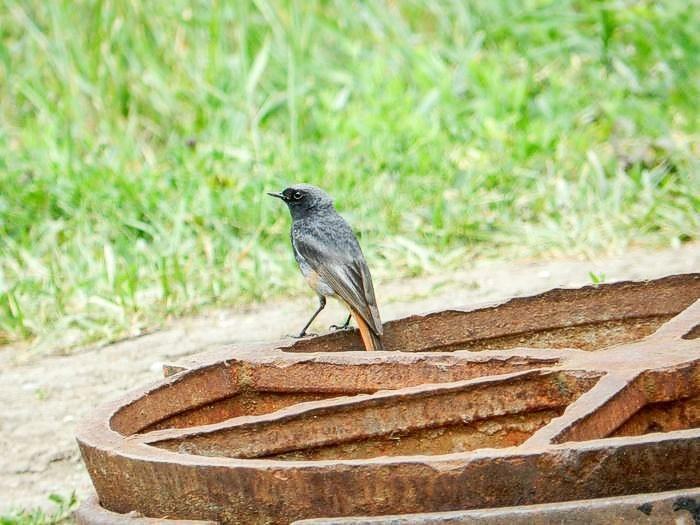
In any case, it is a black redstart (Phoenicurus ochruros).
It was photographed not in Haidary, of course, but I think there is nothing wrong if I place its photograph here.
And finally, several birds that I hunted specifically with my camera.
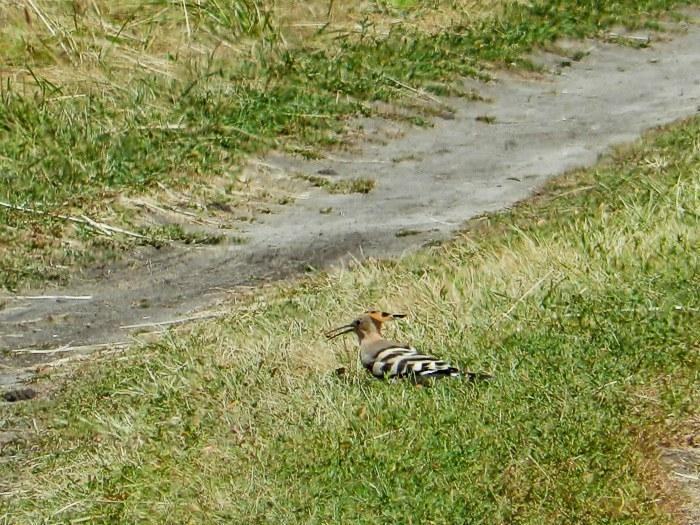
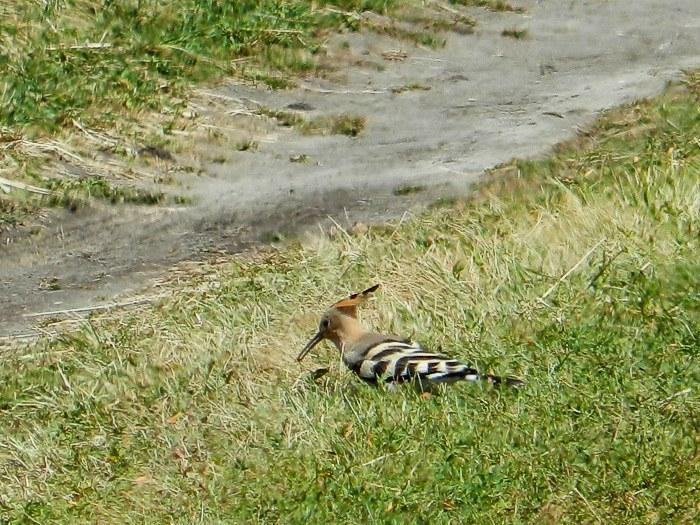
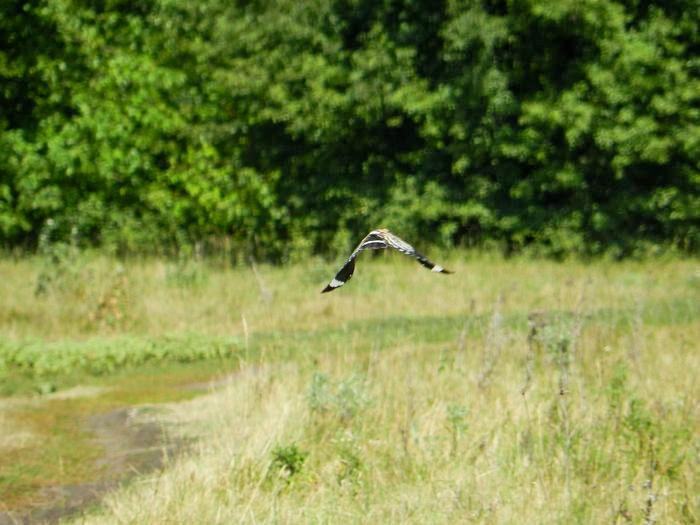
Hoopoe (Upupa epops).
A flying hoopoe looks like a large butterfly.
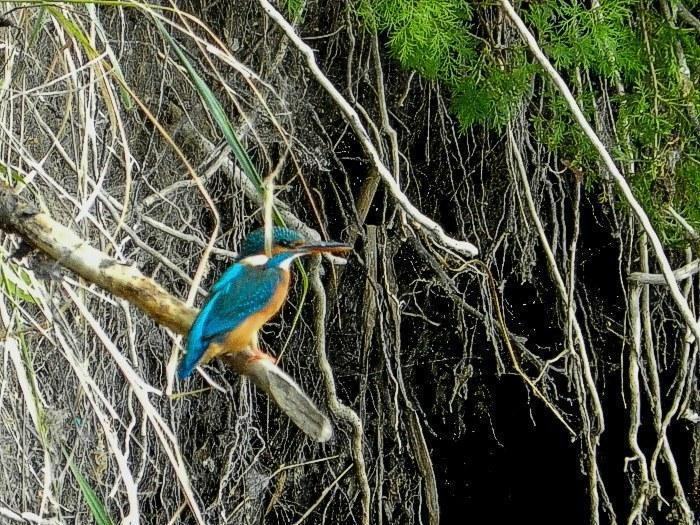
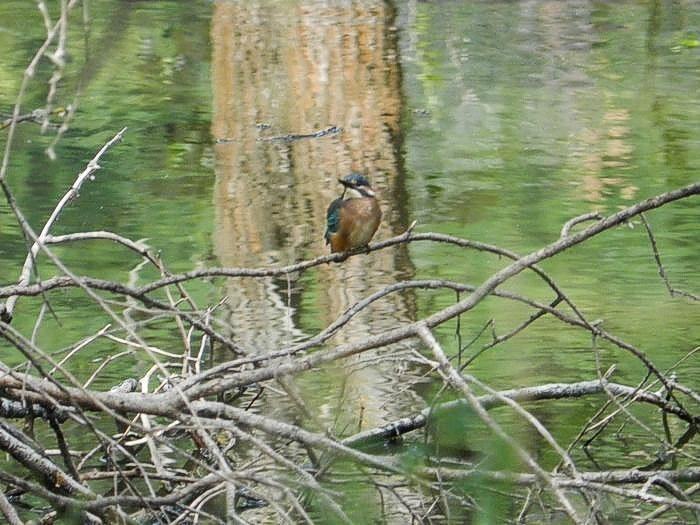
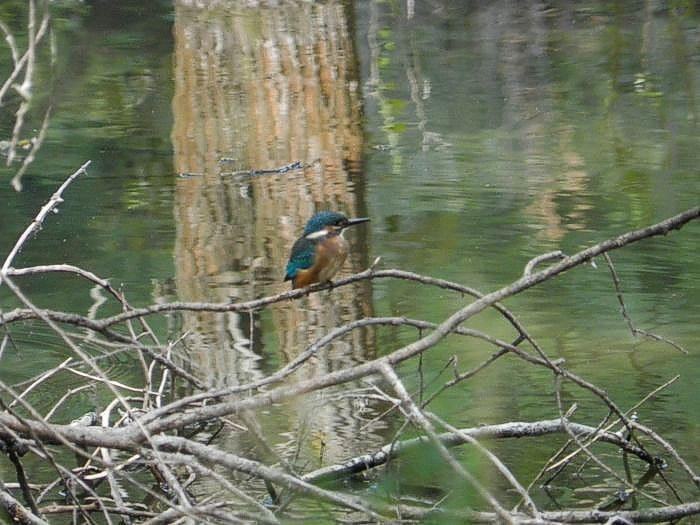
Kingfisher (Alcedo atthis).
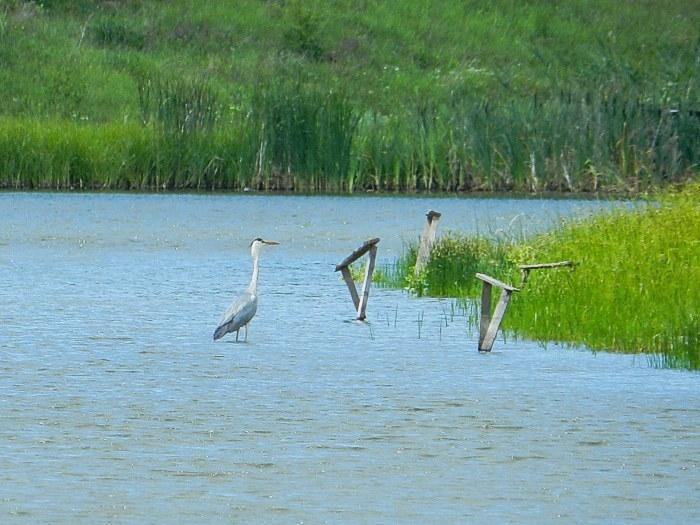
Grey heron (Ardea cinerea).
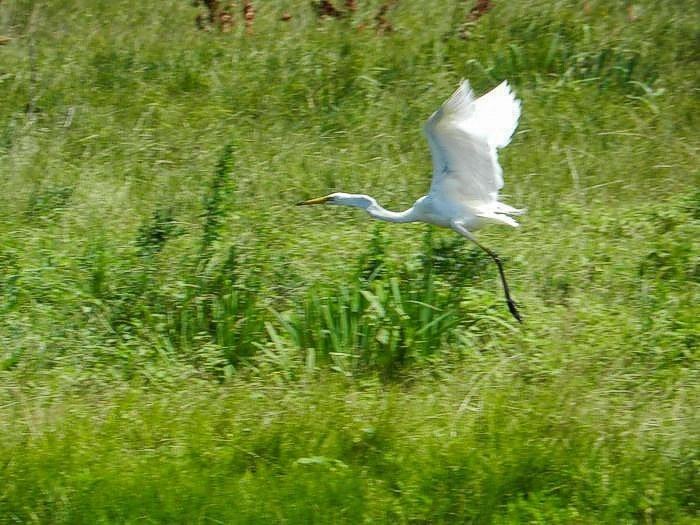
And finally, the little egret (Egretta alba or Ardea alba).