Wiki Page

Rhacophoridae

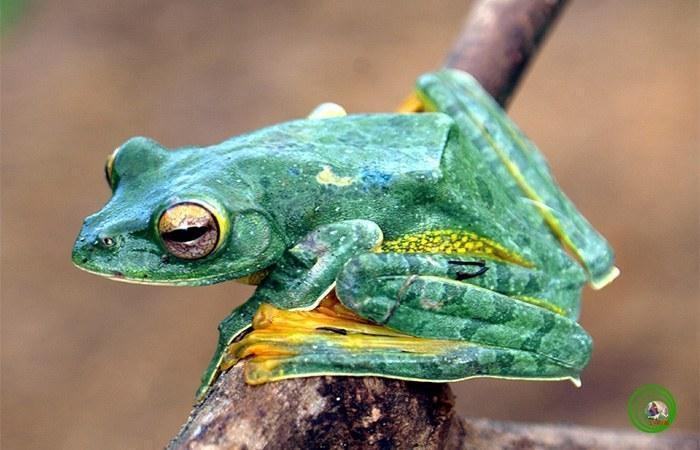
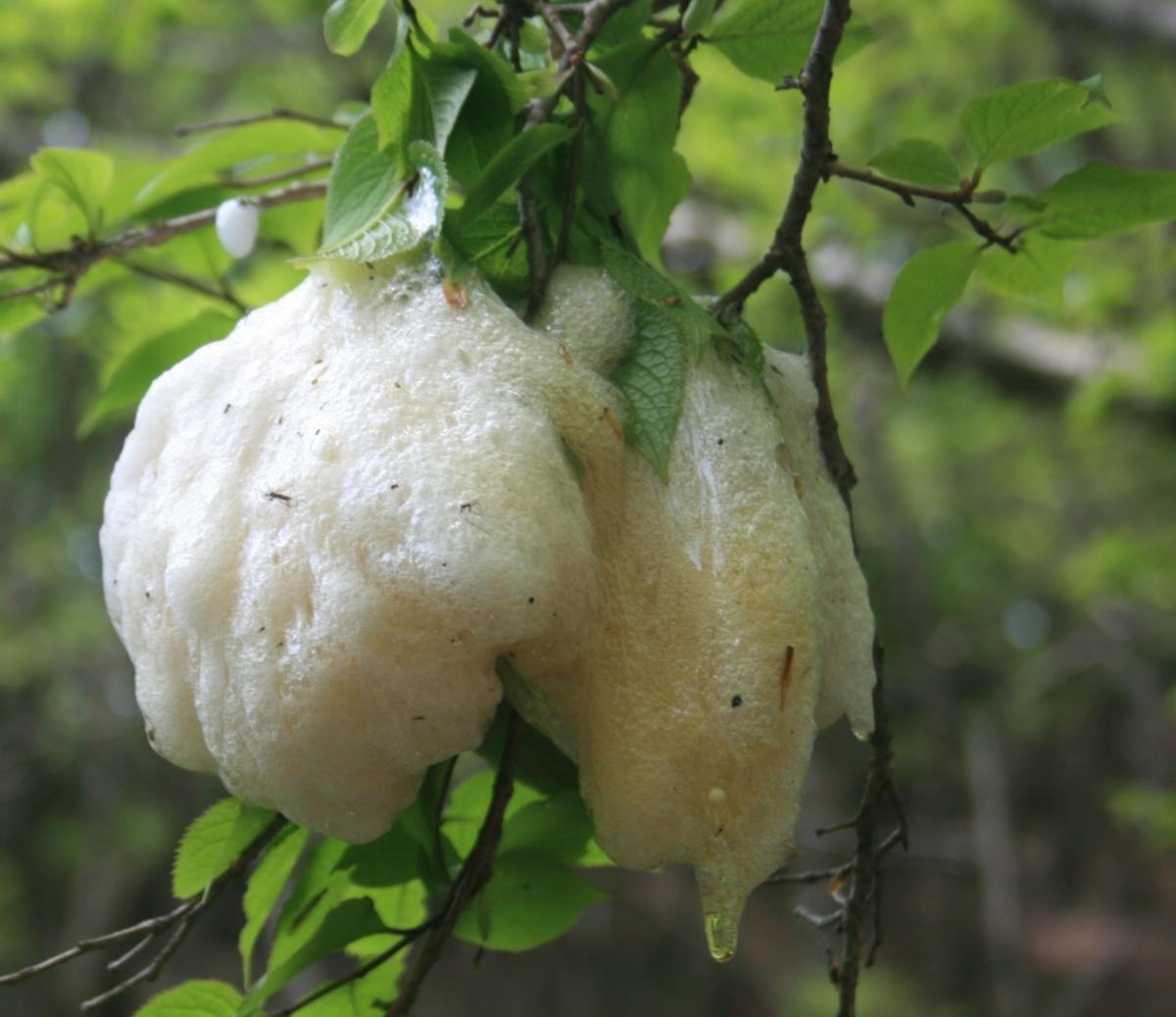
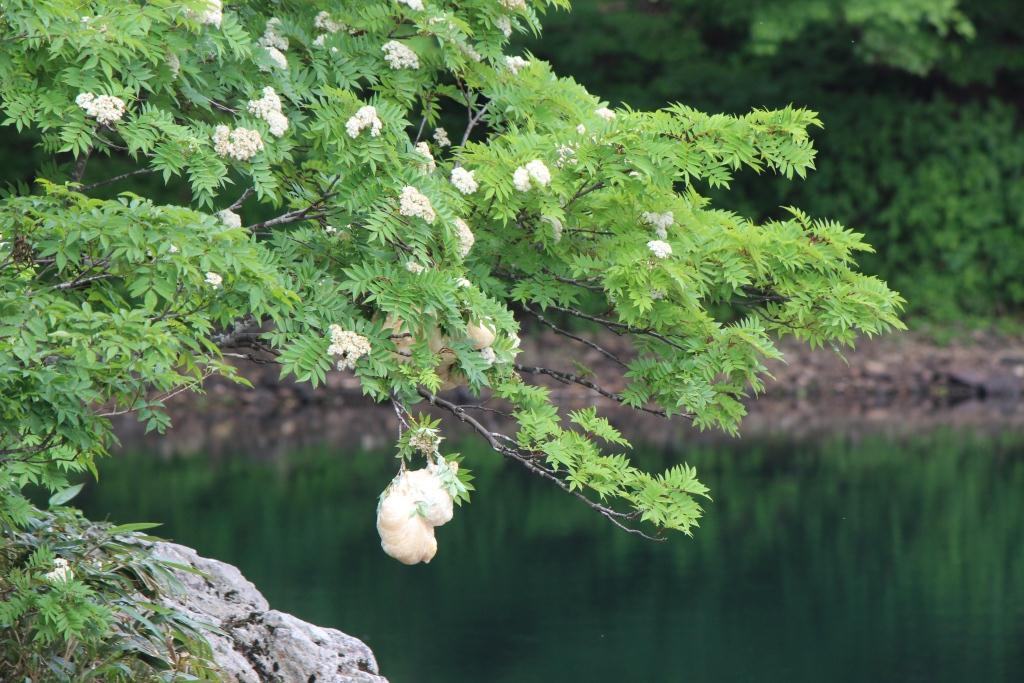
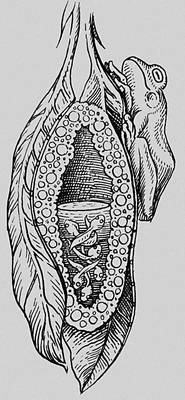
Rhacophoridae — Old World tree frogs — foam-nest tree frogs 19 genera, 367 species Subfamily Philautinae Subfamily Rhacophorinae A taxonomically controversial group in constant revision. Distributed in Central and Southern Africa, South and Southeast Asia, the Malay Archipelago, and Japan. Body size ranges from 15 mm to 12 cm. Family representatives show adaptations to arboreal life, such as body flattening (Fig. 1-4) and expanded terminal digital pads (Fig. 3, 5) used as adhesive discs. Some species have broad interdigital webbing (Fig. 6-7), allowing gliding from tree to tree. Large eyes with horizontal pupils are characteristic. Dorsal coloration ranges from green to brown, and from gray to black and white. Many species have bright coloration on flanks, belly, and inner thighs (Fig. 6-8), helping concealment after landing from a jump: predators focus on bright elements that disappear from view at landing. During reproduction, females of many species secrete fluid that is whipped by limbs into foam. Foam is used to build nests (Fig. 9-12), usually above water on branches and shoots hanging over water. After hatching, tadpoles leave the nest and fall into the water body. Fig. 1-4: External appearance of Rhacophorus dulitensis, Polypedates macrotis, Rhacophorus pardalis, and Theloderma corticale Fig.
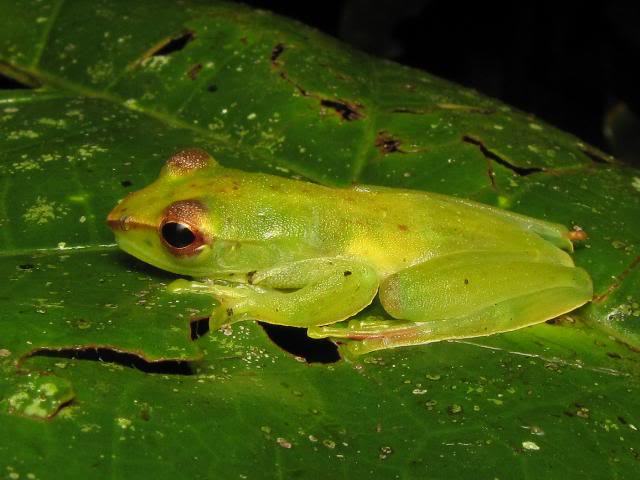
Рис. 1-4), і подушечки на кінцях пальців (Рис. 3, 5), що використовуються як присоски. У деяких видів є широка перетинка між пальцями (Рис. 6-7), що дозволяє планувати з дерева на дерево. Характерні великі очі з горизонтальними зіницями. Забарвленн

5: Limb of Polypedates dimbullae with characteristic adhesive pads Fig.
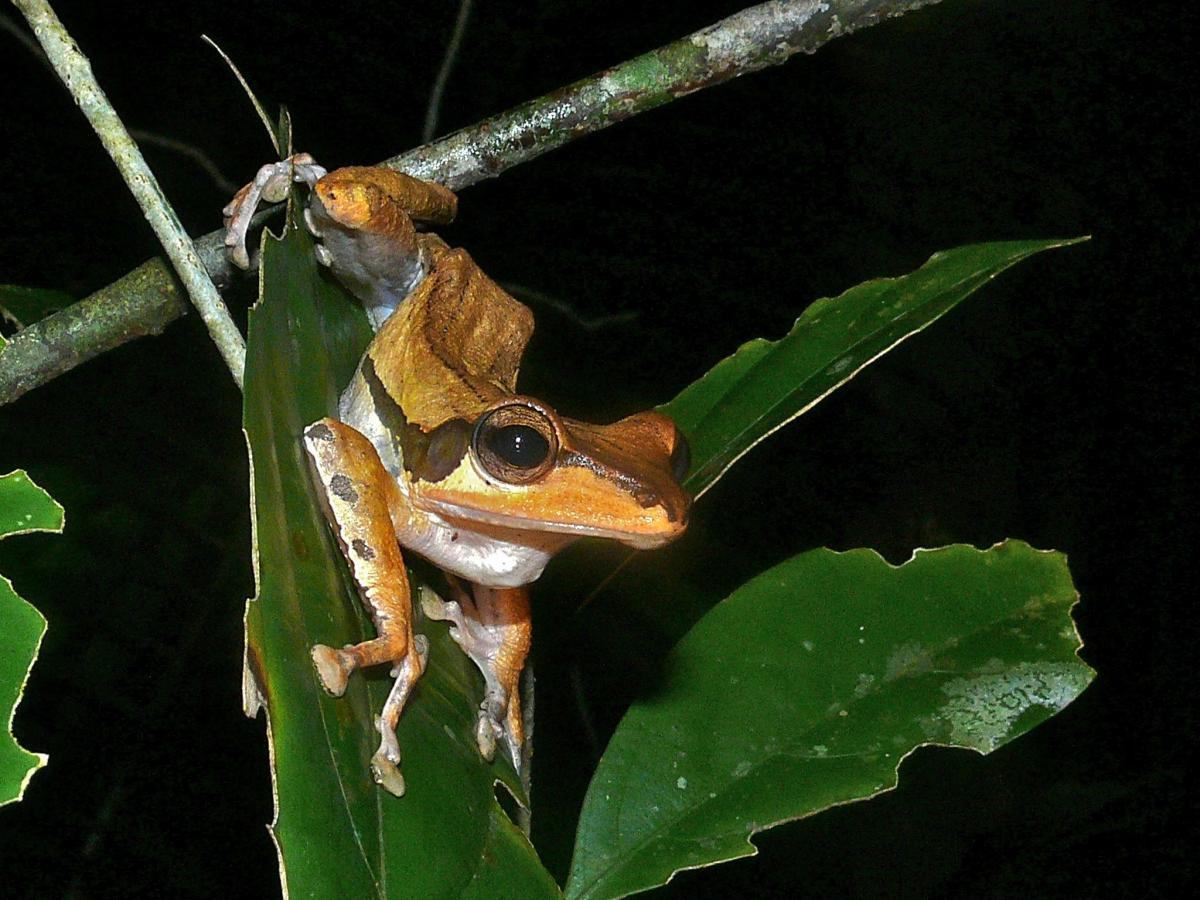
Рис. 3, 5), що використовуються як присоски. У деяких видів є широка перетинка між пальцями (Рис. 6-7), що дозволяє планувати з дерева на дерево. Характерні великі очі з горизонтальними зіницями. Забарвлення спини коливається від зеленого до кори

6-7: Rhacophorus nigropalmatus, in jump and at rest Fig.
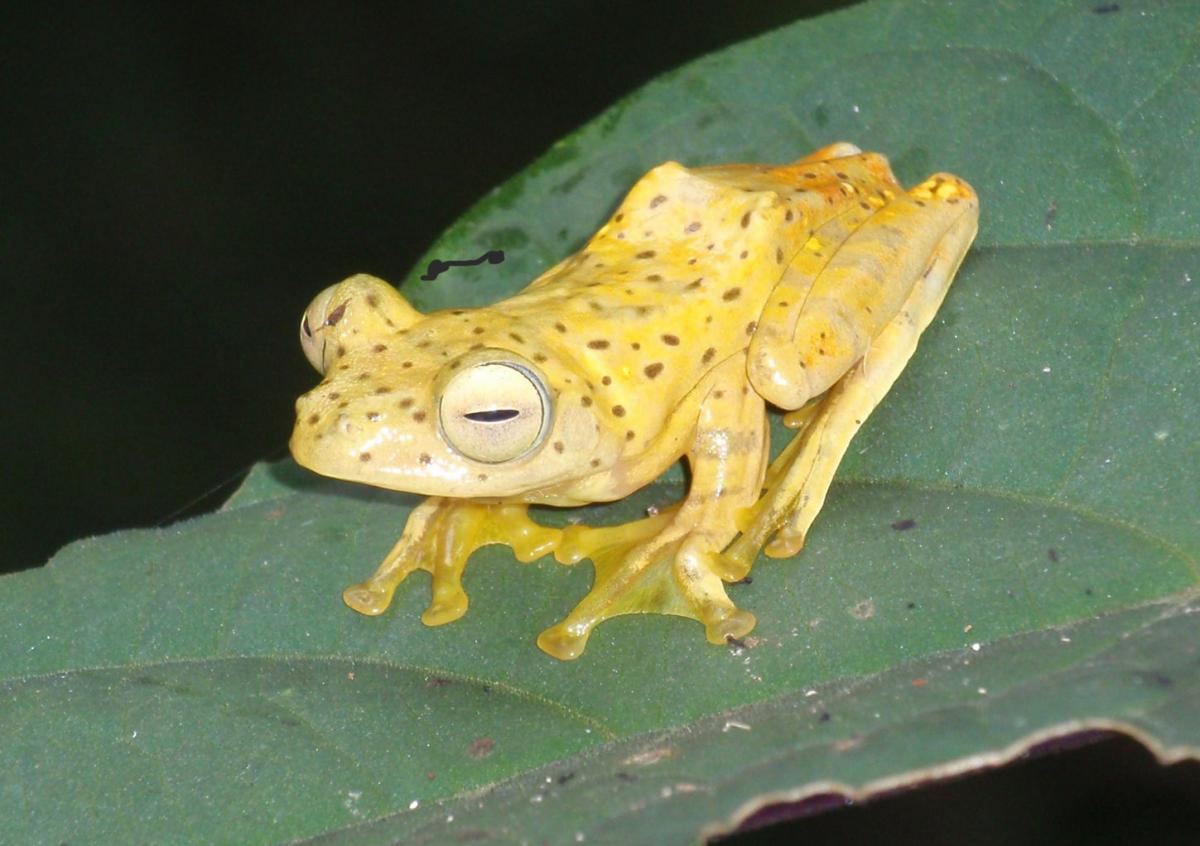
Рис. 6-8), що дозволяє їм ховатися від хижаків після стрибка, що пояснюється тим, що хижаки концентруються на яскравих елементах забарвлення, які зникають з їх поля зору в момент приземлення жаби. У момент розмноження самки багатьох видів виділяють

8: Bright flank and inner-limb coloration in Rhacophorus kio Fig.
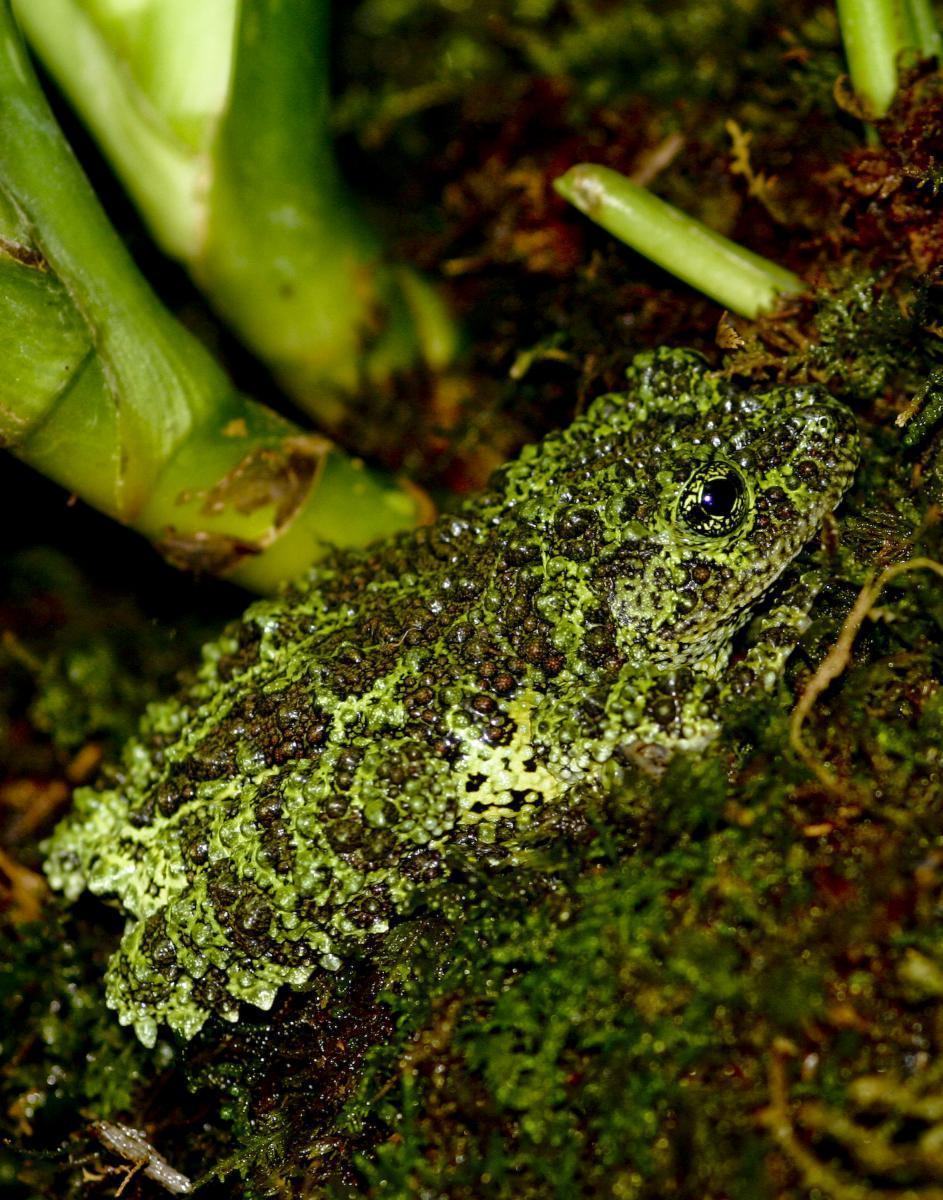
Рис. 5: Лапа Polypedates dimbullae з характерними подушечками-присосками

9-11: Nest of Rhacophorus arboreus and its appearance Fig.
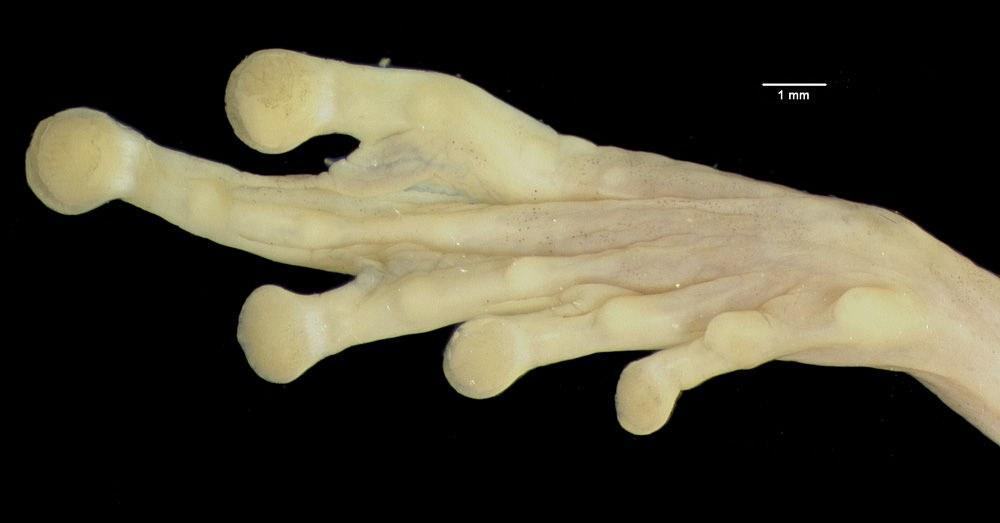
Рис. 6-7:Rhacophorus nigropalmatus, у стрибку та в стані спокою

12: Schematic of nest structure in rhacophorid frogs Sources https://amphibiaweb.org/index.html https://eol.org/ https://animaldiversity.ummz.umich.edu/
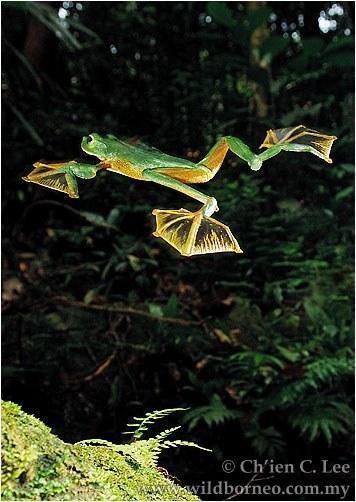
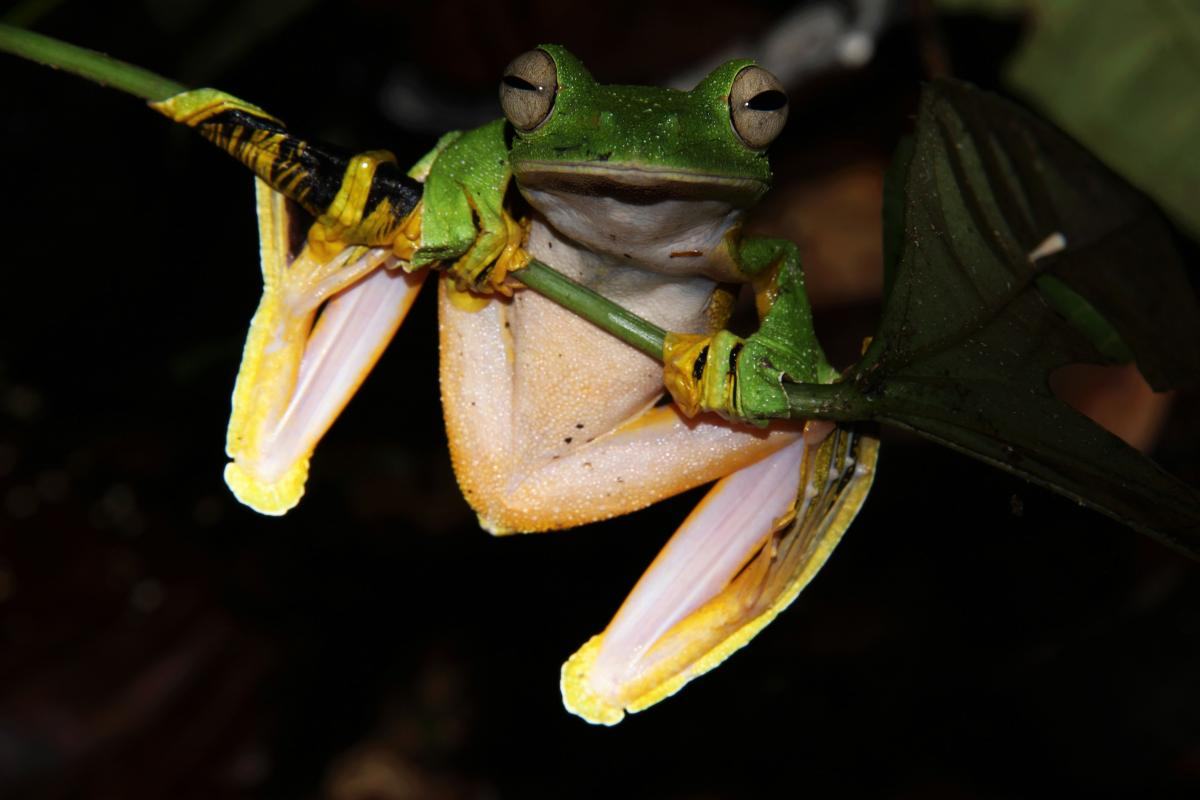
Рис. 9-12), зазвичай розташовані над водою на гілках та пагонах рослин, що звисають над водою. Після виходу з ікринок пуголовки залишають гніздо, і падають у водойму. Рис. 1-4: Зовнішній вигляд Rhacophorus dulitensis, Polypedates macrotis, Rhacophor

Рис.8: Яскраве забарвлення боків та внутрішнього боку лап Rhacophorus kio

Рис.9-11: Гніздо Rhacophorus arboreus, і її зовнішній вигляд

Рис. 5: Лапа Polypedates dimbullae з характерними подушечками-присосками Рис. 6-7:Rhacophorus nigropalmatus, у стрибку та в стані спокою Рис.8: Яскраве забарвлення боків та внутрішнього боку лап Rhacophorus kio Рис.9-11: Гніздо Rhacophorus arbore

Рис. 5: Лапа Polypedates dimbullae з характерними подушечками-присосками Рис. 6-7:Rhacophorus nigropalmatus, у стрибку та в стані спокою Рис.8: Яскраве забарвлення боків та внутрішнього боку лап Rhacophorus kio Рис.9-11: Гніздо Rhacophorus arbore

Рис. 6-7:Rhacophorus nigropalmatus, у стрибку та в стані спокою Рис.8: Яскраве забарвлення боків та внутрішнього боку лап Rhacophorus kio Рис.9-11: Гніздо Rhacophorus arboreus, і її зовнішній вигляд Рис. 12: Схема гнізда у веслоногих жаб