Rhinophrynidae
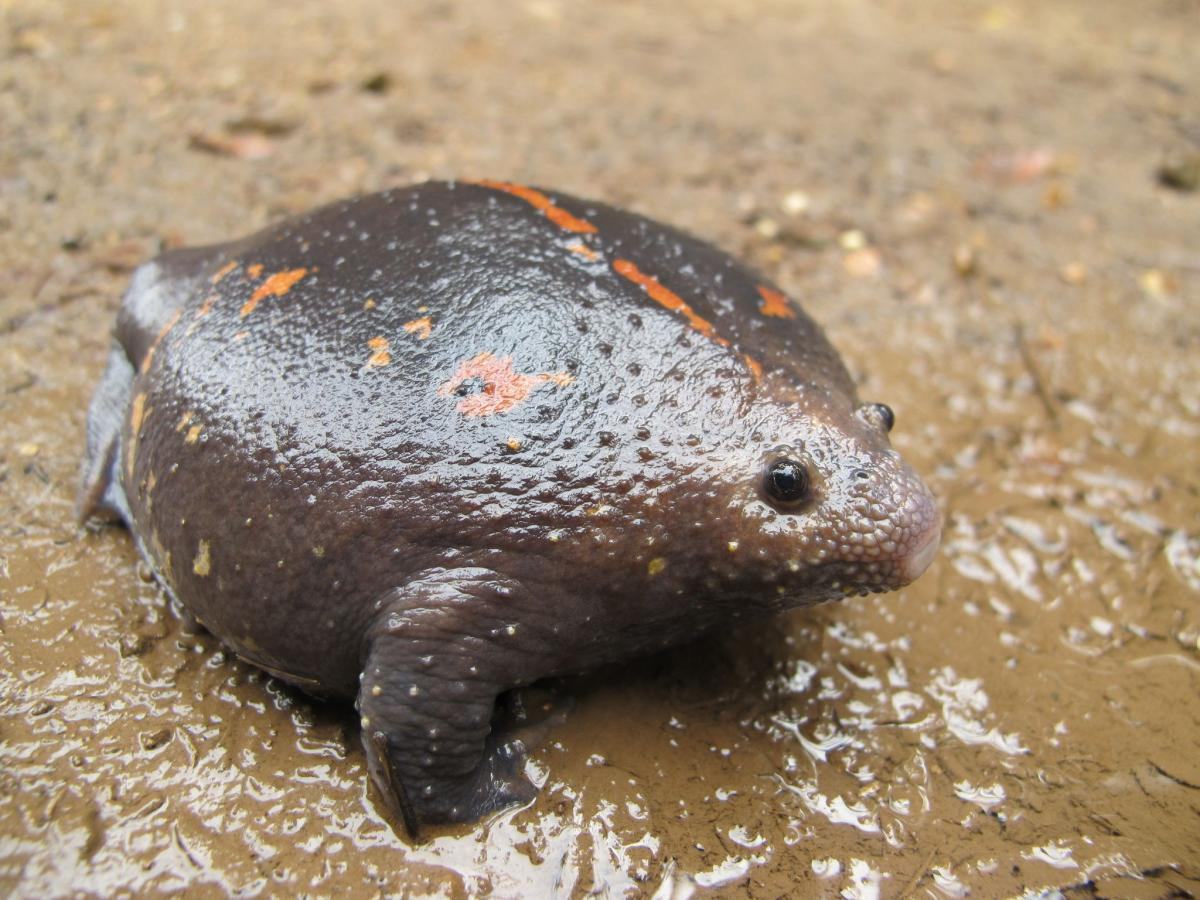
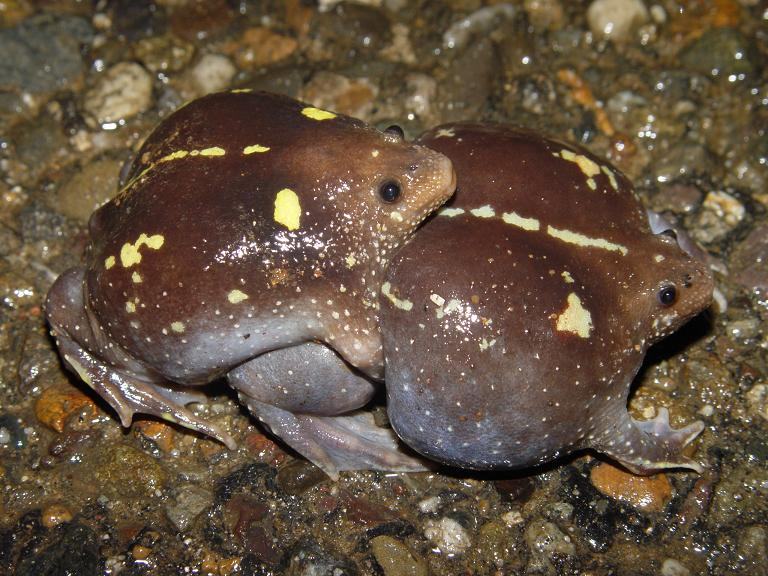
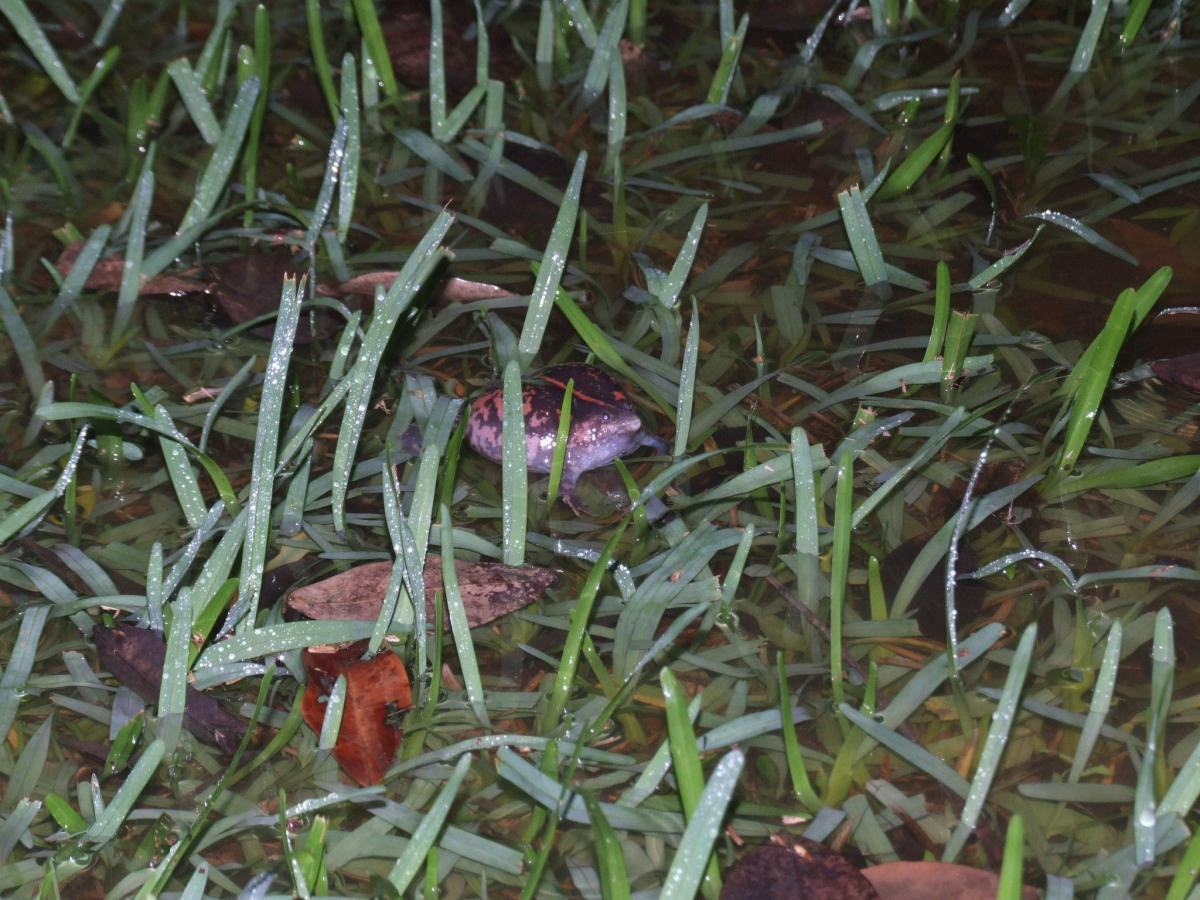
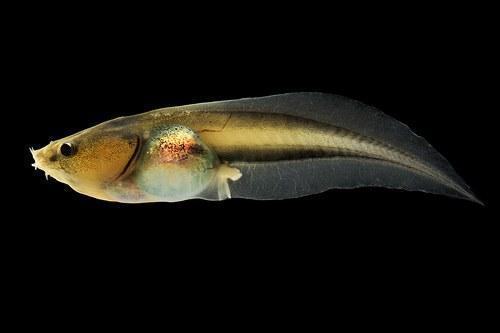
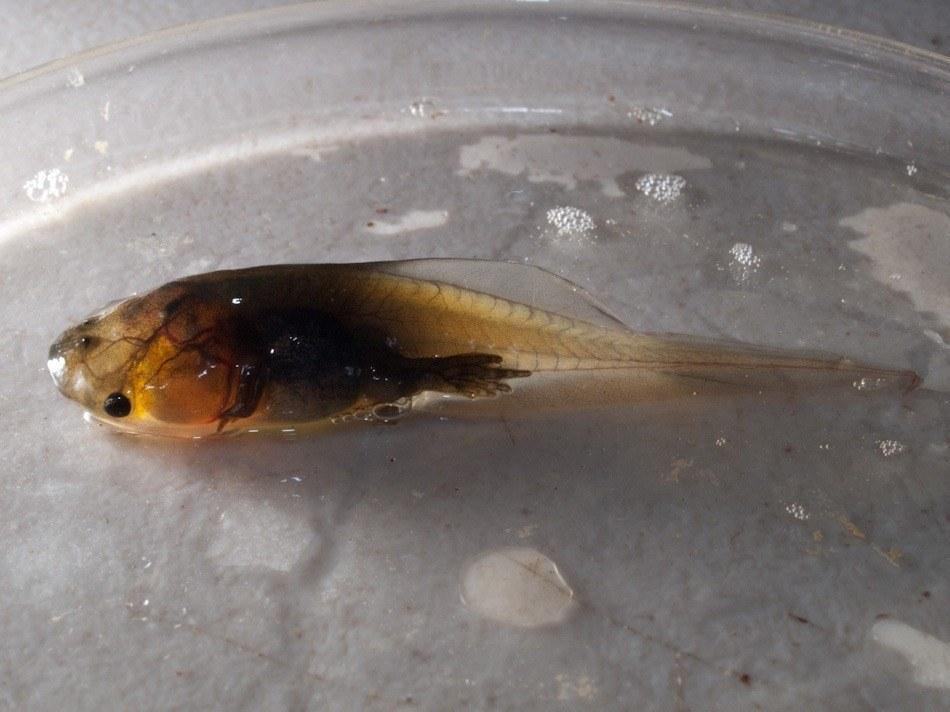
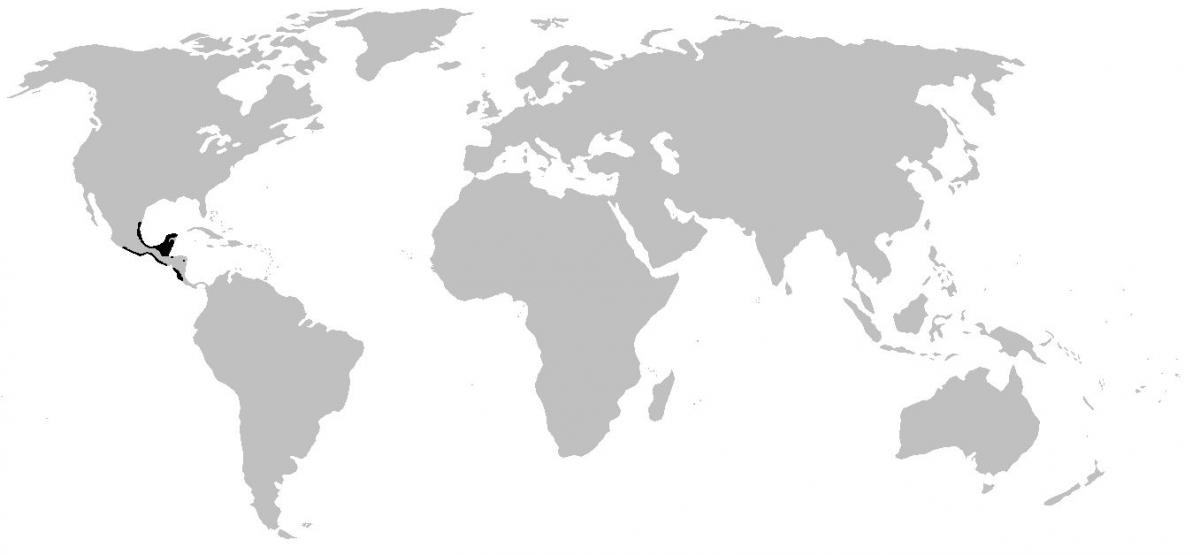
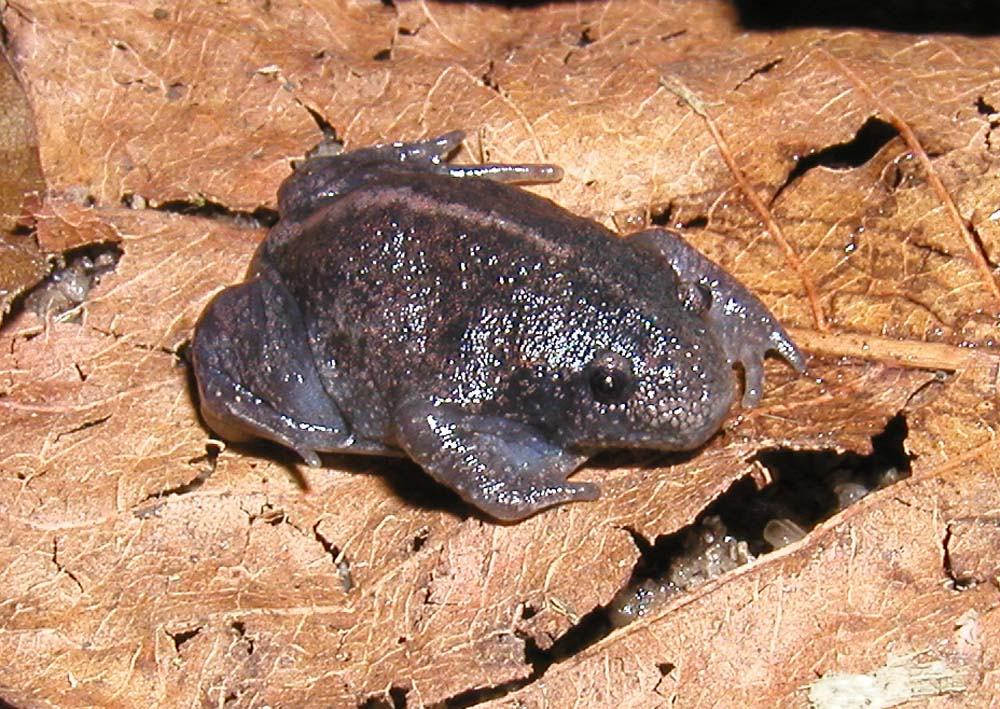
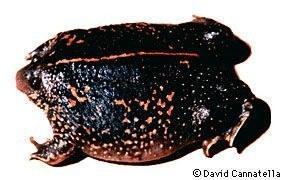
Rhinophrynidae – Mexican burrowing toads Genus Chelomophrynus Species Chelomophrynus bayi – Fossil, Middle Eocene, Wyoming Genus Eorhinophrynus Species Eorhinophrynus septentrionalis – Fossil, Middle Eocene, Wyoming Genus Rhadinosteus Species Rhadinosteus parvus – Fossil, Jurassic, Utah Genus Rhinophrynus Species Rhinophrynus canadensis – Fossil, Oligocene, Canada Species Rhinophrynus dorsalis The only extant representative of the family is Rhinophrynus dorsalis, commonly known as the Mexican burrowing toad. It is distributed across Central America and the southern part of North America (Fig. 1). Adults reach up to 8.5 cm in length; the head is small and elongated, the eyes are small, the tympanum is hidden beneath the skin, the tongue is mobile only at its tip, the legs are short with a hardened tubercle on the plantar surface, and the coloration is brownish with a yellow stripe along the back (Fig. 2–4). They inhabit arid environments, living underground; surface activity occurs at night and after rainfall, and they are proficient burrowers. They feed primarily on ants and termites, burrowing into their colonies and collecting prey with their tongue. The mouth opens only slightly — much like in anteaters, there is only a small opening through which they extend the tongue. Reproduction occurs after rains; individuals gather in small water bodies for breeding (Fig. 5–6) and may travel considerable distances to find them. Given suitable conditions, they can breed at any time of year. The tadpole (Fig. 7–8) completes development within up to three months and feeds by filter feeding. Due to the presence of paired nostrils, this family is considered closely related to the pipids (Pipidae). Fig. 1: Range of Rhinophrynus dorsalis Fig.
2–4: Appearance of Rhinophrynus dorsalis Fig.
5–6: Reproduction of Rhinophrynus dorsalis Fig.
7–8: Tadpoles of Rhinophrynus dorsalis Sources: https://tolweb.org/tree/phylogeny.html https://animaldiversity.ummz.umich.edu/ https://eol.org/ https://amphibiaweb.org/ https://en.wikipedia.org