April 5, 2012. Iskiv Pond and Koryakiv Ravine (photo report)
The spawning season of common toads is approaching. This is a report from a scouting trip. We caught the very, very beginning... Continuation is here.
Everything is still bare...
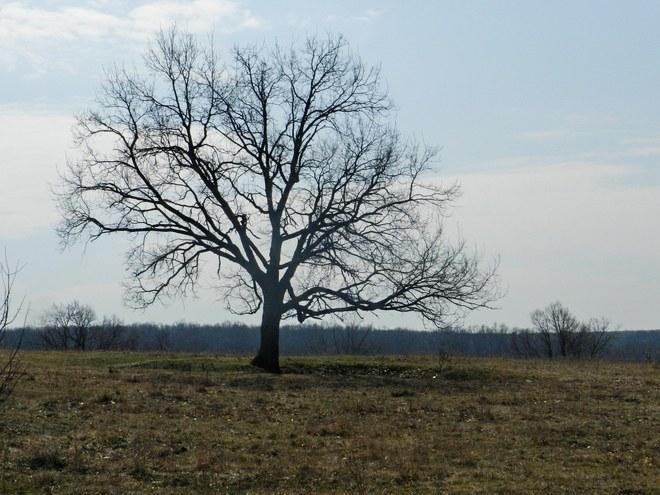
But the day was warm and clear.
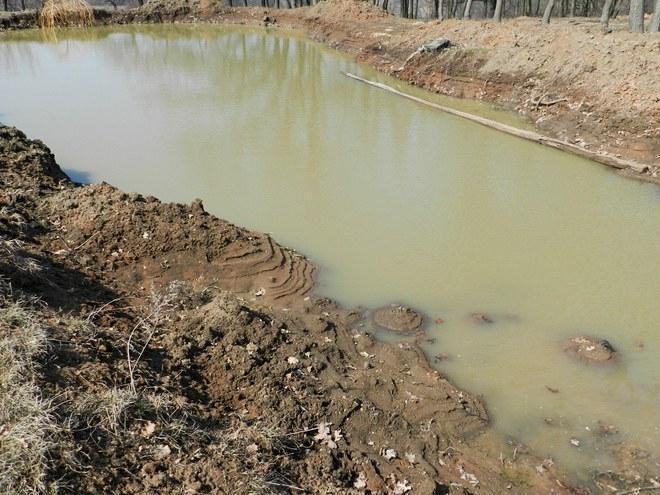
The dugout pond near the forester's house is being filled, and then it gradually empties, creating terraces along the banks.
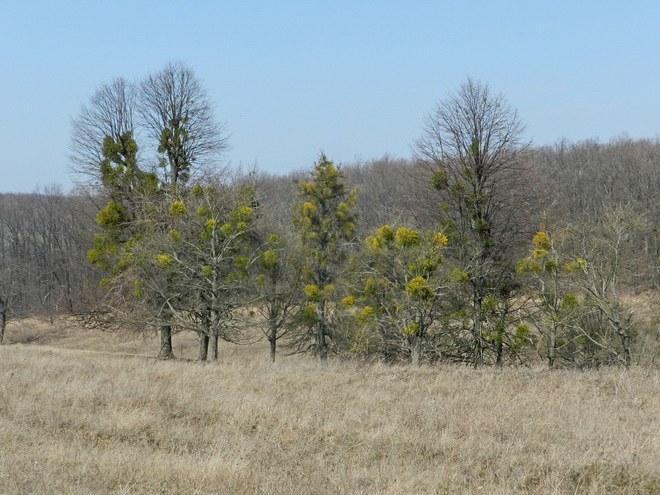
Mistletoe is the most vigorously green of all.
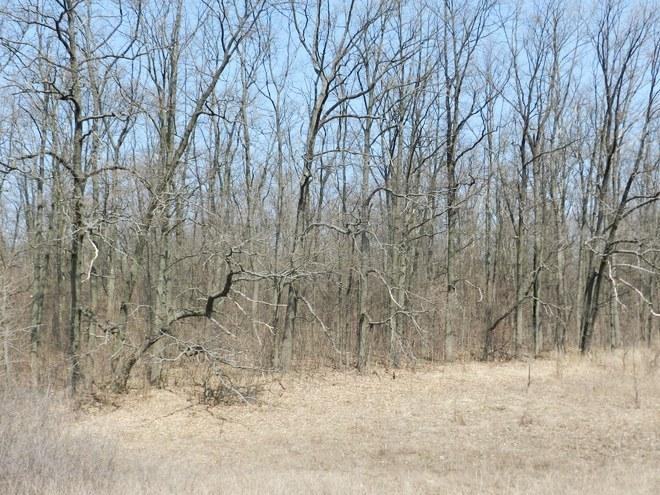
The edge of the forest. Usually the forest boundary is reinforced by shrubs that keep dry air from entering the forest. Here there are no shrubs, and each tree extends a branch forward that will block the penetration of dry air from the meadow.
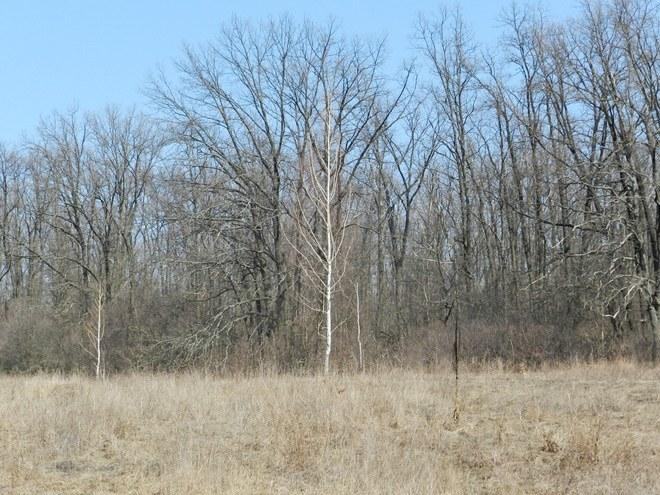
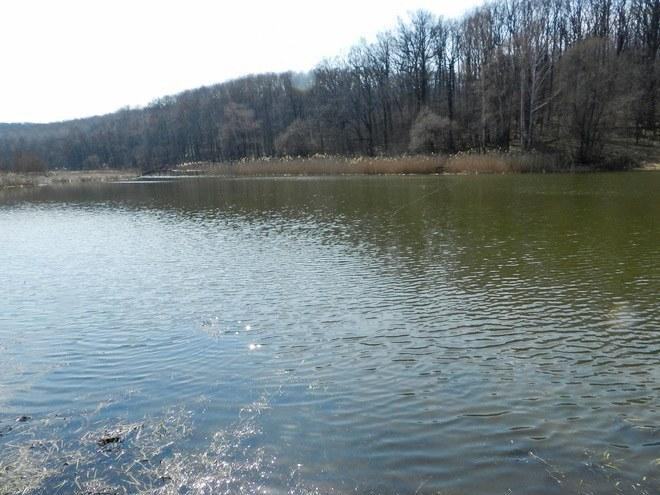
Trees in the open have quite different silhouettes (although here, of course, the difference between species is also apparent). Iskiv Pond has alarmingly little water.
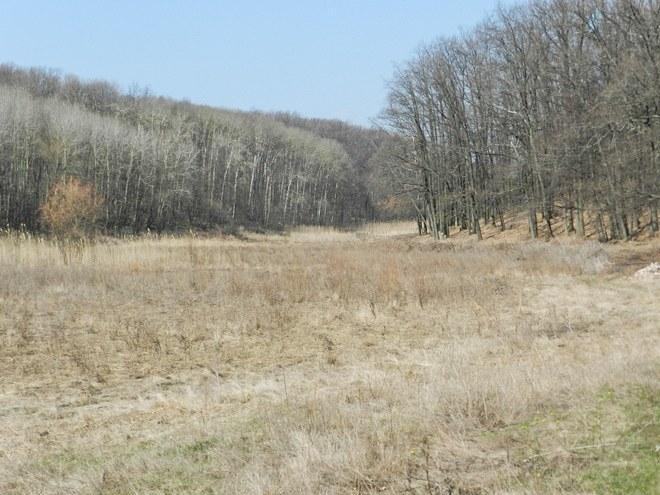
It used to be deep here...
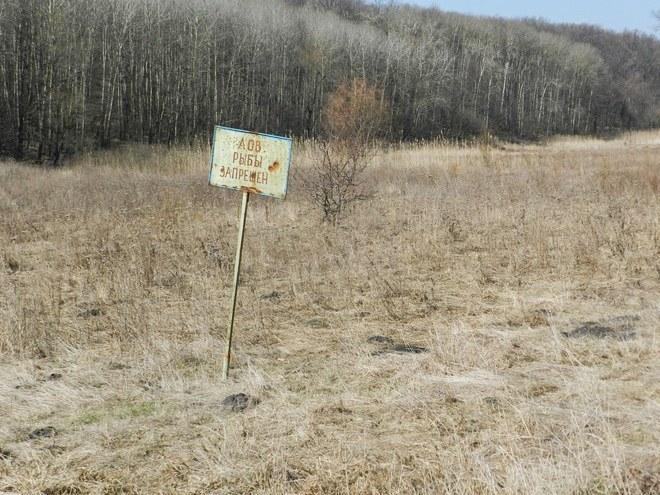
Fishing here would not be easy.
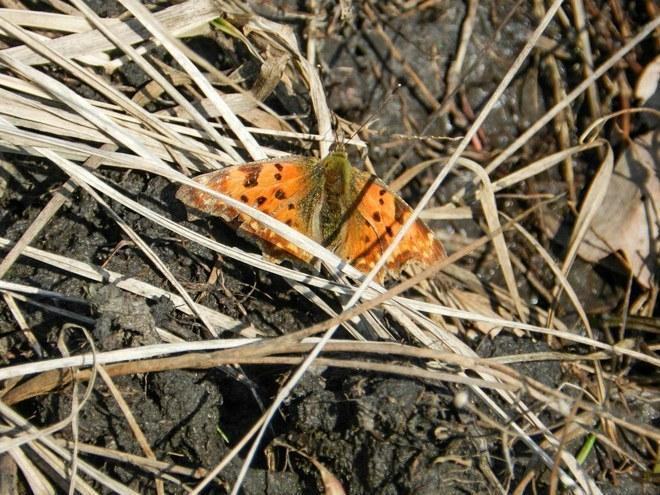
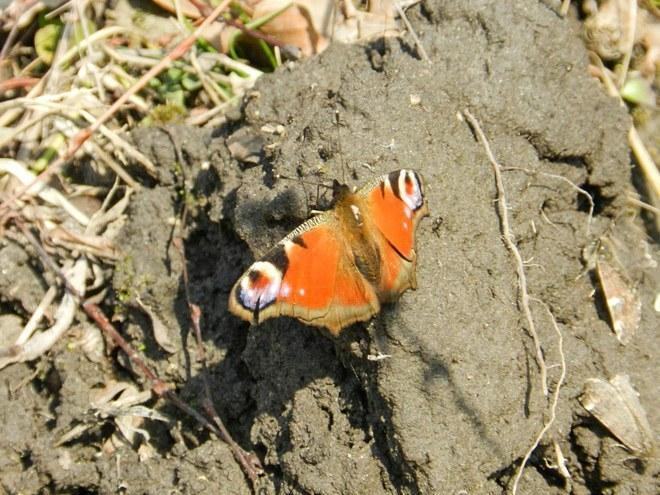
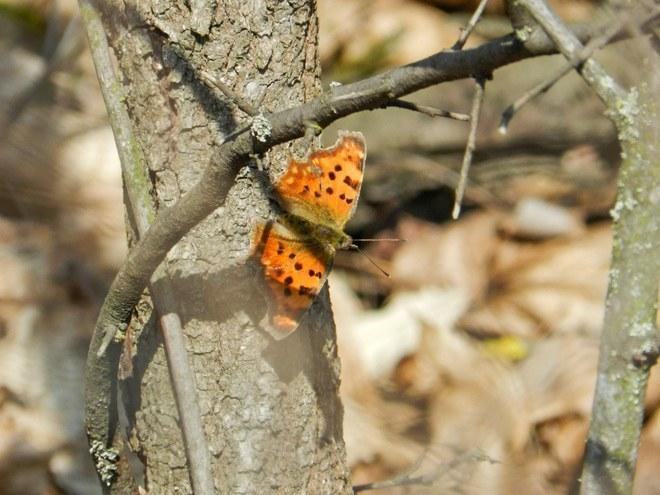
The first butterfly of the year.
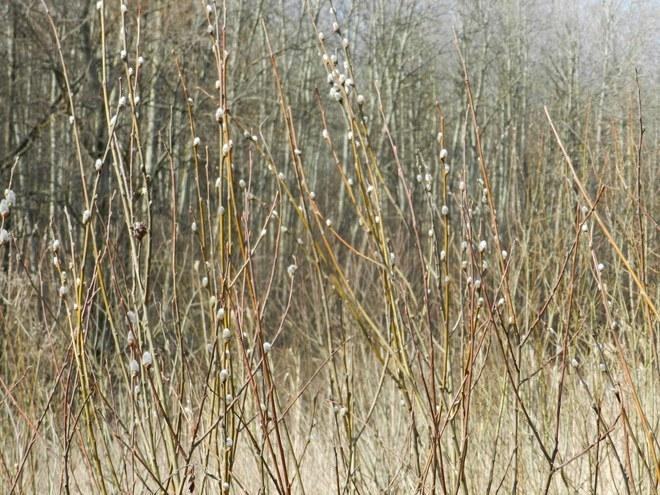
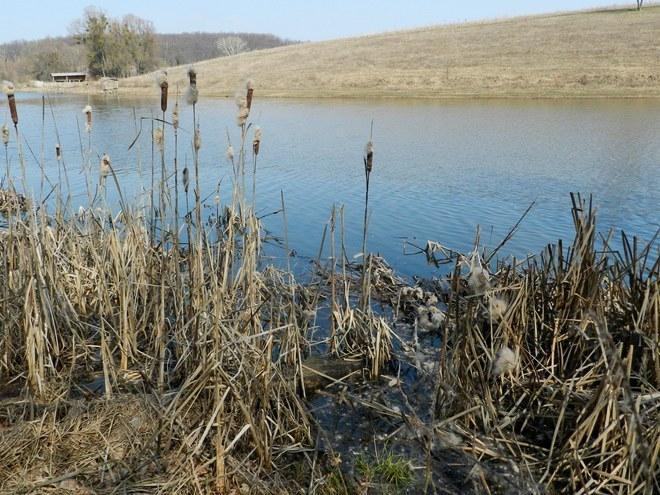
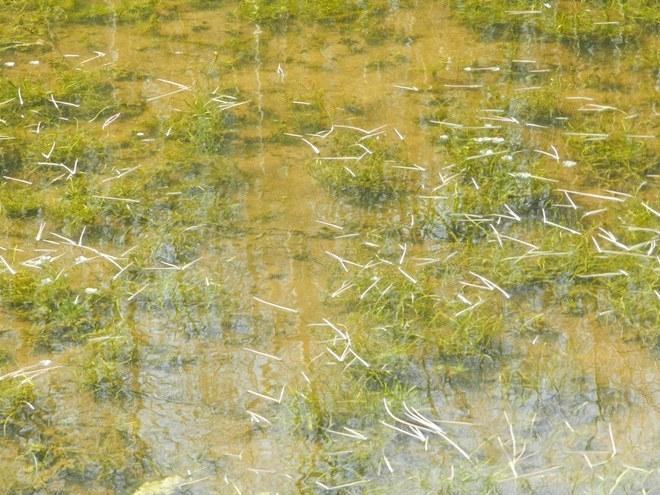
Shallows divided by tussocks appear already near the partially destroyed boardwalk.
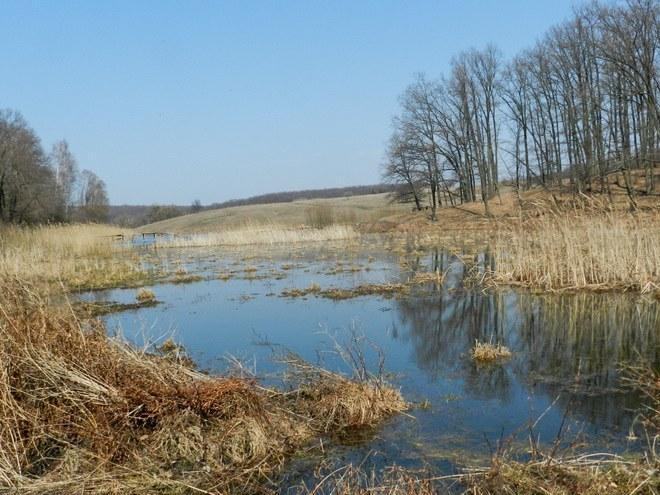
And this is the view from the boardwalk itself.
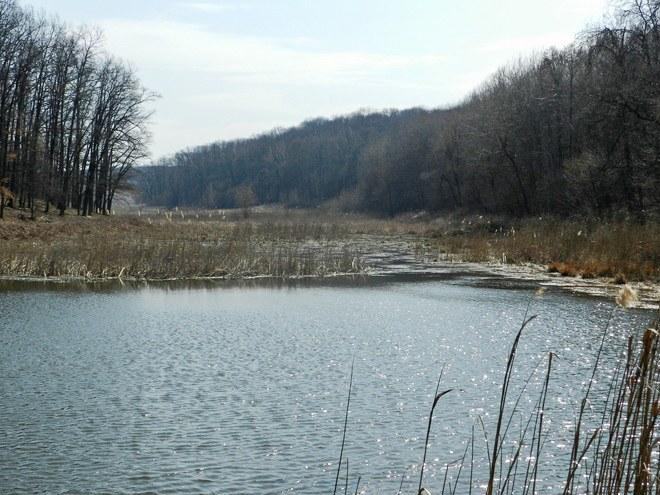
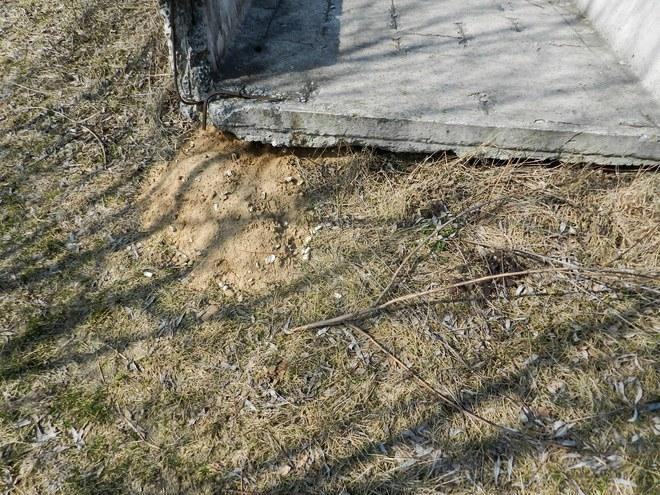
Some animal had been digging under the corner of an old concrete slab on the pond dam and threw soil with grass snake eggs onto the surface.
These are last year's eggs; from the cut made by the egg tooth, one can tell that the hatchlings have already emerged.
Only the stuck-together leathery shells remain.
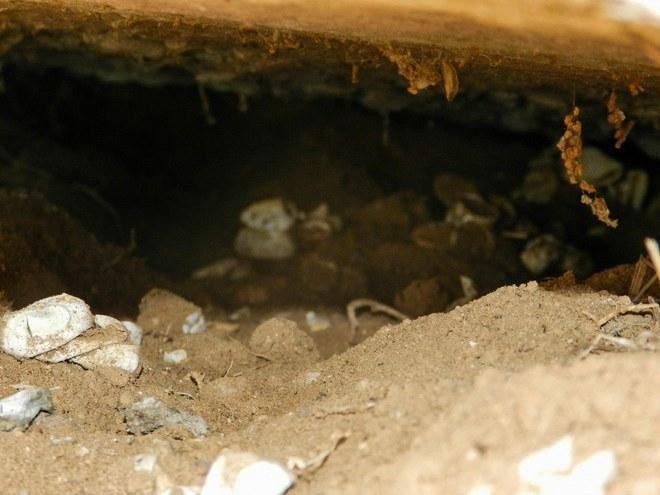
If you look under the slab, you can see many more eggs there.
This is a communal clutch; many females lay eggs in the same spot.
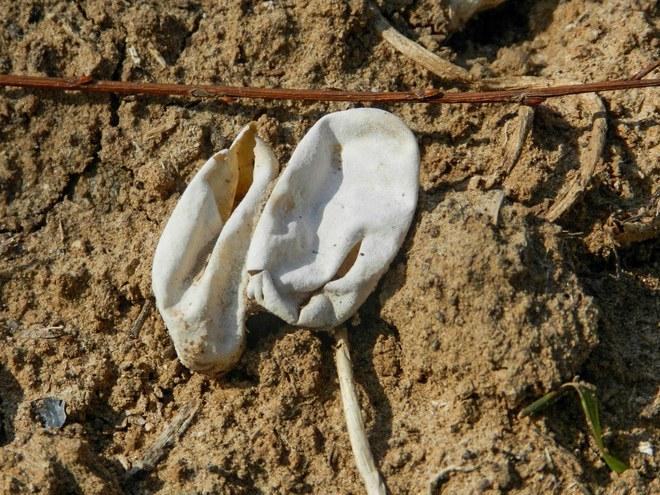
The warm slab is an ideal location for egg development.
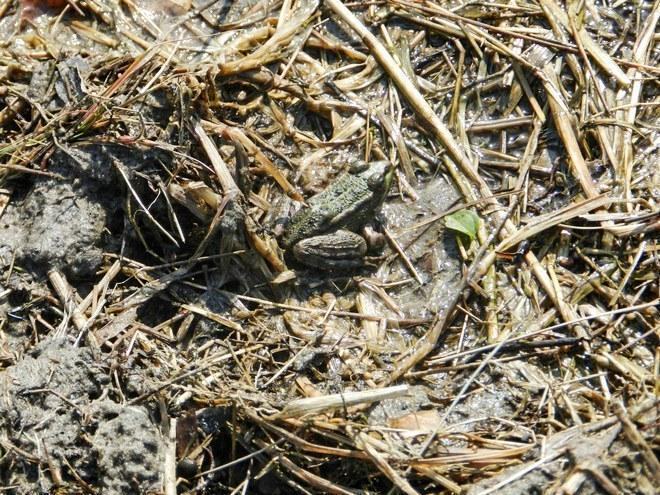
At Iskiv Pond, froglets have already emerged. So far there are still few of them.
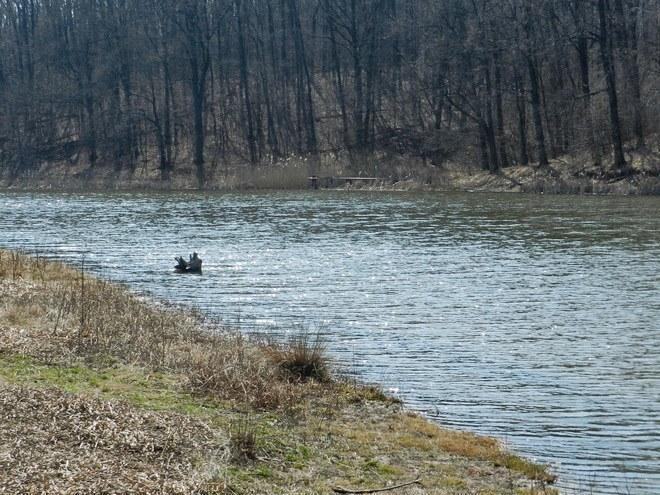
Can you see the thin line of floats stretched across the pond?
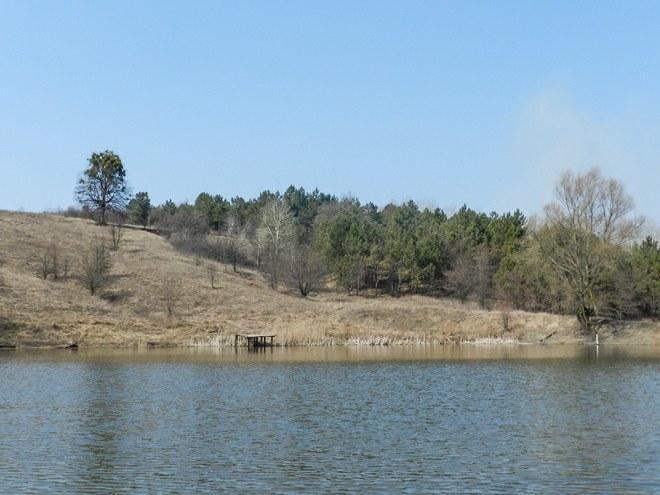
A net has been strung across the pond; its owners are nowhere in sight.
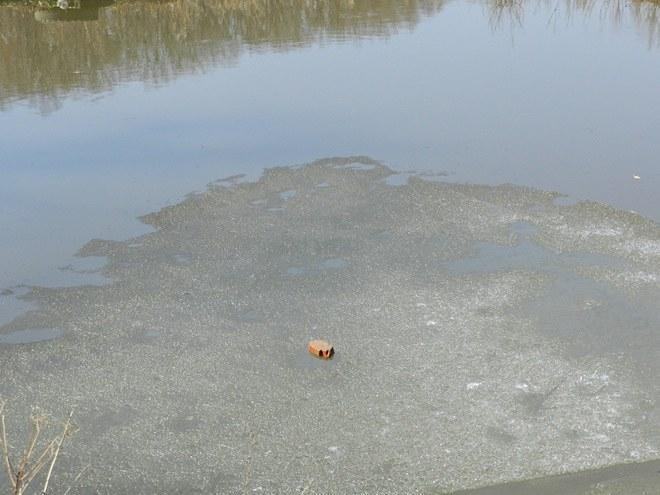
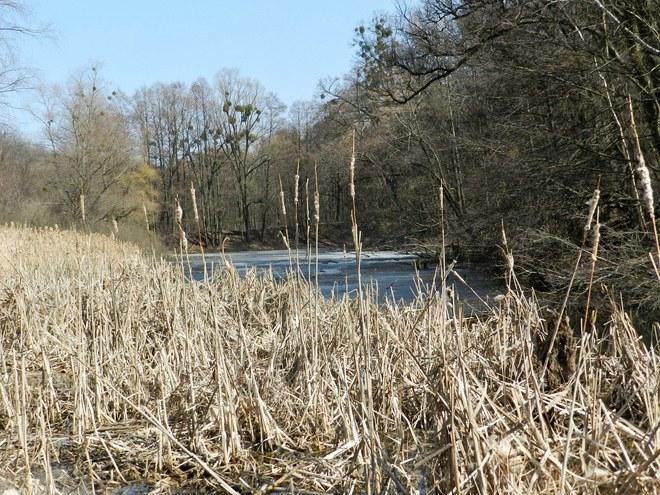
Almost no ice remains.
This is the only unmelted fragment.
Just a bit more and this chunk will sink to the bottom.
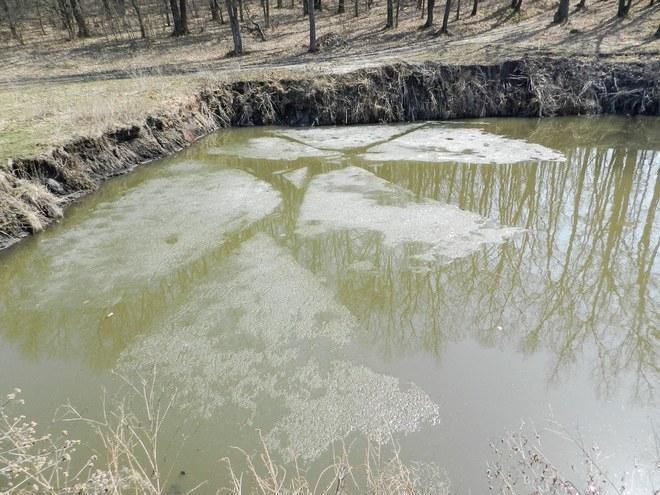
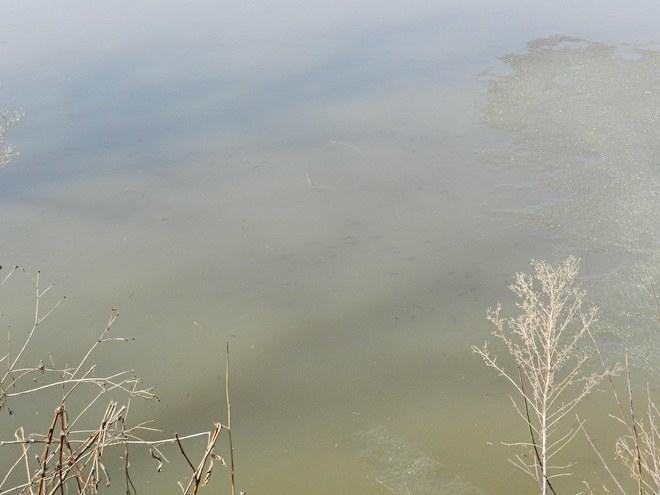
At the edge of the ice – a school of fish.
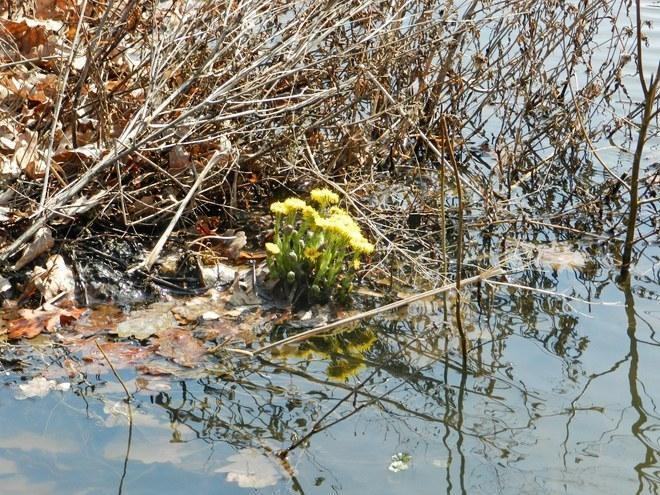
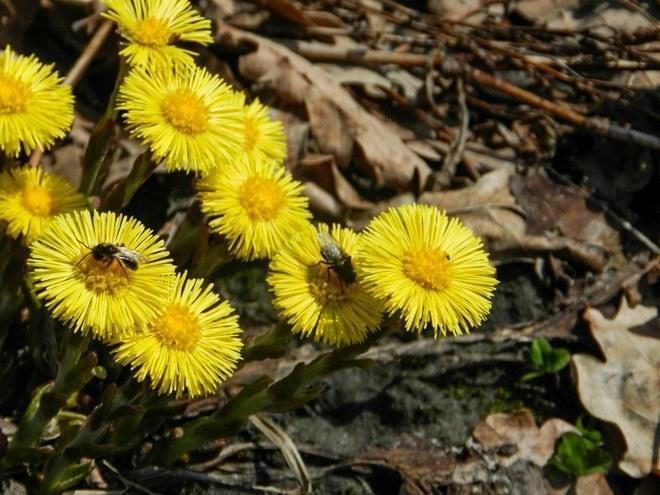
Based on experience from previous years, we established that common toads spawn when coltsfoot blooms.
This year coltsfoot is already blooming (and even reflected in the water), but spawning has not yet begun.
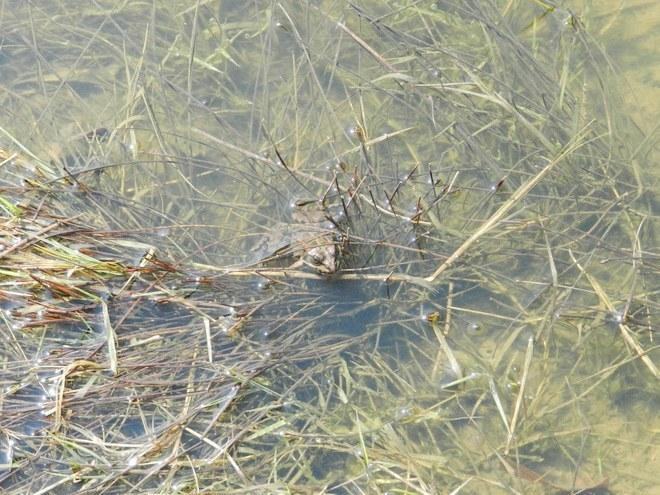
The very first male toads have finally made it to the water.
This one was still in some kind of torpor; when touched, he only clenched up and tried to burrow deeper into the mud.
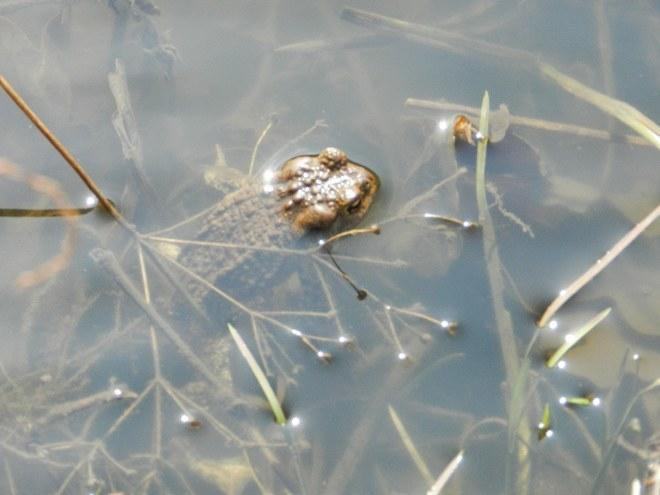
Shallows.
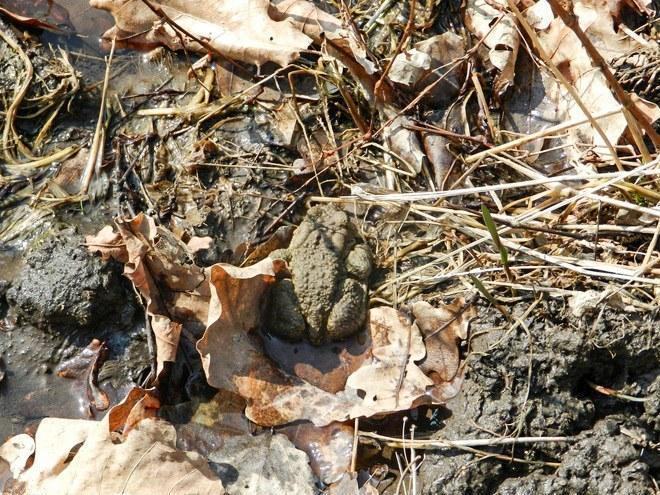
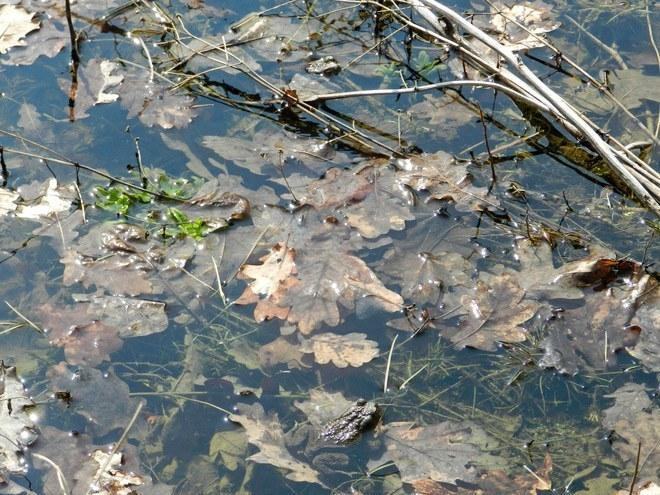
From somewhere beyond them came the calls of one or two male moor frogs, but we didn't wade into the water.
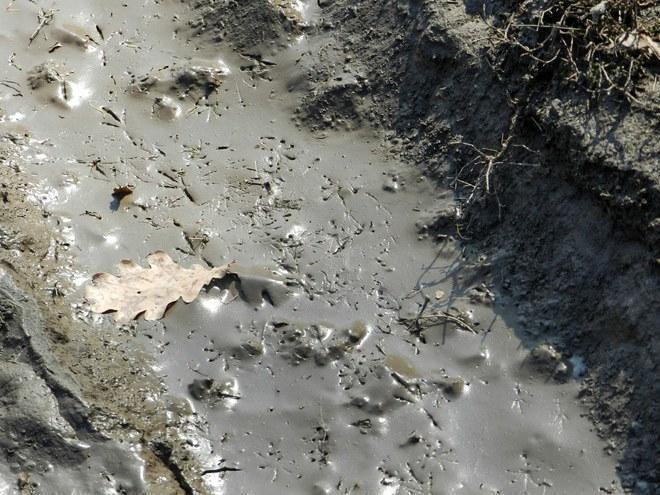
In total, we saw six male toads at the pond; two of them are in this photograph. Mud on the road to Koryakiv Ravine.
Can you guess who walked here?
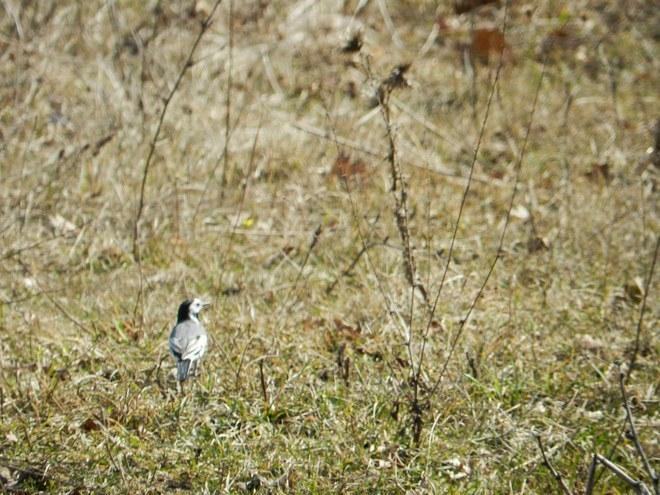
White wagtail.
Despite the good weather, no marmots were visible.
Their burrows seem empty.
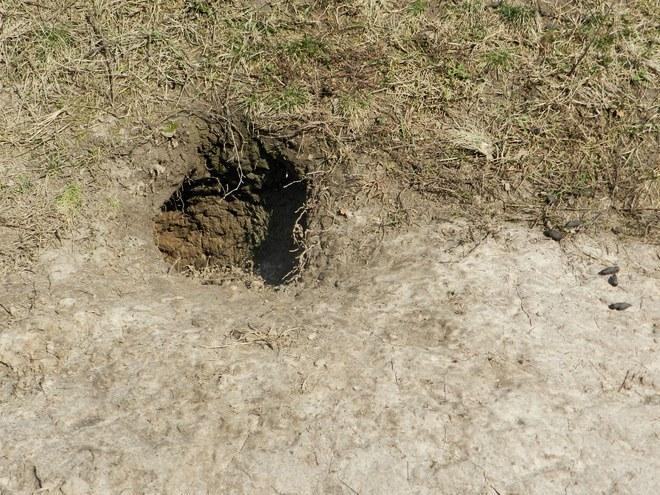
It makes sense: there's nothing to eat yet, so there's no reason to be on the surface. At first I thought these were marmots.
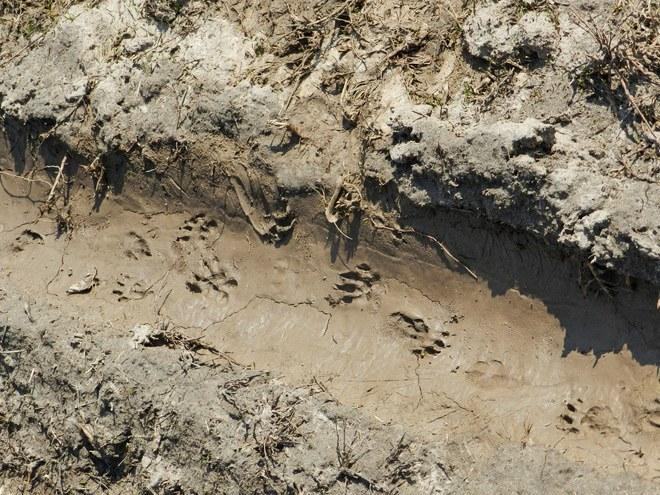
It turns out I was wrong – it was a badger. View of Koryakiv Ravine.
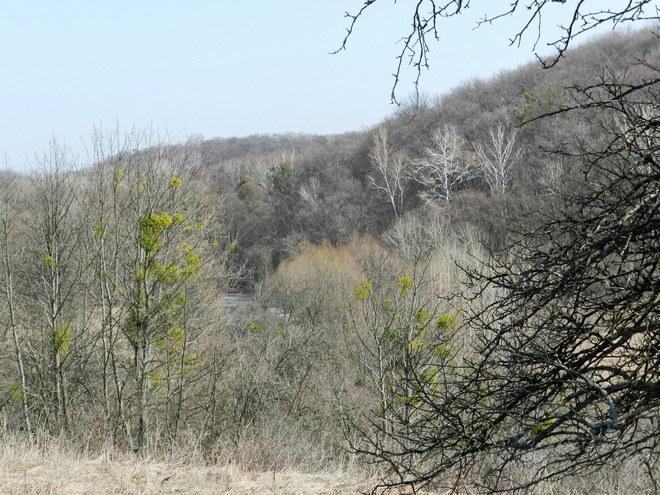
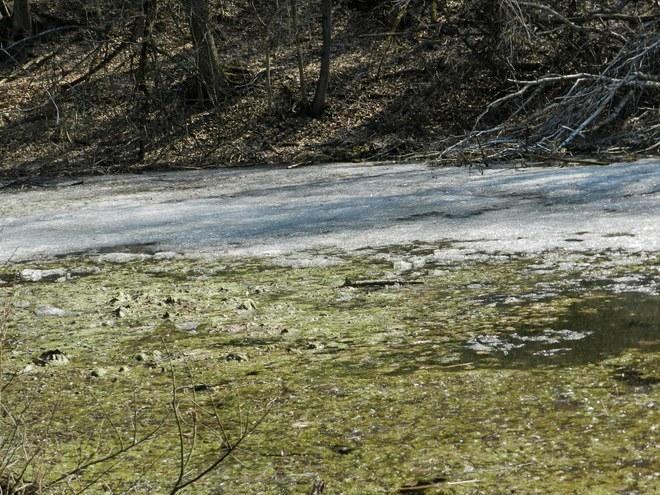
It is still covered in ice.
Duckweed melts depressions into the ice; clean patches rise above it.
A last year's cattail spike(?) is turning inside out through a point where its integrity was breached.
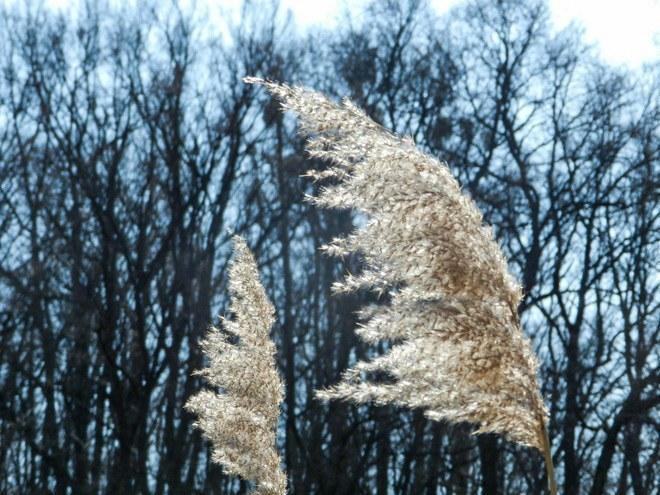
A reed panicle in backlight...Continuation is here.
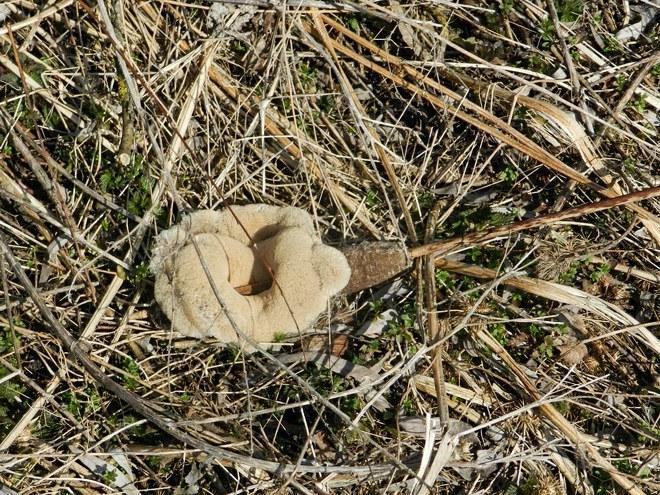
In my opinion, there's something interesting there too.