April 25–28. Student Biology Olympiad in Lutsk
During the trip to the All-Ukrainian Olympiad in Lutsk, I took photographs almost exclusively at its conclusion — during an excursion by several jury members and organising committee representatives to the Shatsk Lakes. I will, however, begin with the Olympiad itself and comment briefly on the questions I contributed, which the participants had to answer. And then — the excursion. Half of the photographs, devoted mainly to amphibians, appear in the second part.
During the trip to the All-Ukrainian Olympiad in Lutsk, I took photographs almost exclusively at its conclusion — during an excursion by several jury members and organising committee representatives to the Shatsk Lakes. I will, however, begin with the Olympiad itself and comment briefly on the questions I contributed, which the participants had to answer. And then — the excursion. Half of the photographs, devoted mainly to amphibians, appear in the second part. The opening ceremony of the Olympiad.
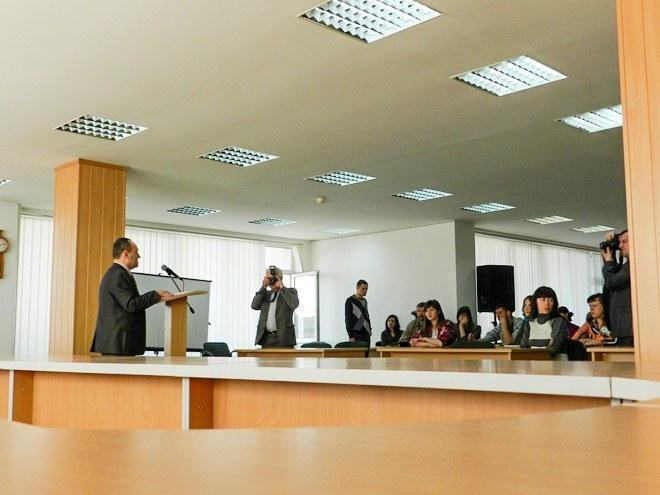
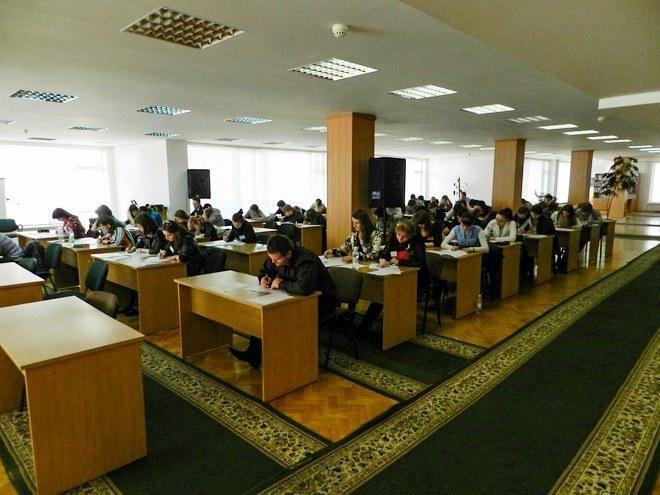
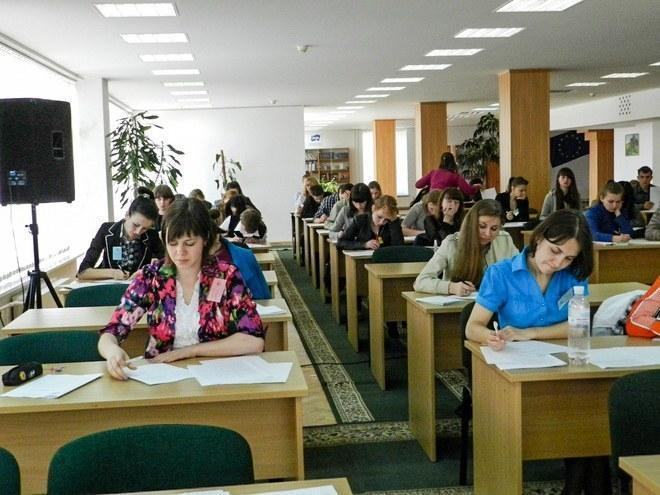
The theoretical round was written in the spacious and well-appointed hall of the university library. Addressing the audience is the Dean and principal host of the event, Andrii Ivanovych Poruchynskyi.

The jury.
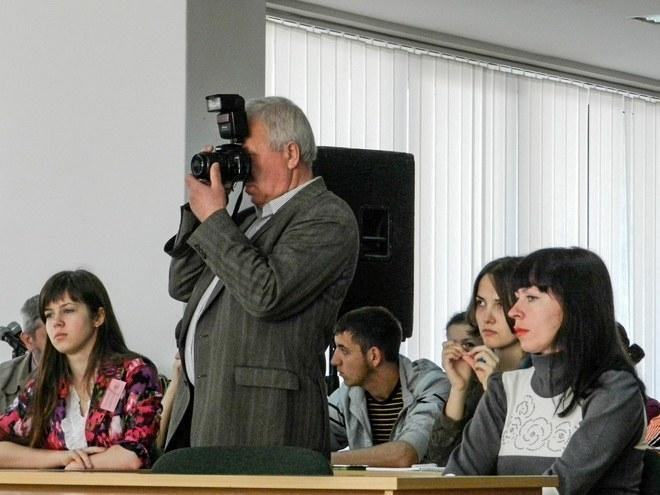
In the foreground — the jury chair, Serhii Oleksandrovych Volhin.
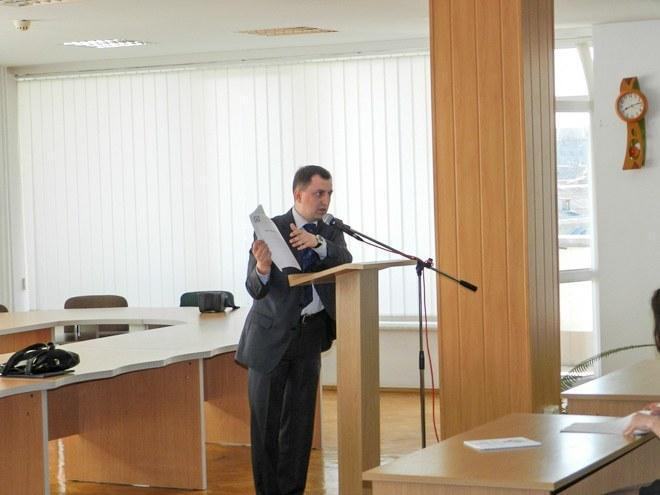
Participants from Kharkiv.
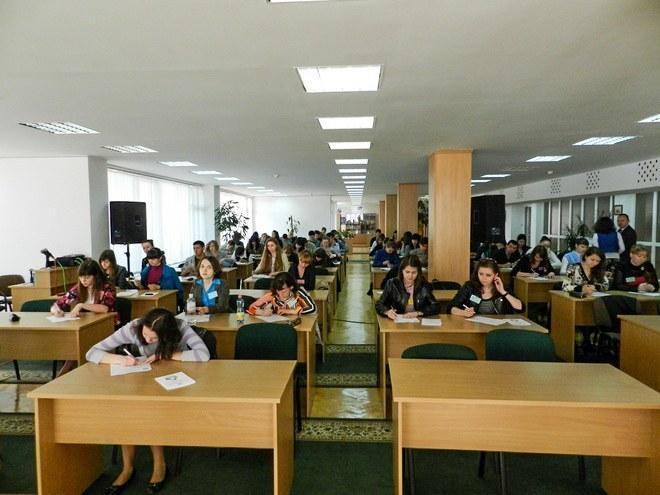
On the left in the photograph — Lera Sapozhnikova. On the right, Nastia Bondareva peers warily from behind the shoulder of the girl in the foreground. Yaroslav Vasyliovych Stepaniuk, the driving spirit of the organising committee, explains how to fill in the answer form. The theoretical round. The Olympiad comprised three rounds: theoretical, test-based, and practical. The questions for the theoretical round were composed by jury members (with decisive input from the visiting guests) the day before it took place; the jury chair oversaw the editing of the draft materials that had been brought along. Through open discussion, three sets of tasks were assembled, each containing five questions. Printed copies of all three variants were brought to the opening ceremony in sealed envelopes. One of the participants drew a packet for students in biology programmes at universities and one for medical students. The third packet was left unused. My questions appeared in all three packets. In the biology packet, the question concerned measures of evolutionary rate and the factors that influence it. More level-headed colleagues immediately told me that the question was poorly formulated and that I would receive philosophical musings in response rather than concrete answers. I hoped for better and, alas, was mistaken. What was I hoping to elicit? A discussion of methods for measuring the rate of evolution. Do you remember the old joke? What is divine force? Divine mass times divine acceleration. And speed is the ratio of change to time. What can serve as a measure of evolutionary change? The number of nucleotide substitutions, morphological changes, the appearance and disappearance of species and supraspecific taxa, and the colonisation of new niches. Time — either absolute or measured in numbers of generations. To estimate it, one must calculate the temporal distance between certain events. This requires palaeontological dates and molecular clocks (accounting for neutral nucleotide substitutions). Either way, palaeontological anchor points will be needed. Evolutionary rate is the resultant of the forces that maintain the existing state of species and ecosystems and the forces that disturb this equilibrium. I had hoped that a discussion of these circumstances would help clarify something. What I received… Concrete answers — from almost no one. Some responses were frankly weak. I had not expected that in the answers of participants at the All-Ukrainian Olympiad (by definition the best students) one might encounter reasoning along the lines of “there are two theories of the origin of species — their creation by God and their emergence according to Darwin.” Every part of such a formulation is wrong. A considerable number of participants simply pledged allegiance to Darwin (who, according to at least one participant, established that evolution involves aromorphoses, idioadaptations, and degenerations). Why some student Olympiad participants are unaware that evolutionary biology has changed since the time of Charles Darwin and A. N. Severtsov is a mystery. Why Severtsov’s classification of evolutionary modes — which, in my view, clarifies nothing — is so popular in secondary schools and universities is a second mystery. Apparently, it is a matter of habit and resonant terminology. The habit of appealing to Darwin as an authority at the slightest pretext, without sufficient cause, must finally be abandoned. He was truly a great scientist, but in the century and a half since the publication of On the Origin of Species much has changed in biology. Darwin was buried in the century before last! One wonders whether Westminster Abbey, where he rests, has taken special precautions to prevent him from turning in his grave whenever he is invoked without good reason. Not a single participant mentioned the concept of punctuated equilibrium proposed by Stephen Jay Gould and Niles Eldredge (that is, the concept of continual variation in evolutionary rate). Not a single participant mentioned the fact that whether species belong to stable communities or not influences the rate at which they change (I have in mind, for example, the notions of coherent and incoherent evolution proposed by V. A. Krasilov). Not a single participant wrote about the fact that, in accordance with Leigh Van Valen’s Red Queen hypothesis, evolution cannot stop. Only one person wrote that the ratio of the number of synonymous nucleotide substitutions to the number of non-synonymous ones can serve as a measure of selection intensity. That was Nastia Bondareva. Understandably: she had read Markov’s The Evolution of Man. But had all the other participants not read it? What, then, are they reading? More specialised literature? And where is the reflection of what they have assimilated? I was glad that of the four or five “nines” I awarded (I gave a “ten” to no one, in order to convey my dissatisfaction with the results) two, as it emerged after the answers were decoded, went to participants from Kharkiv.
This was not the consequence of any rule-violating prior knowledge of the questions, nor of any indulgence on my part toward them, but rather a reflection of the specific character of our university (and, perhaps, a slightly greater familiarity with the circle of ideas reflected, among other places, here on Batrachos). The medical students answered my question about animals that in their normal state are oriented with their ventral side upward. I was asking about the reasons for such an inversion and its significance. I had in mind, of course, not only the upside-down catfish (Synodontis), branchiopod crustaceans, and languid sloths. Following Dawkins (see “The Brine Shrimp’s Tale” in The Ancestor’s Tale), I wanted to move from this topic to a discussion of the dorsoventral inversion of chordates in accordance with Geoffroy’s hypothesis, which developmental genetics has confirmed. I wished to read that an inversion of the body must be associated with a change in lifestyle (first and foremost, in the mode of feeding). Such a change may be the consequence of adopting a substantially altered new way of life. Since a shift in adaptive zone is involved, such an inversion may mark a prospectively significant evolutionary change. And that is precisely what proved fortunate for the chordates… I did not receive reasoning of that kind, but one answer was not bad (it at least analysed the inversion in chordates). It was the answer of the best participant in the Olympiad; to that person I awarded a “ten” with a clear conscience. I am reluctant to dwell on unpleasantness, but I have concluded that the tasks should have been composed not the day before the round but immediately before it. For example, the jury could have assembled at 8:30 in the morning, drawn up the tasks for the biology and medical students, and then brought them to the students who had gathered for the opening ceremony. Reproducing the question sheets in the required number of copies is a matter of a few minutes. Under such an arrangement it would not have been necessary to suspect the authors of certain answers of having received insider information. That said, even in Lutsk, if certain unwelcome channels of information did indeed operate, they did not diminish the overall value of the event or the worth of the diplomas awarded to the winners. The final result of the Olympiad was heavily influenced by the test round (Nastia Bondareva, for instance, performed poorly on it) and the practical tasks. The Olympiad results were as follows. No one was awarded first place. Second place was awarded to one representative of the medical students (who competed in a separate ranking) and one representative of the biology students from universities. Third place was awarded to eleven biology students from universities, among them — with a respectable result — Lera Sapozhnikova.
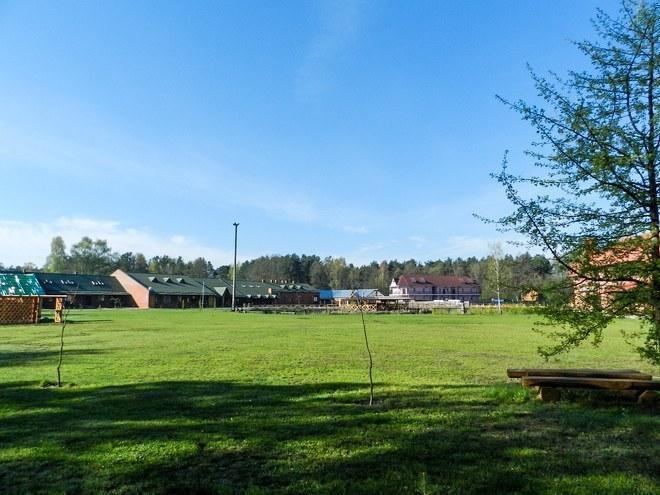
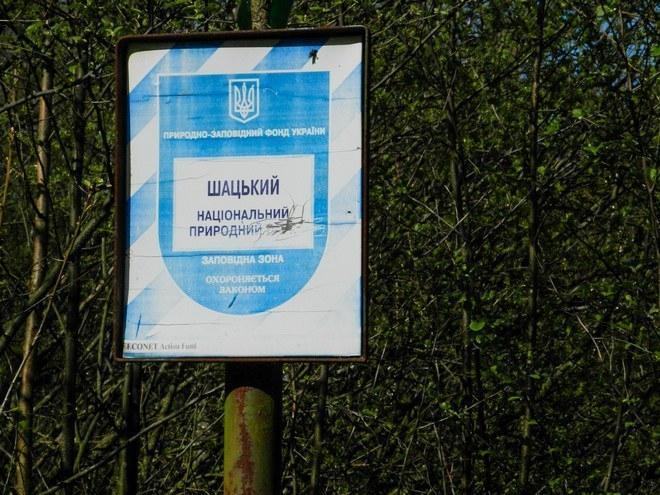
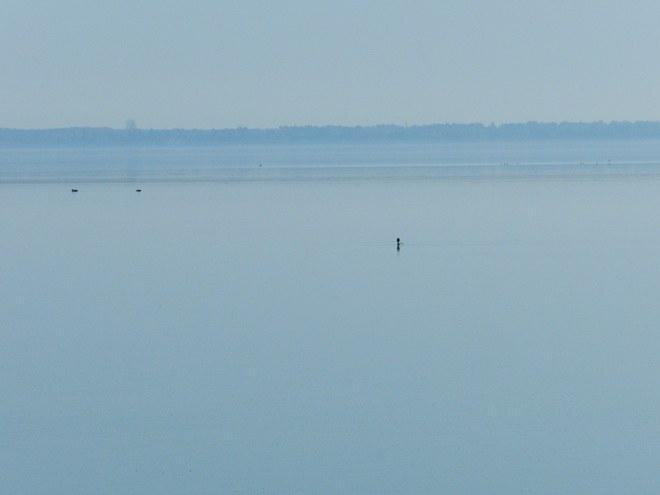
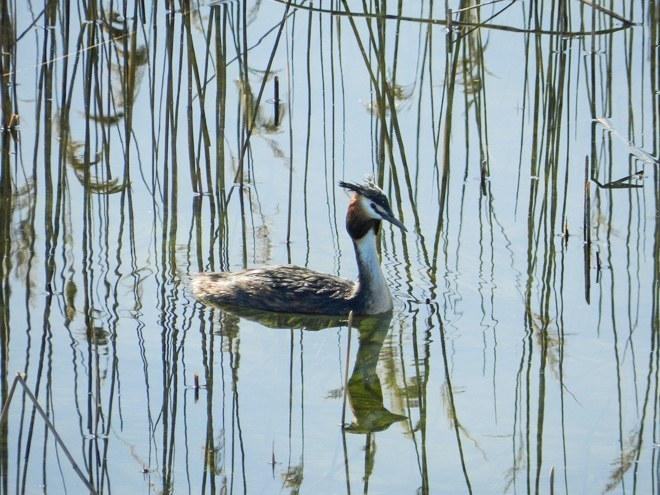
Nastia Bondareva (owing to her poor test results) was the first representative of classical universities to finish without a placement. She received a consolation diploma — for the best result among classical universities (excluding the winners — a qualification not stated on the diploma but implied). One observation that may be drawn from an analysis of the results is that places at the student Olympiad are claimed first and foremost by winners of secondary-school Olympiads. Consider, for example, the distribution of second places. They were shared between Taras Shevchenko National University of Kyiv and Bohomolets National Medical University of Kyiv. These are, of course, the strongest institutions. But their prize placements are attributable above all to the fact that schoolchildren who had won international Olympiads chose to enrol there. Our Kharkiv girls, Sapozhnikova and Bondareva, are likewise products of the secondary-school Olympiad system. They fell just slightly short. How does one assess the strength of students as students, rather than as secondary-school Olympiad participants reincarnated? I have no definitive answer, but in my view the search for one is worthwhile in any case… In general, one must understand what Olympiads actually measure. Since we are on the subject, I can cite my own experience. In 1988 and 1989 I took absolute first place at the All-Union Student Biology Olympiad in Ashgabat (and in 1990, although I took part in the Olympiad, I competed outside the official rankings). Nevertheless, I was never free of the feeling that those victories were connected not with the qualities of a specialist that I was most inclined to value in myself, but with something else. I think that Olympiads most often measure knowledge rather than understanding; the qualities of executors rather than creative potential; “appearing” rather than “being.” But that is a separate and complex conversation. I believe that all the difficulties in organising Olympiads, all the imperfections of the competition (and making it perfect is simply impossible) do not negate the value of Olympiads. They are useful if only because they give both participants and jury members the opportunity to see the level of other students and other universities, and to gain a clearer sense of their own weaknesses and strengths. In any case, I am glad I made the trip to this Olympiad and am deeply grateful to its organisers from Lutsk. After the Olympiad, some jury members and organisers travelled to the field station of Volyn University, situated on the shore of Lake Svityaz. The station differs from our own biological field station. It is a luxury establishment, with stylishly appointed rooms. Students, however, do carry out their practical training there. This is Shatsk National Nature Park. The station itself is home to a great many animals. The main marvel, of course, is Lake Svityaz itself. Exceptionally clean water, rich in silver. More than nine kilometres in length and more than fifty metres in depth. Morning on Lake Svityaz. Great crested grebes in abundance. A self-portrait.
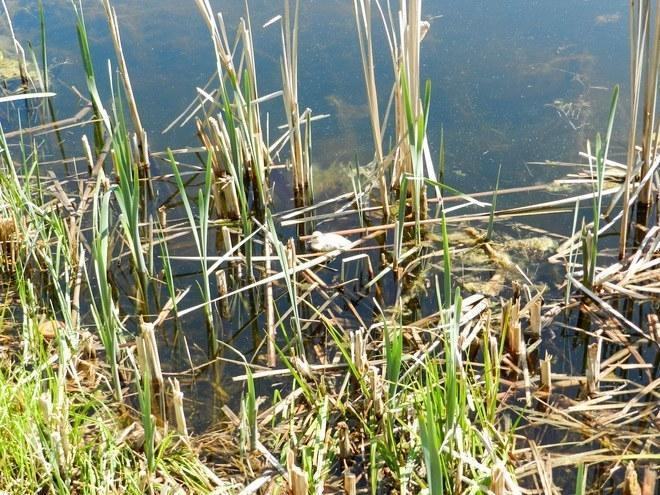
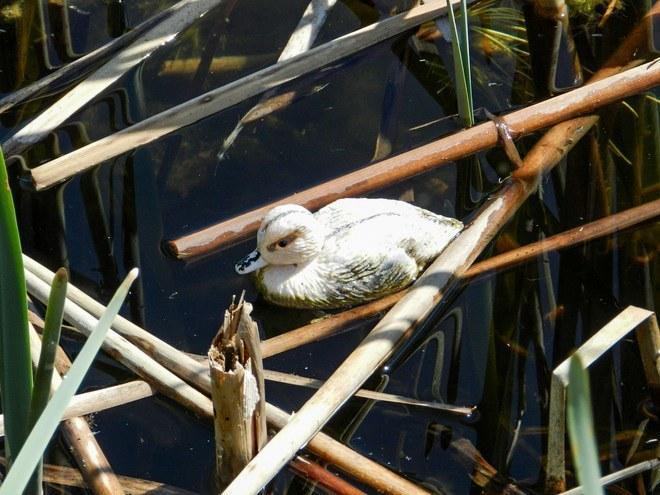
Within the station grounds are artificial ponds where frogs spawn. As we were already carrying our belongings to the car, I was photographing frogs when I suddenly noticed… Do you see the duckling? I joyfully summoned my colleagues… …to show off my discovery, only to learn with disappointment that the duckling was rubber.
Caught out!
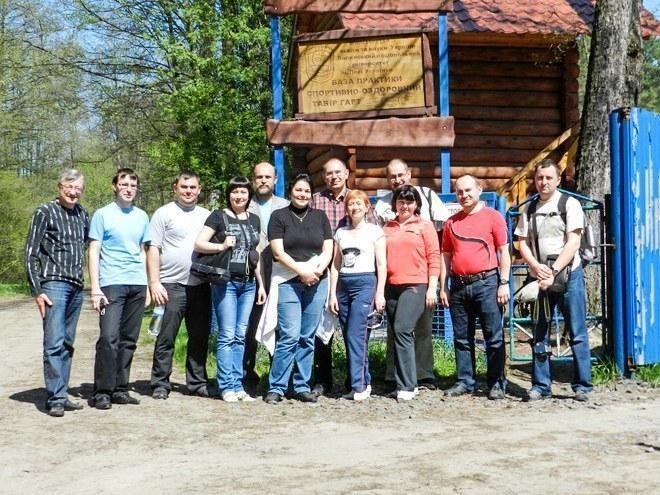
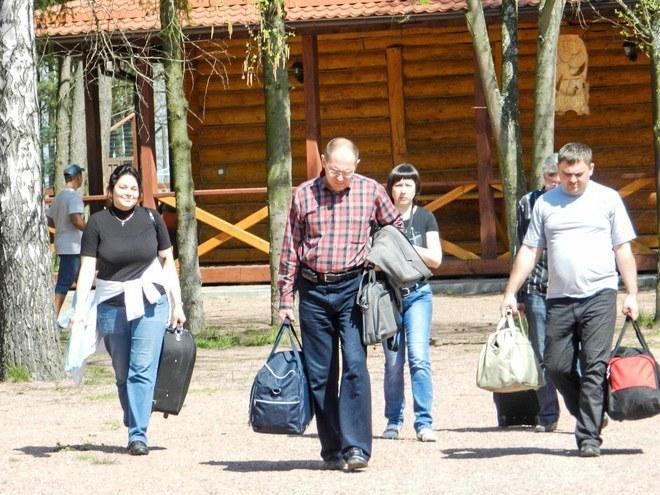
The team that made the trip to Synevyr; one colleague who was taking the photograph is absent.
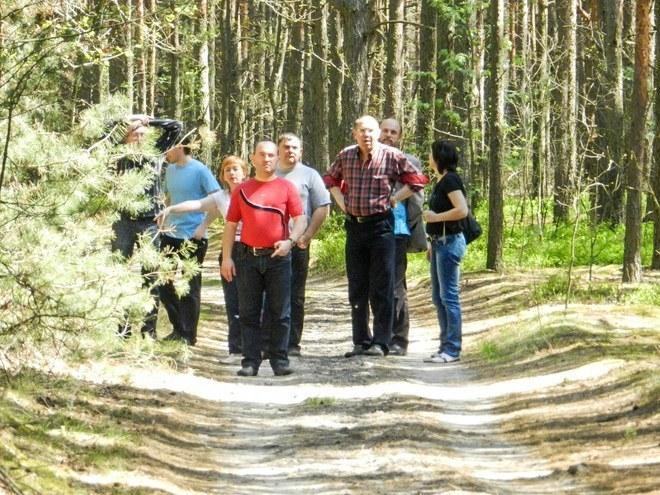
Afterward we drove into the forest.
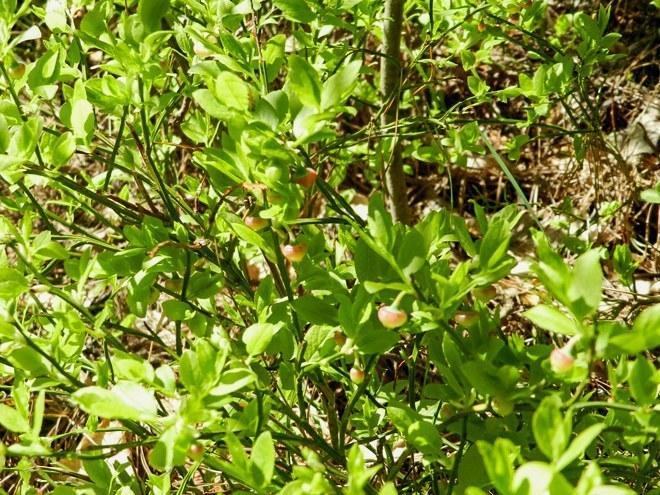
A pine woodland with birch copses; abundant bilberries.
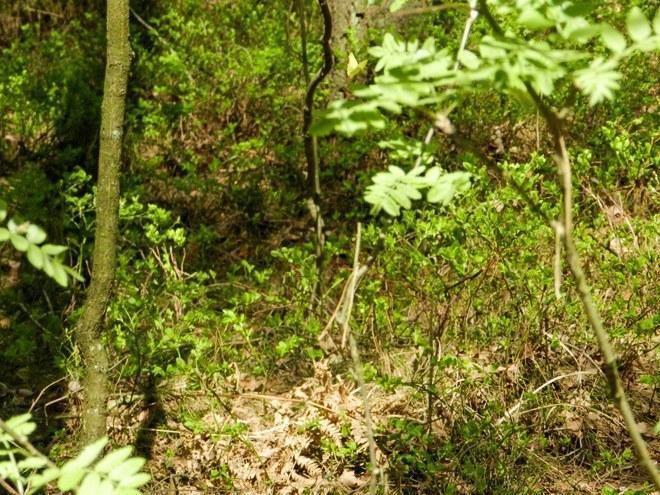
Find the butterfly in flight!
We were heading toward the lake and got lost.
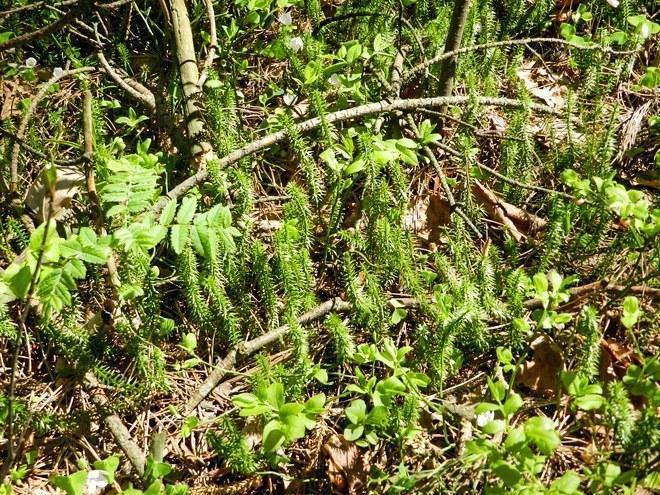
Clubmosses.
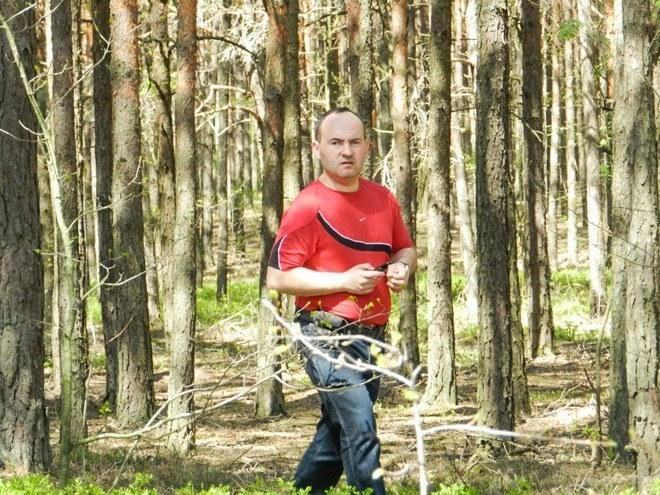
The Dean looks entirely at home in the forest.
I was very taken with his working style: he managed his staff calmly and quietly, almost imperceptibly, yet in the end everything had been anticipated and the whole team worked with rare cohesion.
In general, the Biology Faculty of Volyn University and the people working there made the most favourable impression.
Now, as I upload the photographs to the website, I find myself immersed once again in warm and grateful memories (with a slight tinge of good-natured envy).
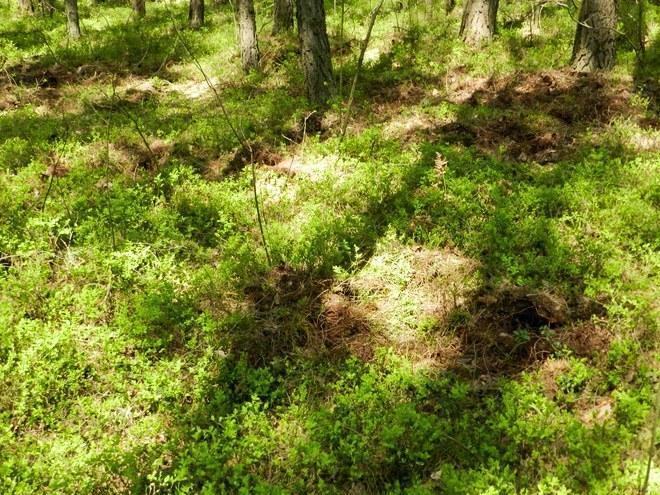
In many places the forest floor has been rooted up by wild boar.
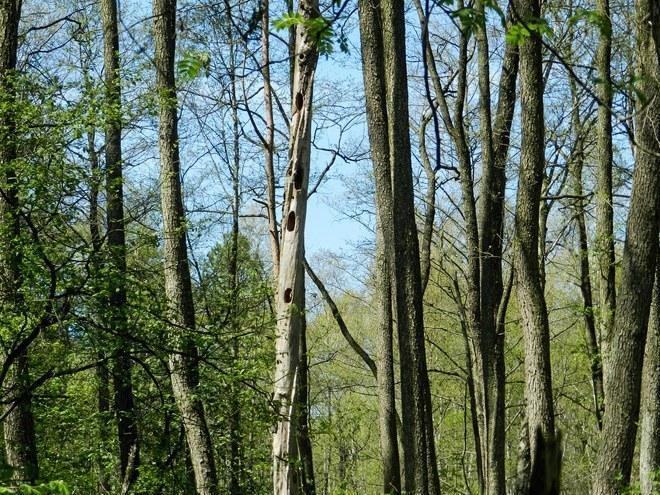
Some of the old trees are simply magnificent.
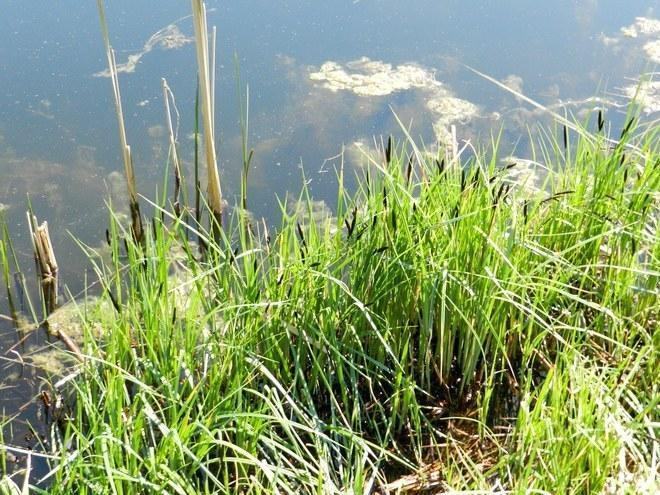
Look at the number of tree hollows!
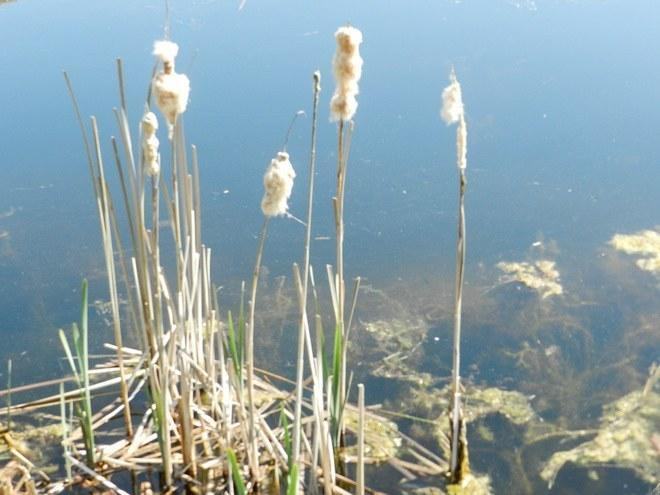
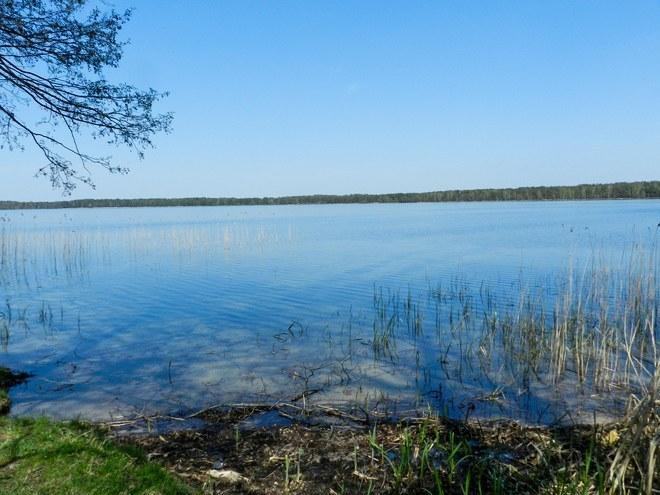
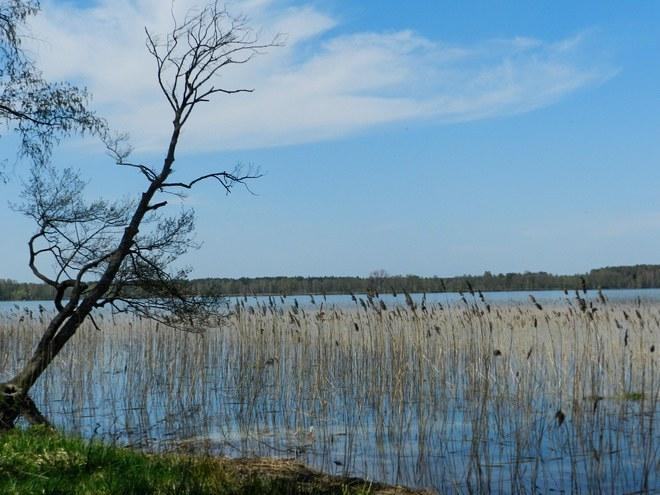
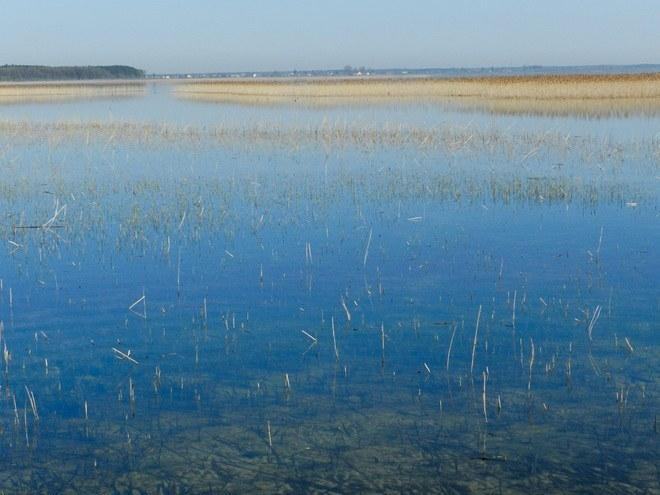
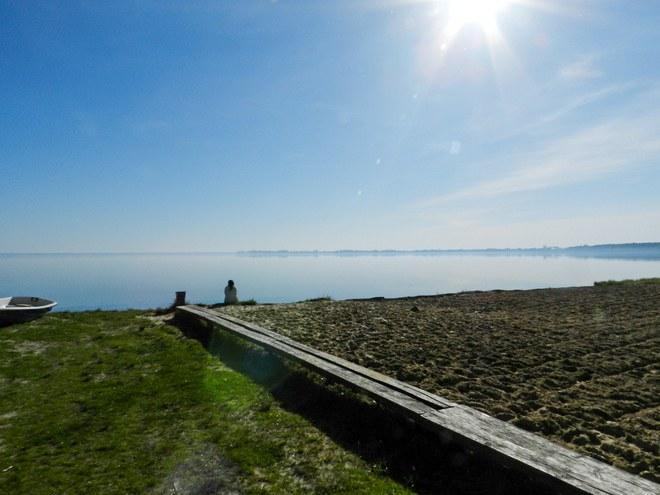
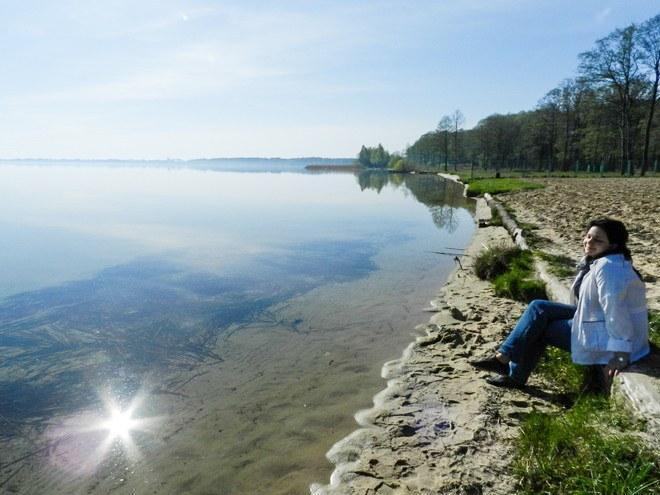
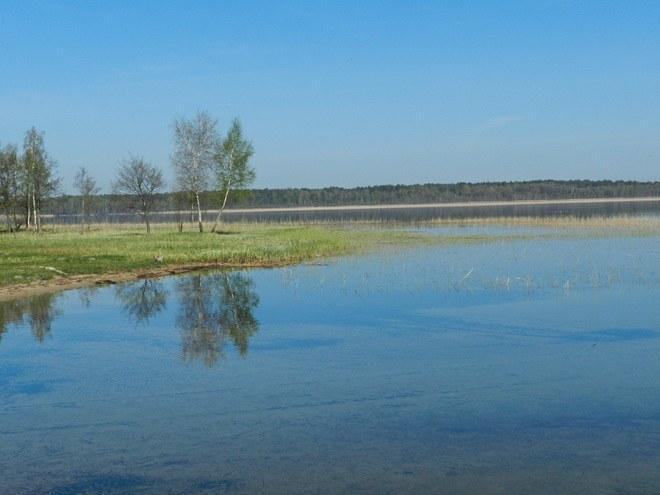
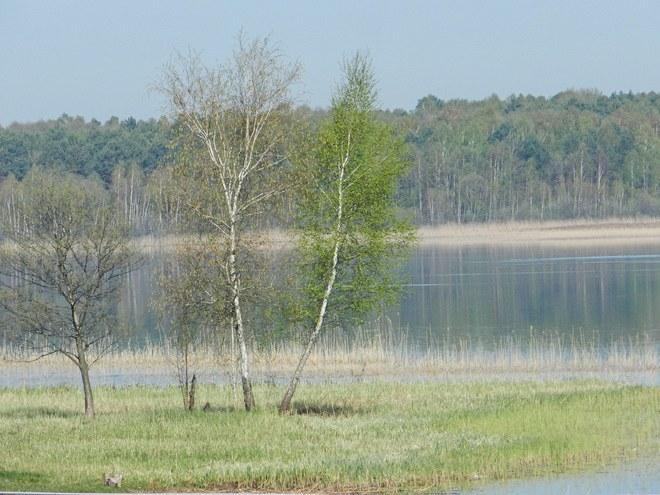
And this is Lake Pishchane.
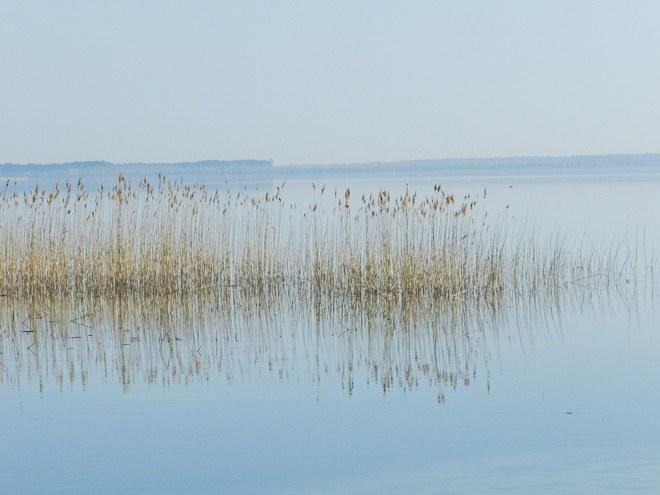
A particular kind of beauty characteristic of the Shatsk Lakes.
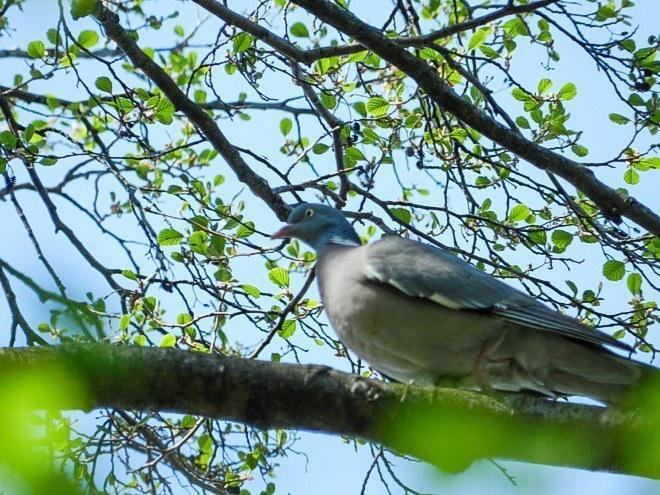
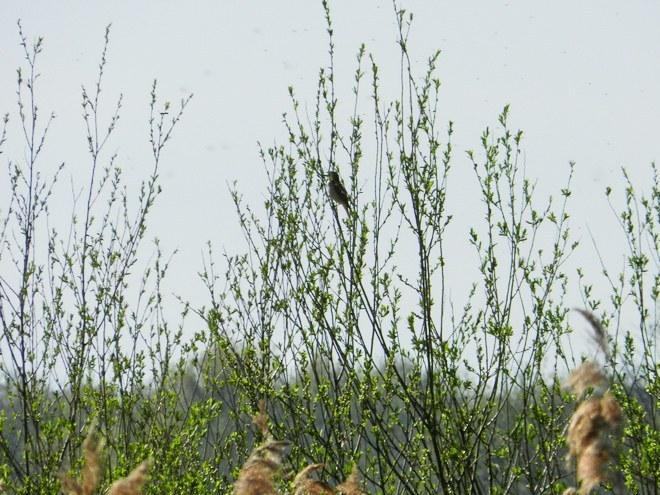
A common wood pigeon.
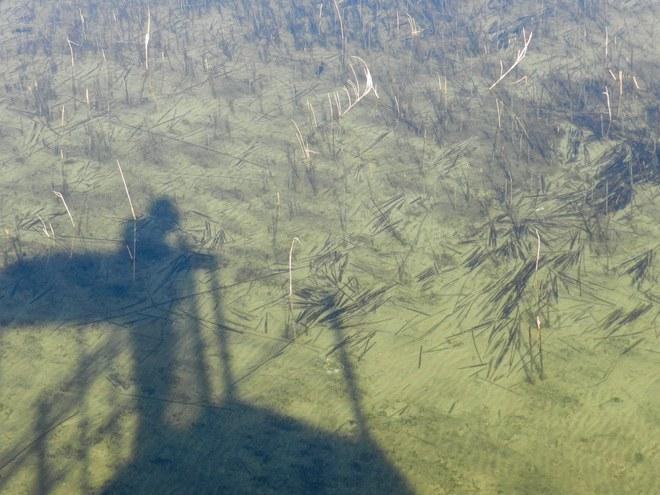
And simply water…