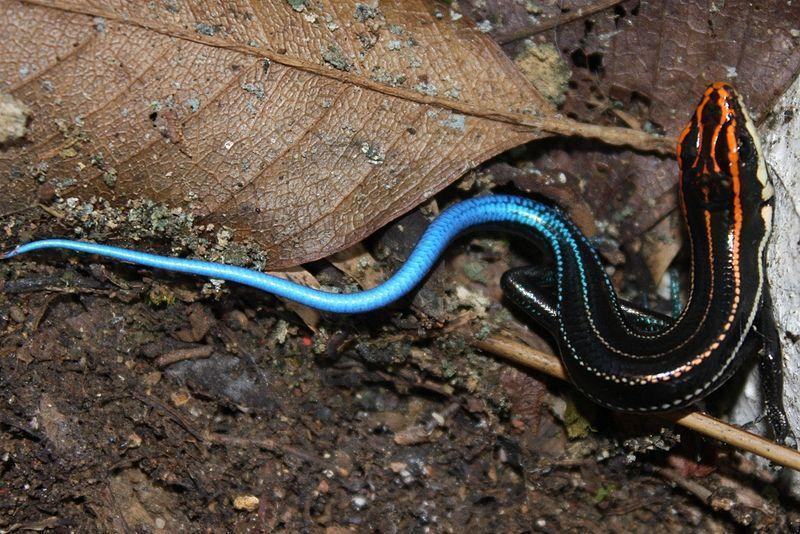
Scincidae (Skinks)
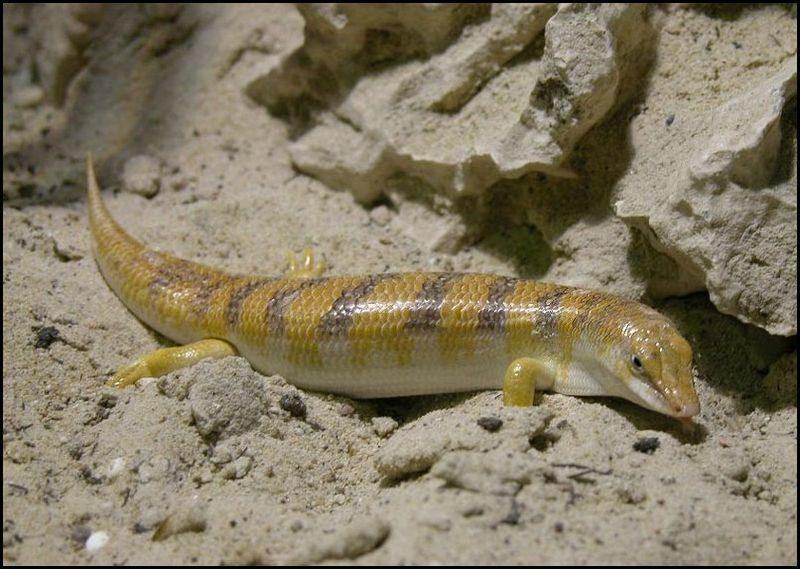
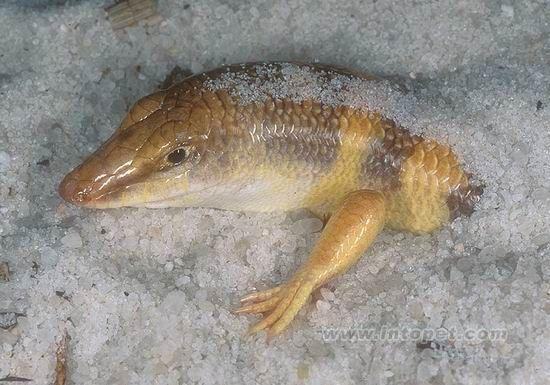
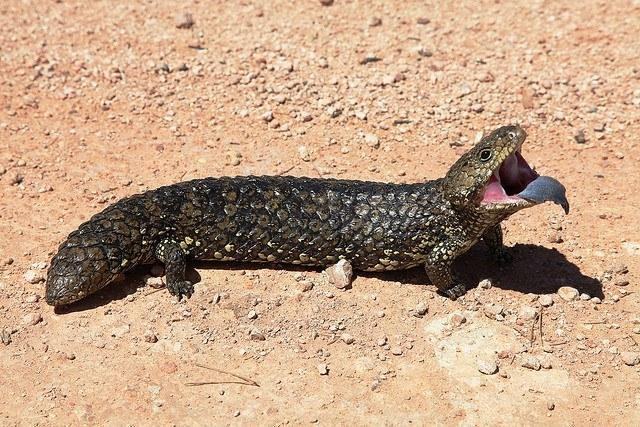
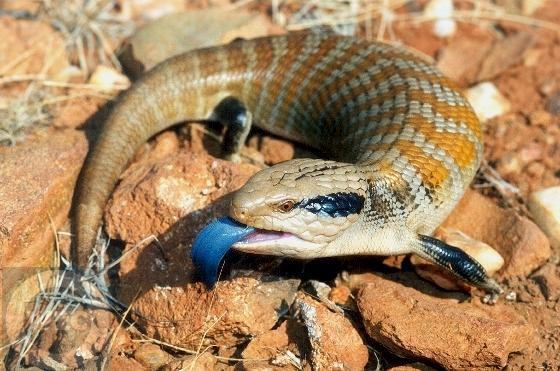
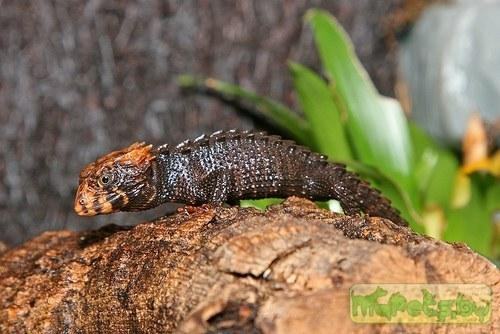
Range: distributed on all continents except Antarctica. They inhabit mainly tropical regions, but have also spread quite far north and south of the equator. They are most diverse and abundant in Australia, Pacific islands, Southeast Asia, and Africa. Genera: 130 Species: 1516 Ecology and behavior: They inhabit a wide variety of biotopes: both deserts and humid forests, in tropical and temperate latitudes. Most are terrestrial lizards, but many species are fossorial, and there are also semi-aquatic and arboreal forms. Some desert species can “swim” in loose sand. Diet is highly diverse. Most are predators feeding on insects and other invertebrates, as well as small vertebrates, including other lizards. Some species are omnivorous (blue-tongued skinks) and can consume carrion. A small number of species are mainly herbivorous (shingleback skink, prehensile-tailed skink). There are oviparous, ovoviviparous, and truly viviparous species. In viviparous forms, blood vessels of the embryonic yolk sac wall come into contact with vessels of the female oviduct wall, forming a so-called yolk placenta. Thus nutrition and gas exchange are provided to a significant extent by the maternal organism. In casque-headed skinks (Tribolonotus), partial or complete reduction of the left oviduct has been observed, apparently due to reduced numbers of eggs laid or embryos developing in the oviducts. Some species exhibit parental care - guarding by the female of both clutch and hatchlings. Morphological features: Different members of the family range from 8 to 70 cm in length. A characteristic feature is smooth, fish-like scales underlain by bony plates (osteoderms). Scales on the dorsal side differ little from ventral scales. Only in a few species are scales tuberculate, keeled, or spinose. The head is covered by symmetrically arranged shields. Eyes with round pupil usually have separate movable eyelids. In some species, the lower eyelid has a transparent “window,” allowing the lizard to see even with closed eyes. The family demonstrates the full transition series toward limbless forms: species with fully developed limbs and digits, forms with shortened limbs and normal digit number, forms with shortened limbs and reduced digit number, and snake-like limbless forms. Arboreal species may have special lamellae on the inner side of digits that help climbing on leaves and smooth trunks. The tail is usually long, but may be shortened and used for fat storage or may be prehensile. In many species the tail is fragile and can be dropped under danger. The detached tail writhes for some time, confusing predators and giving the former owner time to escape. Most species are dull-colored, though some are quite brightly patterned. Scincus scincus Tiliqua rugosa Tiliqua scincoides Tribolonotus gracilis Plestiodon kishinouyei Sources: 1. Animal Life. In 7 volumes.
Volume 5.
Amphibians.
Reptiles.