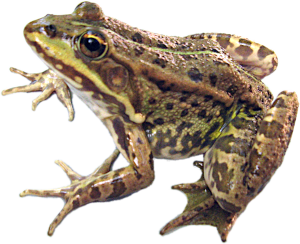
Shabanov (2002-2006) What will be the third synthesis in evolutionary theory?1
Posting a retrospective on "Batrachos", I decided to share this article that is important to me. It was written in 2002. It was not accepted by the "Journal of General Biology", and it was criticized by Makhail Alexandrovich Shishkin. In 2006, Alexander Markov (then at "macro...") posted it on his website.
D. A. Shabanov What will be the third synthesis in evolutionary theory?
Author’s pre‑announcement for an online publication Thanks to the courtesy of the creator of “Macro‑evolution,” Alexander Markov, I was given the opportunity to publish an article written in 2002. I must admit that this article met with critical reception and was sent for revision by the editorial board of the *Journal of General Biology*, to which I submitted it. I am very grateful for the criticism expressed by Alexei Merkurievich Gilyarov. Summarizing its focus briefly, I can say that it concerns insufficient “expansion” and the justification of several statements. Unfortunately, my attempt to revise this article convinced me that, to sufficiently substantiate the idea presented, the article would need to be turned into a book. At the same time I hope that even in its current form this text will serve as material for discussion with like‑minded colleagues and constructively oriented “opponents” – supporters of alternative views. Among the reviews of the manuscript, the response of Mikhail Alexandrovich Shishkin was especially important to me. This response also turned out to be sharply critical. From Mikhail Alexandrovich’s point of view, the explanatory approaches of the synthetic and epigenetic theories are fundamentally different, and their mixture, demonstrated in the proposed article, cannot lead to anything good. In my view, such a combination is necessary. I think that one of the pressing tasks in building a new evolutionary theory is the construction of a sound classification of traits according to the nature of the control of their development. When dealing with biochemical traits of bacteria (especially traits such as “enzyme is broken”/“enzyme is not broken”) the methodology of the synthetic theory of evolution proves quite sufficient. If we are interested in the emergence of new adaptations in representatives of rapidly evolving, highly organized groups of organisms, we will not be able to explain them in the language of allele selection and will have to turn to the epigenetic theoretical approach. Another necessary pre‑announcement concerns the use of the term “epigenetic.” This concept can be employed in several different senses, even without touching the famous debate between epigeneticists and pre‑formists in the history of developmental biology. These senses can be called molecular and ontogenetic. Both roughly correspond to the definition by K. H. Waddington, the originator of the term in its modern formulation. According to Waddington, epigenetics is the branch of biology dealing with causal interactions between genes and their products that constitute the phenotype. The gap between the molecular and ontogenetic approaches to epigenetics reflects the gap between research levels available to modern science. We can study development either at the level of individual molecules or at the level of ontogeny as a whole. Describing the mutual influence of all factors governing development even at the level of a single cell is an intractable task for contemporary science. However, Waddington himself used the term mainly in the ontogenetic sense, as, for example, in his well‑known metaphor of the epigenetic landscape. The ontogenetic sense of this concept is used in this article (as in the works of M. A. Shishkin). I consider the purpose of this online publication, made possible by A. V. Markov, to be the discussion of the ideas presented herein. I will be grateful for constructive criticism. Dmytro Shabanov
In the first half of the 20th century, the crisis of classical Darwinism (the first evolutionary synthesis) led to the emergence of the second synthesis—the synthetic theory of evolution (STE). The current crisis of STE should lead to the emergence of a third synthesis that will overcome its reductionist limitations. Possible elements of the third synthesis are being developed today relatively independently of each other. These include V. A. Krasilov's ecological theory, neosaltationism, concepts of species monomorphism, punctuated equilibrium, "evolution of evolution," etc. One of the consequences of M. A. Shishkin's epigenetic theory, which may become the core of the third synthesis, is a new approach to solving the problem of the emergence of biological teleology. It can be assumed that within the framework of the third synthesis, an explanation will be found for the mechanism of acquiring complex sets of traits during evolution, the multilevel nature of evolution, and the change in its rates.
On the Eve of the Third Evolutionary Synthesis According to the periodization of evolutionary thought proposed by N. N. Vorontsov (1999), Darwinism was the first broad synthesis of evolutionary ideas. At the end of the 19th–beginning of the 20th century the crisis of the first synthesis occurred. Some of the problems that caused this crisis were solved by the second synthesis – the synthetic theory of evolution (STE). The present time is a period of crisis of STE preceding the third evolutionary synthesis. Some features of the forthcoming synthesis began to coalesce several decades ago (e.g., Schwartz, 1967; Krasilov, 1984; Shishkin, 1987; Nazarov, 1991), yet this process is far from complete. The current state of evolutionary theory allows us to anticipate several characteristics of the third synthesis. The crisis of evolutionism stimulated the emergence of a number of new theories. The main idea of this work is the claim that the concepts mentioned in the article, which examine the evolutionary process from different viewpoints, are well compatible with each other. Their integration, in the author’s opinion, should lead to the emergence of a third evolutionary synthesis. After describing some features of the STE crisis, this article examines the epigenetic theory of evolution, which, in the author’s view, should become the core of the new synthesis. Some authoritative evolutionists have expressed the opinion that the accumulation of new data does not replace STE with a new synthesis, but merely modifies and expands STE itself. As an analogy one may mention the views of I. I. Schmalhausen, who considered the distinction between Darwinism and neo‑Darwinism (STE) unnecessary. According to the author, in this matter science as a whole (here, evolutionary biology) should not be conflated with any particular theory (Darwinism or STE). Science develops by moving from one set of views to another. A theory is a product of a particular time, characterized by relatively coherent perspectives. Thus, for STE the typical representation is evolution as a change in allele frequencies in populations. Abandoning this approach does not broaden the scope of STE, but requires a shift to another theory. Crisis of STE Both the initial success and the current crisis of STE are linked to its reductionism. Its manifestations are diverse: reduction of speciation and macroevolution to microevolution, detachment of population evolution from changes in biogeocenoses and the biosphere, and the assumption of independent evolution of individual genes. In particular, the mathematical theory of selection is based on the assumption that all alleles have a constant adaptive value. It neglects important factors such as genotype effects, the uncertainty of ontogenetic outcomes (conditioned by interactions of external and internal factors), and environmental heterogeneity. When naming the problems solved by the synthesis of evolutionary theory and genetics, STE proponents often cite F. Jenkin’s (Jenkin, 1867) criticism of Darwinism. According to this author, an adaptive trait can be retained across generations because of “dilution” when its carriers mate with individuals lacking the trait. “After the re‑discovery of Mendel’s laws and the proof that the factors determining the development of inherited traits are transmitted to offspring without fragmenting, the ‘Jenkin’s nightmare’ was dispelled” (Soifer, 1975, p. 309). However, it is clear that Jenkin did not refer to monogenic traits: “Suppose a white man is shipwrecked on an island inhabited by blacks… Our shipwrecked hero will probably become king; he will kill a great many blacks in the struggle for existence; he will have a huge number of wives and children, while many of his subjects will live and die as bachelors. … In the first generation there will be several dozen clever young mulattoes, on average intellectually superior to the blacks. We might expect that for several generations the throne will be occupied by a more or less yellow king; but could anyone believe that the whole island would gradually acquire a white or even yellow population, or that the islanders would acquire energy, bravery, inventiveness, perseverance, self‑control, endurance, by virtue of which our hero killed so many of their ancestors and sired so many children—that is, the qualities actually selected by the struggle for existence, if it can select anything?” (Jenkin, 1867, pp. 289–290). For evaluating Jenkin’s reasoning it is irrelevant that racial superiority does not exist and that the cited traits are mainly culturally transmitted. If an individual’s adaptiveness depends on a complex of independently inherited traits, the “scattering” of such a complex should impede selection. The assumption that each of these traits would be selected independently of the others has been refuted within STE itself. Developing the mathematical theory of selection, J. Haldane (Haldane, 1957) showed that selection on several independent allele pairs is inefficient due to the buildup of genetic load and the reduction of population reproductive potential. The assumption of prolonged selection on many separate genes, each contributing at the phenotypic level (especially characteristic of sociobiology that developed on the basis of STE), not only contradicts Haldane’s calculations but is also contradicted by data on the relatively small number of genes in humans and other species obtained from genome sequencing projects. The development of STE was aided by S. S. Cheterikov’s discovery of genetic diversity among carriers of normal phenotypes from natural populations. However, from the STE perspective this phenomenon has never received an adequate explanation (Leventin, 1978). It is equally difficult to determine the causes of temporally stable differences between neighboring populations and breeding groups observed in many species. To explain these phenomena STE proponents resort to references to genetic drift. In fact, this means a rejection of the selectionism that underlies STE itself. Phylogenetic studies of many taxa have shown the fallacy of the STE‑typical view of evolution as predominantly divergent, closely linked to the recognition of mutation nondirectionality and genetic drift. Parallelism and convergence are the norm in the emergence of most groups (Tatarinov, 1987). From the foregoing it follows that the theory that will replace STE must explain the mechanism by which coordinated complexes of adaptive traits are acquired during evolution. Other features of the second synthesis crisis are examined further in comparison with alternative viewpoints. Epigenetic Theory of M. A. Shishkin A central role in the third evolutionary synthesis (Hrodnytskyi, 2001) may be played by M. A. Shishkin’s concept (1987, 1988), which he called the “Schmalhausen‑Waddington epigenetic theory of evolution.” Although the author draws on the ideas of I. I. Schmalhausen and K. H. Waddington, he arrives at substantially different conclusions. Therefore, it is probably more accurate to speak of the “epigenetic theory of M. A. Shishkin.” The key notion of this theory is the epigenetic system (hereafter ES), the set of interactions among genetic and other factors influencing ontogeny. According to this theory, individual hereditary endowments are not the direct cause of particular phenotypic features, but only affect the system that governs ontogeny. As a result, natural selection selects and reproduces in offspring not individual alleles or traits, but whole phenotypes. Regardless of which factors (genetic and non‑genetic hereditary endowments, external influences) trigger the development of an adaptive trait, its bearers will contribute relatively more to the formation of the next generation. Descendants inherit from their parents not only genes but also the overall organization of the ES. If the nature of selection remains the same, those who reproduce the adaptive phenotypes selected in the previous generation gain an advantage. Selection of such phenotypes should lead to a restructuring of the ES that enhances the stability of the developmental trajectories (creodes) it generates. As long as the population norm remains adaptive, selection reshapes the ES so that, with maximally broad genotypic diversity, normal ontogenetic progress is ensured. The consequence of this is precisely the genetic diversity among carriers of a normal phenotype discovered by S. S. Cheterikov in natural populations. Selection against an established phenotypic norm destabilizes the epigenetic creodes leading to it. As a result, a series of relatively discrete aberrations appear, corresponding to alternative creodes possible for a given ES. Selection in favor of one of them increases the stability of its realization in ontogeny. Thus, according to the considered views, new traits arise through the transformation of a species‑specific ES by selection. In this process, developmental variants that initially appear as aberrations become stabilized. The above is supported by numerous facts. As is well known, a one‑to‑one gene‑trait correspondence does not exist. The action of each gene depends on other hereditary endowments and is characterized by a certain expressivity and penetrance. The manifestation of mutant alleles is especially unstable when their ontogenetic realization is not stabilized by selection: even dominant mutations do not always fail to appear in the homozygote. R. Goldschmidt (Goldschmidt, 1940) showed that the same trait may develop or not develop due to very different causes (different influences on the ES): mutations of various genes, and environmental impacts. The development of the epigenetic theory began with Waddington’s experiments, in which the stabilization of labile traits was demonstrated. In these experiments selection for the ability to produce morphs (developmental anomalies) dumpy or bithorax in response to temperature or toxic exposure led to these morphs beginning to develop under normal conditions (Waddington, 1957). From the perspective of M. A. Shishkin’s concept, such a result is due to a restructuring of the ES that stabilizes the selected developmental pathways (rather than the emergence of dumpy or bithorax genes). In G. H. Shaposhnikov’s experiments (1978), selection of aphid morphs induced by a change of host plant gave rise to new, morphologically and ecologically distinct forms of experimental animals that were reproductively isolated from the originals. Epigenetic System as a Level of Integration A regular question arises: should the ES be regarded as a separate level of developmental regulation, if gene interactions are already considered in classical genetics? Is the concept of “epigenetic system” not simply synonymous with “genotype”? Obviously, delineating a separate structural or functional level of integration is justified when new (emergent) properties arise at that level, absent at lower levels. Underestimating one of the essential integration levels (level n) will lead to a typical reductionist error: features of level n + 1 will be interpreted as the result of level n – 1 functioning. Consequently, emergent properties of level n become inaccessible to study. Ontogeny, one of the most complex known processes, is regulated by diverse hereditary endowments, environmental influences, and their interactions. The equifinality of individual development and the condition‑dependent possibility of adaptive change are set not at the level of individual genes, but by the ES as a whole. Considering this level is a prerequisite for studying the most important properties of living systems. Where are the mechanisms that channel development localized? This question is no more precise than, for example, asking where in the brain a particular thought resides, or where in the biosphere the regulator of atmospheric oxygen is located. When dealing with complex systems (ES, brain, biosphere, etc.), pinpointing the localization of their emergent properties is simply impossible, because they are defined by the network of connections among all elements. Nevertheless, epigenetic mechanisms also manifest at the level of individual hereditary endowments, cognition is linked to brain cell function, and biospheric homeostasis is achieved through the activity of individual organisms. It is natural that the core of the first evolutionary synthesis was the study of phenotypic variability and its interaction with the environment—the most “obvious” level of regulation of historical development (Fig. 1). Studying the relatively simple mechanism of hereditary variability and the effect of selection on the frequencies of hereditary endowments led to the second synthesis. It appears that during the third synthesis the significance of the most complex level of developmental regulation—the ES—will be understood. [IMG_1] Fig. 1. Role of the ES in governing individual and historical development Overcoming “gene‑centrism” Interpreting the above experiments on fixing morphs through selection, K. H. Waddington called the phenomenon he uncovered genetic (not epigenetic) assimilation. To explain the results of similar experiments, the hypothesis was advanced that initial phenoadaptations are replaced by gene‑adaptations (Schmalhausen, 1938; Gauze, 1984). It is based on the belief that each trait is determined by specific genes. Such “gene‑centrism” remains widespread today. For example, the statement that “the material for evolution … consists of mutations and their combinations,” N. N. Vorontsov (1999, p. 470) lists among the positions “about which evolutionists do not dispute.” It has been shown that closely related species can differ substantially in the organization of their genetic material, for instance in the proportion of different types of sequences (Koročkin, 1985). At the same time, the closeness of these species is linked to the similarity of their ES. Apparently, the similarity of ESs across species is the reason for the existence of homologous series of variability described by N. I. Vavilov.Since homologous developmental aberrations can have different genetic bases, it is not the genes that are homologous but the epigenetically determined creodes. As A. S. Rautian (1993) notes, by virtue of A. A. Lyapunov’s principle of the relativity of information content, information in the genotype is accessible only to a certain competent user. This user is not the phenotype as a whole but specifically the ES, initially inherited from the previous generation (for example, during oogenesis) and then changing during ontogeny. Changes in phenotypes during evolution are linked less to alterations in genes (and other hereditary determinants) and more to changes in the ES. The same nucleotide sequence read by the ES of different organisms can have completely different meanings for them! The possibility, popularized in a film (and novel), of obtaining a dinosaur by transplanting its genes into a frog egg is an unfounded fantasy: such a procedure could at most produce a frog embryo with disrupted genotype‑ES interaction. As is known, during anthropogenesis human DNA sequences have undergone only minor changes. Thus, humans differ from chimpanzees not so much by having different genes as by possessing a reorganized ES.
“Gene‑centrism” is also contradicted by the growing number of examples of non‑genetic inheritance. Apparently, dynamic inheritance (the transmission of specific protein conformations), manifested in prion diseases, is not an anomaly but the result of a general mechanism (Inge‑Vechomov, 2000). For instance, chaperone proteins participate in the synthesis of many polypeptide chains, determining their conformation. Even the cytoskeleton can be inherited, transmitting features of the spatial organization of cellular structures (Alberts et al., 1987, vol. 3, p. 132). Cultural inheritance in humans (and, to a lesser extent, in some other species) ensures the transmission of acquired traits and the shift to more efficient ways of generating adaptations.
As shown in Fig. 1, the ES not only depends on hereditary determinants but also influences them. Epigenes (Hlubovsky, Churaev, 1987) exemplify such influences on genetic inheritance, while dynamically inherited protein‑conformation changes exemplify influences on non‑genetic inheritance. Experiments have demonstrated that bacteria can remodel their genetic apparatus within the lifespan of a single cell, providing gene changes needed for growth on a particular medium (Hlubovsky, 2001). When flax was cultivated on soil enriched with biogens, hereditary changes arose that increased plant size (Marx, 1984). These facts may appear to align with T. D. Lysenko’s views. However, a crucial feature of these results is that they were obtained in sound experiments and are free of ideological bias.
It is well known that a characteristic feature of a scientific paradigm shift is the reinterpretation of known facts. The epigenetic theory provides grounds for revising concepts such as gene, mutation, modification, driving selection, etc. (Shishkin, 1987). It is erroneous to equate Mendelian genes with chromosome‑localized cytrons. In fact, a Mendelian gene is a switch between two epigenetically stabilized trajectories of individual development, not the cause of their emergence. Contrary to common belief, only two basic types of selection can be distinguished: stabilizing and destabilizing. Traits should be divided not into inheritable (genotypic) and non‑inheritable (phenotypic) but into stable and labile in their expression.
**Has the problem of teleology been solved?**
Is the problem of purposiveness solved? The problem of biological purposiveness became a key issue for natural science already in Aristotle’s time. The notion that purposeful organisms arose by chance appeared in antiquity and was expressed in various forms by Empedocles, Epicurus, and Lucretius. Darwinism added to this the hypothesis of long sequences of small undirected changes that randomly increase organismal fitness. Modern nonlinear thermodynamics studies self‑organization as a consequence of random perturbations. Nevertheless, the idea that purposiveness arises from random deviations cannot be considered definitively proven. It is contradicted by the fact that mutations are usually deleterious and not integrated into the genotype. For scientists convinced of nature’s perfection, the idea of random emergence of purposiveness is unacceptable. Perhaps for this reason L. S. Berg postulated an immanent, scientifically unanalyzable purposiveness of life (Berg, 1977).
The epigenetic theory opens the possibility of a new solution to the purposiveness problem, beyond Berg’s classification (ibid., pp. 99–101). The purposiveness of mutations postulated in STE is a phenomenon on the edge of a miracle. In contrast, aberrations caused by destabilization of normal development can be potentially purposeful, because their formation involves an ES shaped by the prior evolution of the species and life as a whole. A gene mutation is not linked to corresponding changes in other genotype elements; an epigenetic aberration can affect many traits while preserving their correlations. Mutations arise randomly, whereas aberrations arise when a former population norm ceases to be adaptive. Finally, as D. L. Hrodnytskyi (2001) notes, the regularity of aberrant phenotype appearance makes it sufficiently probable to encounter their carriers.
If any of the emerging aberrations proves to be adaptive, a process occurs in the population that is modeled by Waddington's described experiments: selection for the stability of its reproduction over several generations. The final stage is the stabilization of the new norm.
Thus, a new trait goes through the following stages of its formation: a more or less adaptive "modification" that develops under the appropriate influence of the environment; one of the alternative developmental pathways that is increasingly stably realized in ontogeny; a norm for the development of which no specific external influences are required.
To explain the appearance (often parallel in different groups of organisms) of complexes of purposefully interconnected traits, one should consider the influence of a regulatory mechanism that lies above the level of individual inherited predispositions—the ES. This is the way to overcome "Jenkins' nightmare."
To explain the emergence (often parallel in different organism groups) of complexes of mutually purposeful traits, one must consider the influence of a regulatory mechanism that lies above the level of individual hereditary determinants—the ES. This is precisely the way to overcome “Jenkin’s nightmare.” P. Teyssier de Chardin (1987) claimed that life moves forward “by feel.” These words are usually taken to mean the inevitability of accumulating random errors. The analogy of Teyssier is likely much deeper. Although the evolutionary process has no predetermined final state, it also lacks random wandering. The direction of each evolutionary step is determined by the whole organism’s response to changes in its environment.
**Ecological Theory of Evolution**
The reductionism characteristic of STE is manifested not only in the representation of the developmental control system as a mosaic of genes but also in the interpretation of the population as the main theater of evolutionary events.
Ecological Theory of Evolution The reductionism characteristic of STE appears not only in the view of development control as a mosaic of genes but also in the treatment of the population as the main theater of evolutionary events. Each biocenosis possesses a certain capacity to maintain homeostasis. Changes in external (e.g., climatic) factors can be compensated by internal regulatory mechanisms of that biocenosis. These mechanisms preserve the characteristic structure of ecological niches within a certain range of external conditions. At the same time, populations are subject to stabilizing selection for normal development, resulting in little change or slow, coordinated evolution. V. A. Krasilov (1969) called evolution within a stable biocenosis coherent evolution. In the case of biocenosis breakdown, rapid incoherent evolution of its individual elements is observed. The most plastic and least integrated species in a disrupted community can persist under altered conditions. Cessation of stabilizing selection and diversification of developmental conditions lead to ontogenetic destabilization and the manifestation of a variability reserve characteristic of the ES of those species. In unstable communities, r‑strategists gain an advantage. r‑selection results in accelerated individual development, which may lead to partial loss of specialization achieved in the later stages of ontogeny. Mosaic patches of territory at different successional stages and forming new biocenoses facilitate quantum evolution.
Yes, in anthropogenically altered biocenoses, rapid emergence of adaptive traits has been recorded in a number of species (e.g., new forms of nesting behavior in birds or simplification of the life cycle of anadromous fish).
The epigenetic theory does not consider the reasons why selection begins to support one of the aberrations rather than the previous norm. The ecological theory explains the jump-like change in the nature of selection. Both concepts emphasize the holistic properties of the studied systems and successfully complement each other.
**Concept of Species Monomorphism**
The epigenetic theory does not address why selection begins to support one aberration rather than the former norm. Ecological theory explains the punctuated change in the nature of selection. Both concepts emphasize the holistic properties of studied systems and complement each other well. Concept of Species Monomorphism It is interesting to compare the conclusions of the epigenetic theory of evolution with data on the existence of a monomorphic complex of genetic and physiological traits in species. “One of the most important properties of the eukaryotic genome is the duality of its structural‑functional organization, directly reflected in the coexistence of two real phenomena: polymorphism and monomorphism” (Altuho, 1989, p. 219). Intraspecific monomorphism is characteristic of genetic systems with many structural components and high redundancy (ibid., p. 203), i.e., of the regulatory part of the genome.
Similarly, H. Carson distinguishes two systems of genetic variability: an “open” system represented by loci that provide intraspecific polymorphism, and a “closed” system associated with co‑adapted gene blocks (Carson, 1982). From this viewpoint, speciation is a consequence of reorganization of the “closed” part of the genome.
D. K. Belyayev (1974) established that destabilizing selection for some traits leads to the manifestation of wide variability in other, previously stable, traits. This phenomenon may be related to the reorganization of the "closed" part of the genome and the ES.
D. K. Belyaev (1974) showed that destabilizing selection on certain traits leads to the expression of wide variability in other previously stable traits. This phenomenon may be linked to reorganization of the “closed” genome part and the ES. Study of genome variability leads to a conclusion fully consistent with the epigenetic theory: “At the supra‑specific level, evolution is not only, or rather not so much, the appearance of new genes with new functions, but a rapid reorganization of genetic material followed by the development of new systems of gene interaction (and regulation) at the post‑transcriptional and post‑translational levels” (Altuho, 1989, p. 216).
S. S. Schwartz demonstrated that “adaptations of specialized species and adaptations of individual populations of widely distributed species follow fundamentally different paths” (1980, p. 45). Adaptations of intraspecific forms to changing environmental conditions are expressed as morphofunctional shifts (changes in heart or kidney size, blood oxygen‑binding capacity, etc.). Species‑level adaptations occur at tissue and biochemical levels, making morphofunctional shifts unnecessary. The integrity of a species, besides genetic mechanisms, is maintained by species‑specific responses to environmental changes (ibid., p. 132), which can also be viewed as a reflection of the commonality of the ES.
Some traits, while showing differences among taxa, are monomorphic within most of them (thus resembling species traits linked to the “closed” genome part and the ES). For example, all mammals have erythrocytes of the same size, different from those of birds, reptiles, fishes, and caecilian amphibians. The only vertebrate group in which a substantial diversity of erythrocyte sizes is recorded is the tailed amphibians (Schmidt‑Nielsen, 1987, p. 128).
Probably, within the framework of the third synthesis, it will be necessary to abandon the gradualism characteristic of STE (based on the idea that adaptation arises as a result of randomly beneficial mutations). It can be assumed that it will distinguish between periods of stabilization and destabilization of the developmental control system. The assumption that the monomorphic part of the species genome is the basis of species-specific ES is well-founded. The assimilation of a new adaptive zone, the emergence of taxa of a certain level, will most likely occur as a result of the restructuring of the main characteristics of the ES.
In this context, the epigenetic concept of species, proposed by K. E. Mikhailov in a work published on the Internet (Mikhailov, url), is of interest. According to this concept, the main characteristic of a species is stabilized ontogenesis. With this approach, populations and individuals undergoing the transitional stage of speciation during the period of ontogenetic destabilization should be considered deviant forms, close to one of the species but not belonging to it. Developing Mikhailov's views, the presence of stabilized epigenetic creodes can also be included in the characterization of supraspecific taxa. An unexpected consequence of this approach may be the justification for distinguishing transitional groups that do not belong to taxa of certain higher ranks, i.e., forms incertae sedis (for example, families that do not belong to any of the orders of their class).
**Neosaltationism and Punctuated Equilibrium**
One of the possible ways of genome reorganization is chromosomal rearrangements (Altukhov, 1989; Vorontsov, 1999). A close link between genome reorganization and hybridization is likely (Borkin, Darevsky, 1980).
Neo‑saltationism and Punctuated Equilibrium One possible route of genome reorganization is chromosomal rearrangements (Altuho, 1989; Vorontsov, 1999). A close link between genome reorganization and hybridization is probable (Borkin, Darevsky, 1980). In recent decades, numerous confirmations of the significance of punctuated events for evolution have revived interest in saltationism, seemingly refuted by the modern synthesis. Karyotype studies of closely related species have shown the important role of chromosomal rearrangements and polyploidy in speciation not only in plants but also in animals (including highly progressive groups such as frogs and rodents). This suggests that, in many cases, the emergence of partial or complete isolation precedes ecological or morphophysiological differentiation (Vorontsov, 1999). In such cases, competitive exclusion of karyologically isolated forms should promote their divergence.
Examples of well‑studied saltational events can be given. A strain of *Clostridium botulinum* causing botulism, when infected with a specific phage, transforms into *Clostridium novyi*, the agent of gas gangrene (Eklund et al., 1974). During the emergence of several mammalian orders, aberrations such as hairlessness, pug‑like morphology, and papillomatosis were fixed (Vorontsov, 1999, pp. 507–507). One enzyme (Cu‑Zn superoxide dismutase) of the bioluminescent bacterium *Photobacterium leiognathi* resembles not the analogous enzymes of prokaryotes but those of silver‑belly fishes (Leiognathidae), symbionts of these bacteria. This indicates horizontal transfer of hereditary information (ibid., p. 518). Adding thyroxine to the mudskipper (*Periophthalmus*) alters its ontogeny, leading to the development of “limbs” instead of pectoral fins (Harms, 1934). Molecular systematics data suggest that major organismal groups arose through successive endosymbioses (Kusakin, Drozdov, 1994)—punctuated evolutionary events. Finally, some evolutionary events (e.g., the origin of secondary‑jawed animals from primary‑jawed ones, the connection of the olfactory canal with the oral cavity by choanae in fishes) could not have occurred gradually.
The presented and other facts demonstrate the inadmissibility of the STE‑typical reduction of macroevolution and speciation to microevolution. Neo‑saltationism, like the epigenetic and ecological theories, explains the uneven rates of evolution underlying the concept of punctuated equilibrium. The possibility of colonizing a new adaptive zone may arise from various saltational events. These include substantial changes in developmental trajectories due to macro‑mutations, acquisition of adaptive traits via horizontal transfer, or the emergence of a cohesive trait complex through hybridization (Borkin, Darevsky, 1980), introgression, or symbiogenesis. Further evolution of the developmental control system will proceed under the influence of selection stabilizing some of the new developmental variants.
**Increasing the Efficiency of the Evolutionary Process**
From the STE perspective, the rate of evolution should decrease with the complexity of the genetic system of organisms and the slowing down of their generations. This contradicts the fact that the rates of evolution accelerate with increasing morphophysiological complexity of organisms. A surprising moment in the Earth's history is the so-called "Cambrian explosion": the emergence, in a relatively short time, of the predominant majority of animal types that have ever existed, many of which soon became extinct. It is unlikely that the causes of this event lie in small, undirected population-genetic changes. Rather, it was caused by the emergence of mechanisms that significantly increase the efficiency of macroevolution. For example, this could have been the acquisition of bilateral body symmetry by organisms, associated not so much with the acquisition of corresponding genes as with the development of epigenetically regulated developmental variants of cells, tissues, and organs responsible for the differentiation of body parts. The selection stabilization of the most successful body plans should have been preceded by a wide variety of their variants. Today, a well-regulated epigenetic complex is responsible for the body plan, and significant innovations are not observed in modern organisms.
As I. I. Shmalhausen noted, inter‑group selection leads to the displacement of forms lagging in rate and quality of adaptation to changing environments. Such a process should lead to the improvement of the evolutionary mechanism itself (Shmalhausen, 1968; Zavadsky, Kolchinsky, 1977).The acceleration of evolution in highly organized forms (Rasnitsyn, 1978) is the result of such intergroup selection. Apparently, as organisms become more complex, the epigenetic component plays an increasingly important role in shaping their traits. The biochemical traits of prokaryotes are determined mainly at the genetic level (this is widely used in genetic engineering). As for the morphological traits of highly developed organisms, they depend on a complex system of epigenetic interactions. The existence of mechanisms that ensure species integrity and manifest in species monomorphism may also be a consequence of “the evolution of evolution.” The efficiency of evolution in many species is enhanced by the subdivision of their population structure (Konovalov, 1974; Altukhov, 1989). Thus, even on a relatively homogeneous territory, green toads (Bufo viridis) and common toads (B. bufo) form local groups that differ in many traits more strongly than subspecies or closely related species (Shabanov, 2001, 2002). A large number of diversity levels, most of which can be subject to group selection (Shabanov, Shabanova, 2001), increases its effectiveness. Consequently, there are grounds to assume that the main evolutionary pathway is the refinement of epigenetic mechanisms regulating individual and historical development. Therefore, the efficiency of restructuring the ES under selection may serve as a measure of evolutionary progress of particular groups. The most important milestones of this path are the development of regulation of bacterial cistron expression; the emergence of sexual reproduction; the formation of multicellular organisms; the appearance of a cultural inheritance mechanism. Some conclusions Based on the foregoing, several conclusions can be drawn. 1. Our time is a period of crisis of the second evolutionary synthesis (SES) and the formation of a third synthesis. This synthesis is intended to describe the pathways of emergence of adaptive complexes of traits, the action of factors directing evolution and regulating its rate, and the historical refinement of evolutionary mechanisms. 2. A distinctive feature of the third synthesis should be a systems approach to evolution, its study at various levels with the identification of integrating mechanisms for each. 3. The third synthesis should unite the achievements of various relatively independent concepts (classical Darwinism, biology of individual development, modern genetics, M. A. Shishkin’s epigenetic theory, V. A. Krasilov’s ecological theory, neosaltationism, concepts of species monomorphism, “evolution of evolution,” punctuated equilibrium, and others). 4. The notion of punctuated speciation is consistent with data on genome reorganization during species emergence and species monomorphism. Ecological and epigenetic theories, as well as neosaltationism, explain the causes of uneven evolutionary rates, while the punctuated equilibrium concept focuses on its outcomes. 5. M. A. Shishkin’s epigenetic theory emphasizes a key level of ontogenetic regulation. One of its implications is a new approach to solving the problem of the emergence of biological purposiveness. What data can confirm the views expressed here? The hypothesis that, under controlled conditions, the ontogeny of individuals originating from disturbed (including anthropogenically impacted) ecosystems would be less stable than that of individuals from reference habitats is testable. To support the epigenetic theory, it would be useful to test the hypothesis that Mendelian gene alleles are not nucleotide sequences but switches set by the entire epigenetic system between stabilized norm variants. For this, experimental acquisition and disruption of these switches is desirable. Suppose that, under selection in a destabilized population, carriers of both alternative aberrations are retained. Will such selection produce Mendelian epigenetic switches of ontogeny? Will this process be more effective under cultivation conditions that differ substantially from normal ones (for example, when rearing Drosophila on a non‑standard medium)? Will selection for stable reproduction of a heterozygous phenotype (arising from crossing lines with different stabilized norm variants) lead to the cessation of its Mendelian segregation? One variant of such selection is the preservation of heterozygous phenotype carriers from those broods where their proportion was maximal. Some statements of this article can be examined by studying the variability of the monomorphic part of the genome in experimental populations subjected to strong selection for a shift in adaptive norm. The main goal set by the author was to stimulate discussion and experimental investigation of the raised problems. References Albert B., Bray D., Lewis J., Reff M., Roberts K., Watson J. Molecular Biology of the Cell: In 5 vols. Vol. 3. Moscow: Mir, 1987. 296 p. Altukhov Yu. P. Genetic Processes in Populations. Moscow: Nauka, 1989. 328 p. Belyaev D. K. On Some Issues of Stabilizing and Destabilizing Selection // History and Theory of Evolutionary Doctrine. L.: 1974. pp. 76–84. Berg L. S. Works on Evolutionary Theory. L.: Nauka, 1977. 387 p. Borkin L. Ya., Darevsky I. S. Network (Hybridogenic) Speciation in Vertebrates // J. Gen. Biol. 1980. Vol. 41. No. 4. pp. 485–506. Vorontsov N. N. Development of Evolutionary Ideas in Biology. Moscow: Publishing Dept. of the UNTS of MSU, Progress‑Tradition, ABF, 1999. 600 p. Gause G. F. Ecology and Some Problems of Species Origin // Ecology and Evolutionary Theory. L.: Nauka, 1984. pp. 5–105. Hlyubovskyi M. D. Non‑canonical Hereditary Changes // Nature. 2001. No. 8. pp. 3–9. Hlyubovskyi M. D., Churaev R. N. Dynamic Inheritance and Epigenes // Nature. 1997. No. 4. pp. 16–25. Grant V. Evolutionary Process. Critical Review of Evolutionary Theory. Moscow: Mir, 1991. 488 p. Hrodnytskyi D. L. Epigenetic Theory of Evolution as a Possible Basis for a New Evolutionary Synthesis // J. Gen. Biol. 2001. Vol. 62. No. 2. pp. 99–109. Zavadskii K. M., Kolchinsky E. I. Evolution of Evolution (Historical‑Critical Essays on the Problem). L., “Nauka”, 1977. 236 p. Inge‑Vechtomov S. G. Yeast Prions and the Central Dogma of Molecular Biology // Vestn. RAN. 2000, Vol. 70. No. 4. pp. 299–306. Konovalov S. M. Subisolate as a Relatively Rigid System. Structure of the Subisolate // J. Gen. Biol. 1974. Vol. 35. No. 6. pp. 819–838. Korochkin L. I. Parallelisms in Molecular Organization of the Genome and Evolutionary Problems // Molecular Mechanisms of Genetic Processes. Moscow: Nauka, 1985. pp. 132–146. Krasilov V. A. Phylogeny and Systematics. Problems of Phylogeny and Systematics. Vladivostok, 1969. pp. 12–30. Krasilov V. A. Theory of Evolution: The Need for a New Synthesis // Evolutionary Research. Macro‑evolution. Vladivostok: DVNC of the USSR Academy of Sciences, 1984. pp. 4–17. Kusakin O. G., Drozdov A. L. Phylym of the Organic World. Part 1. Prolegomena to the Construction of a Phylym. St. Petersburg: Nauka, 1994. Levinth R. Genetic Foundations of Evolution. Moscow: Mir, 1978. 352 p. Mikhailov K. E. Typological Understanding of the “Biological Species” and Paths to Stabilization of Interspecific Taxonomy in Birds // https://rav.sio.rssi.ru/~anna/spbird.html Nazarov V. I. Doctrine of Macroevolution. On the Way to a New Synthesis. Moscow: Nauka, 1991. 288 p. Rasnitsyn A. P. Rates of Evolution and Evolutionary Theory (Adaptive Compromise Hypothesis) // Evolution and Biocenotic Crises. Moscow: Nauka, 1987. pp. 46–64. Rautian A. S. On the Nature of the Genotype and Heredity // J. Gen. Biol. 1993. Vol. 54. No. 2. pp. 131–148. Soifer V. N. Genetics. Birth of the Chromosomal Theory of Inheritance // History of Biology from the Beginning of the 20th Century to the Present. Moscow: Nauka, 1975. pp. 295–313. Tatarinov L. P. Parallelism and Directionality of Evolution // Evolution and Biocenotic Crises. Moscow: Nauka, 1987. pp. 124–144. Teyyar de Chardin P. The Phenomenon of Man. Moscow: Nauka, 1987. 240 p. Shabanov D. A. Mosaic Diversity of Green Toads (Bufo viridis) within a Homogeneous Physical‑Geographic Region // Herpetology Issues. Moscow: MSU, 2001. pp. 334–336. Shabanov D. A. Population Diversity of Bufo Species in the Kharkiv Region as an Object of Study and Conservation // Visn. Kharkiv Univ. 2002. No. 551. Part 2. pp. 232–236. Shabanov D. A., Shabanova A. V. Levels of Diversity of Green Toads (Bufo viridis) // Faltsfenivski Readings. Kherson: Terra, 2001. pp. 212–213. Shaposhnikov G. H. Dynamics of Clones, Populations and Species and Evolution // J. Gen. Biol. 1978. Vol. 39. No. 1. pp. 15–33. Schwartz S. S. Modern Problems of Evolutionary Theory // Philos. Questions. 1967. No. 10. pp. 143–153. Schwartz S. S. Ecological Patterns of Evolution. Moscow: Nauka, 1980. 280 p. Shishkin M. A. Individual Development and Evolutionary Theory // Evolution and Biocenotic Crises. Moscow: Nauka, 1987. pp. 76–124. Shishkin M. A. Evolution as an Epigenetic Process // Modern Paleontology. Methods, Directions, Problems, Practical Application. Moscow: Nedra, 1988. Vol. 2. pp. 142–169. Schmälgause I. I. Paths and Patterns of the Evolutionary Process. Moscow, 1938. 231 p. Schmälgause I. I. Cybernetic Problems of Biology. Novosibirsk, 1968. 224 p. Schmidt‑Nielsen K. Animal Sizes: Why They Matter? Moscow: Mir, 1987. 259 p. Carson H. L. Speciation as a Major Reorganization of Polygenic Balances // Mechanisms of Speciation. New York: Liss., 1982. pp. 411–433. Eklund M. W., Poysky F. T., Meyers J. A., Perloy G. A. Interspecies Conversion of Clostridium botulinum Type C to Clostridium novyi Type A by Bacteriophage // Science. 1974. Vol. 186. pp. 456–458. (cited in Grant, 1991, p. 189) Goldschmidt R. The Material Basis of Evolution. New Haven, London, Oxford, 1940. 436 p. Haldane J. B. S. The Cost of Natural Selection // J. Genet. 1957. Vol. 55. pp. 511–524. Harms J. W. Wandlungen des Artgefüges. Heine, Tübingen. 1934. 212 p. (cited in Goldschmidt, 1940) Jenkin F. The Origin of Species Art. I. // North Brit. Rev. 1867, June. Vol. 46. pp. 277–318. Marx J. L. Instability in Plants and the Ghost of Lamarck // Science. 1984. Vol. 224. pp. 1415–1416. Waddington C. H. The Strategy of the Genes: a Discussion on Some Aspects of Theoretical Biology. London: Allen and Unwin, 1957. 262 p.