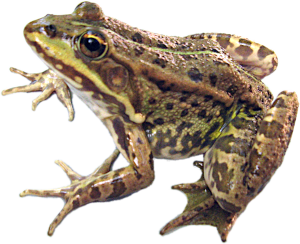

Student Works after Field Practice, Year II - 2013
Alkhovskaya M. S., Kit M. Yu. Analysis of fluctuating asymmetry of the coloration pattern in green frogs (Pelophylax esculentus complex) Baran Yu. M., Ptushko A. G., Beshevets E. A., Meleshko E. V. Study of the structure of the hemiclonal population system of green frogs (Pelophylax esculentus complex) of Is'kov pond (Zmievsky district, Kharkiv region)...
Student Works after Field Practice, Year II - 2008 Student Works after Field Practice, Year II - 2009 Student Works after Field Practice, Year II - 2010 Student Works after Field Practice, Year II - 2011 Student Works after Field Practice, Year II - 2012 (Part I) Student Works after Field Practice, Year II - 2012 (Part II) Student Works after Field Practice, Year II - 2014 Student Works after Field Practice, Year II - 2015 Student Works after Field Practice, Year II - 2016 Student Works after Field Practice, Year II - 2017 Analysis of Fluctuating Asymmetry of the Coloration Pattern in Green Frogs (Pelophylax esculentus complex) Alkhovskaya M. S., Kit M. Yu. V. N. Karazin Kharkiv National University, Faculty of Biology, Department of Zoology, 4 Svobody Sq., Kharkiv, 61077 e-mail: vita1l@mai.ru Fluctuating asymmetry (FA) of bilaterally symmetrical organisms can be regarded as a consequence of instability in their ontogenesis. A number of studies on various vertebrate animals have demonstrated that certain measures of FA may be used to assess the stability or instability of their development. In the vicinity of the V. N. Karazin KhNU biological field station (village of Haidary, Zmievsky district, Kharkiv region), di- and triploid interspecific hybrids of green frogs Pelophylax esculentus and representatives of one of the parental species, Pelophylax ridibundus, are found. Comparison of developmental stability in interspecific hybrids of different ploidy levels and in representatives of the parental species may be informative for understanding the unusual hybridization of green frogs. The coloration pattern of frogs is convenient for study and can be described from photographs. Asymmetry measures of the pattern may be qualitative (expert assessment of pattern correspondence between paired body regions) or quantitative (counting and comparing the number of pattern elements on paired body sections). The aim of this study was to determine the suitability of quantitative and qualitative measures of pattern asymmetry for assessing developmental stability in representatives of the hybridogenetic complex of green frogs. Two random samples of green frogs were taken for the study: 76 individuals caught on 10 July 2013 at Dobrytsky pond in the Homolshansky Forests National Nature Park (Zmievsky district, Kharkiv region), and 40 individuals caught on 30 June 2013 at a pond in the vicinity of the village of Zhovtnevoe (Volchansky district, Kharkiv region). The coloration pattern was described from photographs of the dorsal body surface of the frogs; Statistica software was used for data processing. The following quantitative bilateral traits in representatives of the Pelophylax esculentus complex were subjected to statistical analysis: the number of spots on the back to the left and to the right of the dorsomedial line, and the number of spot-stripes on the outer surface of the thighs. Qualitative traits included: asymmetry of the dorsomedial stripe, asymmetry in the arrangement of spots on the back, and asymmetry in the arrangement of spots on the outer and inner surfaces of the thighs (qualitative traits were scored on a rank scale: 0 - relative symmetry, 1 - mild asymmetry, 2 - pronounced asymmetry). It was established that the selected quantitative and qualitative measures of asymmetry of the coloration pattern in green frogs exhibit distributions characteristic of fluctuating asymmetry. Data processing revealed the following: correlation among the applied pattern asymmetry measures was non-significant; differences between representatives of the parental species and hybrids, between individuals of different sex and ploidy were non-significant for all studied pattern asymmetry measures. The only statistically significant difference was found between individuals from different habitats for one quantitative asymmetry measure - the number of spots on the outer surface of the thighs. The observed differences may reflect not only differences in developmental stability, but also differences in the gene pools of the compared populations (i.e., differences in the characteristic frequencies of different pattern types). Thus, we established that the pattern asymmetry measures examined here are not suitable tools for comparing different forms of green frogs with respect to developmental stability. The question of whether other FA measures - most notably morphometric ones - are suitable for such comparisons remains open. Summary. A study was conducted to assess the fluctuating asymmetry (FA) of the spots on the green frogs' skin. We used quantitative and qualitative features for the analysis. Data was analyzed using statistical program processing. It was found that the species, habitat, sex, age and ploidy are not connected with the manifestation of FA. The authors express gratitude to Associate Professor D. A. Shabanov (Ph.D.) for the idea and scientific supervision of this work. Alkhovskaya M. S., Kit M. Yu. Analysis of fluctuating asymmetry of the coloration pattern in green frogs (Pelophylax esculentus complex) // "Biology: from Molecule to Biosphere". Proceedings of the VIII International Conference of Young Scientists (3-6 December 2013, Kharkiv, Ukraine). - Kh.: FOP Shapovalova T. M., 2013. - pp. 228-229. Study of the Structure of the Hemiclonal Population System of Green Frogs (Pelophylax esculentus complex) of Is'kov Pond (Zmievsky District, Kharkiv Region) Baran Yu. M., Ptushko A. G., Beshevets E. A., Meleshko E. V. V. N. Karazin Kharkiv National University, Faculty of Biology, Department of Plant Physiology and Biochemistry, 4 Svobody Sq., Kharkiv, Ukraine, 61077 e-mail: baran.yuliya@mail.ru The hybridogenetic complex of green frogs, Pelophylax esculentus complex, includes two parental species, Pelophylax lessonae (Camerano, 1882) and Pelophylax ridibundus (Pallas, 1771), as well as their hemiclonal hybrids, Pelophylax esculentus (Linnaeus, 1758). Representatives of this complex that coexist and reproduce together form hemiclonal population systems (HPS) (Shabanov et al., 2009). We investigated the HPS of Is'kov pond (vicinity of the village of Haidary, Zmievsky district, Kharkiv region), which has changed its composition several times in recent years. After the pond was drained in 2000, the population was in a critical state. Since 2009, the size of the offspring has been increasing, triploids have been recorded in the pond, and the number of P. ridibundus has grown. In 2012, a predominance of diploid male P. esculentus was registered, and isolated triploids were also observed. In this context, investigating the mechanisms of change within the HPS and identifying underlying patterns is of considerable interest. The aim of our study was to determine the sex and species composition of the HPS of Is'kov pond, as well as the ratio of diploids to triploids among P. esculentus. Species and sex identity were determined based on a set of morphological characters (Korshunov, 2010). To determine ploidy, the mean erythrocyte length was measured using blood smears prepared according to standard protocols. Data analysis was performed using Statistica 8.0. A total of 38 individuals were examined, including 29 males (76%) and 9 females (24%). The proportion of diploid hybrids in the sample was 79% (30 frogs), triploid P. esculentus accounted for 10.5% (4 individuals, all female), and P. ridibundus comprised 10.5% (4 frogs). The effect of sex on erythrocyte size in diploid frogs was examined, and no significant association was found. Erythrocyte length proved to be independent of frog body length. We found that Is'kov pond is inhabited by a population system of the Ret type. Diploid males of P. esculentus predominate. A significant increase in the proportion of triploids (p<0.02) was registered, along with changes in species and sex composition in 2013 compared to 2012 (Kravchenko, Ogienko, 2012), indicating that the structural transformation of the HPS is ongoing. Summary. The green frogs, living in Is'kov pond (near the village Gaydary in Zmievsky area of the Kharkov region) forms hemiclonal population systems. The main goal of our research was studying of sexual and specific structure and definition of the ratio of diploid and triploid of the population system. Diploid males of P. esculentus prevail. Share of triploids is 10,5 %. Significant relationship of the sex on the size of blood cells doesn't depend on the length of the body. The authors express gratitude to their scientific supervisor, Associate Professor D. A. Shabanov (Ph.D.), as well as to students Mironov R. and Sheraliev F. for their assistance in catching frogs. Baran Yu. M., Ptushko A. G., Beshevets E. A., Meleshko E. V. Study of the structure of the hemiclonal population system of green frogs (Pelophylax esculentus complex) of Is'kov pond (Zmievsky district, Kharkiv region) // "Biology: from Molecule to Biosphere". Proceedings of the VIII International Conference of Young Scientists (3-6 December 2013, Kharkiv, Ukraine). - Kh.: FOP Shapovalova T. M., 2013. - pp. 229-230 Study of the Structure of the Hemiclonal Population System of Green Frogs (Pelophylax esculentus complex) of the Pond near the Village of Zhovtnevoe Laptiy A. Yu., Zyubriy S. A., Meleshko E. V. V. N. Karazin Kharkiv National University, Faculty of Biology, 4 Svobody Sq., Kharkiv, Ukraine e-mail: son.zyubrij@yandex.ru, anna.laptij@mail.ru, meleshko.e.v@gmail.com A distinctive hemiclonal population system (HPS) of green frogs (Pelophylax esculentus complex) inhabits the pond near the village of Zhovtnevoe, Volchansky district, Kharkiv region (N 50˚08'04", E 36˚46'01"). For representatives of this HPS, a significant association between erythrocyte size and sex was demonstrated in 2012 (Klempert, Us, 2012). The HPS includes representatives of the parental species Pelophylax ridibundus (Pallas, 1771), as well as diploid and triploid interspecific hybrids Pelophylax esculentus (Linnaeus, 1758), together forming the HPS. In this study, we re-examined the previously obtained results and determined the HPS composition in 2013. Frogs were collected at night on 30 June 2013. The sample comprised 40 individuals (18 males, 17 females, and 5 immature individuals). Representatives of P. esculentus outnumber P. ridibundus and constitute 83% of the sample. To determine ploidy, an express method of measuring erythrocyte dimensions was applied. Blood smears were prepared using standard methods (Bondareva, 2012). Preparations were photographed, erythrocyte dimensions were measured using PDF-XChange Viewer software, and data were processed in Statistica 8.0. Results are shown in Fig. 1. [IMG_1] Fig. 1. Dependence of erythrocyte length in green frogs on sex and body length Three groups of individuals are visible in Fig. 1. Group I - 2n females and immature individuals. Group II - 3n females and immature individuals (presumably also females). Group III - 2n males. The association between erythrocyte size and sex among diploid individuals was confirmed in our sample as well. Erythrocytes in 2n males are significantly larger than in 2n females (p=0.0005). A distinctive feature of the studied HPS is that triploids are represented exclusively by females. In other HPS of the Seversky Donets diversity center of green frogs where triploids have been found, they are represented by both sexes. This difference suggests that the HPS of the pond near Zhovtnevoe employs an unusual mechanism of triploid reproduction for the study region. Summary. The structure of hemiclonal population systems (HPS) Pelophylax esculentus complex from pond near the village Zhovtnevoe (Volchanskiy district, Kharkiv region) was investigated. The sample includes both the diploids and the triploids. It was determined that the size of erythrocytes diploids is closely associated with sex. Triploids were only females. It seems that triploid in this HPS are generated due to another mechanism compare to other HPS. This work was carried out during the field practice course in vertebrate zoology. The authors thank Associate Professor D. A. Shabanov of the Department of Zoology and Animal Ecology for scientific supervision, and Senior Researcher A. V. Korshunov for assistance in sample collection. Laptiy A. Yu., Zyubriy S. A., Meleshko E. V. Study of the structure of the hemiclonal population system of green frogs (Pelophylax esculentus complex) of the pond near the village of Zhovtnevoe // "Biology: from Molecule to Biosphere". Proceedings of the VIII International Conference of Young Scientists (3-6 December 2013, Kharkiv, Ukraine). - Kh.: FOP Shapovalova T. M., 2013. - pp. 243-244 Study of the Structure of the Population System of Green Frogs (Pelophylax esculentus complex) of the Lower Dobrytsky Pond, Zmievsky District, Kharkiv Region Mikhailenko A. O., Krugovoy D. V., Klysa A. A., Meleshko E. V. V. N. Karazin Kharkiv National University, 4 Svobody Sq., Kharkiv, 61022 e-mail: alena_klysa@mail.ru The green frog group (Pelophylax esculentus complex) includes: Pelophylax lessonae (Camerano, 1882), Pelophylax ridibundus (Pallas, 1771), and their hybrid Pelophylax esculentus (Linnaeus, 1758). They coexist and form hemiclonal population systems (HPS). In this study, the composition of the HPS of green frogs at Dobrytsky pond (territory of the Homolshansky Forests National Nature Park, Zmievsky district, Kharkiv region) was examined. Dobrytsky pond was selected because earlier studies (based on relatively small frog samples) had shown that the proportion of triploid hybrids there is high, and a single tetraploid individual had been registered in its vicinity (Borkin et al., 2005). We determined the sex and species composition and ploidy of frogs from a random (non-selectively collected) sample gathered at Dobrytsky pond on 10 July 2013. Frogs were caught by hand at night along the shoreline of the pond. Species were identified based on a set of morphological characters (Korshunov, 2010). To determine ploidy, blood smears were prepared according to standard protocols (Bondareva, 2012), preparations were photographed, and the mean erythrocyte length was measured using PDF-XChange Viewer software. The data obtained were processed using Statistica 8.0. A total of 76 individuals were examined, of which 46 (60.5%) were males and 30 (39.5%) were females. Analysis of species composition showed that the HPS includes representatives of P. esculentus and P. ridibundus (87% and 13%, respectively). The proportion of diploid individuals in our sample was 76%; triploid individuals (represented by both sexes) accounted for 24% (18 individuals among hybrids were triploids). Comparison with the previous study of this HPS (Kozak, 2012) showed an increase in the proportion of triploids. Statistical analysis showed that erythrocyte length in frogs of the studied HPS does not depend on sex or body length. Thus, the HPS of green frogs at Dobrytsky pond belongs to the Ret type, with diploid individuals of P. esculentus predominating. The sex composition of the HPS includes males and females in approximately equal numbers; triploid individuals were found among both males and females. The effect of sex and body size on erythrocyte dimensions was not significant. Summary. The gemiclonal population system of green frogs in Dobristky pond (NPP "Gomolshanskie forests") was studied. Sexual and specific structure was defined. Also the percentage of triploids of this population system and calculated possible effect of the sex and body size on the size of frog's red blood cells was found. The population system of Dobritsky pond refers to Ret-tipe and diploid males P. esculentus prevail. Any connections with sex or body size and size of red blood cells of frogs was not found. The authors are grateful to D. A. Shabanov for assistance in sample collection and scientific supervision. Mikhailenko A. O., Krugovoy D. V., Klysa A. A., Meleshko E. V. Study of the structure of the population system of green frogs (Pelophylax esculentus complex) of the Lower Dobrytsky pond, Zmievsky district, Kharkiv region // "Biology: from Molecule to Biosphere". Proceedings of the VIII International Conference of Young Scientists (3-6 December 2013, Kharkiv, Ukraine). - Kh.: FOP Shapovalova T. M., 2013. - pp. 250-251. Determination of Ploidy in Metamorphs of Green Frogs from the Seversky Donets Diversity Center of Pelophylax esculentus complex Pyrina I. S., Sapozhnikova V. A., Vegerina A. A. V. N. Karazin Kharkiv National University, Faculty of Biology, Department of Zoology, 4 Svobody Sq., Kharkiv, 61077 e-mail: irina.pyrina@gmail.com The hybridogenetic complex of green frogs (Pelophylax esculentus complex) comprises two parental species: the pool frog Pelophylax lessonae (Camerano, 1882) and the marsh frog Pelophylax ridibundus (Pallas, 1771), which produce hemiclonal hybrids Pelophylax esculentus (Linnaeus, 1758). In the Seversky Donets diversity center of green frogs, where this work was conducted, hybrids are represented by both diploid and triploid individuals. In studies of samples with a higher proportion of immature individuals, the recorded proportion of triploids among hybrids was relatively high, reaching 30% (Borkin et al., 2004), compared to samples consisting exclusively of sexually mature individuals (9% (Mezhzherin et al., 2010) or 11% (Kozak et al., 2012)). This allows us to advance the hypothesis that the proportion of triploids among P. esculentus in the Seversky Donets diversity center of green frogs decreases with age. Possibly, since triploidy is a cytogenetic anomaly, selection reduces the proportion of triploids in older age classes relative to younger ones. We examined endothelial samples and blood smears from 30 metamorphs of green frogs caught in the floodplain of the Seversky Donets River in the vicinity of the village of Haidary, Zmievsky district, Kharkiv region, in late July 2013. Body length and mean erythrocyte length were measured in accordance with the published protocol (Bondareva et al., 2012). Ploidy was determined by counting chromosomes in metaphase plates or by the number of nucleoli. Preparations were made by dropping on a heating stage using the silver-staining method (Birshtein, 1984) with modifications. The study sample consisted of individuals with body lengths ranging from 18.5 to 33.3 mm. Based on mean erythrocyte length values, all frogs were identified as diploid. The mean erythrocyte dimensions in metamorphs ranged from 15.38 to 22.56 μm, which is considerably below the established threshold of 26-28 μm separating erythrocyte sizes of diploids and triploids (Bondareva et al., 2012). The relationship between frog body size and mean erythrocyte length in this study proved non-significant (p=0.3627). In blood smears of metamorphs, erythrocytes of varying morphology were observed, which may be associated with the fact that metamorphs retain blood cells characteristic of tadpoles (Hollyfield, 1966). Karyological analysis likewise confirmed that all metamorphs examined in this study were diploid. Thus, the assumption of a higher proportion of triploids among immature green frogs was not confirmed. The paradoxical absence of triploids in the studied sample requires a specific explanation. In part, this may be related to the fact that the studied sample included representatives of P. ridibundus. It is possible that the proportion of triploids among metamorphs is lower than among adult individuals due to selective mortality of representatives of the parental species arising from hybrid crosses. Fluctuations in the proportion of triploids across different samples may also be influenced by uneven distribution of different frog forms across micro-habitats within the Seversky Donets floodplain. These hypotheses can be tested in future studies using broader material and the methods applied in this work. Summary. The ploidy of the 30 underyearlings of green frogs from the Pelophylax esculentus complex Seversky Donets diversity center was defined. Hypothesis that in samples of underyerlings of green frogs percentage of triploids is higher was not confirmed. All the individuals from the random sample were identified as diploids. It was established that the values of the red blood cells mean length in underyearlings is less than those in adult frogs, and the dependence of the red blood cells mean length on the body length of the studied species is not significant. We express our gratitude to Associate Professor D. A. Shabanov of the Department of Zoology and Animal Ecology, to O. V. Mikhailova and E. V. Meleshko for the idea and assistance in carrying out this work. Pyrina I. S., Sapozhnikova V. A., Vegerina A. A. Determination of ploidy in metamorphs of green frogs from the Seversky Donets diversity center of Pelophylax esculentus complex // "Biology: from Molecule to Biosphere". Proceedings of the VIII International Conference of Young Scientists (3-6 December 2013, Kharkiv, Ukraine). - Kh.: FOP Shapovalova T. M., 2013. - pp. 253-254. Development of a Methodology for Studying the Effect of Metabolites on the Growth and Development of Tadpoles of Pelophylax esculentus complex Sapozhnikova V. A., Pyrina I. S. V. N. Karazin Kharkiv National University, Faculty of Biology, 4 Svobody Sq., Kharkiv, Ukraine e-mail: irina.pyrina@gmail.com It is well established that population density influences the growth and development of organisms within a population. For aquatic animals, it has been shown that this influence is partly mediated by metabolites released into the environment (Schwartz et al., 1976). For certain amphibians, high population density has been shown to exert an inhibitory effect on younger individuals while, conversely, stimulating the growth and development of those at a more advanced developmental stage (Mina, Klevezal, 1976). It is of interest to determine whether such interactions may influence the development of representatives of the hybridogenetic complex of green frogs. We took the first step in developing a methodology for studying the effect of "crowding water" on tadpoles of representatives of Pelophylax esculentus complex. We selected tadpoles of different age groups caught in the Seversky Donets River in July 2013. They were divided into three groups: Group I, the youngest; Group II, intermediate in age and development; and Group III, the oldest. Tadpoles of Group III produced crowding water over 24 hours. Eighteen tadpoles were selected for the experiment and arranged into pairs matched by weight, body length, and limb developmental stage. Each pair consisted of one control individual and one experimental individual. Each age group corresponded to 3-4 pairs. Measurements of weight and determination of developmental stage were conducted every other day. Tadpoles were kept in 100 ml of water; the control group received river water while the experimental group received crowding water. Every two days, tadpoles were fed nettle leaves and the water in the control group was replaced. On the second day of the experiment, one experimental tadpole from each of two pairs in Group I died. On the third day, two additional tadpoles kept in crowding water from Groups I and II died. All tadpoles from the control group survived. Chi-square analysis of mortality showed that mortality in Group I was significantly higher than in Groups II and III. To determine whether this phenomenon was related to the effect of metabolites, the following experiment was conducted. Four pairs of tadpoles from the youngest age group were formed (one control and one experimental per pair). Experimental individuals were placed in the following dilutions of crowding water: pure water, 3:1, 1:1, 1:3. After 24 hours, tadpoles placed in the first two solutions died, while those in the two solutions with lower metabolite concentrations survived. Analysis of weight changes showed a decrease in all groups. The weight loss in Group III was more pronounced. It was determined that age group had a stronger effect on weight change than membership in the control or experimental group. We demonstrated that metabolites influence the growth and development of tadpoles. It appears that the crowding water used in the experiment was too concentrated, which caused high mortality among experimental individuals in the youngest age group. Less harsh maintenance conditions and a more appropriate food source also need to be identified. Summary. Influence of metabolites on the growth and development of tadpoles of Pelopylax esculentus complex was determined. Scheme of the experiment and keeping conditions are described. We express our gratitude to Associate Professor D. A. Shabanov of the Department of Zoology and Animal Ecology for guidance and the idea for this work. Sapozhnikova V. A., Pyrina I. S. Development of a methodology for studying the effect of metabolites on the growth and development of tadpoles of Pelophylax esculentus complex // "Biology: from Molecule to Biosphere". Proceedings of the VIII International Conference of Young Scientists (3-6 December 2013, Kharkiv, Ukraine). - Kh.: FOP Shapovalova T. M., 2013. - pp. 254-255.
Analysis of Fluctuating Asymmetry of the Coloration Pattern in Green Frogs (Pelophylax esculentus complex) Alkhovskaya M. S., Kit M. Yu. V. N. Karazin Kharkiv National University, Faculty of Biology, Department of Zoology, 4 Svobody Sq., Kharkiv, 61077 e-mail: vita1l@mai.ru Fluctuating asymmetry (FA) of bilaterally symmetrical organisms can be regarded as a consequence of instability in their ontogenesis. A number of studies on various vertebrate animals have demonstrated that certain measures of FA may be used to assess the stability or instability of their development. In the vicinity of the V. N. Karazin KhNU biological field station (village of Haidary, Zmievsky district, Kharkiv region), di- and triploid interspecific hybrids of green frogs Pelophylax esculentus and representatives of one of the parental species, Pelophylax ridibundus, are found. Comparison of developmental stability in interspecific hybrids of different ploidy levels and in representatives of the parental species may be informative for understanding the unusual hybridization of green frogs. The coloration pattern of frogs is convenient for study and can be described from photographs. Asymmetry measures of the pattern may be qualitative (expert assessment of pattern correspondence between paired body regions) or quantitative (counting and comparing the number of pattern elements on paired body sections). The aim of this study was to determine the suitability of quantitative and qualitative measures of pattern asymmetry for assessing developmental stability in representatives of the hybridogenetic complex of green frogs. Two random samples of green frogs were taken for the study: 76 individuals caught on 10 July 2013 at Dobrytsky pond in the Homolshansky Forests National Nature Park (Zmievsky district, Kharkiv region), and 40 individuals caught on 30 June 2013 at a pond in the vicinity of the village of Zhovtnevoe (Volchansky district, Kharkiv region). The coloration pattern was described from photographs of the dorsal body surface of the frogs; Statistica software was used for data processing. The following quantitative bilateral traits in representatives of the Pelophylax esculentus complex were subjected to statistical analysis: the number of spots on the back to the left and to the right of the dorsomedial line, and the number of spot-stripes on the outer surface of the thighs. Qualitative traits included: asymmetry of the dorsomedial stripe, asymmetry in the arrangement of spots on the back, and asymmetry in the arrangement of spots on the outer and inner surfaces of the thighs (qualitative traits were scored on a rank scale: 0 - relative symmetry, 1 - mild asymmetry, 2 - pronounced asymmetry). It was established that the selected quantitative and qualitative measures of asymmetry of the coloration pattern in green frogs exhibit distributions characteristic of fluctuating asymmetry. Data processing revealed the following: correlation among the applied pattern asymmetry measures was non-significant; differences between representatives of the parental species and hybrids, between individuals of different sex and ploidy were non-significant for all studied pattern asymmetry measures. The only statistically significant difference was found between individuals from different habitats for one quantitative asymmetry measure - the number of spots on the outer surface of the thighs. The observed differences may reflect not only differences in developmental stability, but also differences in the gene pools of the compared populations (i.e., differences in the characteristic frequencies of different pattern types). Thus, we established that the pattern asymmetry measures examined here are not suitable tools for comparing different forms of green frogs with respect to developmental stability. The question of whether other FA measures - most notably morphometric ones - are suitable for such comparisons remains open. Summary. A study was conducted to assess the fluctuating asymmetry (FA) of the spots on the green frogs' skin. We used quantitative and qualitative features for the analysis. Data was analyzed using statistical program processing. It was found that the species, habitat, sex, age and ploidy are not connected with the manifestation of FA. The authors express gratitude to Associate Professor D. A. Shabanov (Ph.D.) for the idea and scientific supervision of this work. Alkhovskaya M. S., Kit M. Yu. Analysis of fluctuating asymmetry of the coloration pattern in green frogs (Pelophylax esculentus complex) // "Biology: from Molecule to Biosphere". Proceedings of the VIII International Conference of Young Scientists (3-6 December 2013, Kharkiv, Ukraine). - Kh.: FOP Shapovalova T. M., 2013. - pp. 228-229. Study of the Structure of the Hemiclonal Population System of Green Frogs (Pelophylax esculentus complex) of Is'kov Pond (Zmievsky District, Kharkiv Region) Baran Yu. M., Ptushko A. G., Beshevets E. A., Meleshko E. V. V. N. Karazin Kharkiv National University, Faculty of Biology, Department of Plant Physiology and Biochemistry, 4 Svobody Sq., Kharkiv, Ukraine, 61077 e-mail: baran.yuliya@mail.ru The hybridogenetic complex of green frogs, Pelophylax esculentus complex, includes two parental species, Pelophylax lessonae (Camerano, 1882) and Pelophylax ridibundus (Pallas, 1771), as well as their hemiclonal hybrids, Pelophylax esculentus (Linnaeus, 1758). Representatives of this complex that coexist and reproduce together form hemiclonal population systems (HPS) (Shabanov et al., 2009). We investigated the HPS of Is'kov pond (vicinity of the village of Haidary, Zmievsky district, Kharkiv region), which has changed its composition several times in recent years. After the pond was drained in 2000, the population was in a critical state. Since 2009, the size of the offspring has been increasing, triploids have been recorded in the pond, and the number of P. ridibundus has grown. In 2012, a predominance of diploid male P. esculentus was registered, and isolated triploids were also observed. In this context, investigating the mechanisms of change within the HPS and identifying underlying patterns is of considerable interest. The aim of our study was to determine the sex and species composition of the HPS of Is'kov pond, as well as the ratio of diploids to triploids among P. esculentus. Species and sex identity were determined based on a set of morphological characters (Korshunov, 2010). To determine ploidy, the mean erythrocyte length was measured using blood smears prepared according to standard protocols. Data analysis was performed using Statistica 8.0. A total of 38 individuals were examined, including 29 males (76%) and 9 females (24%). The proportion of diploid hybrids in the sample was 79% (30 frogs), triploid P. esculentus accounted for 10.5% (4 individuals, all female), and P. ridibundus comprised 10.5% (4 frogs). The effect of sex on erythrocyte size in diploid frogs was examined, and no significant association was found. Erythrocyte length proved to be independent of frog body length. We found that Is'kov pond is inhabited by a population system of the Ret type. Diploid males of P. esculentus predominate. A significant increase in the proportion of triploids (p<0.02) was registered, along with changes in species and sex composition in 2013 compared to 2012 (Kravchenko, Ogienko, 2012), indicating that the structural transformation of the HPS is ongoing. Summary. The green frogs, living in Is'kov pond (near the village Gaydary in Zmievsky area of the Kharkov region) forms hemiclonal population systems. The main goal of our research was studying of sexual and specific structure and definition of the ratio of diploid and triploid of the population system. Diploid males of P. esculentus prevail. Share of triploids is 10,5 %. Significant relationship of the sex on the size of blood cells doesn't depend on the length of the body. The authors express gratitude to their scientific supervisor, Associate Professor D. A. Shabanov (Ph.D.), as well as to students Mironov R. and Sheraliev F. for their assistance in catching frogs. Baran Yu. M., Ptushko A. G., Beshevets E. A., Meleshko E. V. Study of the structure of the hemiclonal population system of green frogs (Pelophylax esculentus complex) of Is'kov pond (Zmievsky district, Kharkiv region) // "Biology: from Molecule to Biosphere". Proceedings of the VIII International Conference of Young Scientists (3-6 December 2013, Kharkiv, Ukraine). - Kh.: FOP Shapovalova T. M., 2013. - pp. 229-230 Study of the Structure of the Hemiclonal Population System of Green Frogs (Pelophylax esculentus complex) of the Pond near the Village of Zhovtnevoe Laptiy A. Yu., Zyubriy S. A., Meleshko E. V. V. N. Karazin Kharkiv National University, Faculty of Biology, 4 Svobody Sq., Kharkiv, Ukraine e-mail: son.zyubrij@yandex.ru, anna.laptij@mail.ru, meleshko.e.v@gmail.com A distinctive hemiclonal population system (HPS) of green frogs (Pelophylax esculentus complex) inhabits the pond near the village of Zhovtnevoe, Volchansky district, Kharkiv region (N 50˚08'04", E 36˚46'01"). For representatives of this HPS, a significant association between erythrocyte size and sex was demonstrated in 2012 (Klempert, Us, 2012). The HPS includes representatives of the parental species Pelophylax ridibundus (Pallas, 1771), as well as diploid and triploid interspecific hybrids Pelophylax esculentus (Linnaeus, 1758), together forming the HPS. In this study, we re-examined the previously obtained results and determined the HPS composition in 2013. Frogs were collected at night on 30 June 2013. The sample comprised 40 individuals (18 males, 17 females, and 5 immature individuals). Representatives of P. esculentus outnumber P. ridibundus and constitute 83% of the sample. To determine ploidy, an express method of measuring erythrocyte dimensions was applied. Blood smears were prepared using standard methods (Bondareva, 2012). Preparations were photographed, erythrocyte dimensions were measured using PDF-XChange Viewer software, and data were processed in Statistica 8.0. Results are shown in Fig. 1. [IMG_1] Fig. 1. Dependence of erythrocyte length in green frogs on sex and body length Three groups of individuals are visible in Fig. 1. Group I - 2n females and immature individuals. Group II - 3n females and immature individuals (presumably also females). Group III - 2n males. The association between erythrocyte size and sex among diploid individuals was confirmed in our sample as well. Erythrocytes in 2n males are significantly larger than in 2n females (p=0.0005). A distinctive feature of the studied HPS is that triploids are represented exclusively by females. In other HPS of the Seversky Donets diversity center of green frogs where triploids have been found, they are represented by both sexes. This difference suggests that the HPS of the pond near Zhovtnevoe employs an unusual mechanism of triploid reproduction for the study region. Summary. The structure of hemiclonal population systems (HPS) Pelophylax esculentus complex from pond near the village Zhovtnevoe (Volchanskiy district, Kharkiv region) was investigated. The sample includes both the diploids and the triploids. It was determined that the size of erythrocytes diploids is closely associated with sex. Triploids were only females. It seems that triploid in this HPS are generated due to another mechanism compare to other HPS. This work was carried out during the field practice course in vertebrate zoology. The authors thank Associate Professor D. A. Shabanov of the Department of Zoology and Animal Ecology for scientific supervision, and Senior Researcher A. V. Korshunov for assistance in sample collection. Laptiy A. Yu., Zyubriy S. A., Meleshko E. V. Study of the structure of the hemiclonal population system of green frogs (Pelophylax esculentus complex) of the pond near the village of Zhovtnevoe // "Biology: from Molecule to Biosphere". Proceedings of the VIII International Conference of Young Scientists (3-6 December 2013, Kharkiv, Ukraine). - Kh.: FOP Shapovalova T. M., 2013. - pp. 243-244 Study of the Structure of the Population System of Green Frogs (Pelophylax esculentus complex) of the Lower Dobrytsky Pond, Zmievsky District, Kharkiv Region Mikhailenko A. O., Krugovoy D. V., Klysa A. A., Meleshko E. V. V. N. Karazin Kharkiv National University, 4 Svobody Sq., Kharkiv, 61022 e-mail: alena_klysa@mail.ru The green frog group (Pelophylax esculentus complex) includes: Pelophylax lessonae (Camerano, 1882), Pelophylax ridibundus (Pallas, 1771), and their hybrid Pelophylax esculentus (Linnaeus, 1758). They coexist and form hemiclonal population systems (HPS). In this study, the composition of the HPS of green frogs at Dobrytsky pond (territory of the Homolshansky Forests National Nature Park, Zmievsky district, Kharkiv region) was examined. Dobrytsky pond was selected because earlier studies (based on relatively small frog samples) had shown that the proportion of triploid hybrids there is high, and a single tetraploid individual had been registered in its vicinity (Borkin et al., 2005). We determined the sex and species composition and ploidy of frogs from a random (non-selectively collected) sample gathered at Dobrytsky pond on 10 July 2013. Frogs were caught by hand at night along the shoreline of the pond. Species were identified based on a set of morphological characters (Korshunov, 2010). To determine ploidy, blood smears were prepared according to standard protocols (Bondareva, 2012), preparations were photographed, and the mean erythrocyte length was measured using PDF-XChange Viewer software. The data obtained were processed using Statistica 8.0. A total of 76 individuals were examined, of which 46 (60.5%) were males and 30 (39.5%) were females. Analysis of species composition showed that the HPS includes representatives of P. esculentus and P. ridibundus (87% and 13%, respectively). The proportion of diploid individuals in our sample was 76%; triploid individuals (represented by both sexes) accounted for 24% (18 individuals among hybrids were triploids). Comparison with the previous study of this HPS (Kozak, 2012) showed an increase in the proportion of triploids. Statistical analysis showed that erythrocyte length in frogs of the studied HPS does not depend on sex or body length. Thus, the HPS of green frogs at Dobrytsky pond belongs to the Ret type, with diploid individuals of P. esculentus predominating. The sex composition of the HPS includes males and females in approximately equal numbers; triploid individuals were found among both males and females. The effect of sex and body size on erythrocyte dimensions was not significant. Summary. The gemiclonal population system of green frogs in Dobristky pond (NPP "Gomolshanskie forests") was studied. Sexual and specific structure was defined. Also the percentage of triploids of this population system and calculated possible effect of the sex and body size on the size of frog's red blood cells was found. The population system of Dobritsky pond refers to Ret-tipe and diploid males P. esculentus prevail. Any connections with sex or body size and size of red blood cells of frogs was not found. The authors are grateful to D. A. Shabanov for assistance in sample collection and scientific supervision. Mikhailenko A. O., Krugovoy D. V., Klysa A. A., Meleshko E. V. Study of the structure of the population system of green frogs (Pelophylax esculentus complex) of the Lower Dobrytsky pond, Zmievsky district, Kharkiv region // "Biology: from Molecule to Biosphere". Proceedings of the VIII International Conference of Young Scientists (3-6 December 2013, Kharkiv, Ukraine). - Kh.: FOP Shapovalova T. M., 2013. - pp. 250-251. Determination of Ploidy in Metamorphs of Green Frogs from the Seversky Donets Diversity Center of Pelophylax esculentus complex Pyrina I. S., Sapozhnikova V. A., Vegerina A. A. V. N. Karazin Kharkiv National University, Faculty of Biology, Department of Zoology, 4 Svobody Sq., Kharkiv, 61077 e-mail: irina.pyrina@gmail.com The hybridogenetic complex of green frogs (Pelophylax esculentus complex) comprises two parental species: the pool frog Pelophylax lessonae (Camerano, 1882) and the marsh frog Pelophylax ridibundus (Pallas, 1771), which produce hemiclonal hybrids Pelophylax esculentus (Linnaeus, 1758). In the Seversky Donets diversity center of green frogs, where this work was conducted, hybrids are represented by both diploid and triploid individuals. In studies of samples with a higher proportion of immature individuals, the recorded proportion of triploids among hybrids was relatively high, reaching 30% (Borkin et al., 2004), compared to samples consisting exclusively of sexually mature individuals (9% (Mezhzherin et al., 2010) or 11% (Kozak et al., 2012)). This allows us to advance the hypothesis that the proportion of triploids among P. esculentus in the Seversky Donets diversity center of green frogs decreases with age. Possibly, since triploidy is a cytogenetic anomaly, selection reduces the proportion of triploids in older age classes relative to younger ones. We examined endothelial samples and blood smears from 30 metamorphs of green frogs caught in the floodplain of the Seversky Donets River in the vicinity of the village of Haidary, Zmievsky district, Kharkiv region, in late July 2013. Body length and mean erythrocyte length were measured in accordance with the published protocol (Bondareva et al., 2012). Ploidy was determined by counting chromosomes in metaphase plates or by the number of nucleoli. Preparations were made by dropping on a heating stage using the silver-staining method (Birshtein, 1984) with modifications. The study sample consisted of individuals with body lengths ranging from 18.5 to 33.3 mm. Based on mean erythrocyte length values, all frogs were identified as diploid. The mean erythrocyte dimensions in metamorphs ranged from 15.38 to 22.56 μm, which is considerably below the established threshold of 26-28 μm separating erythrocyte sizes of diploids and triploids (Bondareva et al., 2012). The relationship between frog body size and mean erythrocyte length in this study proved non-significant (p=0.3627). In blood smears of metamorphs, erythrocytes of varying morphology were observed, which may be associated with the fact that metamorphs retain blood cells characteristic of tadpoles (Hollyfield, 1966). Karyological analysis likewise confirmed that all metamorphs examined in this study were diploid. Thus, the assumption of a higher proportion of triploids among immature green frogs was not confirmed. The paradoxical absence of triploids in the studied sample requires a specific explanation. In part, this may be related to the fact that the studied sample included representatives of P. ridibundus. It is possible that the proportion of triploids among metamorphs is lower than among adult individuals due to selective mortality of representatives of the parental species arising from hybrid crosses. Fluctuations in the proportion of triploids across different samples may also be influenced by uneven distribution of different frog forms across micro-habitats within the Seversky Donets floodplain. These hypotheses can be tested in future studies using broader material and the methods applied in this work. Summary. The ploidy of the 30 underyearlings of green frogs from the Pelophylax esculentus complex Seversky Donets diversity center was defined. Hypothesis that in samples of underyerlings of green frogs percentage of triploids is higher was not confirmed. All the individuals from the random sample were identified as diploids. It was established that the values of the red blood cells mean length in underyearlings is less than those in adult frogs, and the dependence of the red blood cells mean length on the body length of the studied species is not significant. We express our gratitude to Associate Professor D. A. Shabanov of the Department of Zoology and Animal Ecology, to O. V. Mikhailova and E. V. Meleshko for the idea and assistance in carrying out this work. Pyrina I. S., Sapozhnikova V. A., Vegerina A. A. Determination of ploidy in metamorphs of green frogs from the Seversky Donets diversity center of Pelophylax esculentus complex // "Biology: from Molecule to Biosphere". Proceedings of the VIII International Conference of Young Scientists (3-6 December 2013, Kharkiv, Ukraine). - Kh.: FOP Shapovalova T. M., 2013. - pp. 253-254. Development of a Methodology for Studying the Effect of Metabolites on the Growth and Development of Tadpoles of Pelophylax esculentus complex Sapozhnikova V. A., Pyrina I. S. V. N. Karazin Kharkiv National University, Faculty of Biology, 4 Svobody Sq., Kharkiv, Ukraine e-mail: irina.pyrina@gmail.com It is well established that population density influences the growth and development of organisms within a population. For aquatic animals, it has been shown that this influence is partly mediated by metabolites released into the environment (Schwartz et al., 1976). For certain amphibians, high population density has been shown to exert an inhibitory effect on younger individuals while, conversely, stimulating the growth and development of those at a more advanced developmental stage (Mina, Klevezal, 1976). It is of interest to determine whether such interactions may influence the development of representatives of the hybridogenetic complex of green frogs. We took the first step in developing a methodology for studying the effect of "crowding water" on tadpoles of representatives of Pelophylax esculentus complex. We selected tadpoles of different age groups caught in the Seversky Donets River in July 2013. They were divided into three groups: Group I, the youngest; Group II, intermediate in age and development; and Group III, the oldest. Tadpoles of Group III produced crowding water over 24 hours. Eighteen tadpoles were selected for the experiment and arranged into pairs matched by weight, body length, and limb developmental stage. Each pair consisted of one control individual and one experimental individual. Each age group corresponded to 3-4 pairs. Measurements of weight and determination of developmental stage were conducted every other day. Tadpoles were kept in 100 ml of water; the control group received river water while the experimental group received crowding water. Every two days, tadpoles were fed nettle leaves and the water in the control group was replaced. On the second day of the experiment, one experimental tadpole from each of two pairs in Group I died. On the third day, two additional tadpoles kept in crowding water from Groups I and II died. All tadpoles from the control group survived. Chi-square analysis of mortality showed that mortality in Group I was significantly higher than in Groups II and III. To determine whether this phenomenon was related to the effect of metabolites, the following experiment was conducted. Four pairs of tadpoles from the youngest age group were formed (one control and one experimental per pair). Experimental individuals were placed in the following dilutions of crowding water: pure water, 3:1, 1:1, 1:3. After 24 hours, tadpoles placed in the first two solutions died, while those in the two solutions with lower metabolite concentrations survived. Analysis of weight changes showed a decrease in all groups. The weight loss in Group III was more pronounced. It was determined that age group had a stronger effect on weight change than membership in the control or experimental group. We demonstrated that metabolites influence the growth and development of tadpoles. It appears that the crowding water used in the experiment was too concentrated, which caused high mortality among experimental individuals in the youngest age group. Less harsh maintenance conditions and a more appropriate food source also need to be identified. Summary. Influence of metabolites on the growth and development of tadpoles of Pelopylax esculentus complex was determined. Scheme of the experiment and keeping conditions are described. We express our gratitude to Associate Professor D. A. Shabanov of the Department of Zoology and Animal Ecology for guidance and the idea for this work. Sapozhnikova V. A., Pyrina I. S. Development of a methodology for studying the effect of metabolites on the growth and development of tadpoles of Pelophylax esculentus complex // "Biology: from Molecule to Biosphere". Proceedings of the VIII International Conference of Young Scientists (3-6 December 2013, Kharkiv, Ukraine). - Kh.: FOP Shapovalova T. M., 2013. - pp. 254-255.