

Spawning of Common Toads in March 2014. Part II: March 26. Beginning of Spawning
As late as Sunday, March 23, despite warm weather, no spawning of common toads was observed. Nevertheless, on Wednesday the 26th, we decided to go to Haidary with 4th-year students — and we were right.
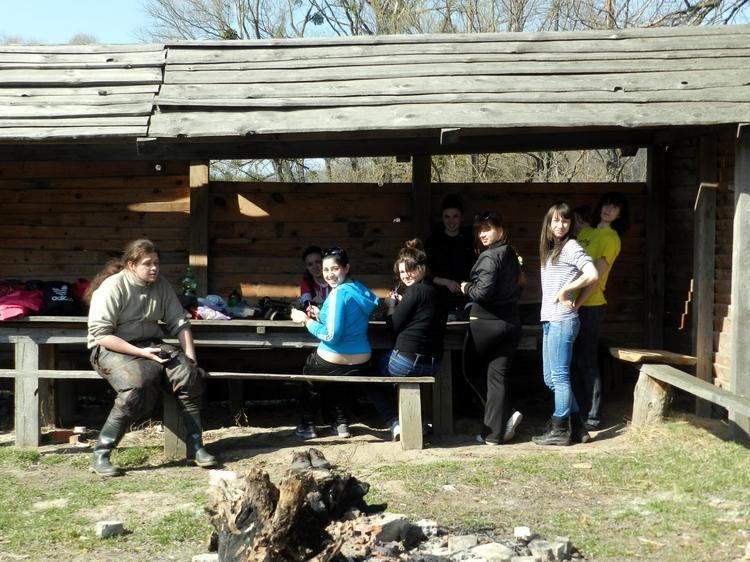
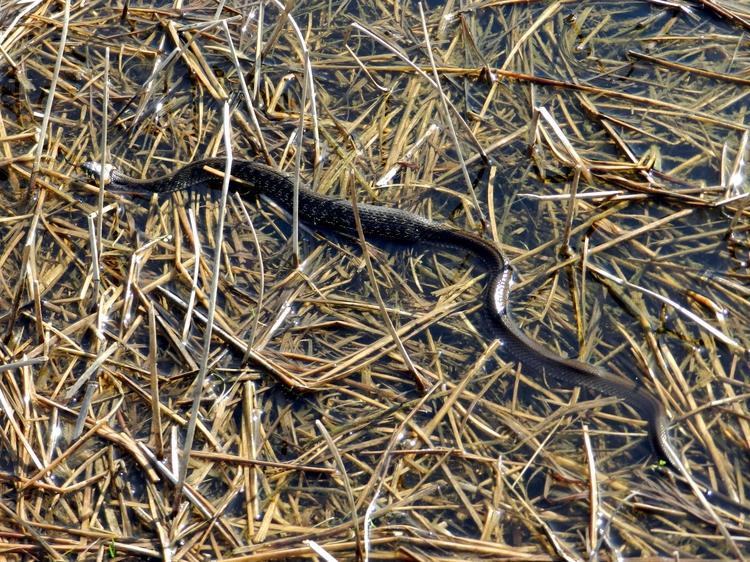
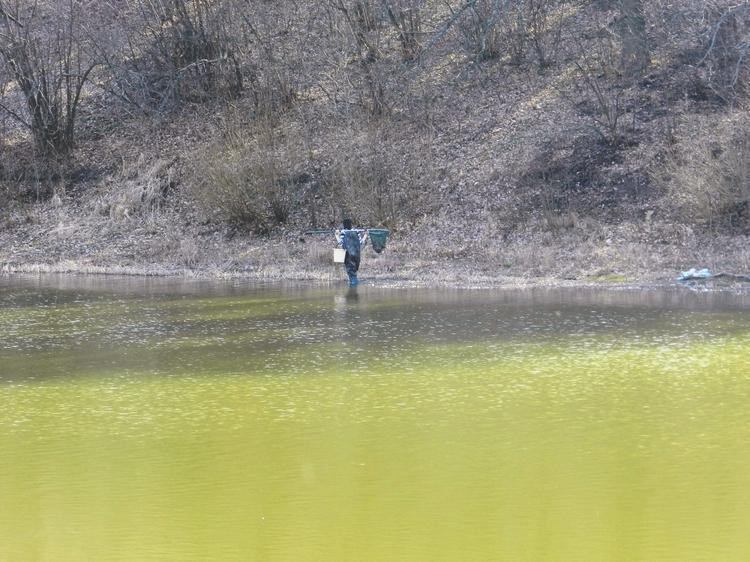
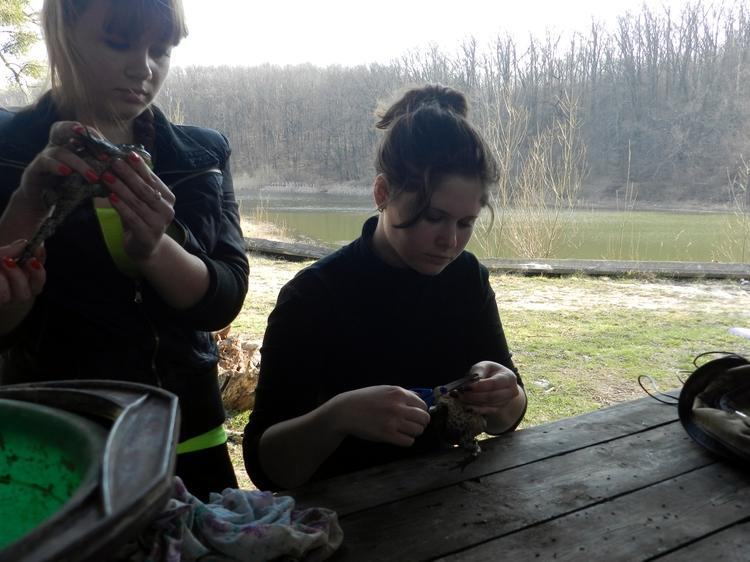
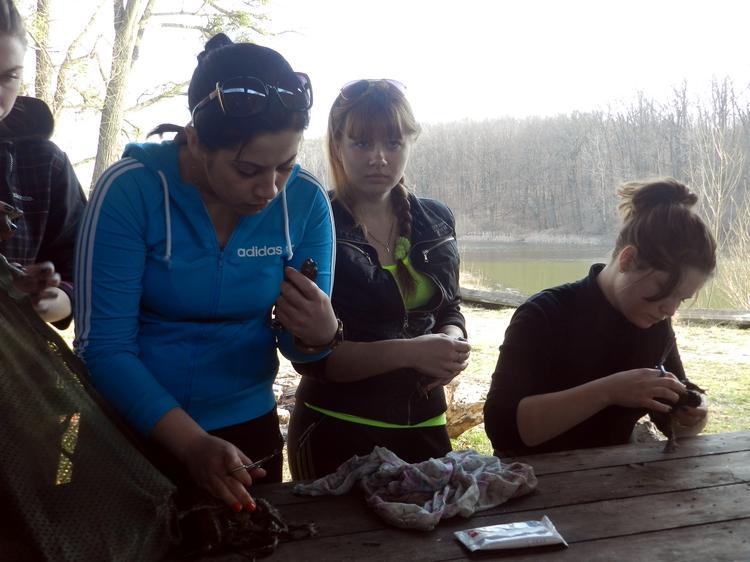
Even on Sunday, March 23rd, despite the warm weather, there was no spawning of common toads. However, no less, on Wednesday, the 26th, my students and I decided to go to Gaydary. And we were not mistaken. The first part of the work at the pond was not reflected in the photos. We arrived. We saw that spawning was underway. Andrey and I put on waders and collected a bag of toads each. I asked the girls to process the collected material. This processing consists of checking if there are any marks from previous years on the frogs, and then applying new marks. The marks are applied, unfortunately, by a rather harsh method: by cutting off toes. The marked frogs are counted and released. Having made sure that the process was going as it should, I went fishing again. This one has eaten very thoroughly recently.
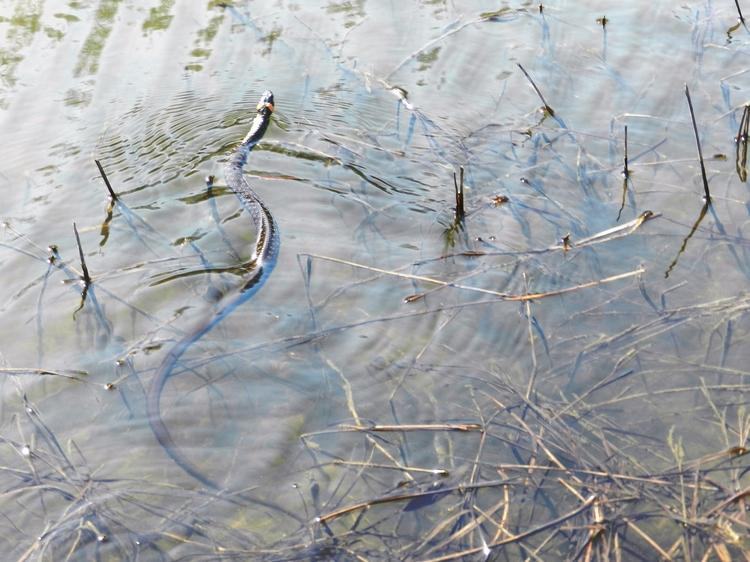
In the first photo, he doesn't see me yet.
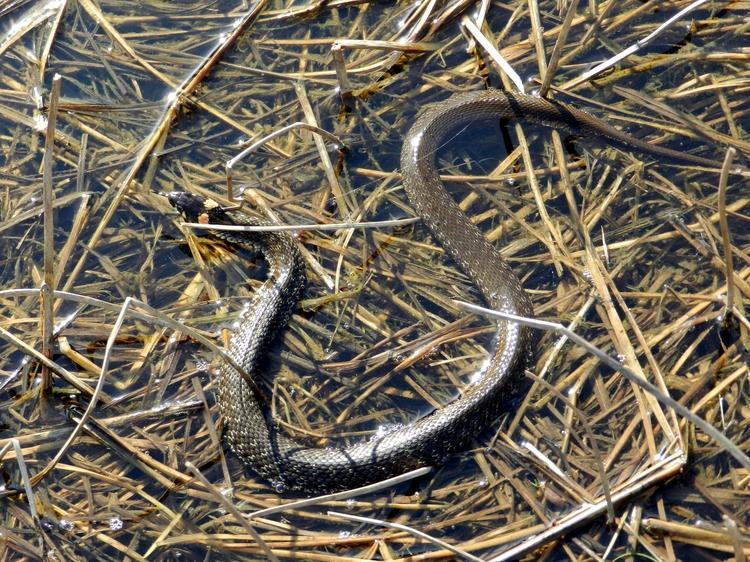
And here - he saw me. Apparently, because of his bloated belly, he appears clumsy, he began to pretend to be a cobra, flattening his neck into a kind of hood.
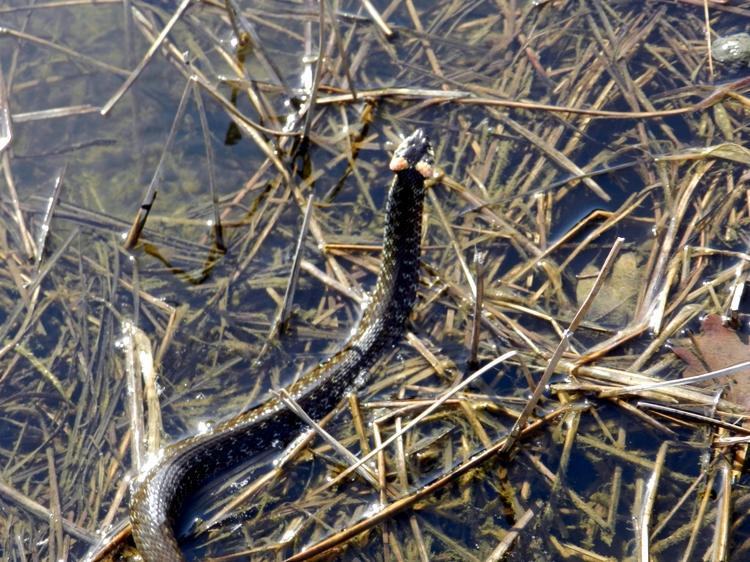
Isn't he like a cobra? He scared me and swam away. Spawning has just begun.
There are over twenty males per female; no one has laid eggs yet.
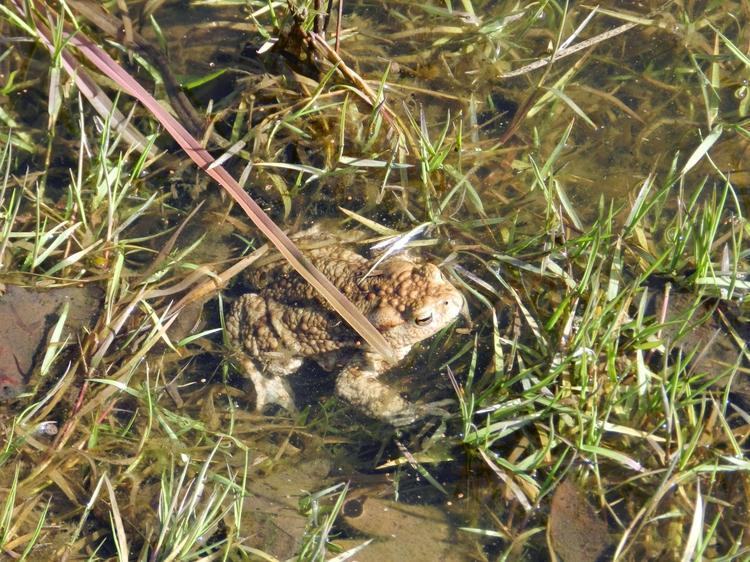
The vast majority of males sit alone.
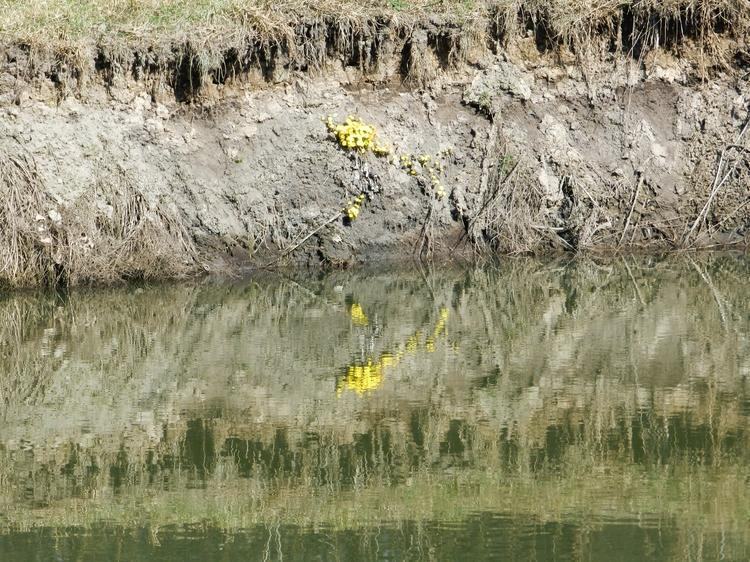
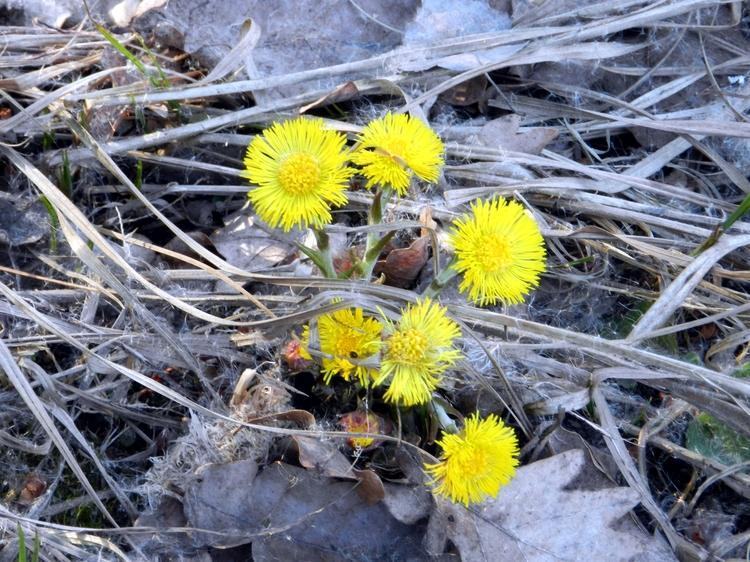
Coltsfoot is still blooming.
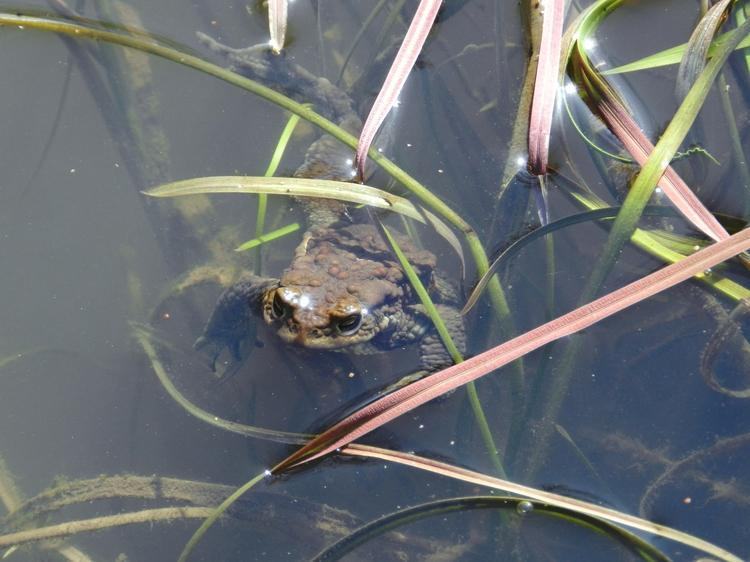
In the grass thickets, male common toads rise to the surface.
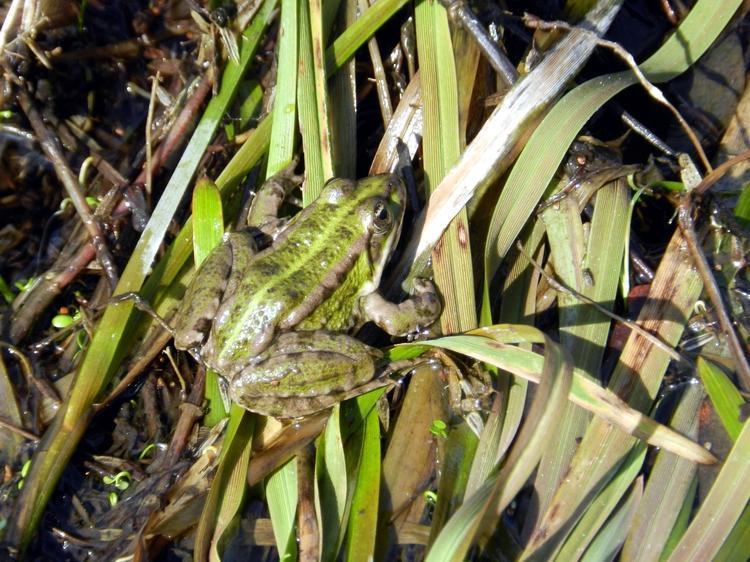
Here I also photographed the only green frog I encountered that day.
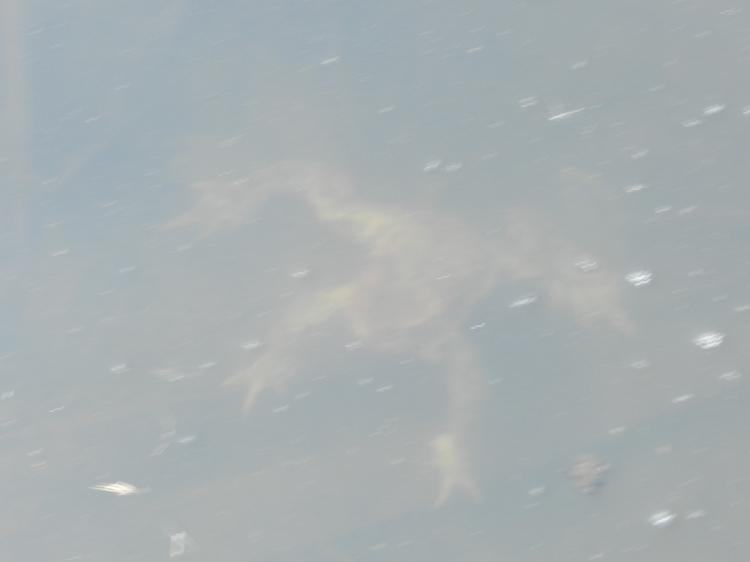
Most of the males sit at the bottom, about forty centimeters deep. It's not easy to see them from the surface.
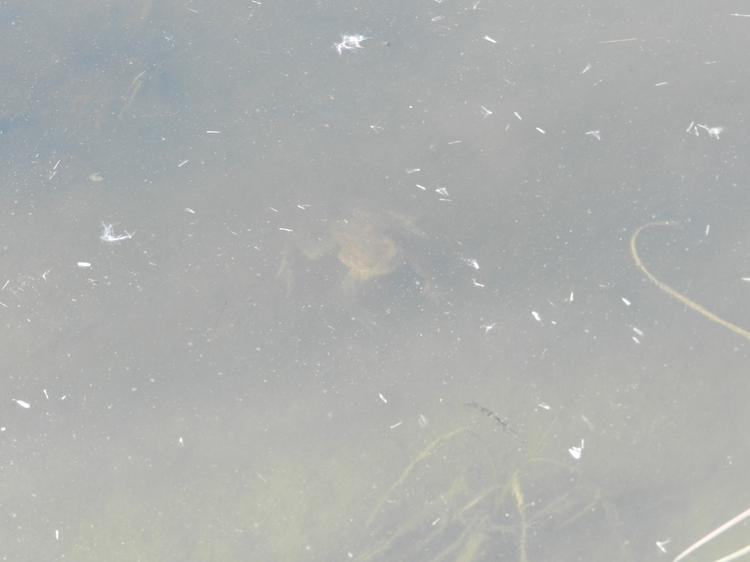
I think this behavior is related to the fact that the frogs sense the approaching cold snap, which the forecasters are predicting. See? Daniil and Olya ran to the biological station and brought some supplies needed for catching and marking. After that, they also decided to catch common toads in waders.
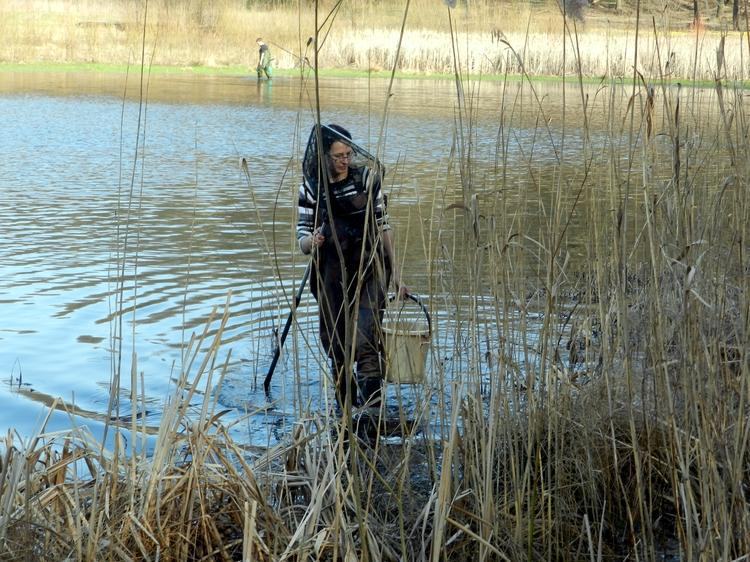
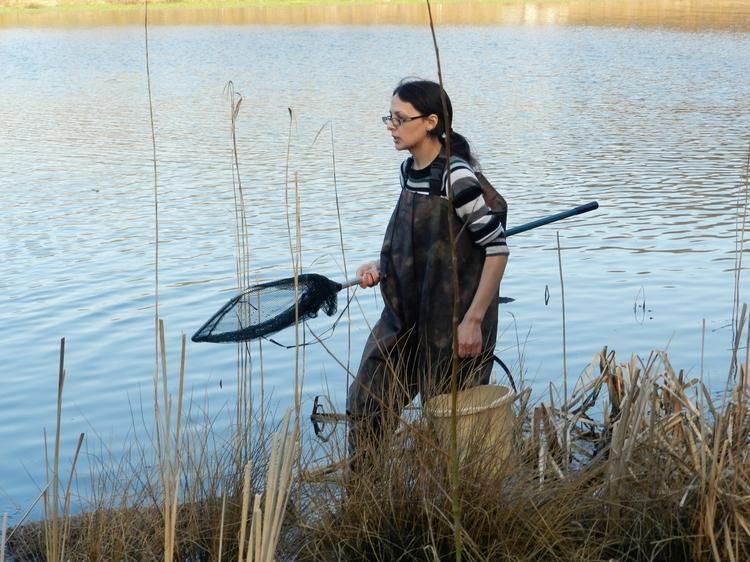
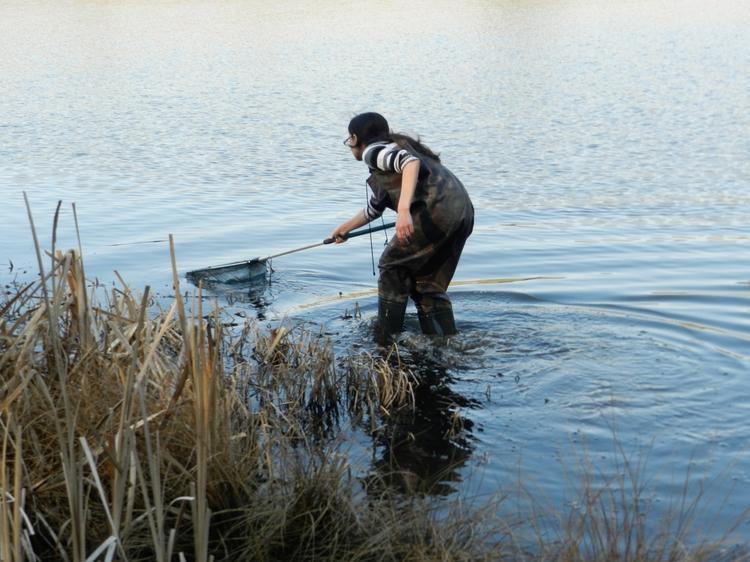
Olya is a grateful subject for photography.
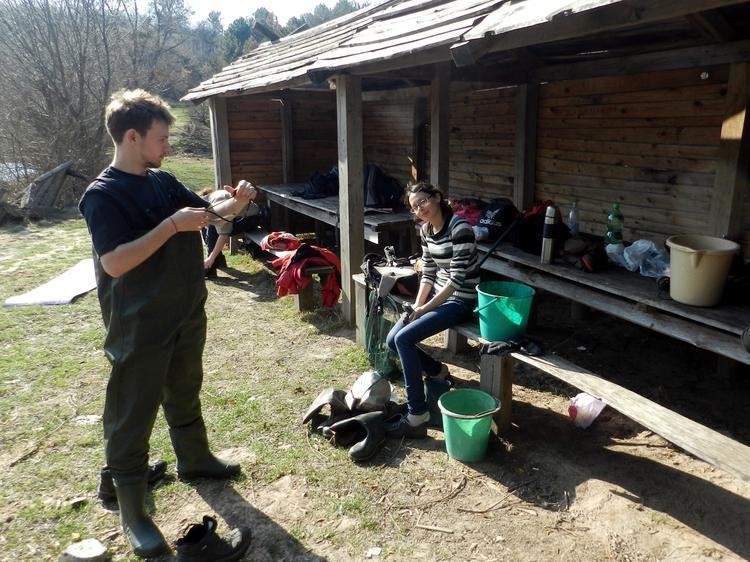
No, not that she is grateful - she always gets indignant. But the photos that turn out warm my soul. I could have taken it by hand, of course, but with a net - it's more beautiful.
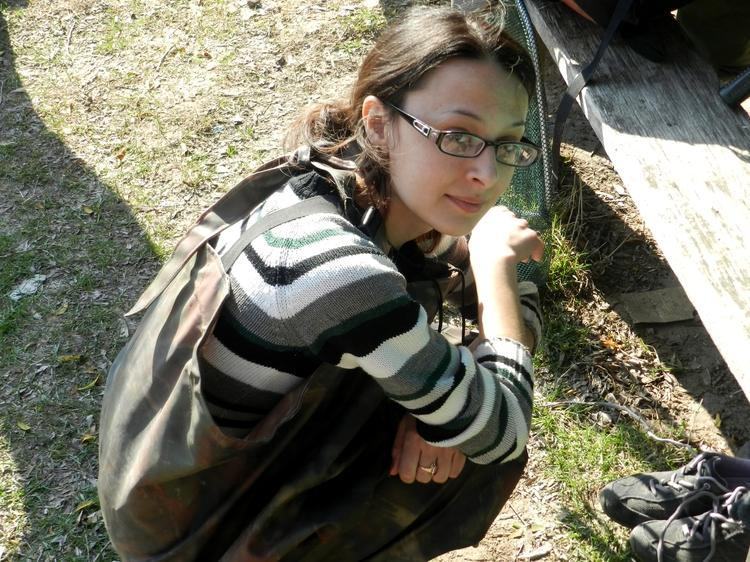
She is indignant that I am photographing her. To learn to see toads sitting at the bottom, you need to develop a certain eye. This toad spawning, during which we are marking, is the fifteenth.
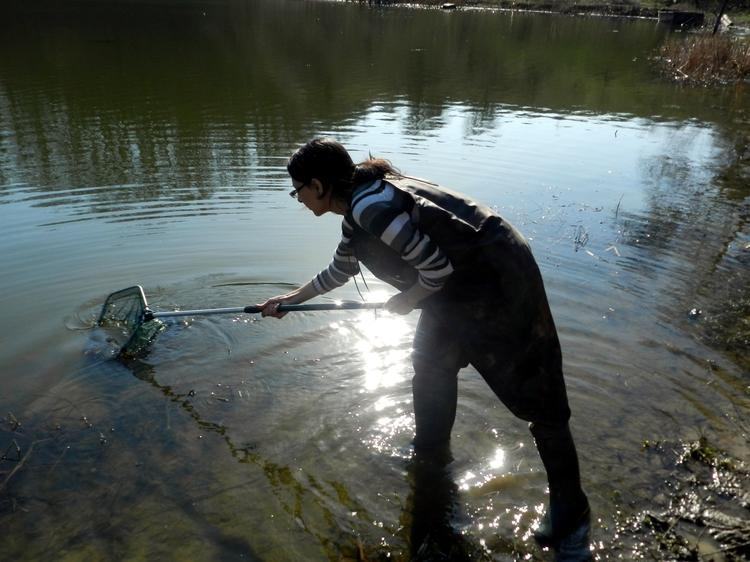
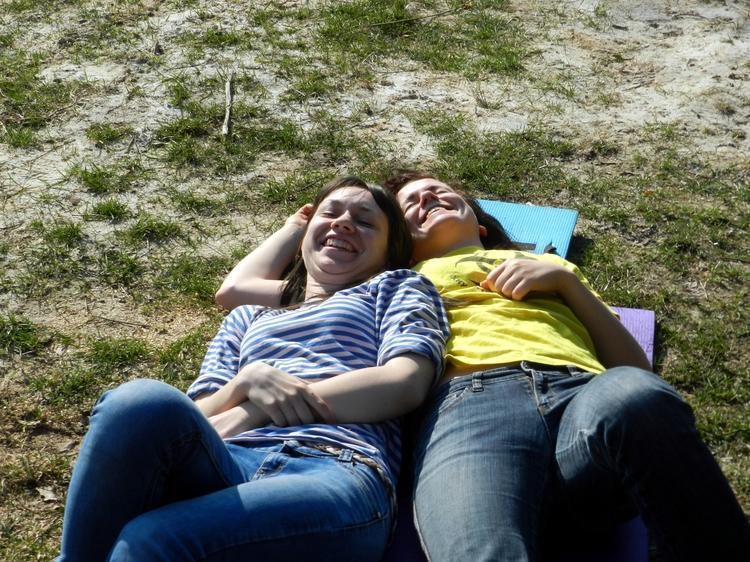
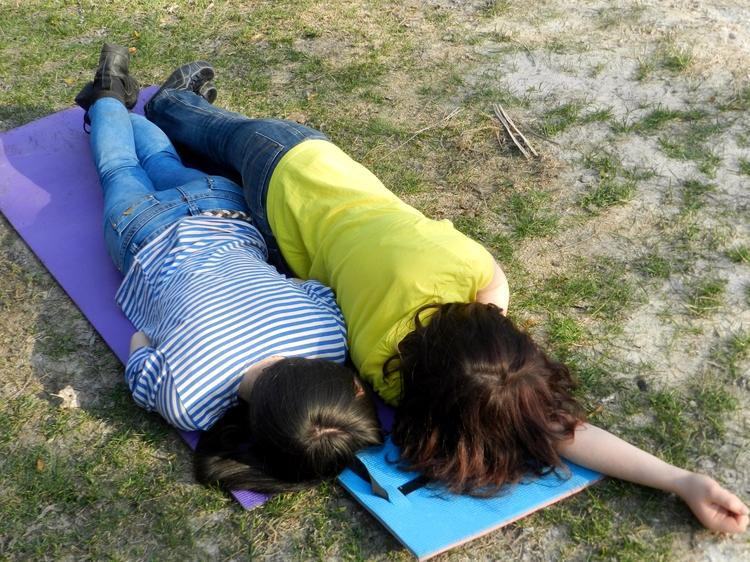
And, in my opinion, the first one during which it was possible to sunbathe.
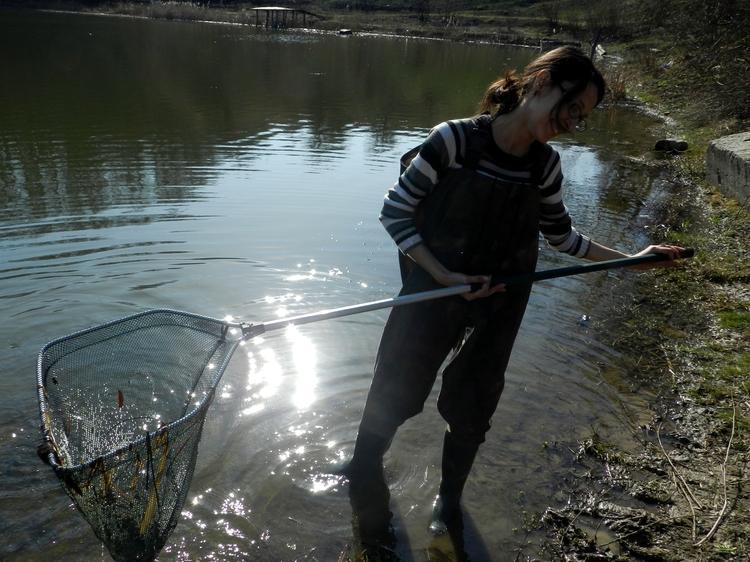
Some are warming themselves in the sun... ...and others are walking in cold water.
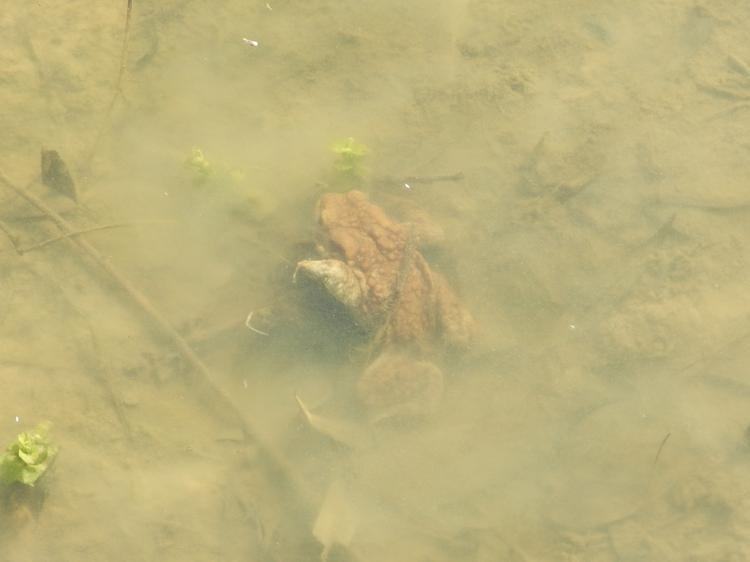
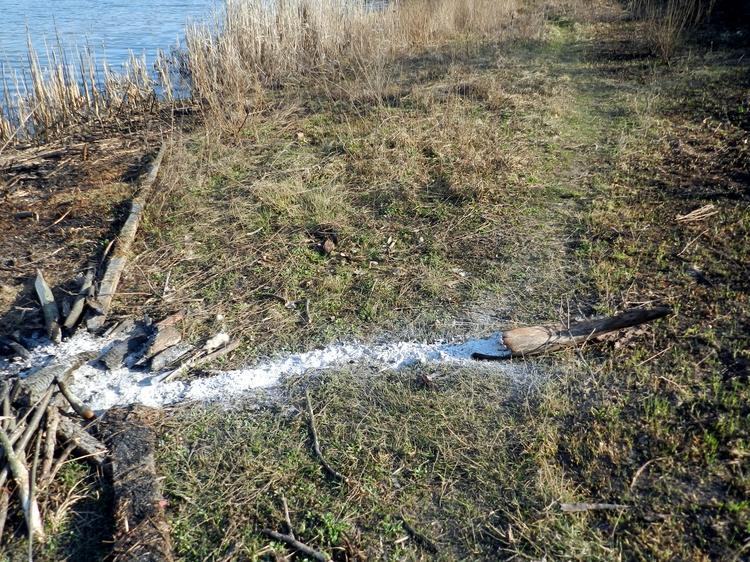
In the fire, the remains of which are visible on the left, there was a log.
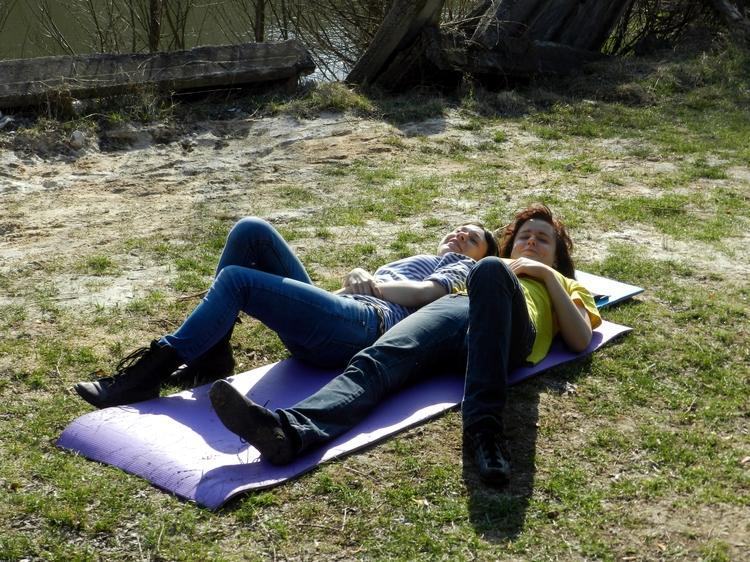
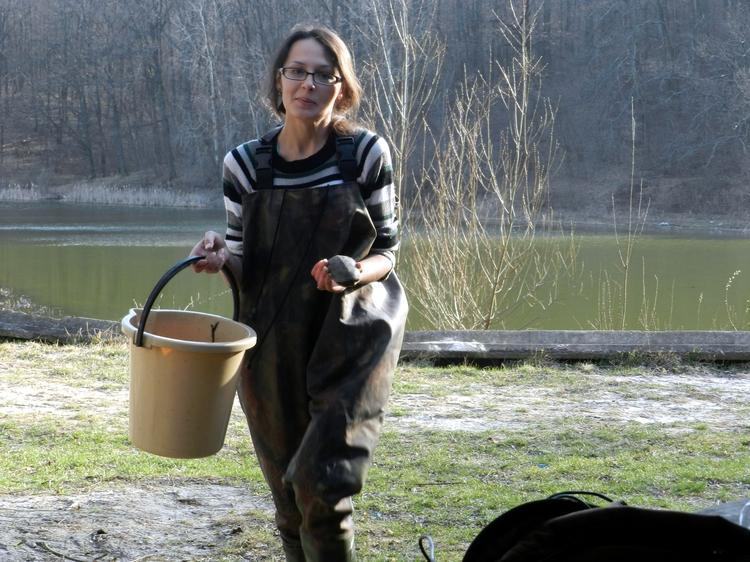
When the fire died down, the log gradually burned out. It didn't quite burn out. This is me coming to pick up the caught toads and take some photos at the same time.
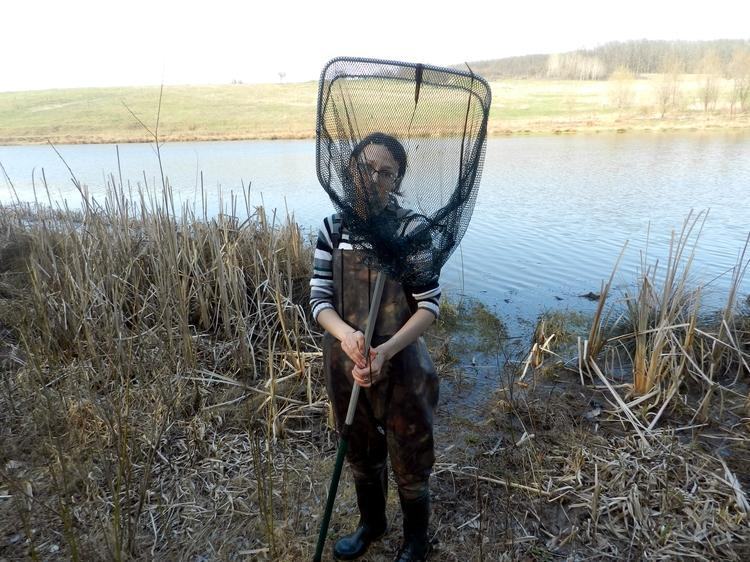
Doesn't the suit fit just wonderfully?
It is believed that looking through the hair is a typical flirting technique.
And looking through the net of a landing net? What a play of colors on the water surface...
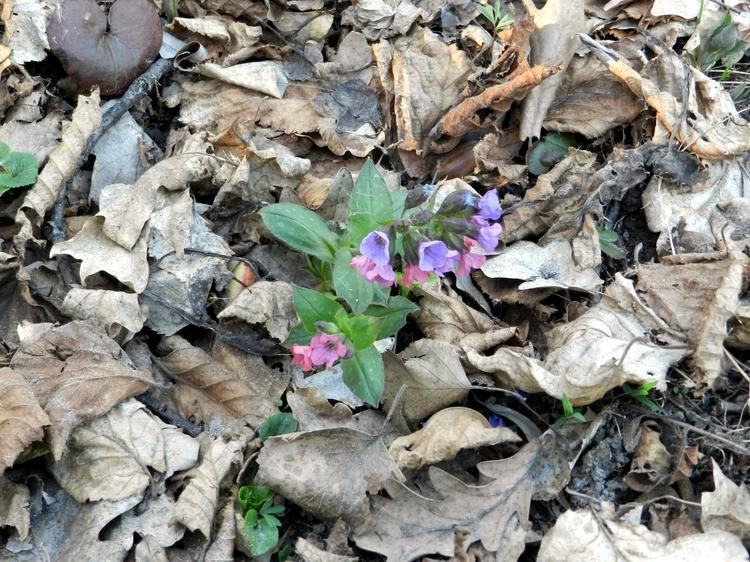
Ivan-da-Maria.
I returned.
The sunbathers have changed positions. I brought the toads and picked them up.
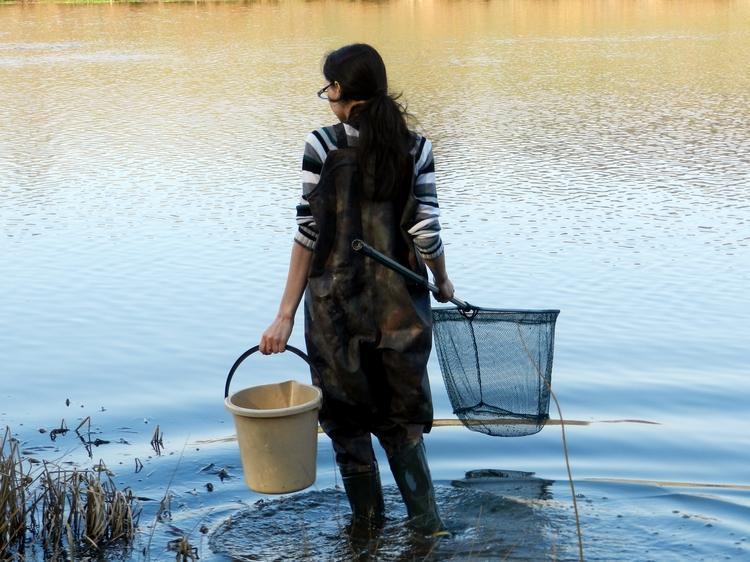
The work started again.
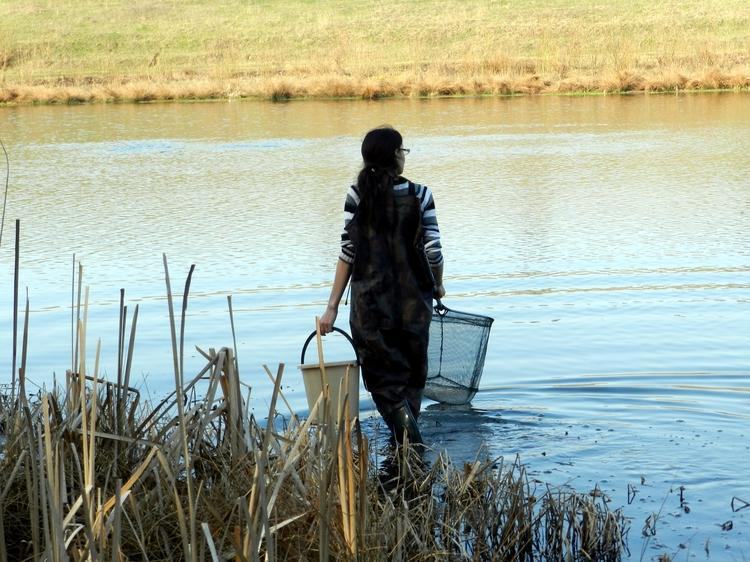
Based on the results of processing the previous batches, I was surprised that among the toads we caught, there were unexpectedly few that carried marks from previous years.
Are the girls not carefully checking the old marks?
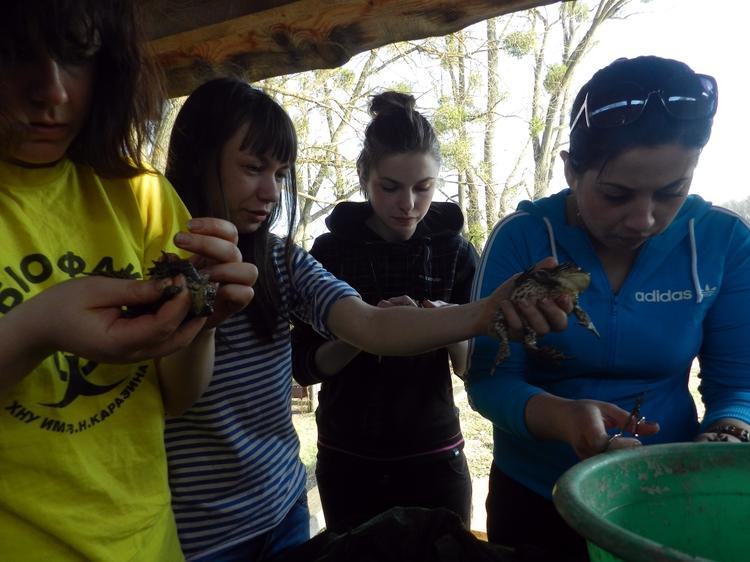
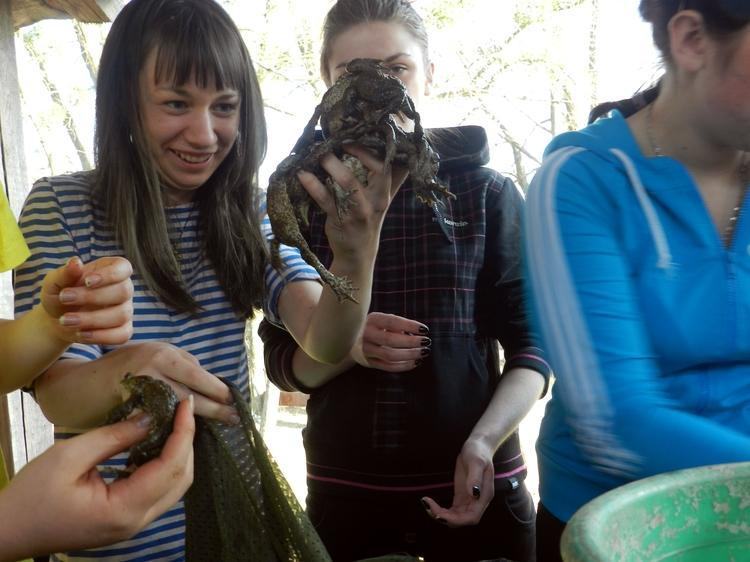
I sat and watched how they do it. No, the reason is not their inattention. It is likely that many young toads have joined the spawning population. Another wave of population increase... Kristina is applying a mark. The table next to her is covered in cut-off fingers. On one female, a whole cluster of males can gather. The girls worked surprisingly quickly.
I caught not only toads.
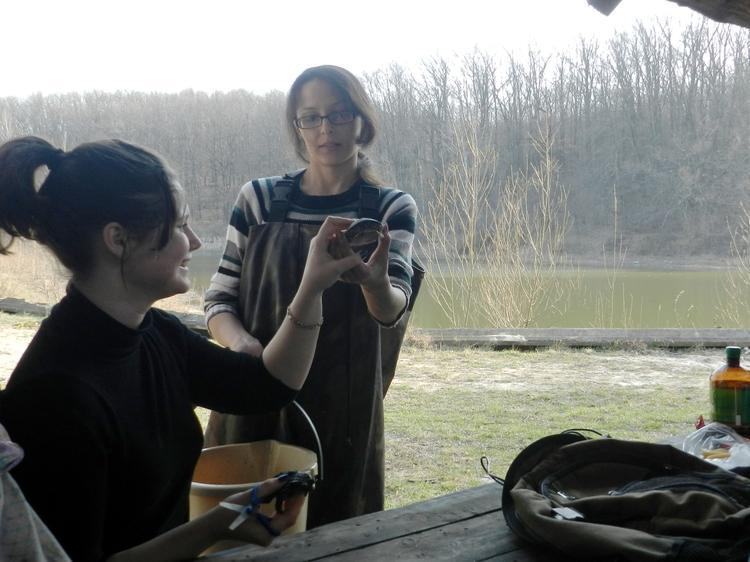
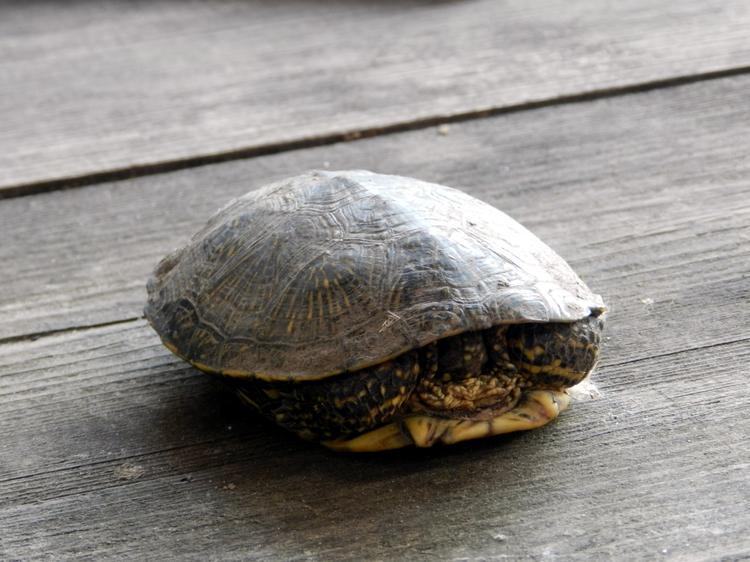
Here... ...I caught a turtle.
We couldn't wait for it to stick its head out even a little.
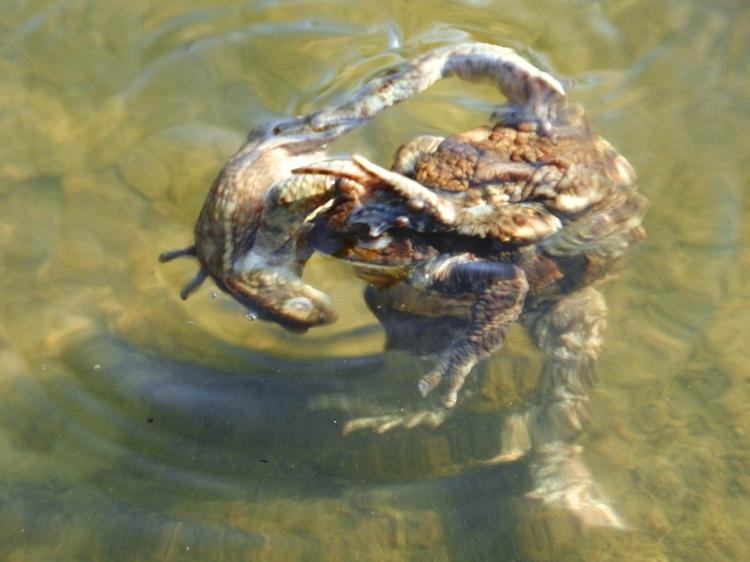
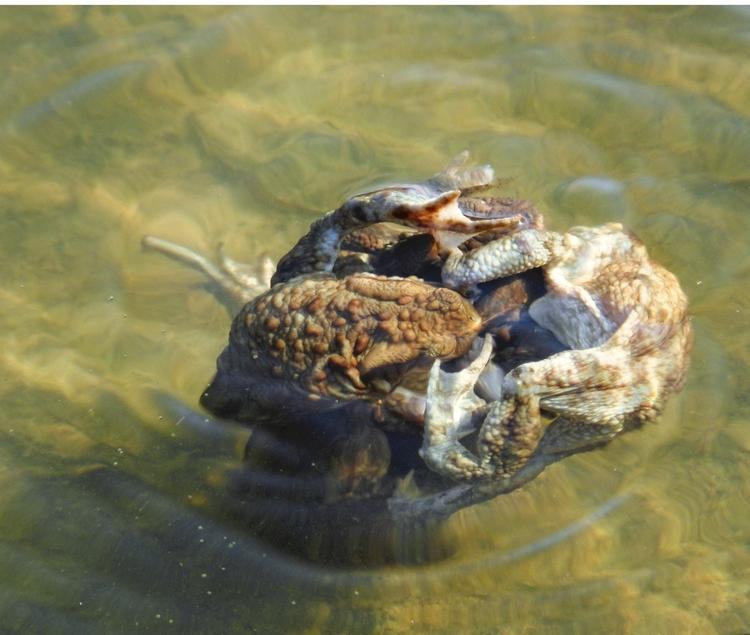
I managed to photograph the fight of male common toads over a female.
The typical disposition is as follows.
One male holds the female in amplexus, and the second tries to get between the partners from behind.
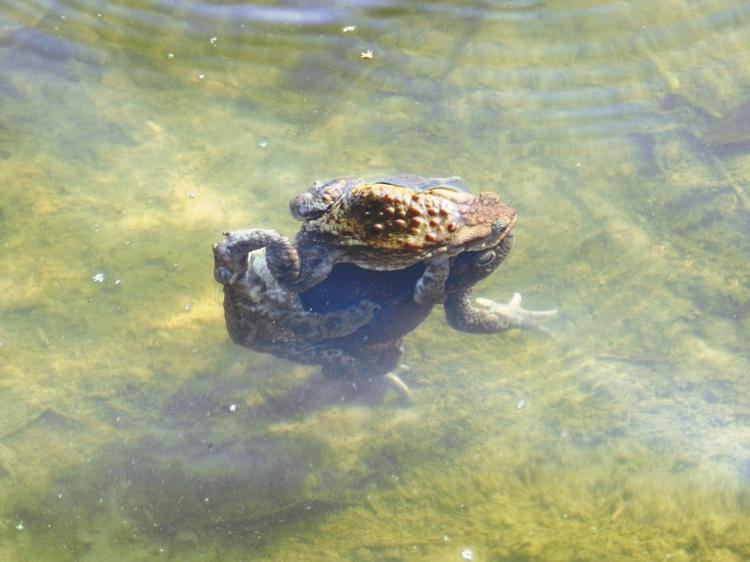
The attacker's task is to dislodge the competitor. The male in the desired position's task is to push off the attacker. The best way is to hook him with a leg. If the aggressor cannot be dislodged at the first attempt, you need to maneuver and slide your legs under him. The attacker also tries to hook his predecessor with his leg. Such a fight requires both strength and agility.
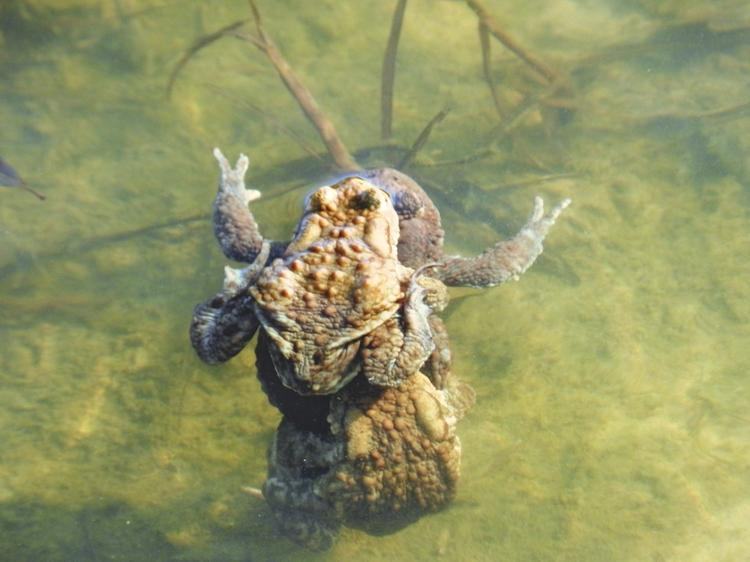
The female simply endures. Time and again, typical maneuvers are repeated.
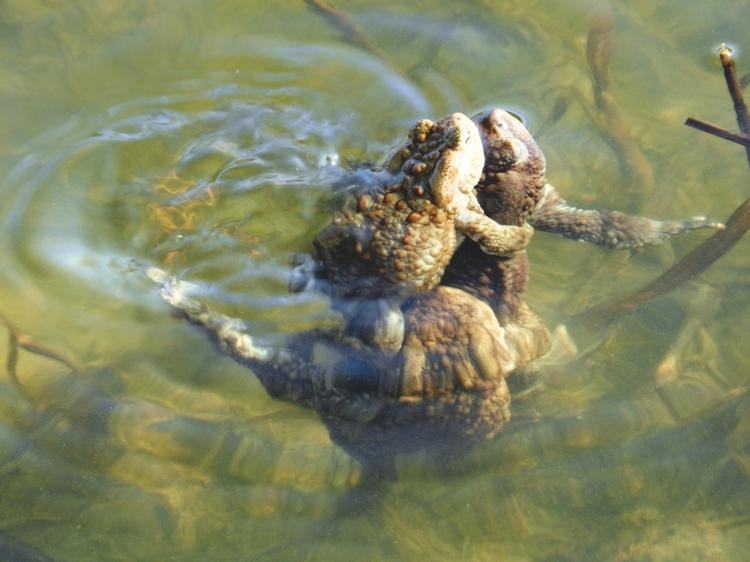
This is also a competition of endurance. He almost dislodged him!
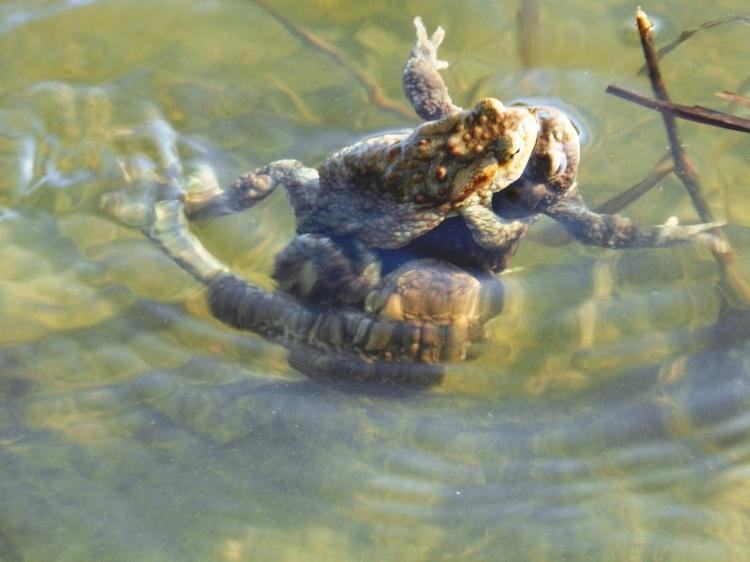
But then another attacker appeared.
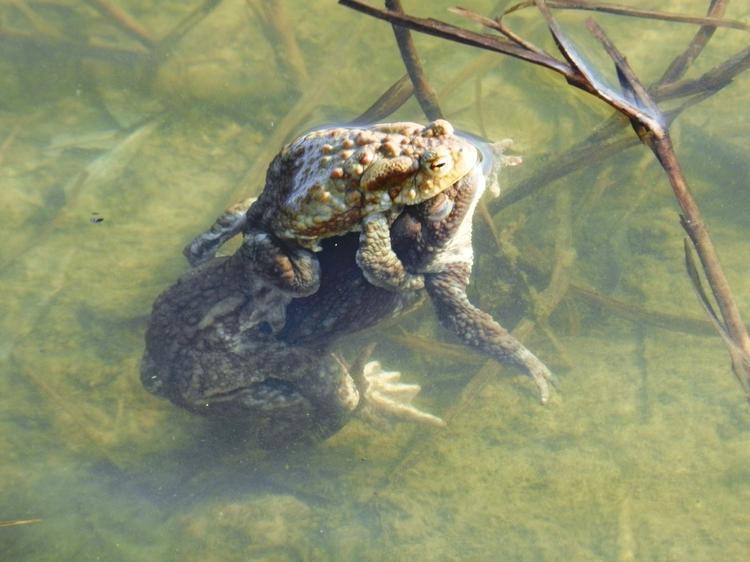
He is trying to pull off the first male from above... ...but he, deftly twisting his hind legs, dislodges the next contender himself.
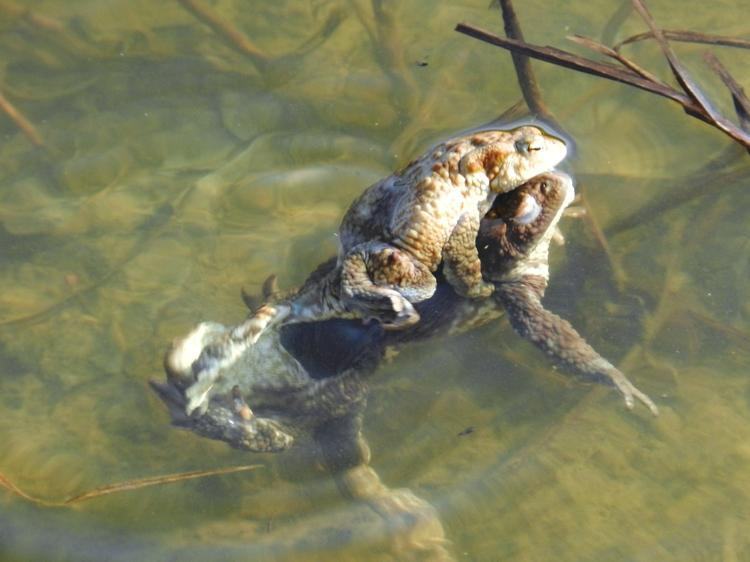
I don't know how the fight ended.
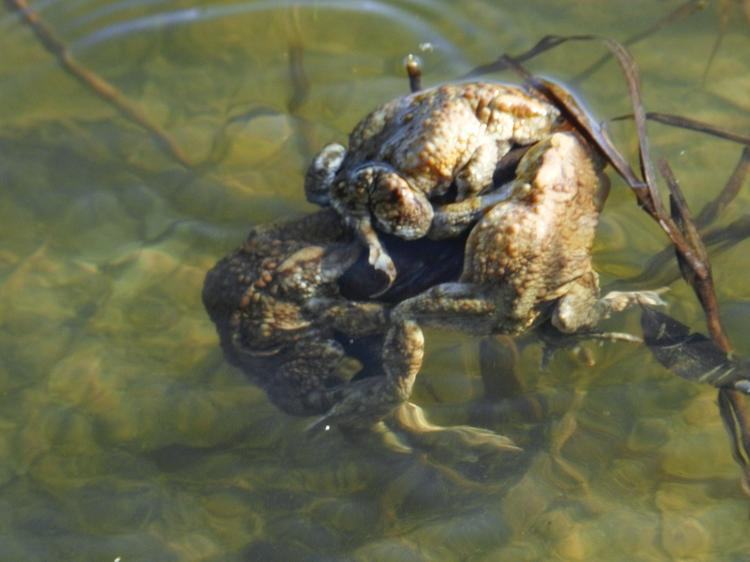
I had to leave.
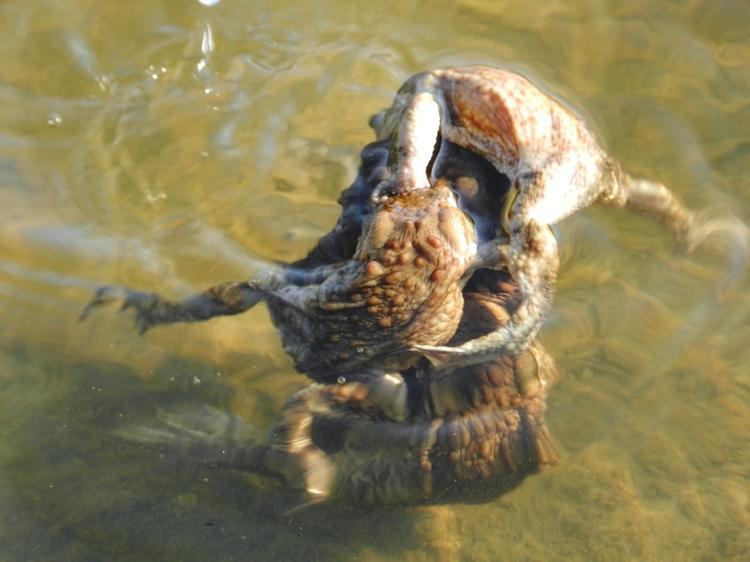
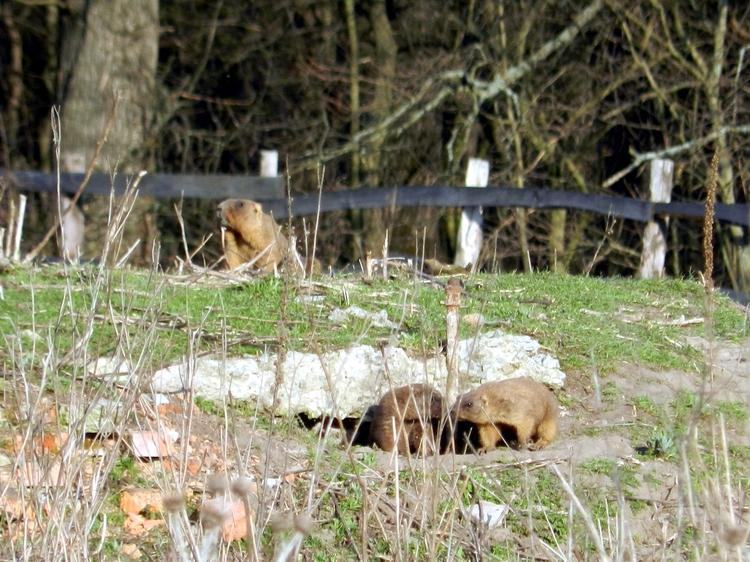
Marmots are not shy.
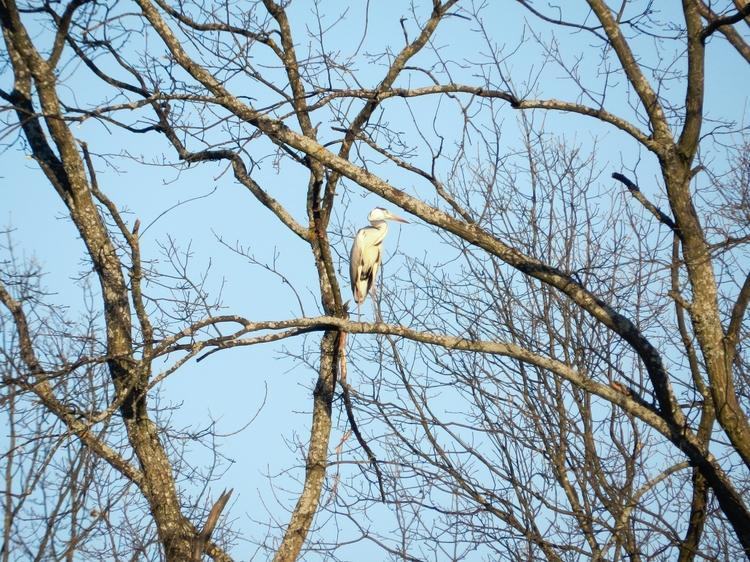
A gray heron at the observation post.
Another species from the Iskov pond.
On a pile of garbage, new insect egg masses.
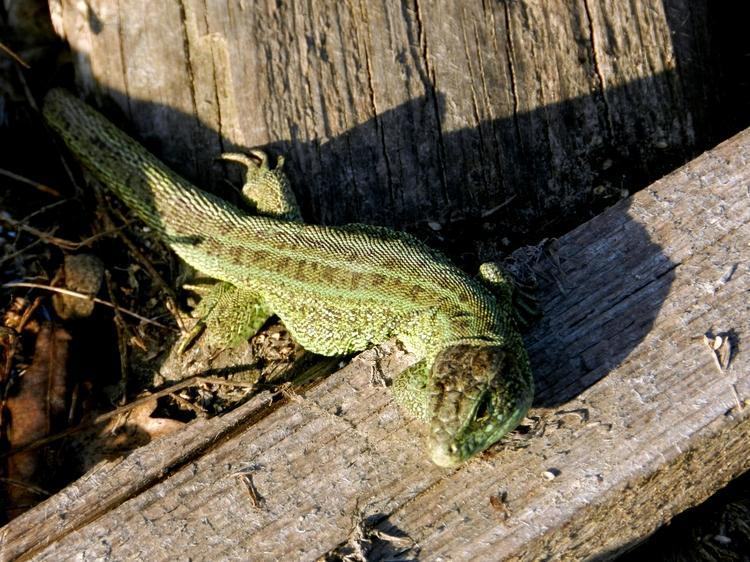
A male lizard is basking.
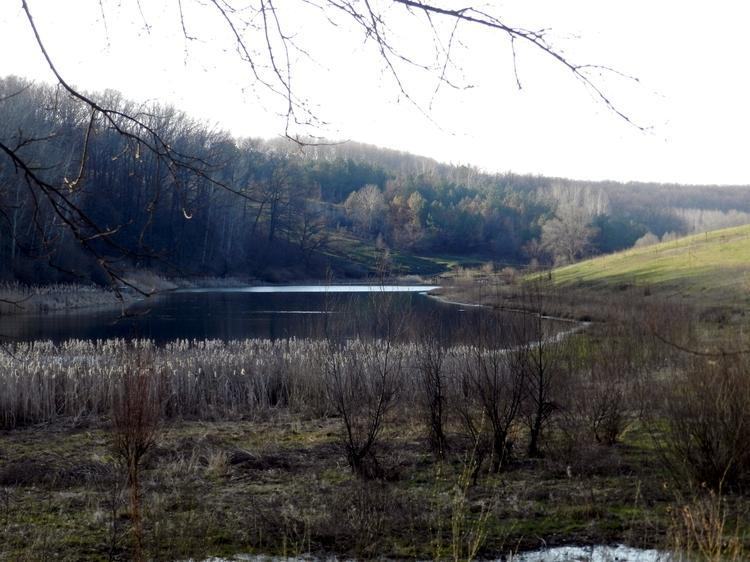
That's all.
The warm season has begun, and even the approaching cold snap won't change that.