
April 8. Marking Common Toads During Spawning
Common toad spawning has begun! This is already the thirteenth spawning season during which we mark toads at Iskiv Pond, identifying recaptures from previous years. The work is quite labor-intensive, but the data obtained are worth the effort. This year, second-year students and young naturalists from Kharki...
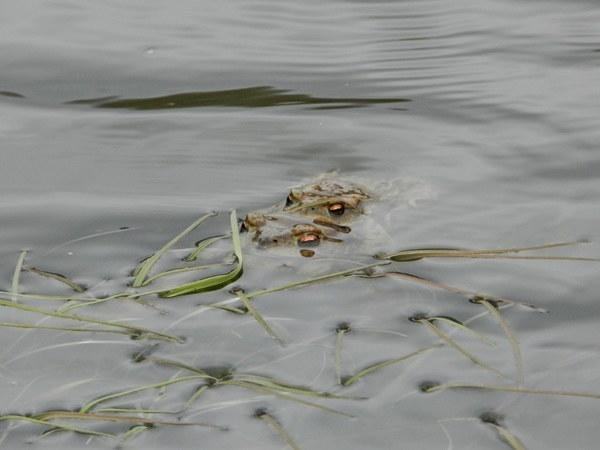
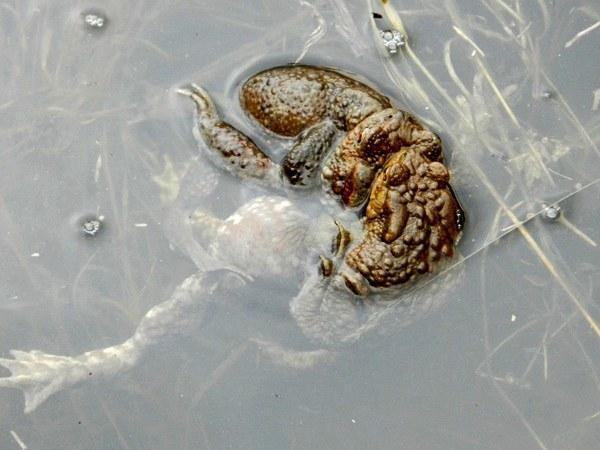
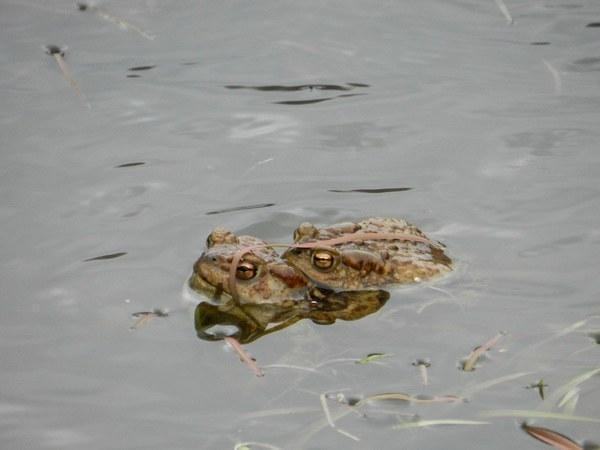
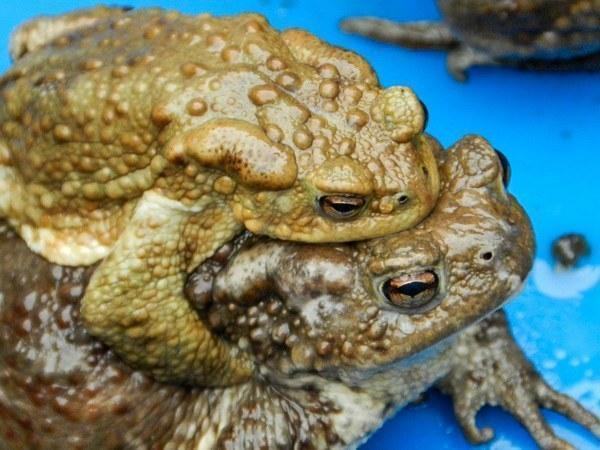
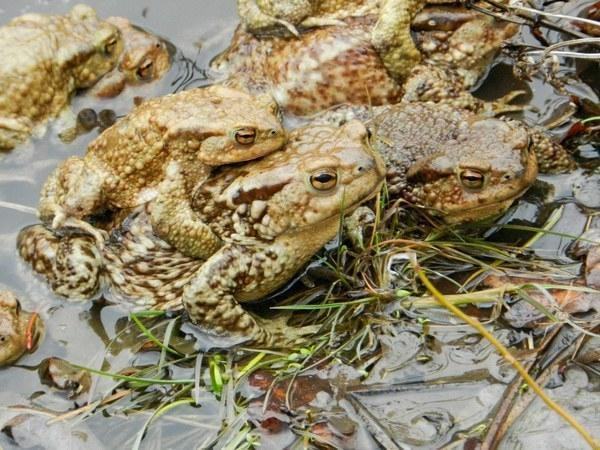
Common toad spawning! This is already the thirteenth spawning season during which we mark toads at Iskiv Pond, identifying recaptures from previous years. The work is quite labor-intensive, but in our opinion, the data obtained are worth the effort. This work began simply as an attempt to determine the population size of common toads. But, as often happens, while seeking the answer to the initial question, we obtained results that raised new, more interesting questions. In general, our hypotheses from several years ago are being confirmed. We now understand clearly that depending on the phase of population dynamics, the ontogenetic strategies of the toads change. Sometimes toads develop rapidly, maximizing the number of offspring they can produce in the coming years; other times they build their ontogeny with a "long-term aim," optimizing the number of offspring they can produce over the course of a fairly long life. Three days ago, only the very first males were approaching the water. Now spawning is in full swing. Females, swollen with eggs, are coming to the water. Males meet them. Often the number of males is excessive, and fights break out between them. The female in this situation simply endures and waits for the moment when only one, the most resilient partner, remains on her. For some time, roughly a day, the pair is in amplexus. The male holds the female, stimulating the final maturation of the eggs.
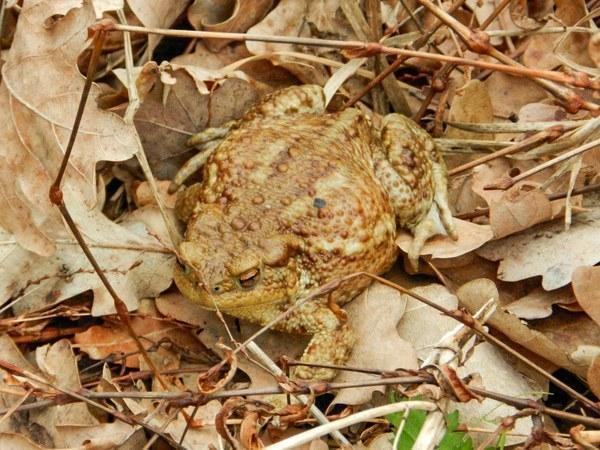
After a while, spawning begins. Moving through plant growth, diving to the bottom and rising to the surface, the pair stretches out a string of eggs. This is toad spawn.
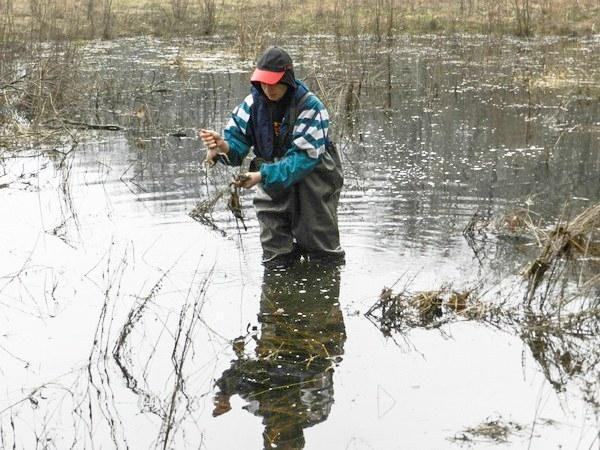
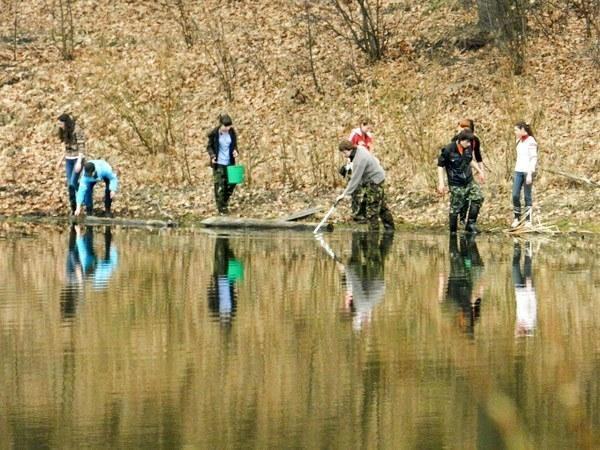
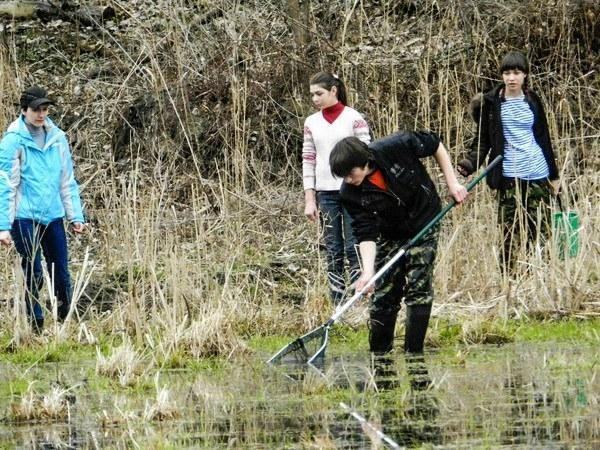
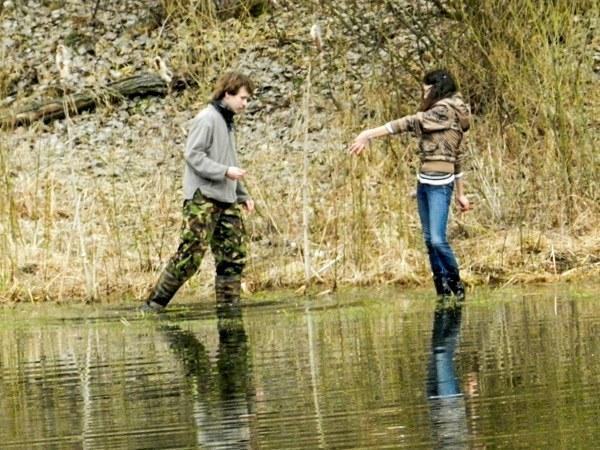
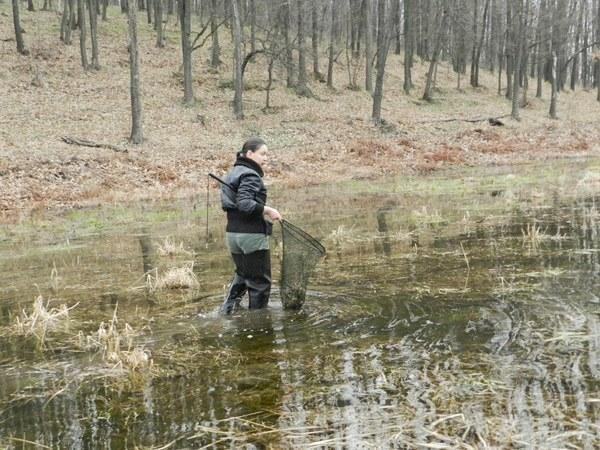
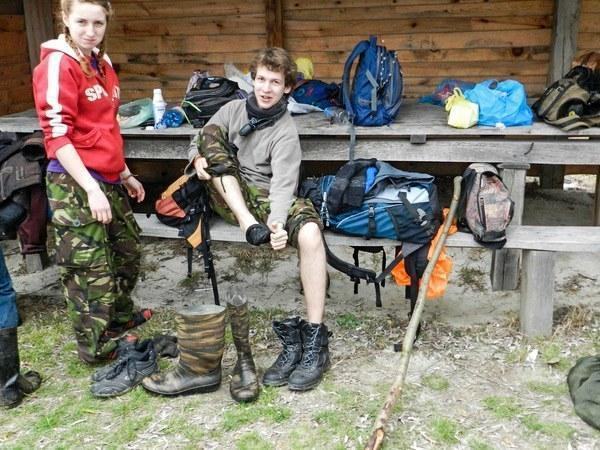
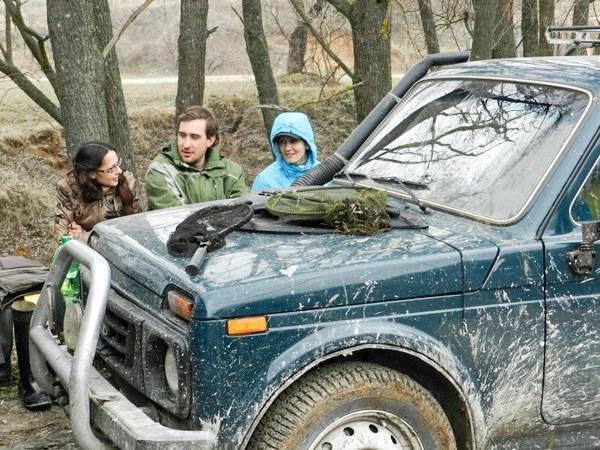
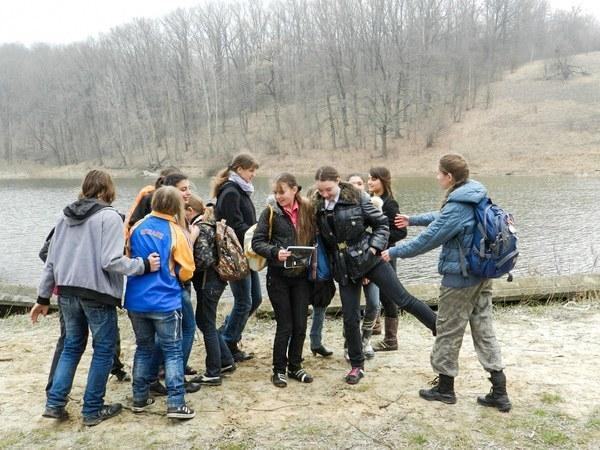
There isn't much of it yet. Young naturalists from the zoo participated in marking the toads during spawning. We equipped them with nets and wading boots, and they spread out across the pond. How characteristic postures can be!
She is not at all squeamish – on the contrary, she is fond of toads. This is just how a feminine nature manifests itself... In the net – caught toads. The water has already been poured out of the boots.
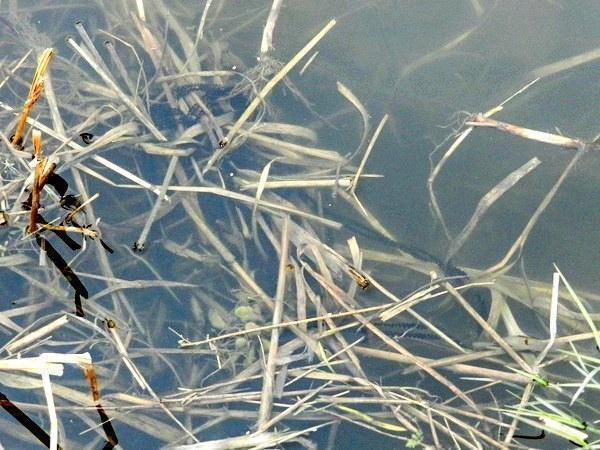
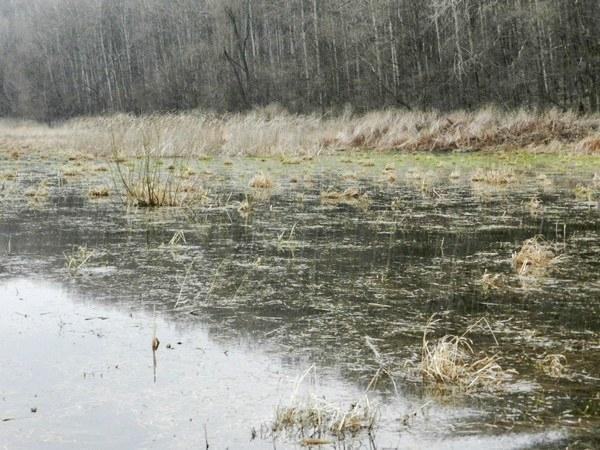
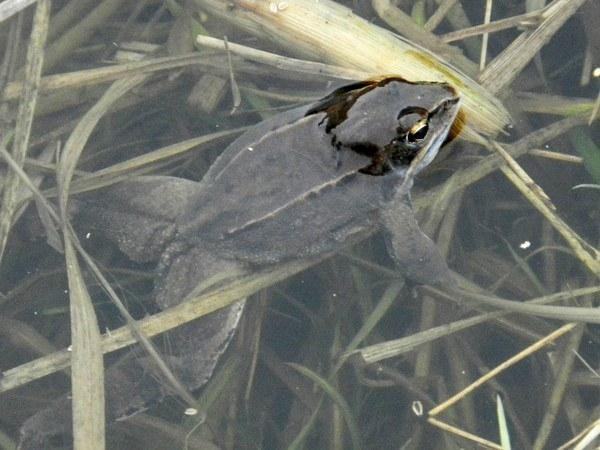
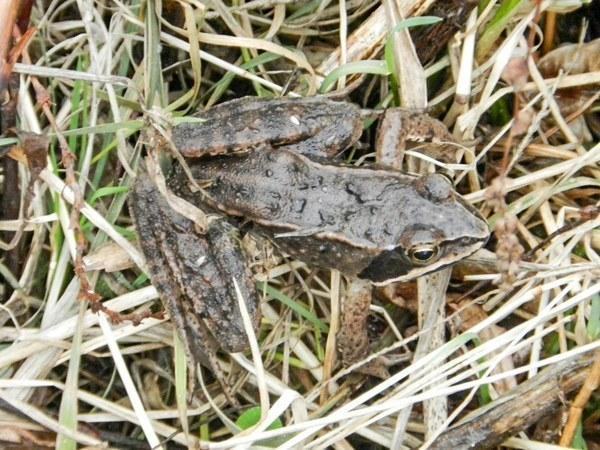
Moor frogs are spawning here.
The male in breeding coloration appears slightly swollen. This female has already spawned, which is clearly visible from her figure.
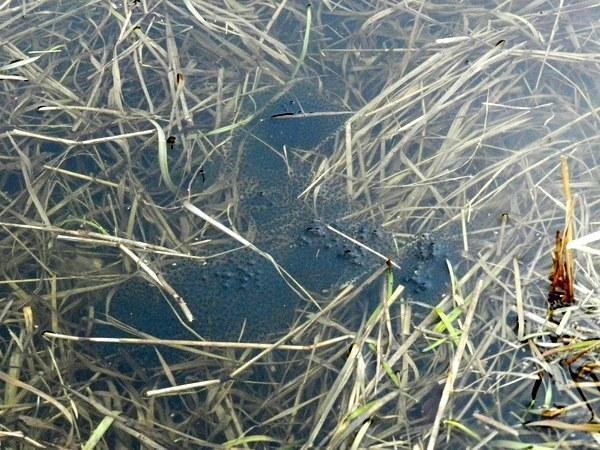
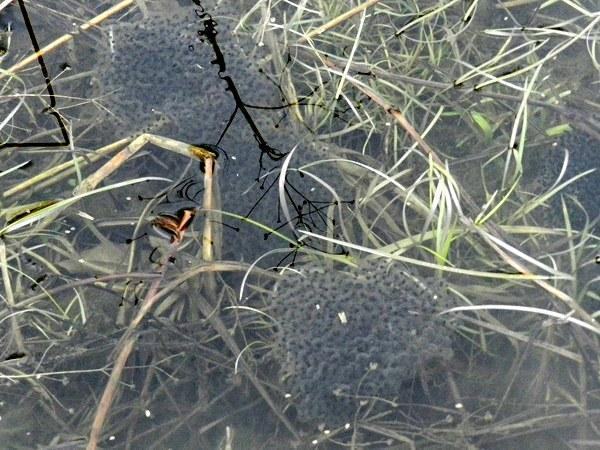
These are several clutches of moor frogs. They are cloud-shaped clumps, not strings like toad spawn. Shortly after egg-laying, the jelly coats of the eggs begin to swell.
The clutch in the middle still has unswollen coats, meaning it was laid just now.
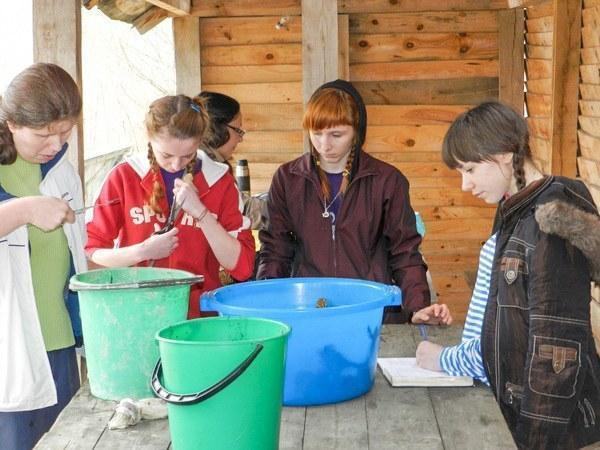
The processing line.
Toads are checked for existing marks (toes clipped in previous years).
Their length is measured.
Toads without old marks have toes clipped to apply this year's mark.
Second-year students provided invaluable help with this work (thank you!).
Pairs are briefly separated during processing, then reunited. Look how the male has pressed his front leg into the female's side!
Experts. And these are toads returned to spawning after processing. Based on years of observation, it's clear that they don't interrupt spawning. Fortunately, the loss of toes doesn't cause them any major problems. While the collected toads were being processed, some of the people involved took a walk around the area.
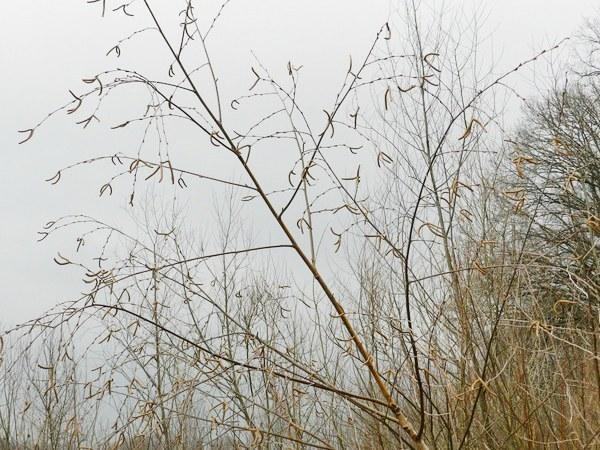
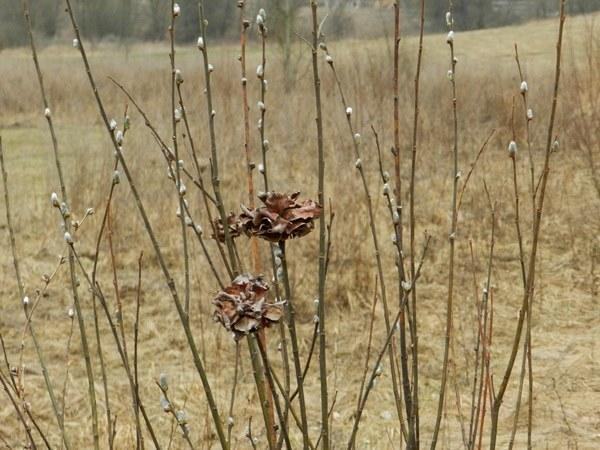
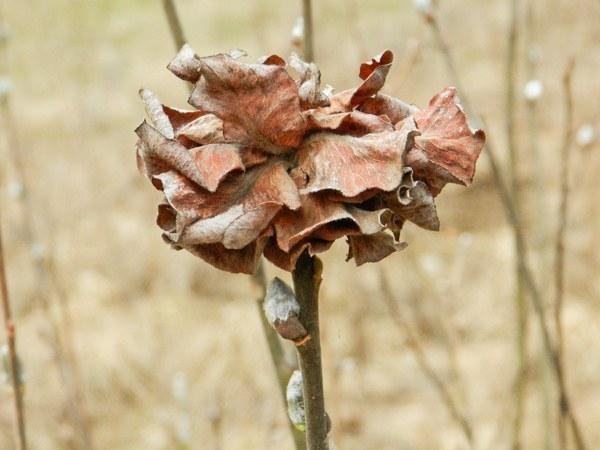
When I find out what this disease is called, I'll write about it. It causes willow branches to transform into distinctive "rosettes."
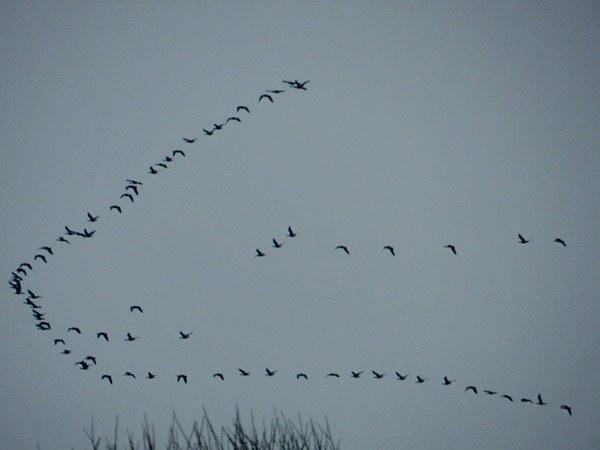
A wedge of geese.
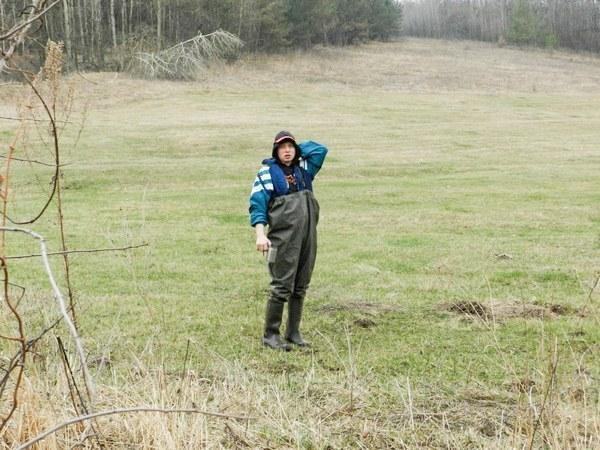
In his right hand – a cup of tea (very, very strong). Sometimes he parts with it, but a walk in wading gear is not one of those times.
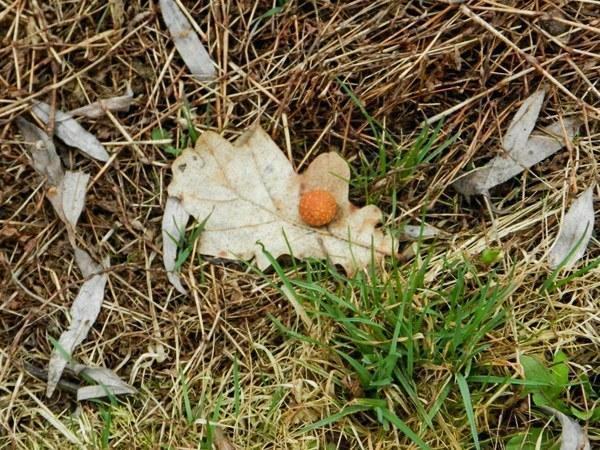
Greenery is slowly starting to sprout. And this is a last year's gall on an oak leaf.
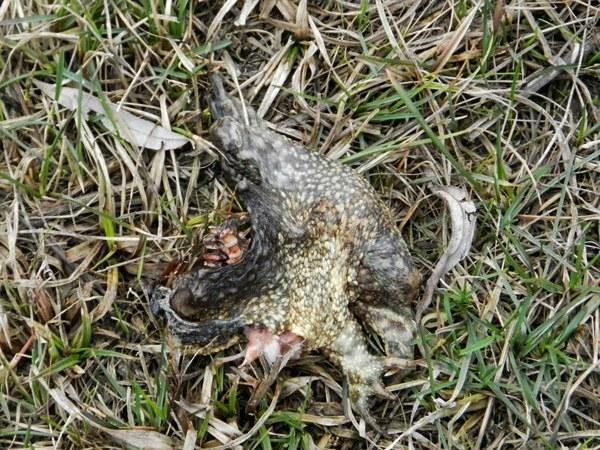
Inside – a "worm" (a hymenopteran larva). Something pecked this toad apart with the cruelty of a serial killer.
Probably a crow.
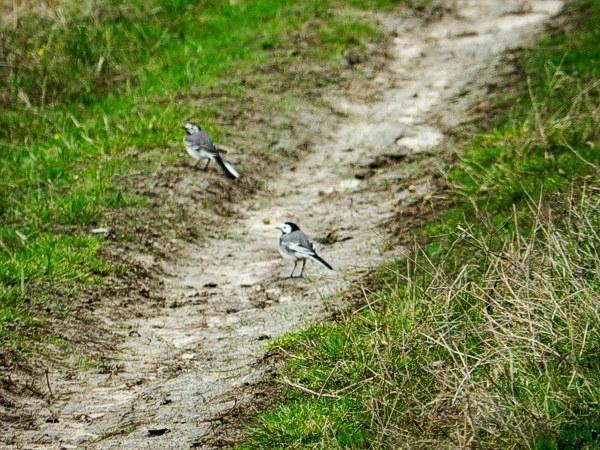
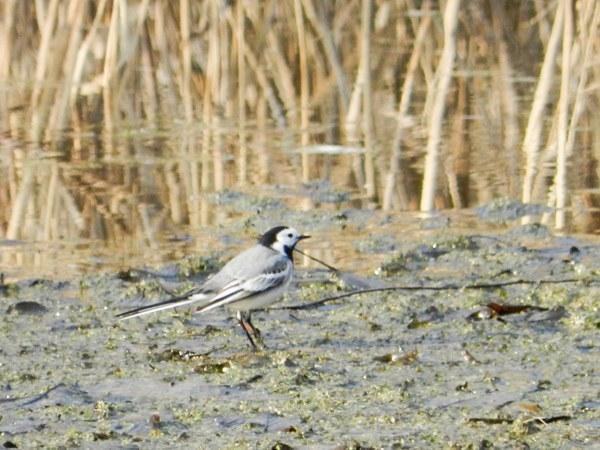
White wagtails.
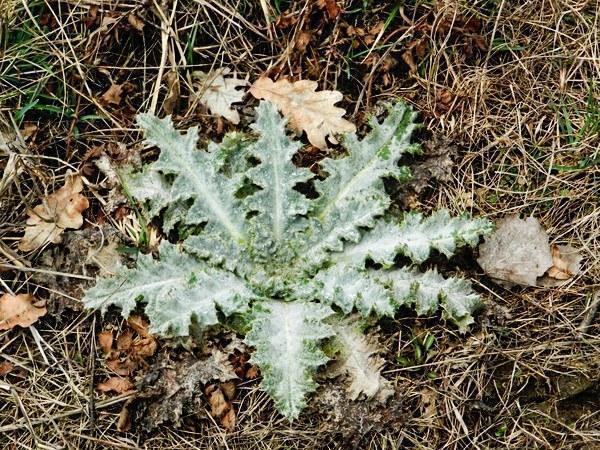
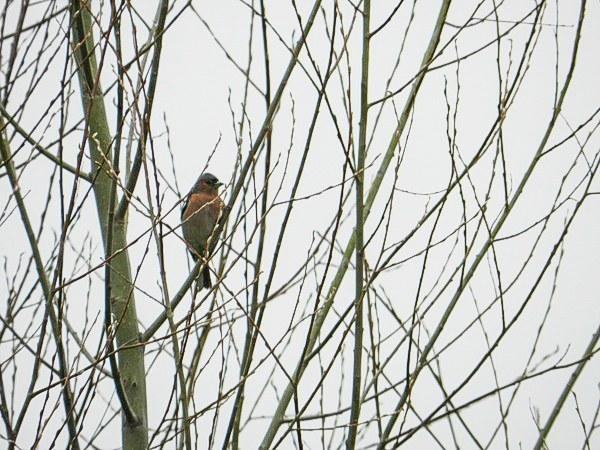
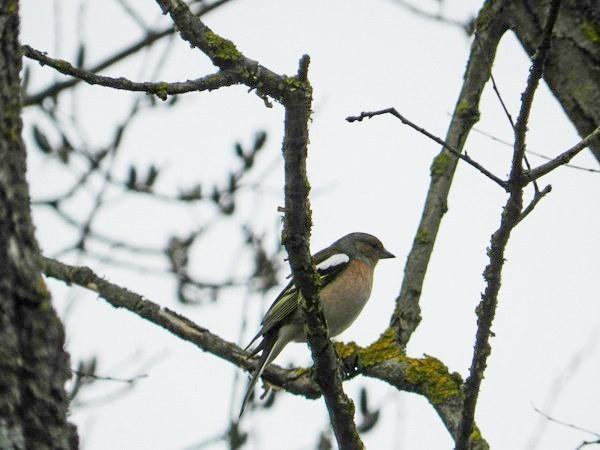
What an interesting manifestation of sexual dimorphism!
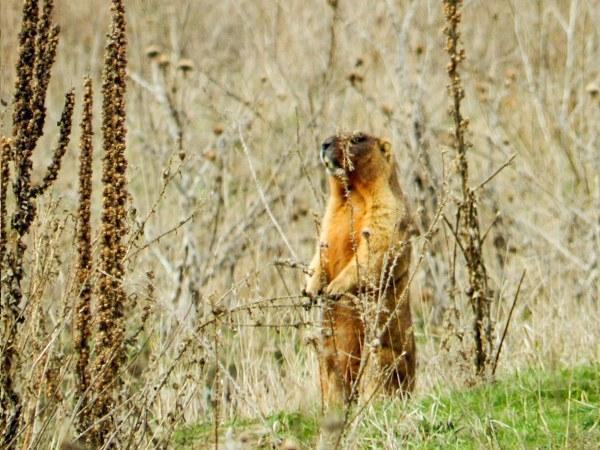
The bobak marmots are already out. I'm amazed by the ability of bindweeds to climb up each other.
Inside the braid they form, there is no other support.
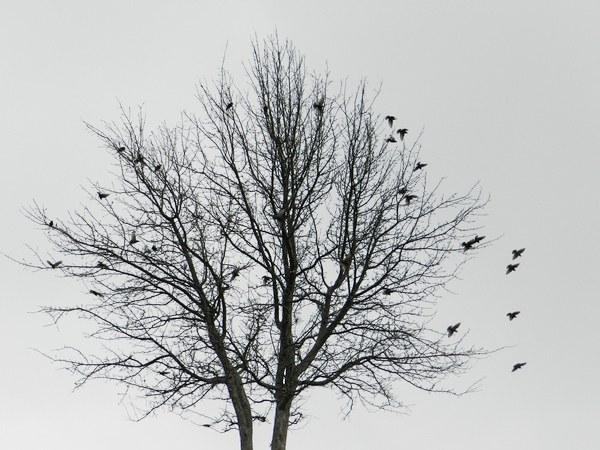
A flock of starlings takes flight.
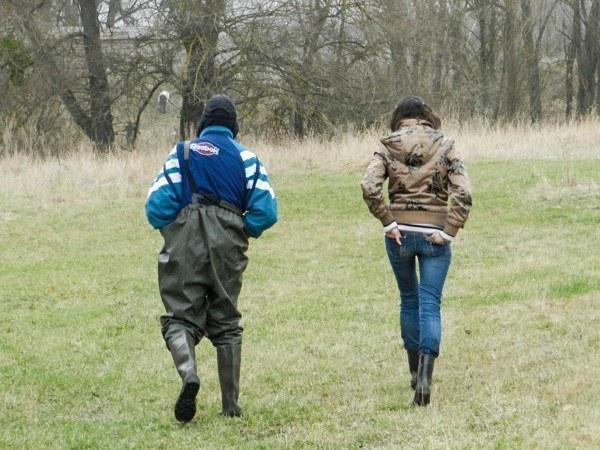
She was walking and stopped.
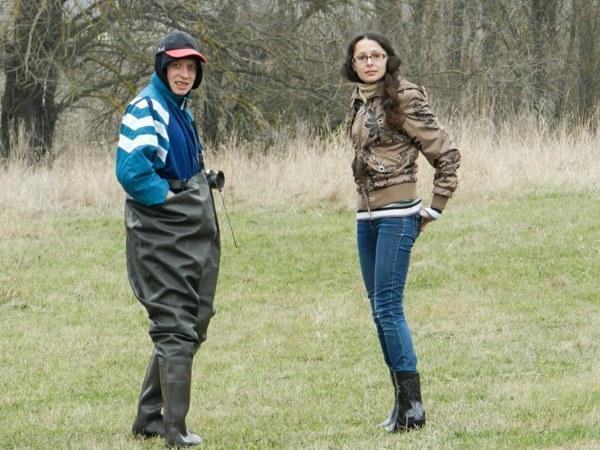
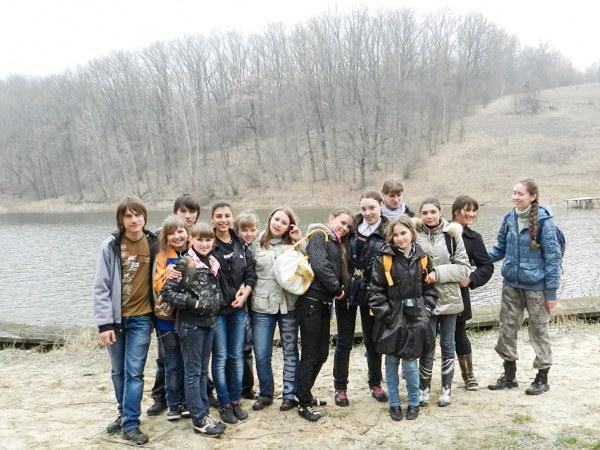
The young naturalists departed earlier.
Getting them all together and making them stand still for a minute is no easy task... ...but their two group leaders managed it.
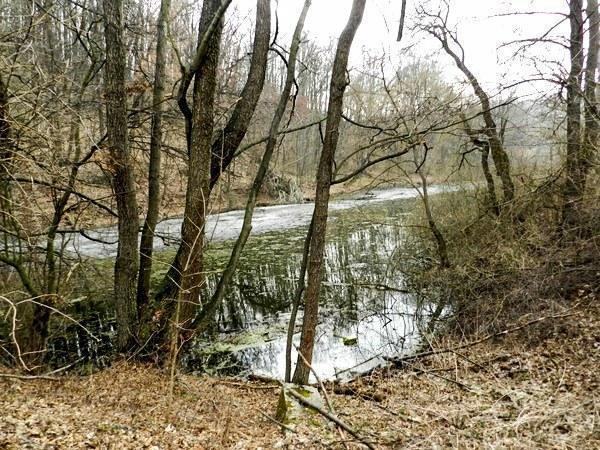
And this is Koryakiv Ravine.
Under the shaded bank, ice still lies.
Wagtails stroll across the ice and mud.
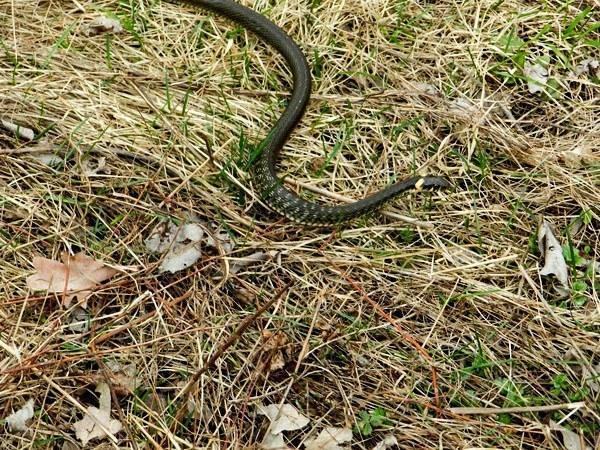
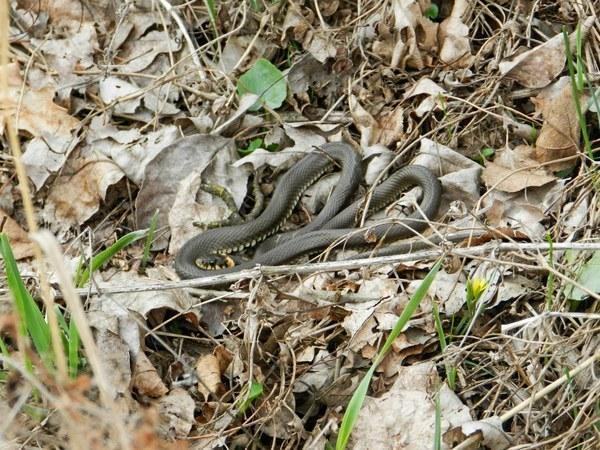
Common grass snake.
This one was caught and released so it could be photographed in motion.
And this one we managed to approach while it was calmly lying and basking.
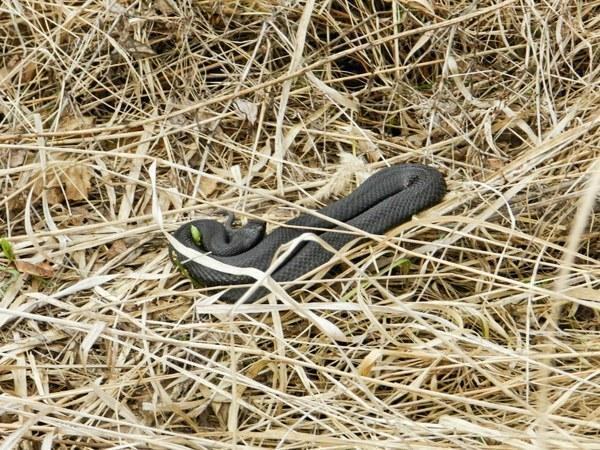
And this is a Nikolsky's viper.
Basking in almost the same pose.
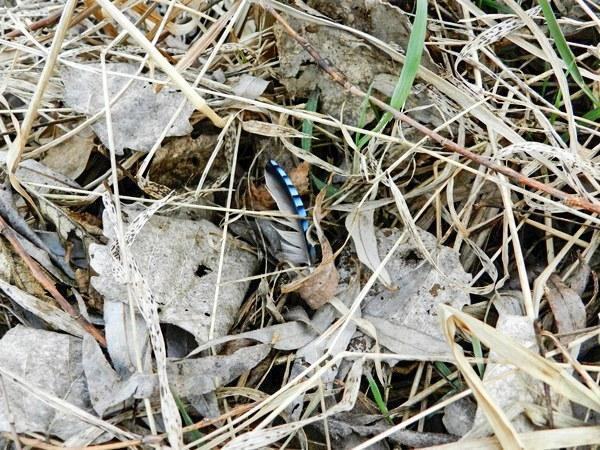
A jay feather seems to glow among the old leaves.
You know the standard phrase from descriptions of many herps' biology: "they overwinter in burrows and cavities under roots"?
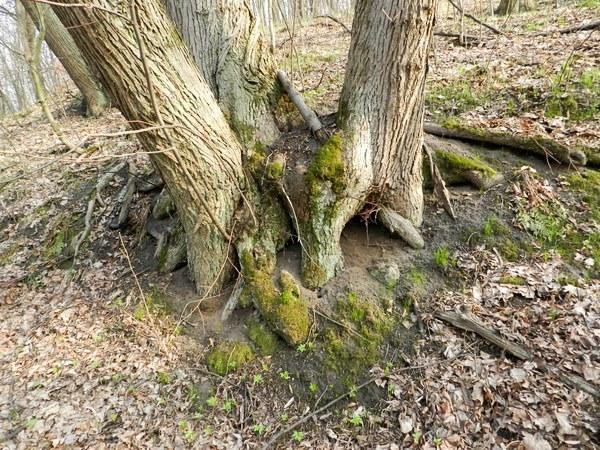
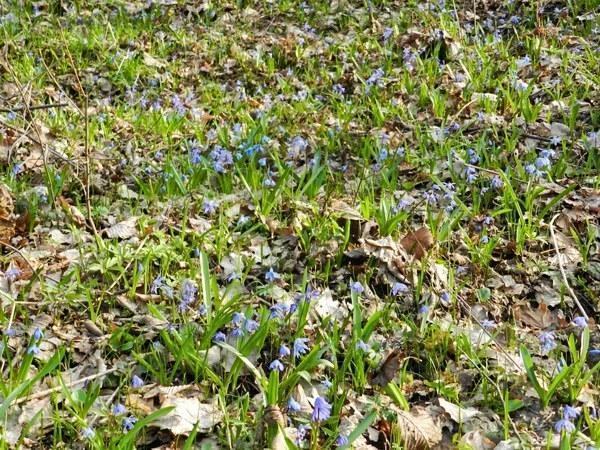
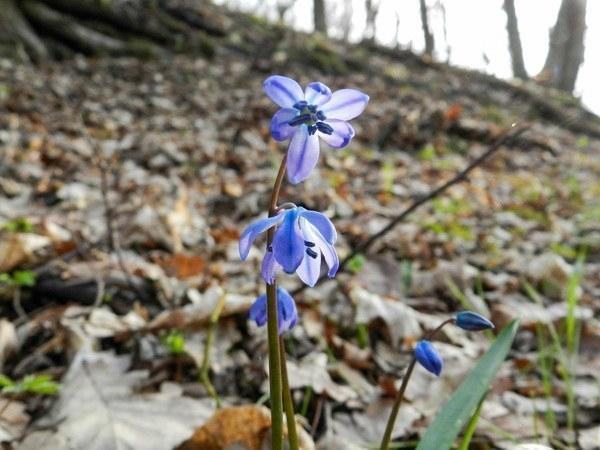
These are precisely the kind of cavities meant, like under this tree. Squills form an almost continuous carpet.
A stream flows out of Koryakiv Ravine.
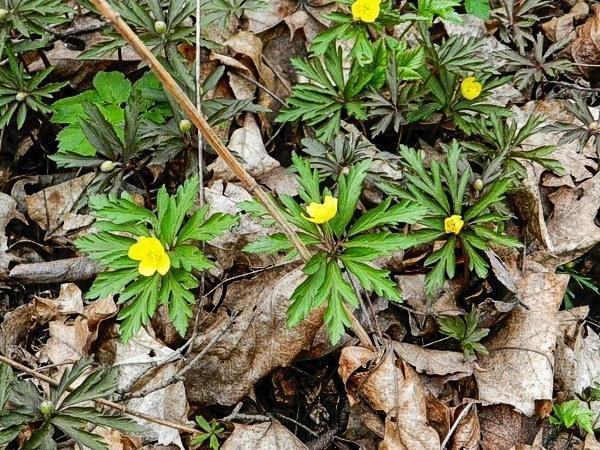
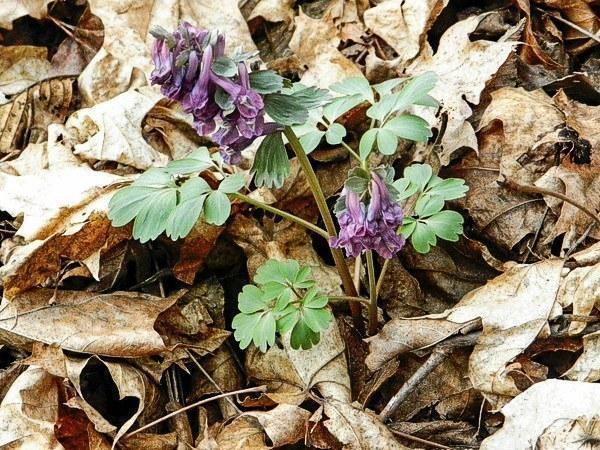
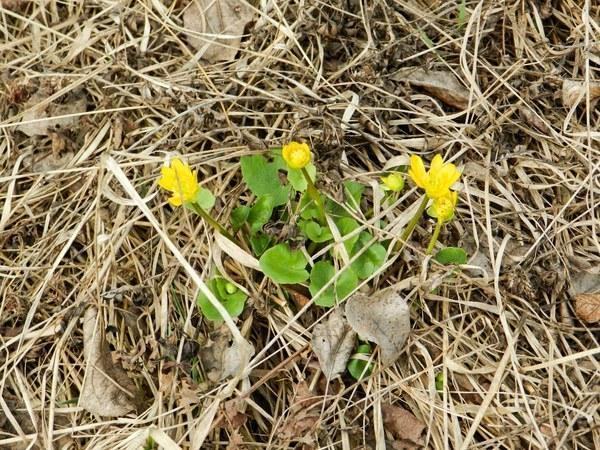
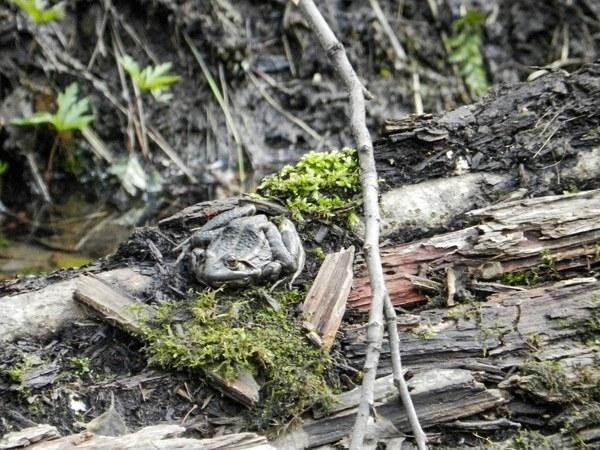
A small dam has been built downstream, creating a pond almost in a Japanese style. On a log at its bank lies a large frog. Apparently it hasn't warmed up yet and looks somewhat flattened because of it. Beautiful!