June 23-24. Zhovtneve
I am on practice in Haidary. Four years ago, Dima Dedukh took up frogs during such a practice - then a second-year student. He started with morphometrics and then switched (with help from colleagues in St. Petersburg) to studying lampbrush chromosomes in frog oocytes. Dima earned his bachelor's qualification with us, studied for two years in the master's program at St. Petersburg University, defended his master's thesis (exactly so!), and remains in St. Petersburg for postgraduate study. He came
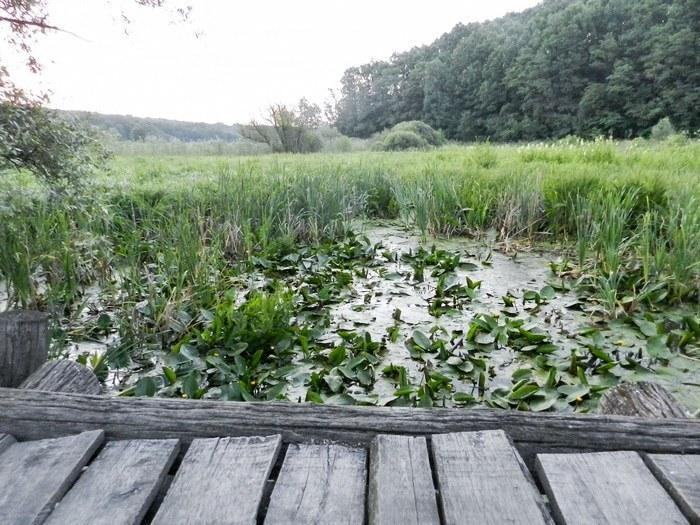
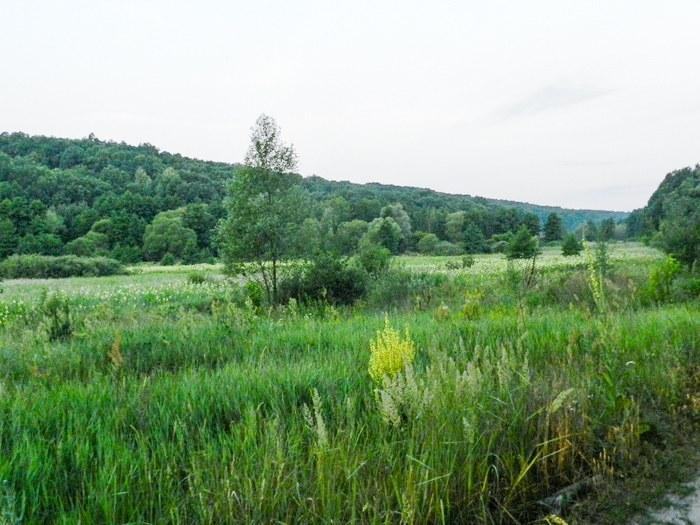
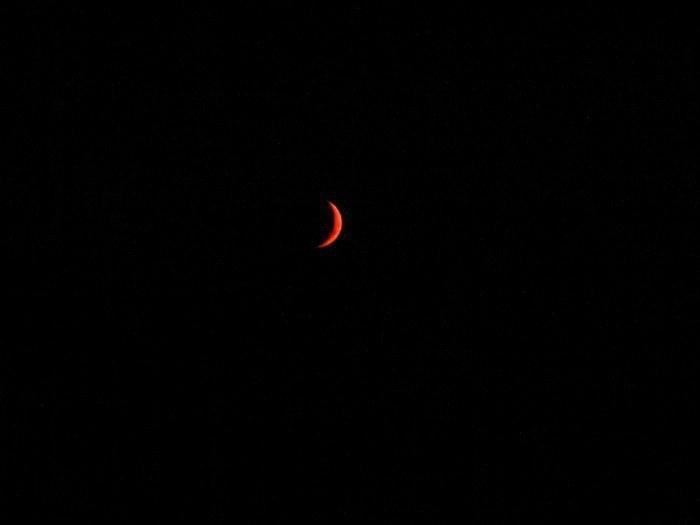
I am on practice in Haidary. Four years ago, Dima Dedukh took up frogs during such a practice - then a second-year student. He started with morphometrics and then switched (with help from colleagues in St. Petersburg) to studying lampbrush chromosomes in frog oocytes. Dima earned his bachelor's qualification with us, studied for two years in the master's program at St. Petersburg University, defended his master's thesis (exactly so!), and remains in St. Petersburg for postgraduate study. He came for material for further work. First of all, we went to the village of Zhovtneve, not far from Verkhnij Saltiv... We left the biological station at night. The waxing moon looked stern. We arrived at the pond that we had unexpectedly discovered several years ago, in 2007. It turned out to harbor a very interesting population system.
Dima found something interesting in it, and additional sampling was needed.
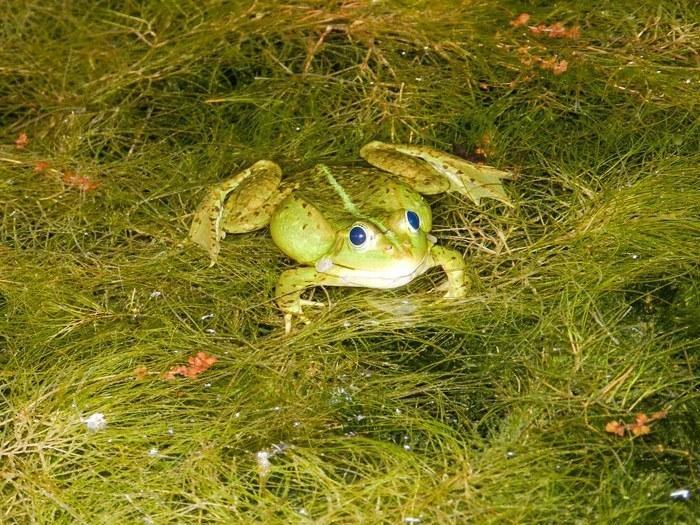
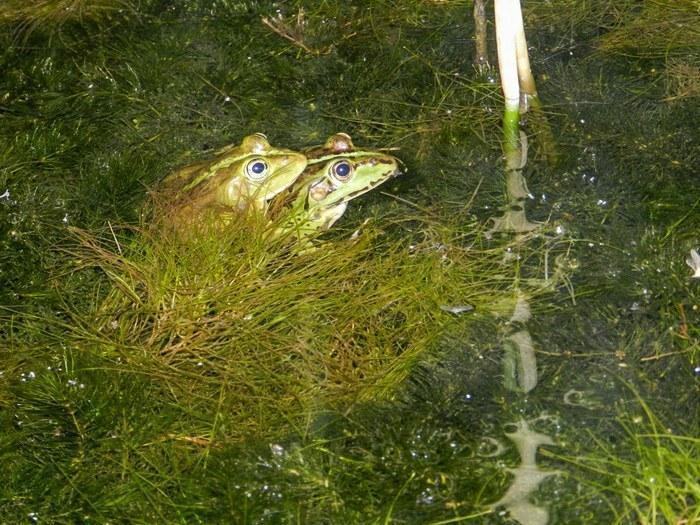
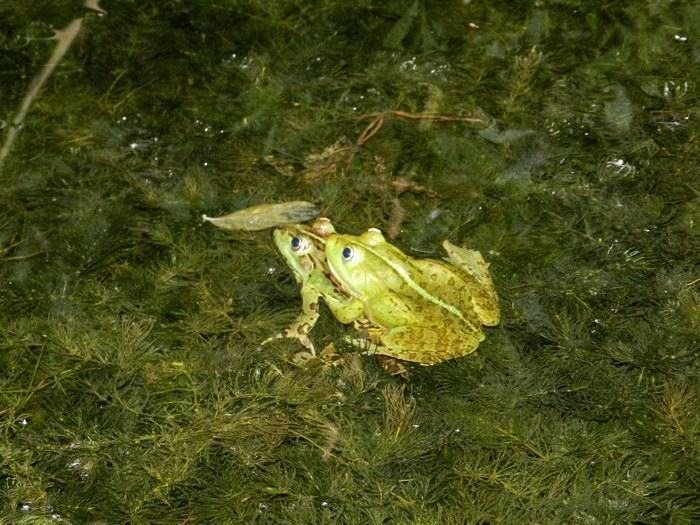
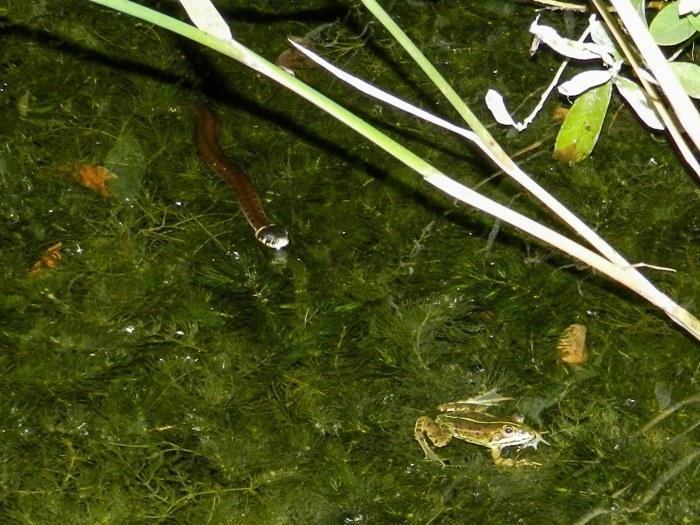
The pond has changed a lot recently: it has become shallower and overgrown. Along the banks are masses of aquatic vegetation on which frogs spawn. These are pairs in amplexus. They spawn on the very same masses of vegetation. There are masses of grass snakes. We agreed that we had never seen such a number of them. They continuously hunt frogs, which have become very wary under such pressure.
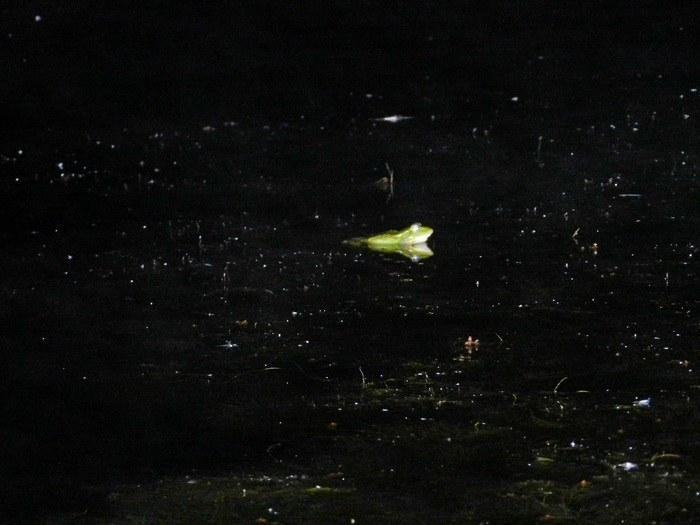
Our catching was not easy: as soon as a frog feels the water move, it slips to the bottom with a light splash.
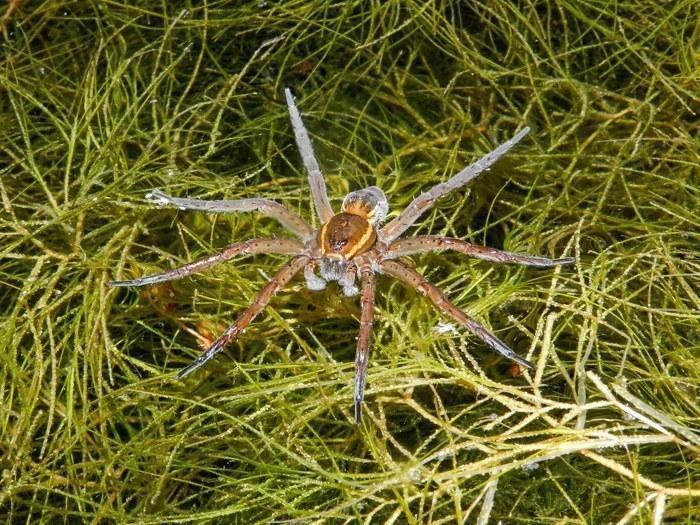
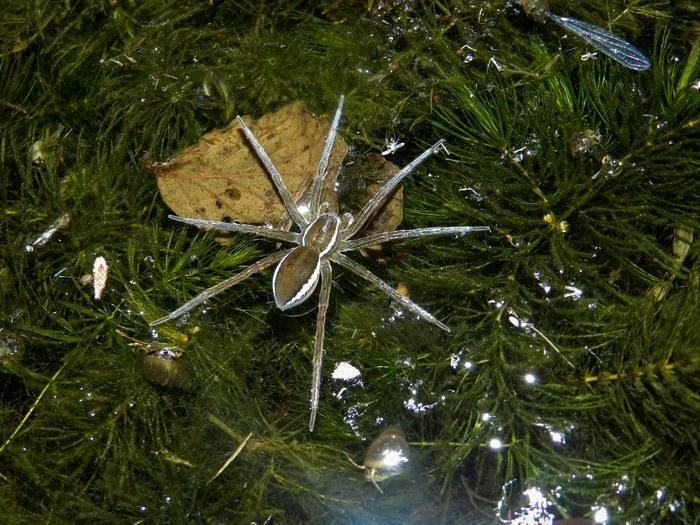
Dolomedes spider (raft spider).
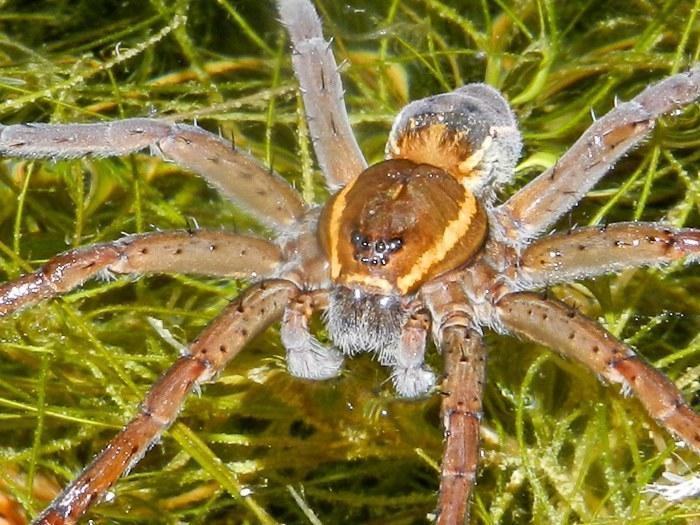
The same spider, larger...
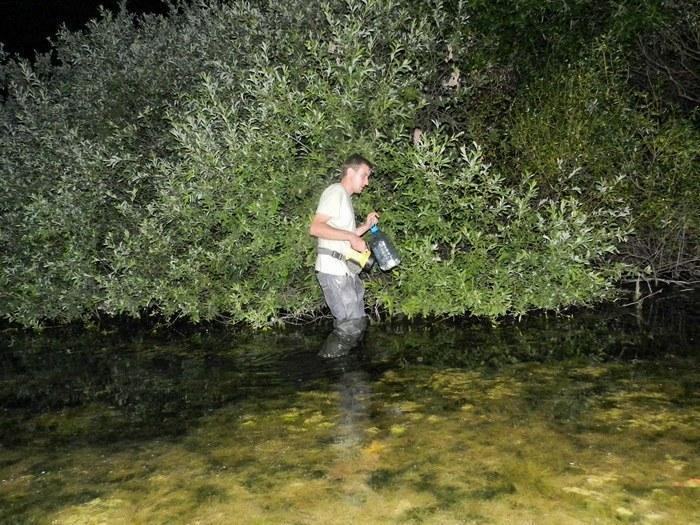
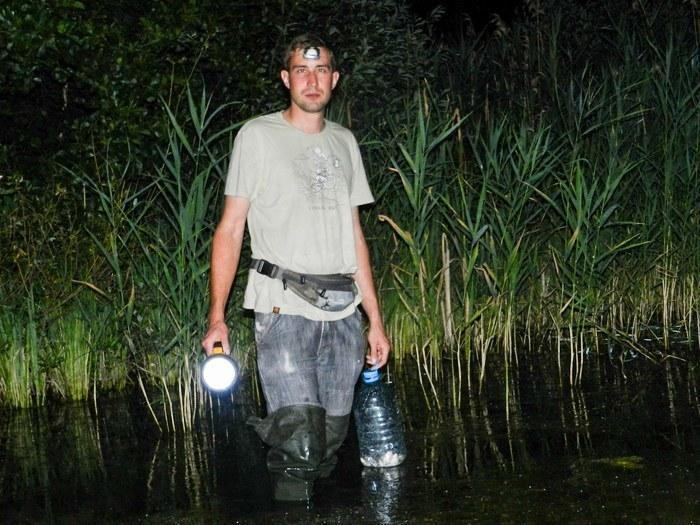
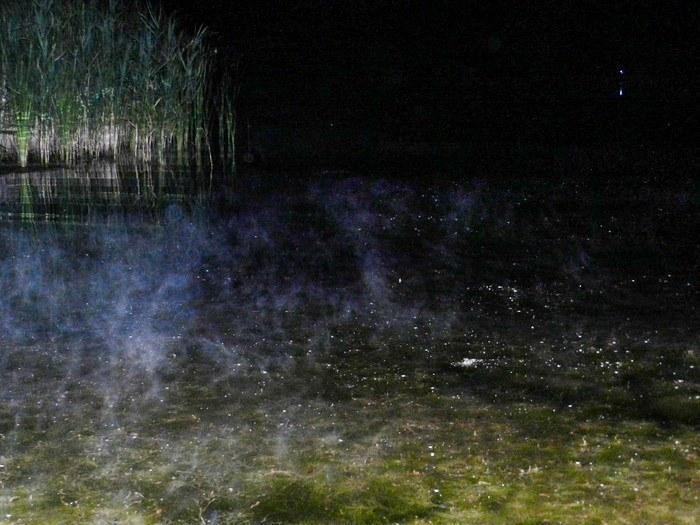
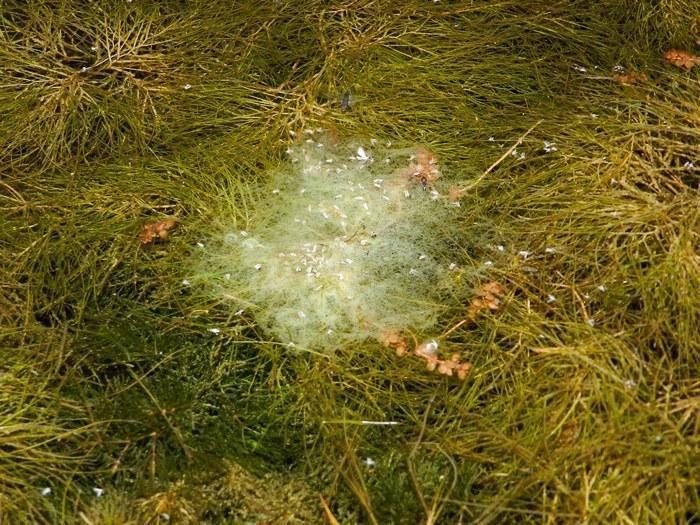
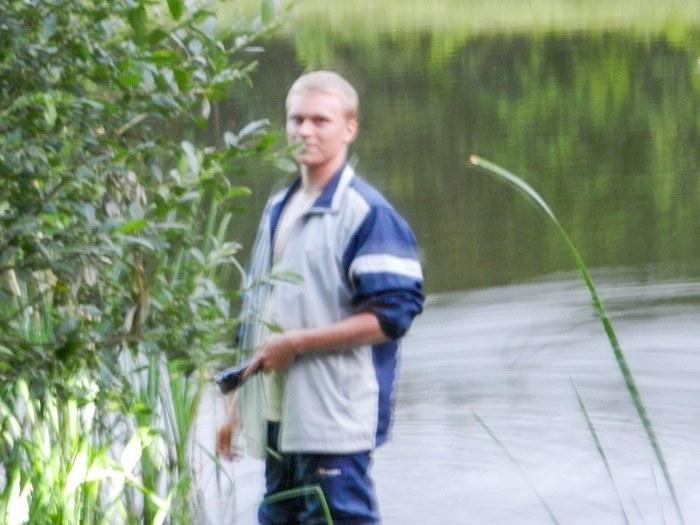
Night work... ...and the batrachologist's formal portrait. It got colder. There was steam over the water. Somebody's spawn (I think...).
I wonder whose?
Where the water surface is clear, there are no frogs.
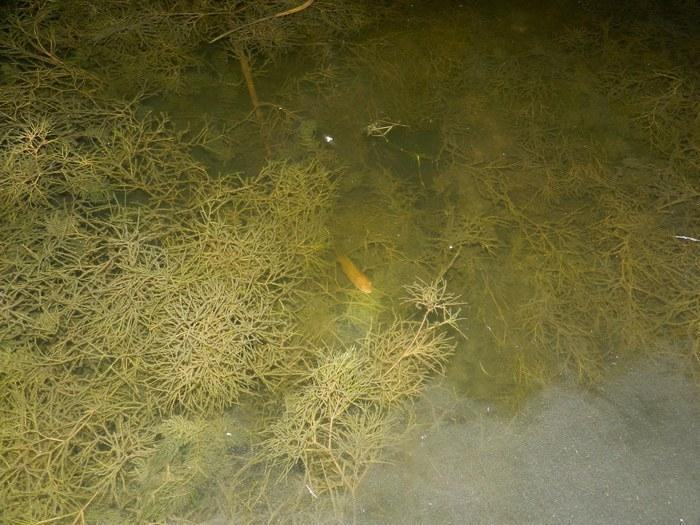
Plenty of small fish.
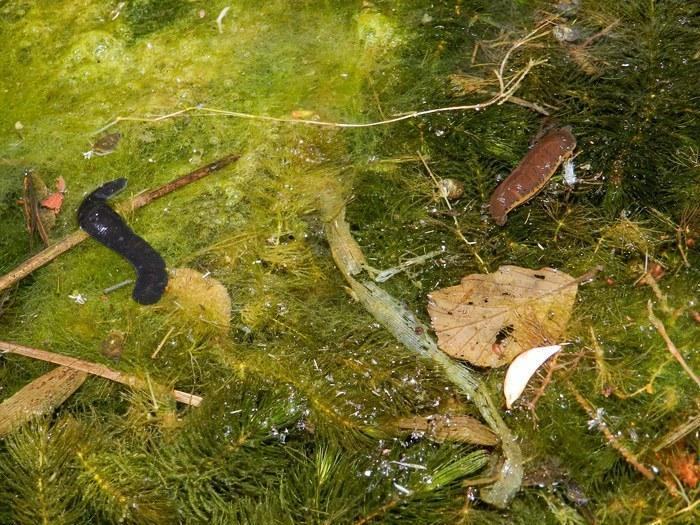
And these are leeches.
On the left - the horse leech, on the right - the medicinal leech.
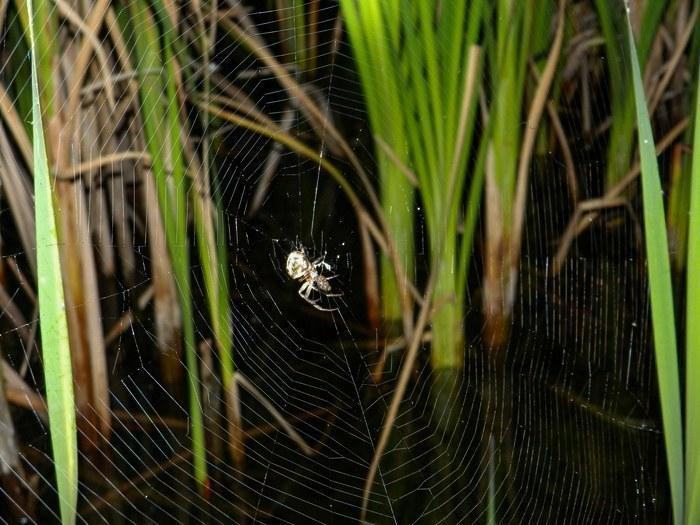
More dolomedes... ...and an orb-weaver on its web.
My catch.
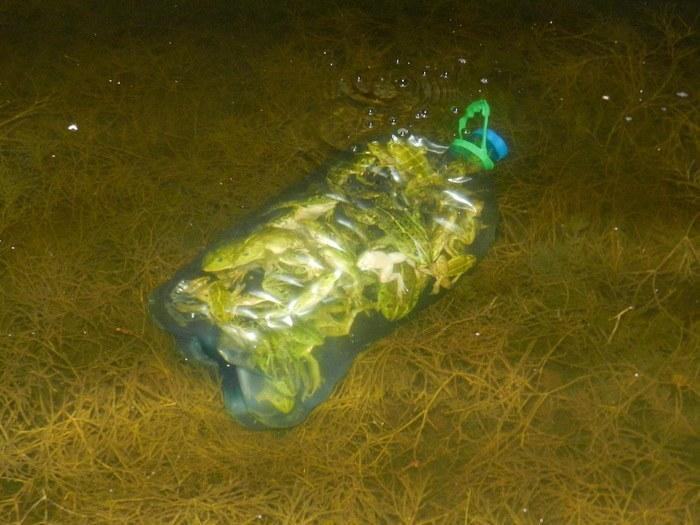
I lowered a perforated bottle into the water to rinse the frogs.
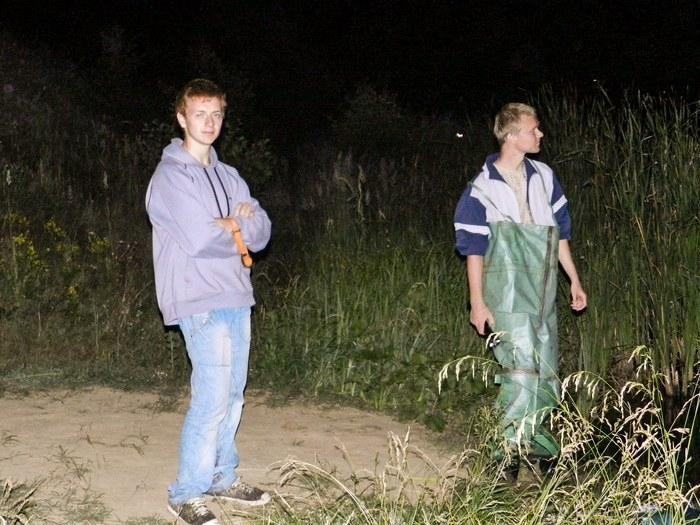
We took one of the second-year students doing the practice with us on the trip.
Let him see the night work!
Eyes!
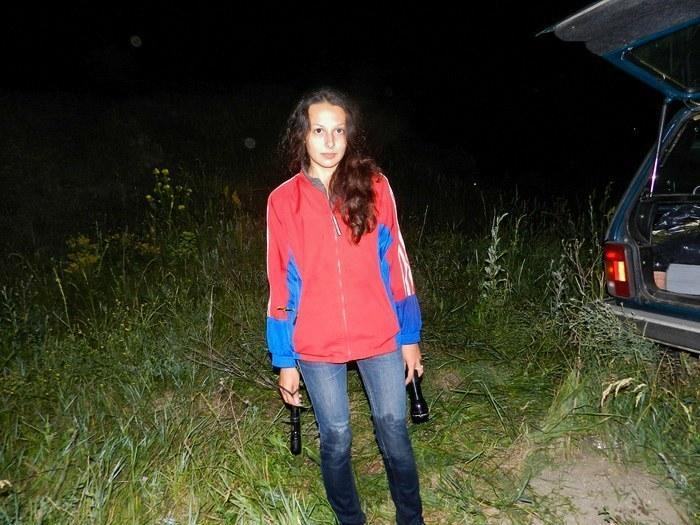
And wet trousers.
And a flashlight in each hand.
After Zhovtneve we went to Sukha Homilsha.
Alas, we arrived at dawn already (after all, we had hit the shortest nights).
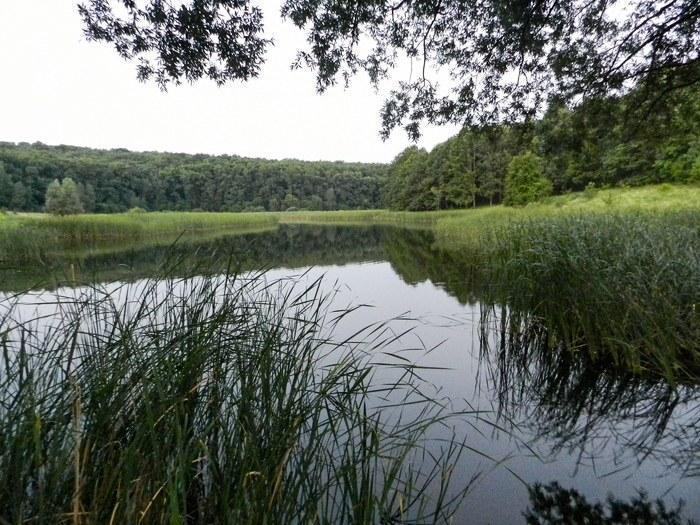
The population system of this pond is also very interesting.
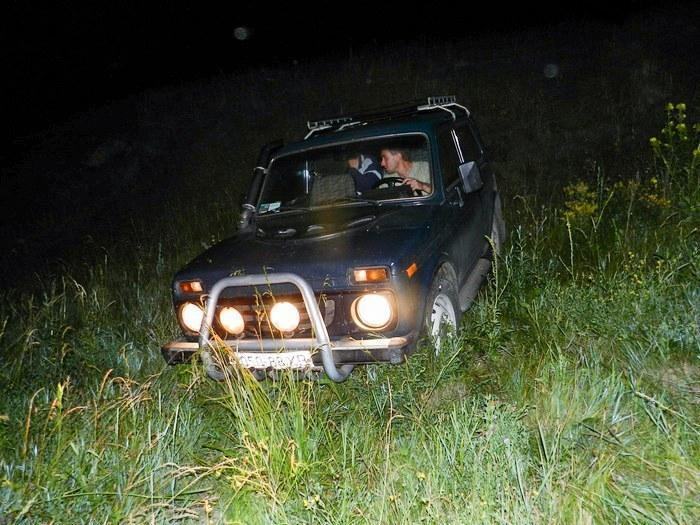
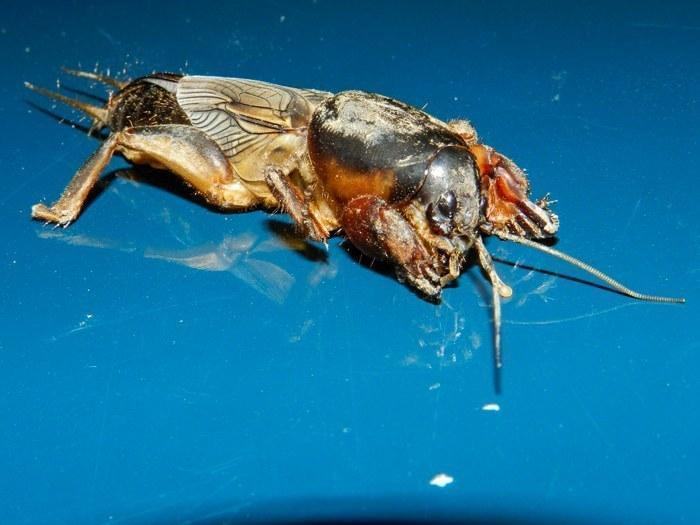
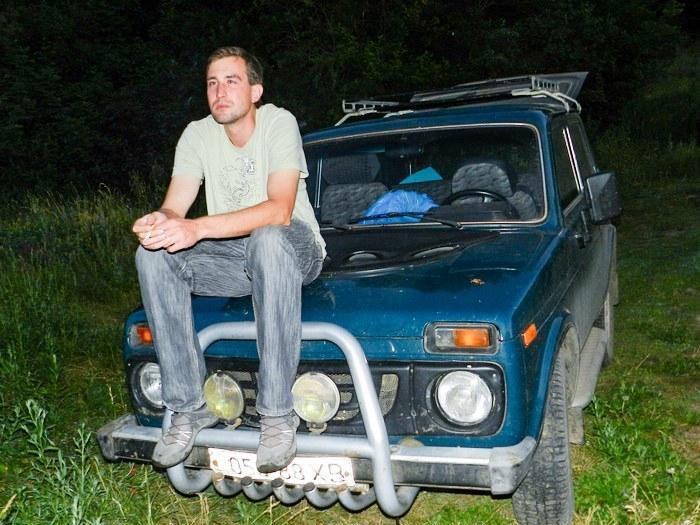
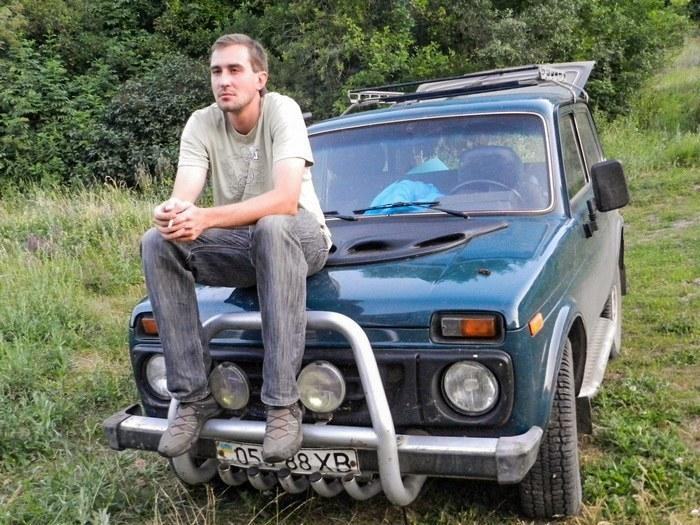
A mole cricket on the hood of a Niva... ...and the owner of the car next to it.
It turns out interesting in the twilight.
Photograph with flash - it feels like night,... ...without it - like day. The difference between the frames is a few seconds.
The Homilsha valley.
The bridge over the Homilsha.
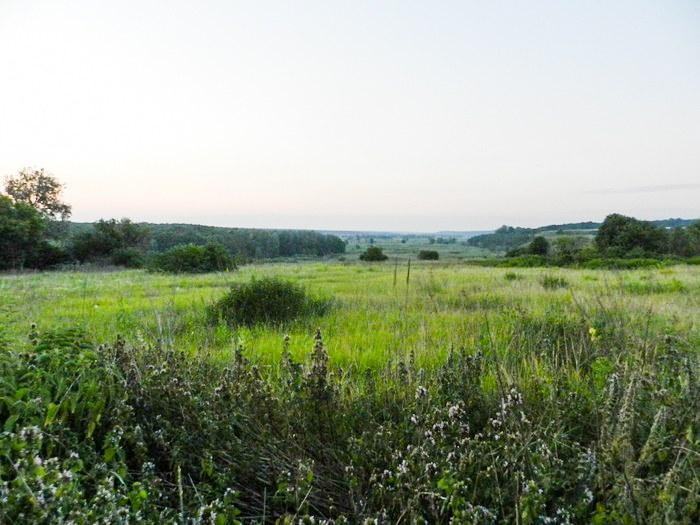
This is one of the most beautiful places in the national park.