April 7, 2013. Group Field Trip to the Spawning Grounds of Common Toads... Cold!
Two days ago it was warm. We may never have seen such an intense spawning aggregation of common toads as the day before yesterday. We organized a large trip with students and young naturalists, but ran into a cold snap. Spawning paused...
Two days ago, it was warm. We probably haven't seen such a powerful spawning cauldron of common toads as the day before yesterday. We set out on a powerful trip with students and young naturalists and encountered a cold snap. Spawning stopped...
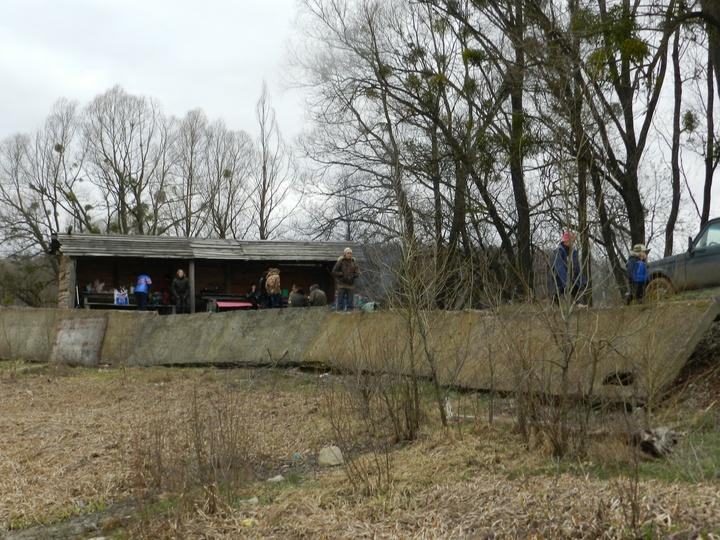
To hide from the wind, we settled at the far end of the pond, near tables with a canopy. It was overcast and cold all day; however, by midday, enduring the cold became somewhat easier...
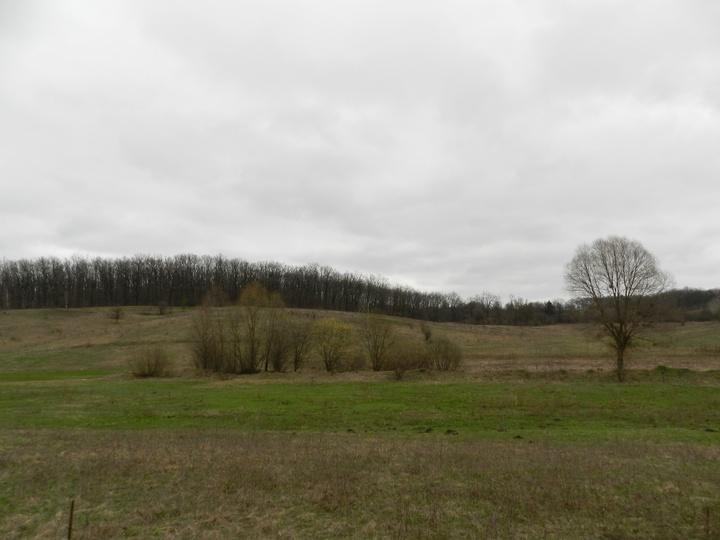
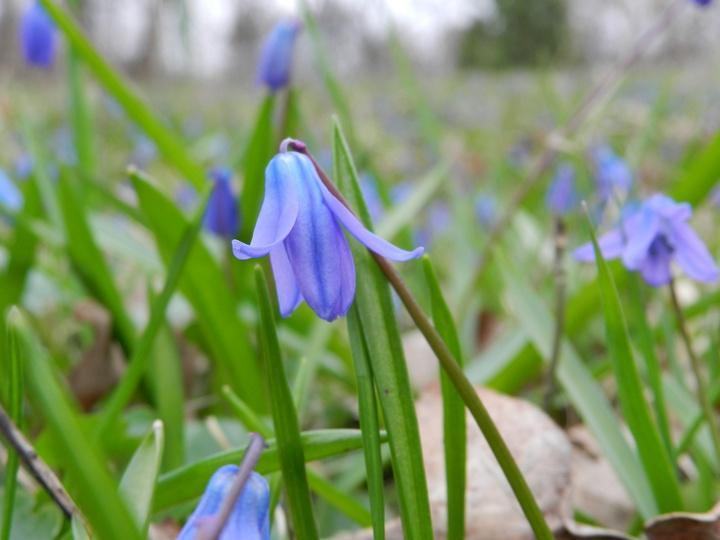
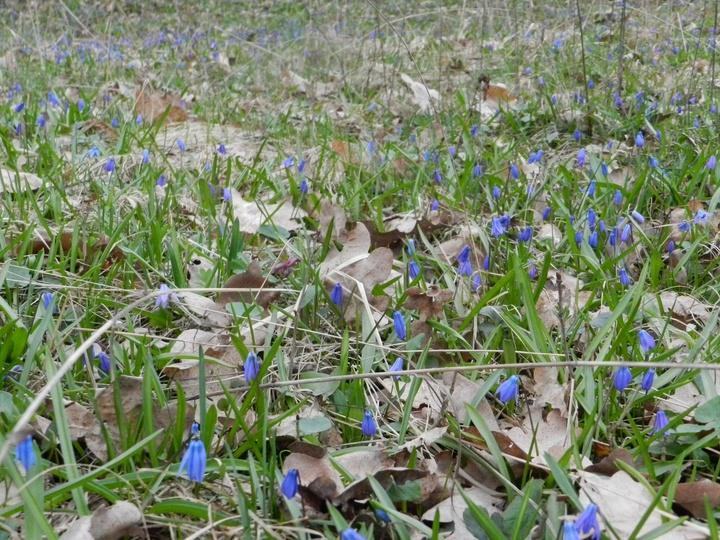
The flowers of coltsfoot had closed, and other spring flowers were blooming. Scillas formed veritable blue puddles on the ground...
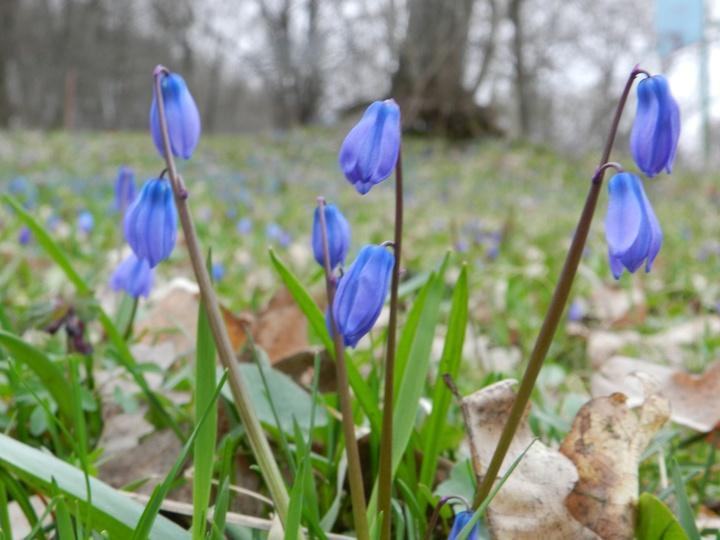
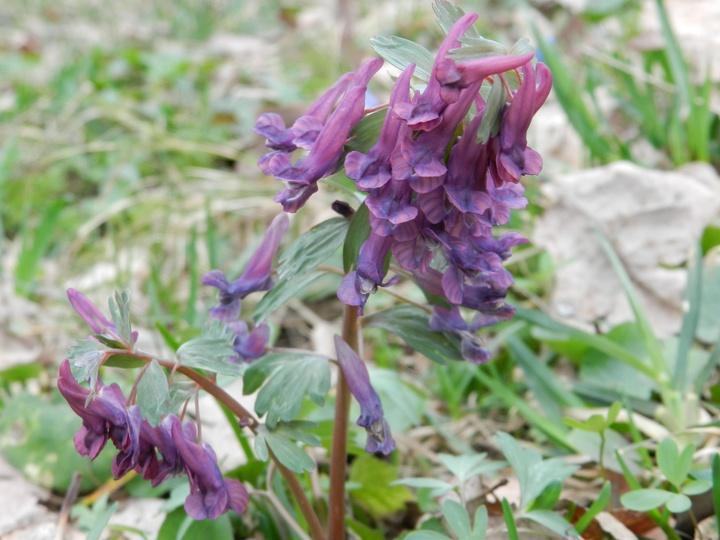
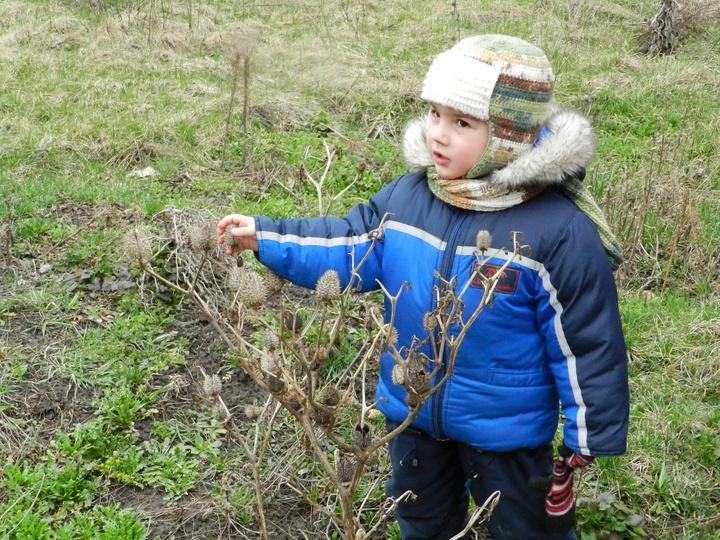
And this is a fumewort... And this is a burr.
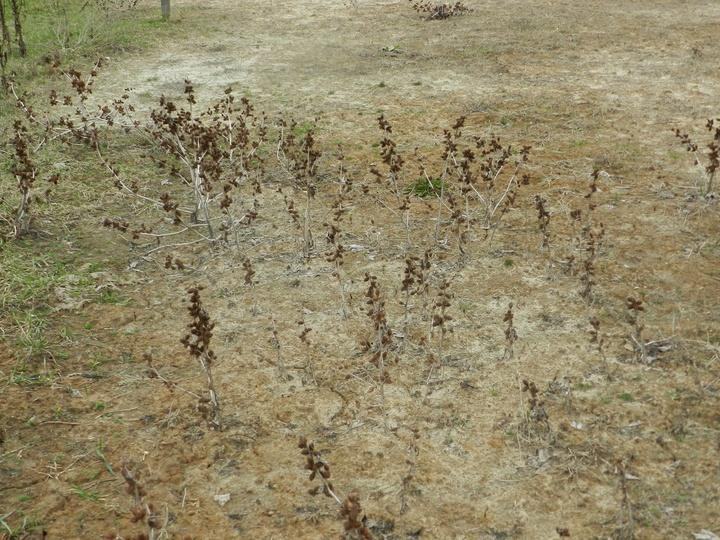
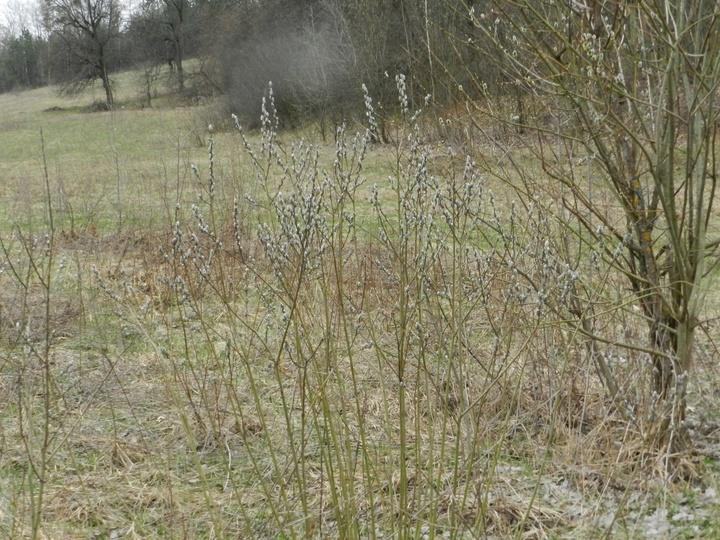
Last year's...
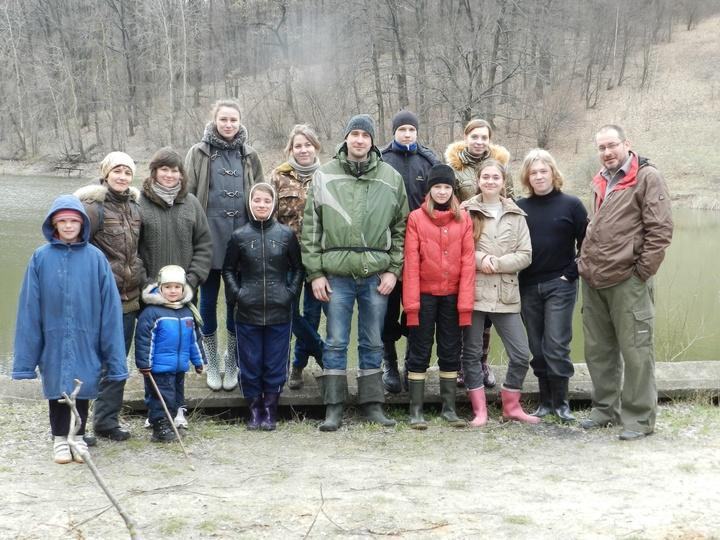
The company was large.
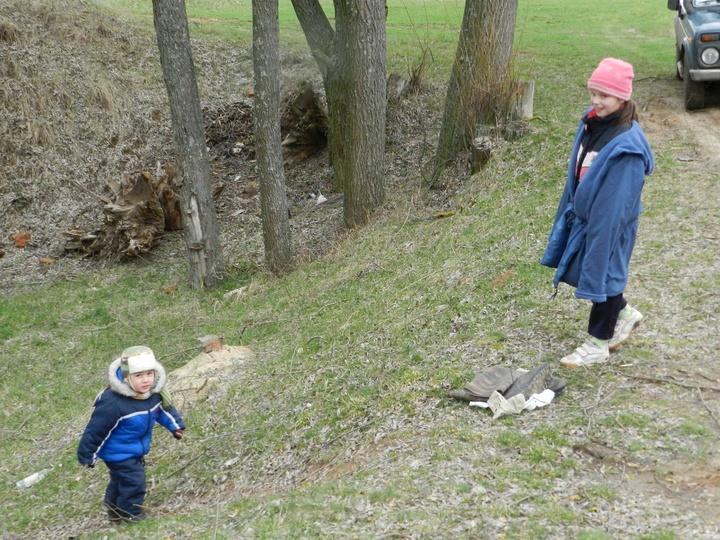
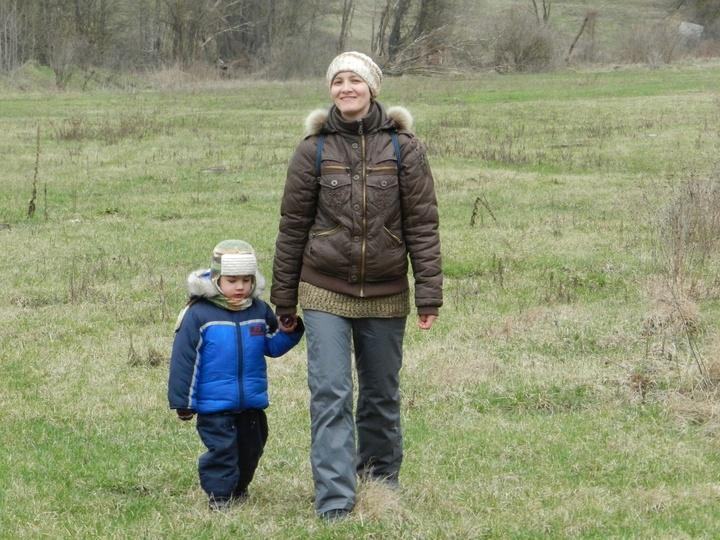
It included three second-year students, two third-year students, two fourth-year students, two young naturalists from the zoo, and even two children!
In the spawning areas, groups of plants are tied with strings of frog spawn (look closely – they are visible as dark shadows).
There are few frogs in the spawning areas.
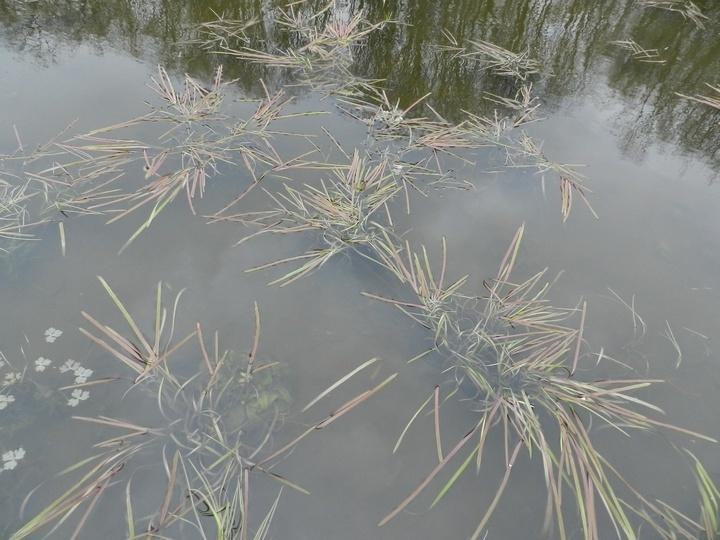
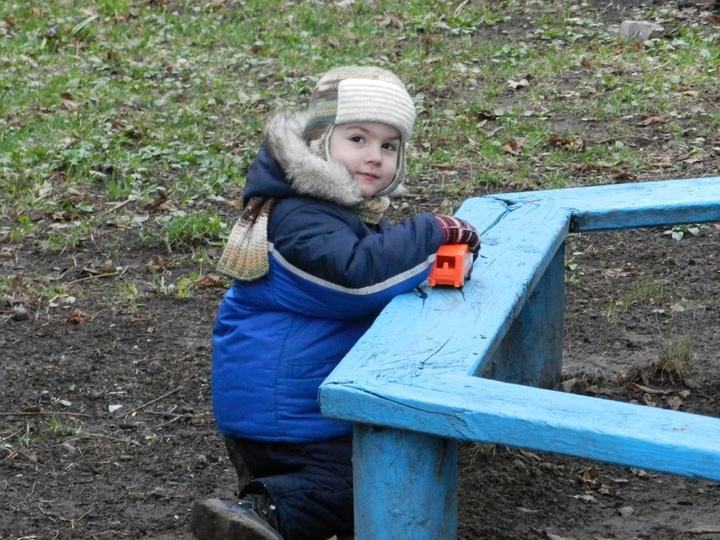
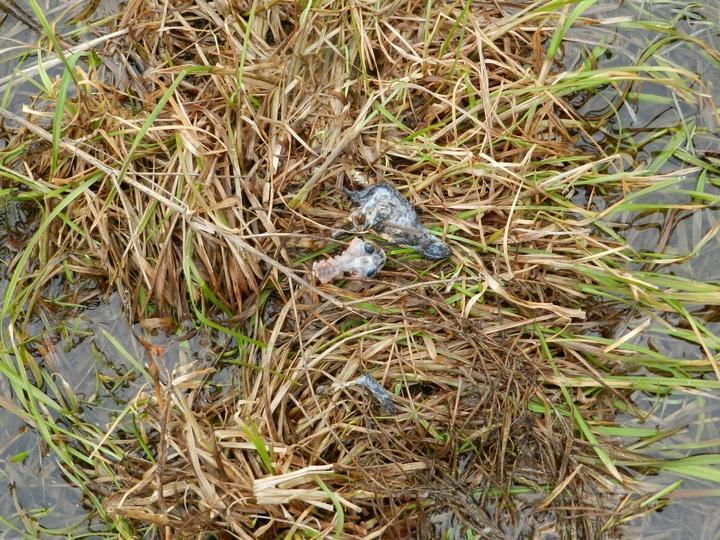
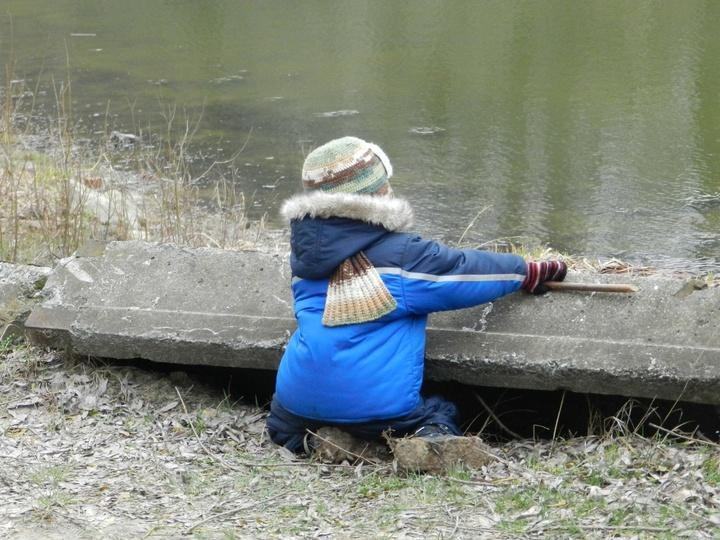
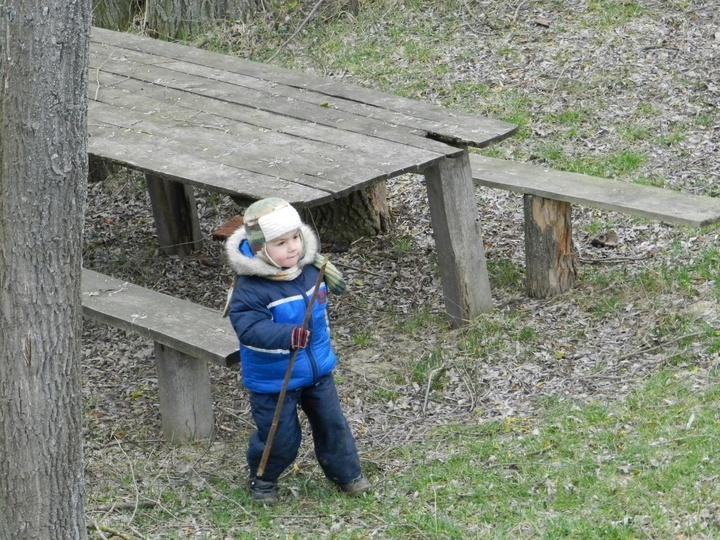
However, we found a few spawning groups. Near the left bank of the pond, where the bank is relatively steep, the frogs sit at depth and occasionally swim to the shore. Common frogs and spadefoot toads are not heard, their clutches are not visible. Remains of a spawned toad. The youngest participant of the trip did not lose his good spirits.
The main thing he did was play with sticks.
Despite the unfavorable weather, we tagged quite a few frogs. Towards the end, we decided to walk further down the gully, where they once tried to make a new pond.
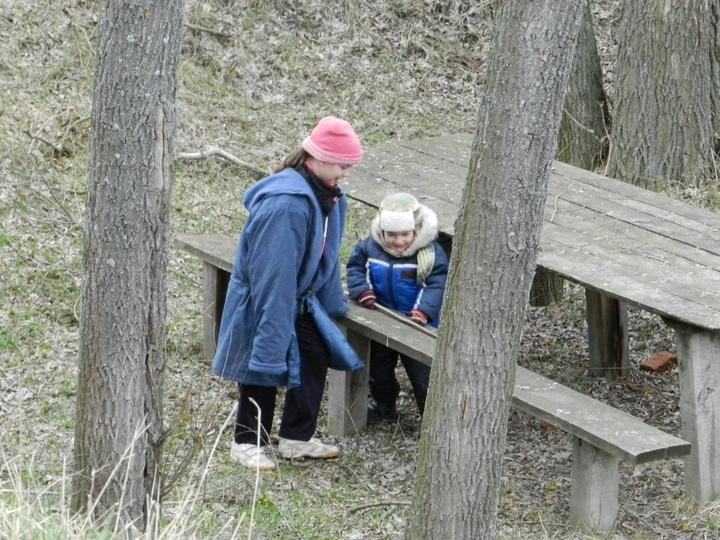
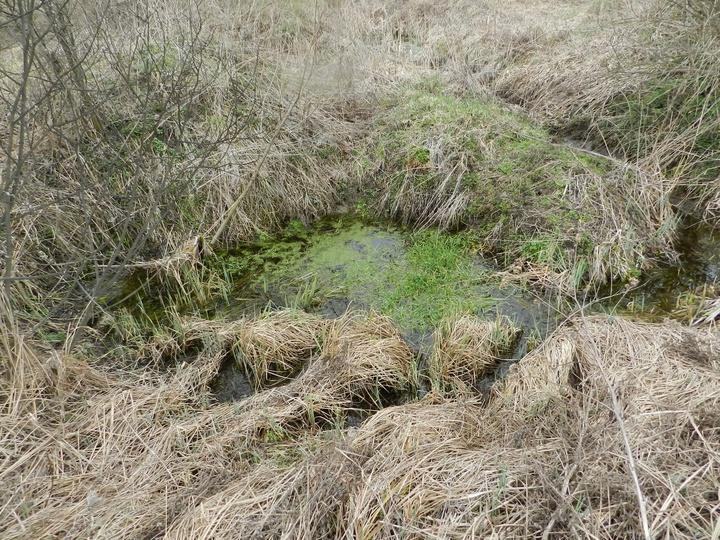
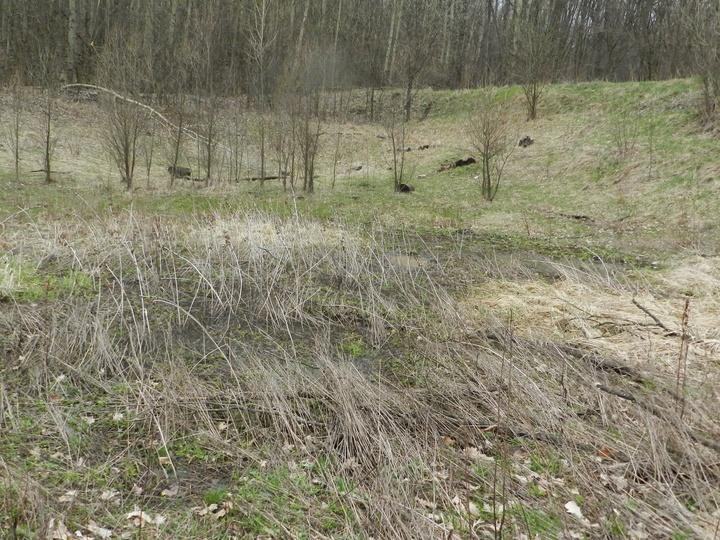
These are silted springs that were once dug out to supply the failed pond.
Water used to be here...
Last year's datura.
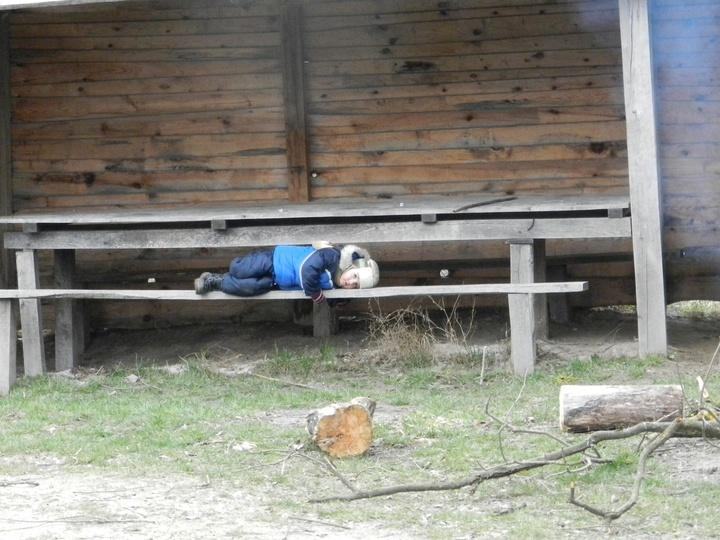
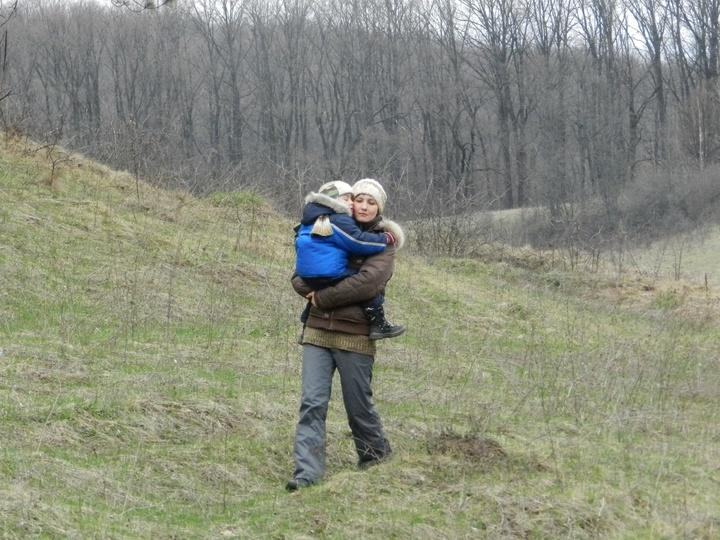
At the end of the trip.
Tired.
I lay down on the bench.
But I didn't fuss, good boy!
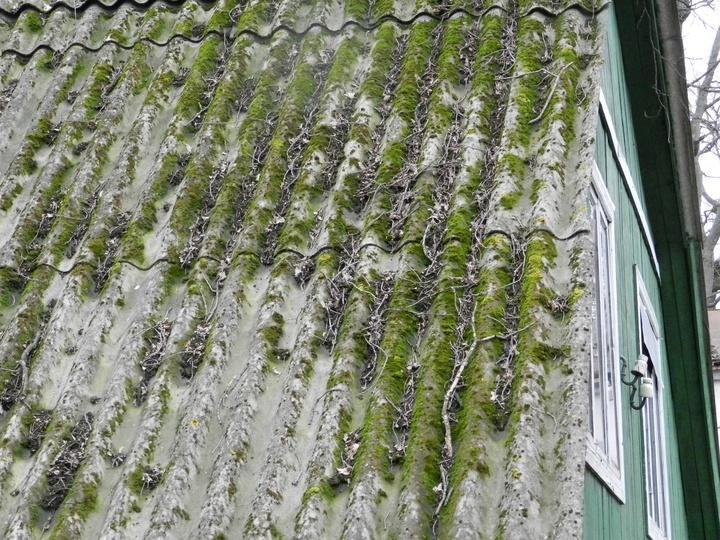
After leaving the pond, we briefly stopped at the biological station.
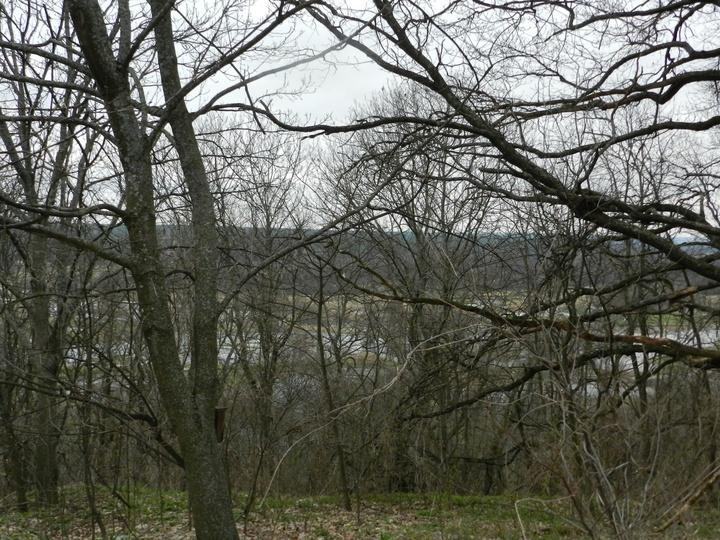
Through the branches of the trees, the flooded Donets is visible.