Ecology: Biology of Interactions. II-05. Energy Sources for Biogeochemical Cycles
Movement of elements in the biosphere is maintained by three main energy sources (“drive belts” of biogeochemical cycles): solar energy transformed by hydrosphere and atmosphere in the hydrological cycle; solar energy stored in organic matter by photosynthesis; and chthonic (internal Earth) energy driving plate tectonics and volcanism.
II-5. Energy sources for BGC cycles
“We find no vestige of a beginning, no prospect of an end.”
James Hutton
Movement of elements in the biosphere is maintained by three principal energy sources (“drive belts” of biogeochemical cycles, Fig. II-5.1):
— solar energy transformed by hydrosphere and atmosphere in the hydrological cycle (Fig. II-5.2);
— solar energy accumulated in organic matter during photosynthesis (Fig. II-5.3);
— chthonic energy (internal Earth energy), by which plate motions and volcanism drive rock transformation cycles and bring deep material upward where it becomes available to water, wind, and biotic erosion (Fig. II-5.4).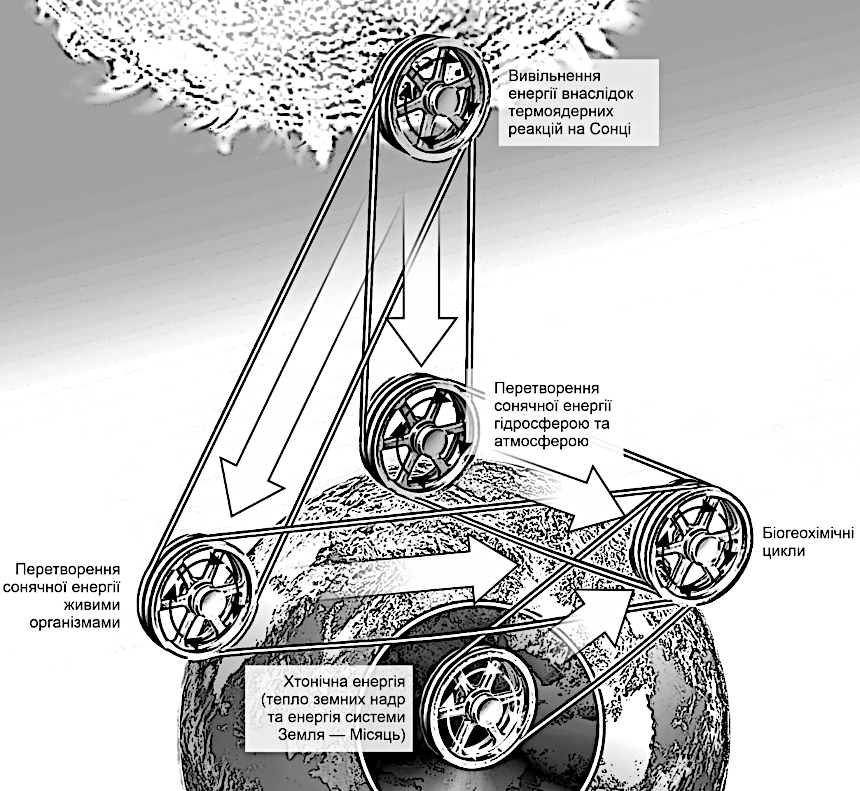
Fig. II-5.1. Three “drive belts” of biogeochemical cycles
Hydrological cycle: solar heating drives evaporation and atmospheric circulation; moisture formed over oceans is transported over continents, precipitates, and returns to oceans via rivers and groundwater, enabling weathering and large-scale matter transport.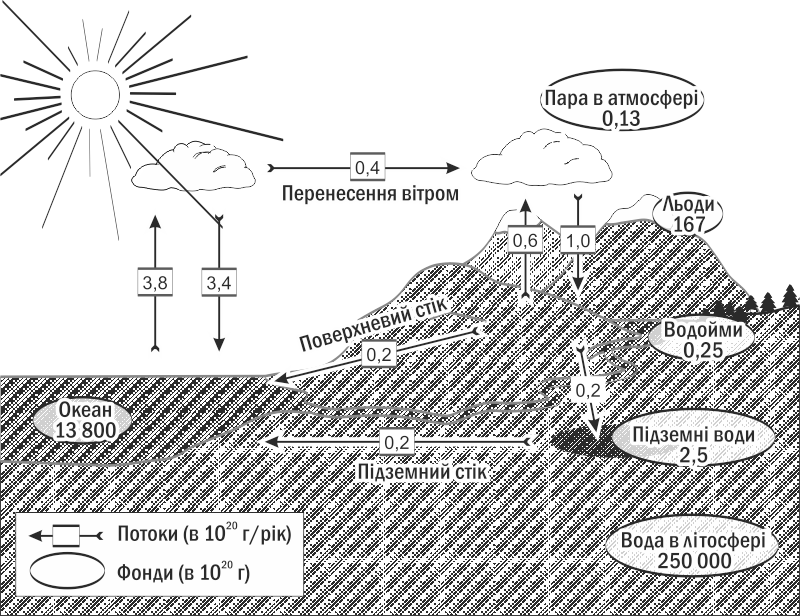
Fig. II-5.2. Global hydrological cycle (water cycle).
Biogenic cycle: photosynthesis stores available energy in primary production (plant biomass), with chemosynthesis contributing in some ecosystems. This stored energy powers heterotrophic metabolism and organism-mediated transport, acting as another drive belt.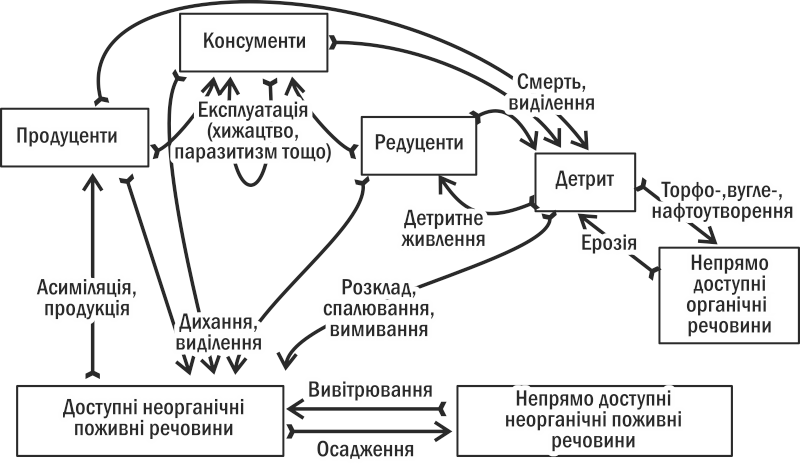
Fig. II-5.3. Main biological processes driving BGC cycles
Chthonic energy powers lithospheric activity and the rock cycle. Modern plate tectonics explains crust formation at mid-ocean ridges, spreading, subduction, metamorphism, volcanism, uplift, and subsequent weathering, which returns elements to biosphere-accessible pools.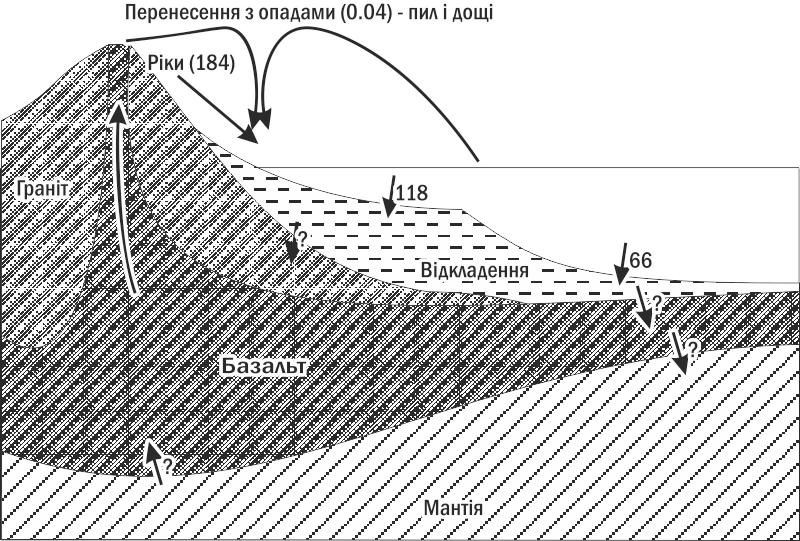
Fig. II-5.4. Rock transformation cycle and associated fluxes.
Thus, the rock cycle moves biogens from living matter into marine sediments, then back above sea level through tectonics and volcanism, followed by weathering and re-entry into living matter.