

SexOnR–01_Keywords. Key Concepts of the Course: Explanations and References (Introduction)
Throughout this course we plan to explore curious phenomena through simulation modelling. First of all, it is necessary to clarify what and how we will be studying.
Kyy notes for the course
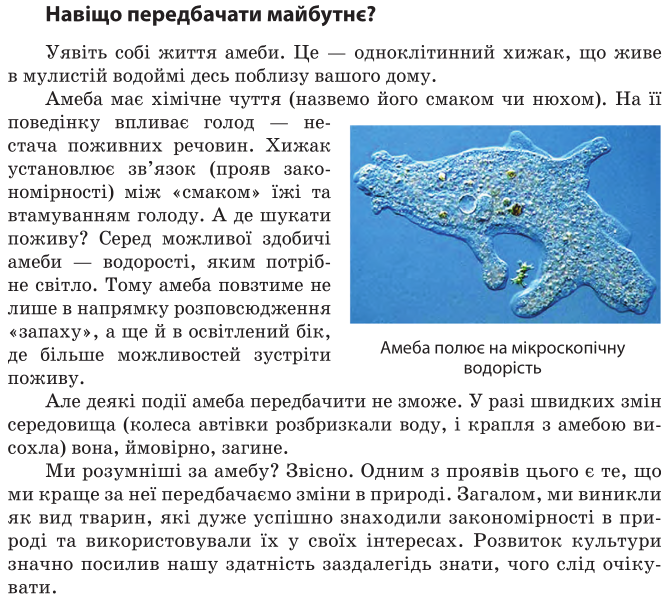
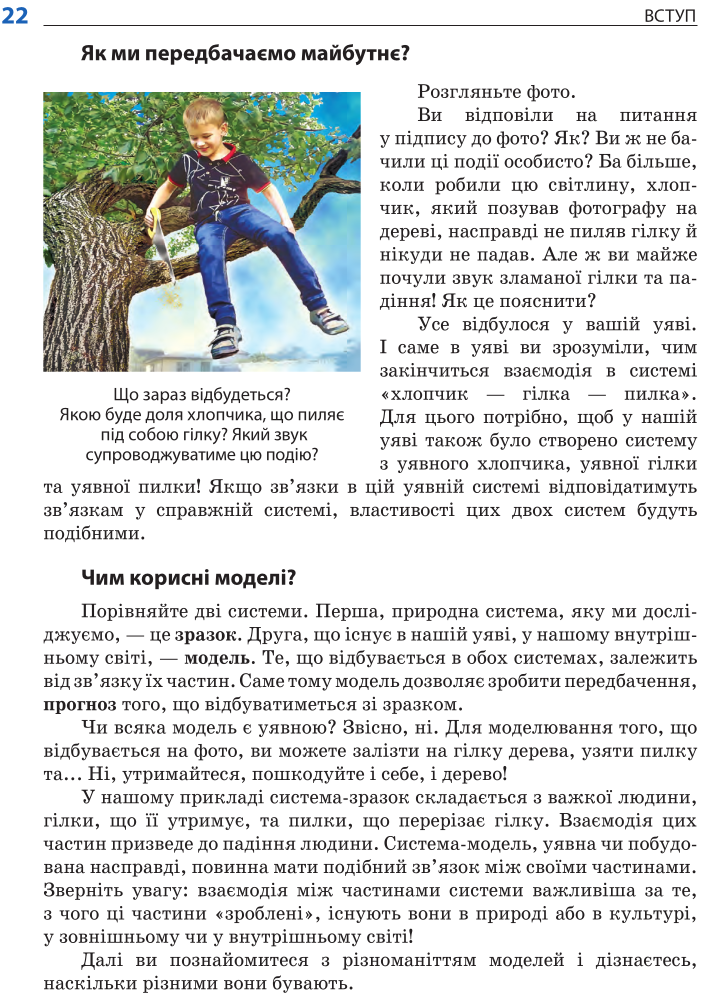
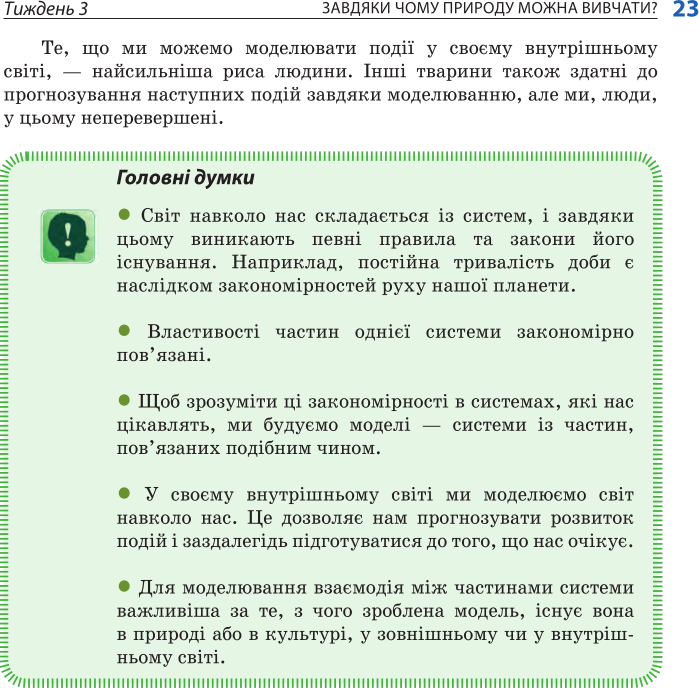
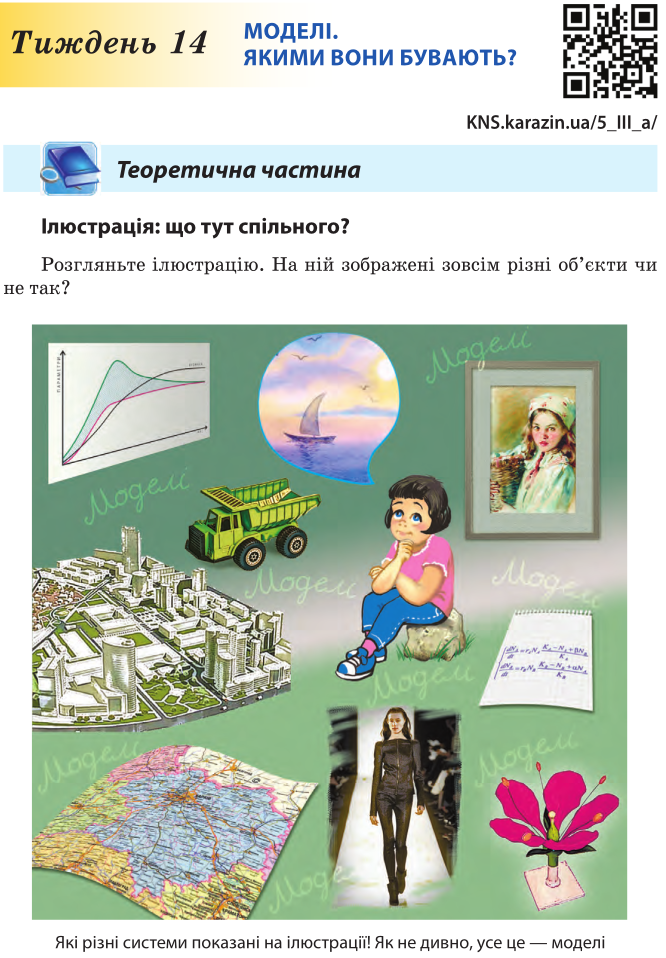
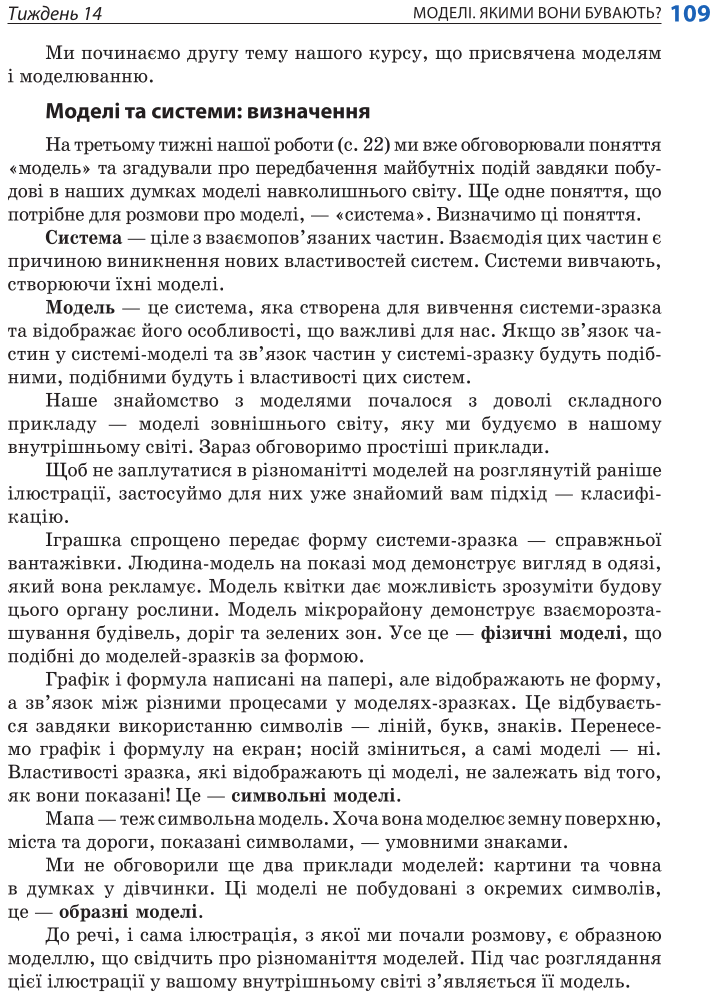
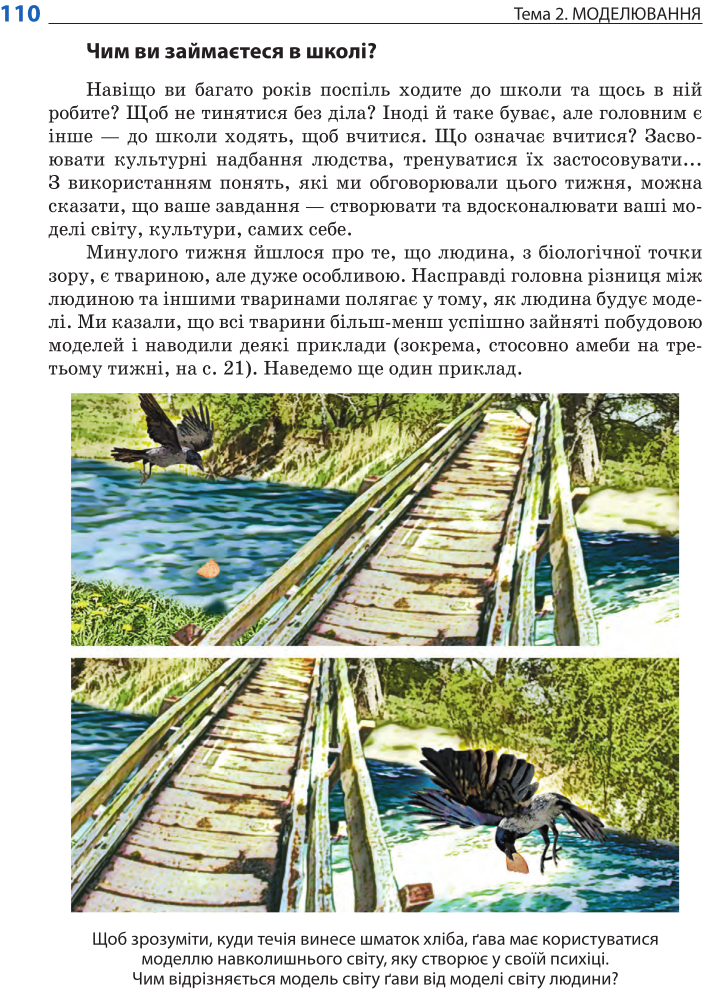
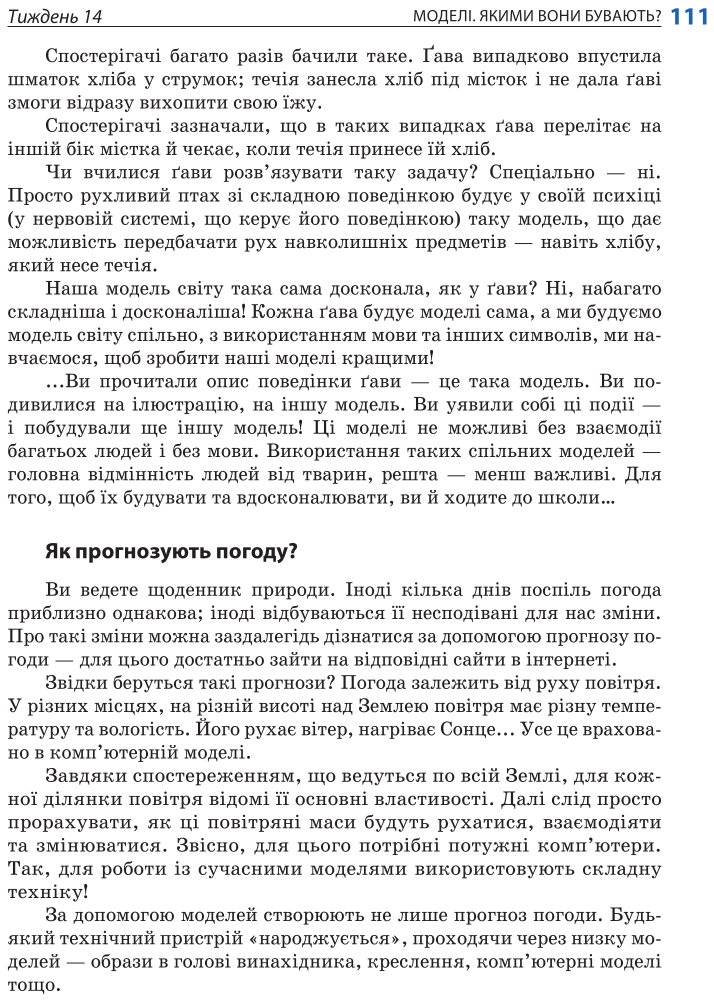
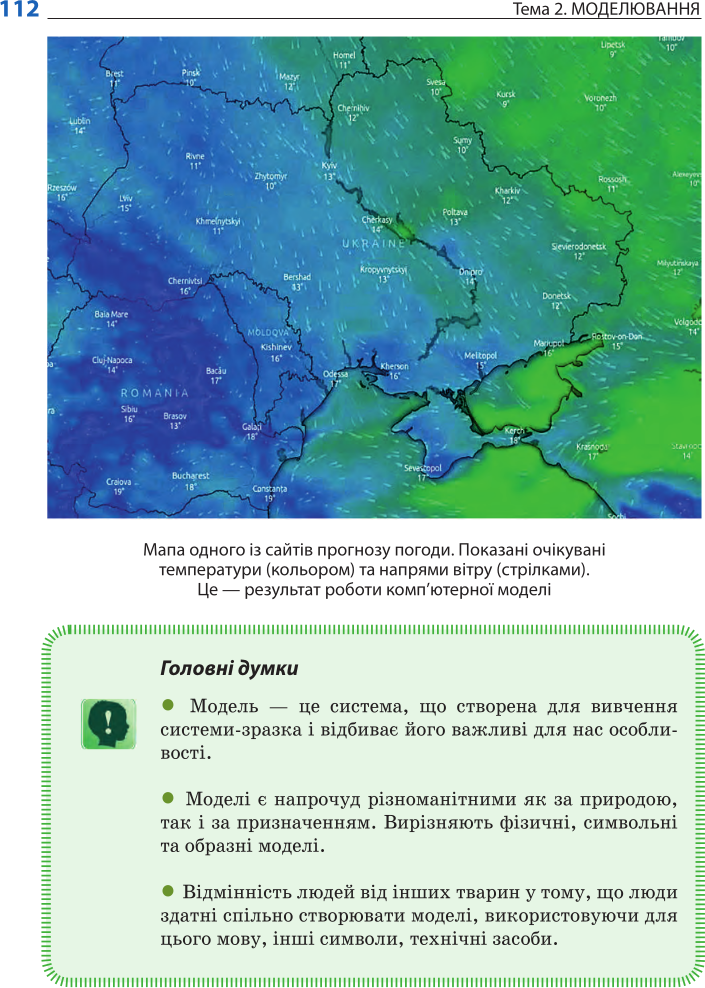
Here, in the lecture notes, we will use the short name of this course, «Sex on R». Since I, Dmytro Andriiovych Shabanov, the instructor of this course, am the author of this website, Batrachos, I will be posting the materials developed for the course here. We need to establish what we are talking about: — sex; — sex/gender; — evolution (and selection); — strategies; — modelling (related to the concept of a system); — simulation modelling; — R. Let us provide definitions. Sex (in the sense used in this course) is the formation of new genotypes (hereditary programmes governing organismal development) that combine in new random combinations the genetic information of the parental individuals. Surprisingly, sex is possible even in the absence of distinct sexes. Sex (as a biological category) is one or another reproductive strategy of gonochoric organisms, the consequence of the division of organisms into females (specialised in producing relatively large and few sex cells, ova) and males (specialised in producing relatively small and numerous sex cells, spermatozoa). Evolution is the process of historical change in species and in the entire biosphere. The principal driver of evolution is natural selection — the preferential (more probable) survival and reproduction of organisms that are better suited to their mode of life under their characteristic conditions. Strategy is a hierarchy of priorities. A biological strategy is a hierarchy (order) of priorities (tasks solved by an organism) that is expressed in a complex of adaptations (correspondences between the organism’s traits and its mode of life under its characteristic conditions). An example of a biological strategy is sex itself! Modelling is the process of studying (predicting, etc.) an original system, in the course of which it is replaced by a more convenient (accessible, simple, comprehensible, safe, or faster-responding) model system. The result of modelling, to a greater or lesser degree, is the extension to the original system of the conclusions obtained from studying the model. Among other things, modelling is one of the most important functions of the nervous system of highly developed animals, including humans. A model is a representation of a system; it is a system whose essential properties (from the perspective of the problem under study) correspond to those of the original system. A system is an organised (ordered) whole; a set of interrelated subsystems with a characteristic connection structure and a common goal (objective function, optimisation function). In the typical case, the very objective function of a system is the cause of its orderliness. For many biological systems the objective function is the maintenance of stability — the ability to preserve and reproduce essential traits over time despite external influences. Simulation modelling is a type of mathematical modelling whose principal form is the step-by-step representation of the changes characteristic of the original system. A simulation model is a model that transitions from one state to another according to a defined set of rules corresponding to the sequence of transformations of the original system. R is a free programming language (and environment) that has been developed since 1992, when work on it was begun by Ross Ihaka and Robert Gentleman, staff members of the Department of Statistics at the University of Auckland (in New Zealand). Since then, R has evolved into a powerful tool for solving academic and other problems, supported by a vast number of specialists working worldwide. For what purpose will we use simulation modelling in our course? In fact, modelling can be used to solve a great variety of tasks. We will primarily need it for the following. We will examine how and why the interesting features of sexual reproduction and sexual strategies arose. We will test existing hypotheses and our own conjectures. How can we be sure that the mechanisms and causal chains we postulate are capable of producing what interests us? We build a simulation model! We incorporate into its construction precisely those (and only those) causes whose combined effect we are testing. The model will be able to calculate all the consequences of the postulated premises far more rapidly than our brain can; sometimes these consequences even appear counterintuitive to us. If the model demonstrates that the postulated premises can give rise to the traits of the original system that interest us, we obtain an argument in favour of our conjecture and can analyse under what conditions this may occur. Below are links to supplementary materials on this website that will be useful for a correct understanding of the listed key concepts. The concepts of sex and gender will be examined in detail in this course. Evolution and Selection These are key concepts in biology. They are discussed (with some overlap) in lectures recorded for two other interfaculty elective courses. "One and a Half Human Natures": online materials for the course "Evolutionary-Biological Foundations of Human Behaviour". Lecture I. Evolution. Selection. Online materials for the interfaculty elective course «The Past, Present, and Possible Future of Humanity and the Biosphere: Exhaustion or Flourishing?». Lecture #2 (double). The Architect of the Universe: Natural Selection. Strategies The concept of strategies is examined in greater detail in this article: Shabanov D.A., Korshunov A.V., Kravchenko M.A., Meleshko E.V., Shabanova A.V., Usova E.E. Intrapopulation ontogenetic strategies of early maturation and slow growth: definition using tailless amphibians as an example // Bulletin of V.N. Karazin Kharkiv National University, series “Biology”. — 2014. — Issue 22, No. 1126. — pp. 115–124. The key points of this article are included in the presentation for the following lecture (unfortunately, the lecture itself has not yet been recorded): "One and a Half Human Natures": online materials for the course "Evolutionary-Biological Foundations of Human Behaviour". Lecture X–XI. Strategies. Some materials from that presentation will also be used in this course. Modelling First of all (no offence — I understand that I am dealing with adults!) I will offer two excerpts from the textbook "I Explore Nature" for Grade 5 of the New Ukrainian School, which Maryna Oleksandrivna Kravchenko and I prepared in 2022, just before the escalation of the Russo-Ukrainian war. There is a very, very simple explanation there of why modelling is a fundamental operation of our brain. These pages are placed below, after this introduction. Do you understand why materials from a fifth-grade textbook have found their way into university lecture materials? A more “adult” treatment of this problem is contained in the following lecture: "One and a Half Human Natures": online materials for the course "Evolutionary-Biological Foundations of Human Behaviour". Lecture IV. The Animal Psyche as a Means of Modelling Reality. Simulation Modelling Among other things, the author of this course teaches a simulation modelling course for biology master’s students enrolled in the Department of Zoology and Animal Ecology. The course itself is here: «Creation of Worlds»: Simulation Modelling of Superorganismal Systems in Spreadsheets and R”. Through the introduction to the master’s course (on the course’s title page, to which the link just given leads) you will be able to understand why its symbol is a picture from an ancient Egyptian papyrus depicting the creation of the world. From that course the first, introductory lecture will be useful for us: “Introduction to Simulation Modelling”. Everything in it (except for a small section relating specifically to that course; it is highlighted in a different colour) will help in understanding this course as well. The R Language Many materials in this course will be devoted to the R language, but some other materials will also be useful. These are, first of all, materials from the course «Statistical Oracle» (at the link given you can understand what the Delphic oracle has to do with it). An overview of the R language and references to books and websites on R (unfortunately, primarily in Russian, although there are also excellent sources in Ukrainian and English) is available here: StatOracle–03 The Tool: the R Language (Environment). Problems to Be Examined An introduction to the topics that will be addressed in this course may be found in the “sex columns” written in 2013–2014. At that time the author was working as an online columnist for the legendary Moscow journal “Komputerra”. At the end of 2013 I expressed support for the Maidan in my columns, and the price for this was the rupture of my relationship with the Russian journal.
This course is an attempt to continue the development of the themes that were at the centre of attention in those columns.
When those columns were being written, I was modelling the evolution of sex using Excel.
The improvement of modelling technique and the transition to Calc (a LibreOffice component that, in my view, is far superior to Excel, which is part of Microsoft Office) led to the creation of the course “Creation of Worlds”, the link to which was provided above.
Acquaintance with R led to the creation of this course...
Please note: these columns are written in Russian.
After Muscovy’s attack on our country in 2014, and especially after the devastating assault in 2022, the Russian language can be perceived with great tension.
In the aftermath of World War II, the German language substantially lost its standing in world science; one may expect that Muscovy’s aggression will deal an even more powerful blow to the academic and educational standing of the Russian language.
Nevertheless, familiarity with these columns is not a prerequisite for working through our course; all the key ideas of those columns will be developed in this course in Ukrainian.
«Sex Columns» No. 1. The origin of sex, separate sexes, and hemiclonal inheritance. Statement of the problem No. 2. The riddle of sex. Cui prodest: the gene, the individual, the group? No. 3. The queen of problems in evolutionary biology: Jenkin’s nightmare returns No. 4. Are eight indirect hypotheses describing the advantages of sexual reproduction sufficient to explain the origin of sex? No. 5. Is it true that the queen of evolutionary problems is the Red (a.k.a. Black) Queen? Do not rush to answer — do not forget about hermaphrodites! No. 6. The victory of stability over optimality, or why hermaphrodites lose to males and females No. 7. Discussion of the transition from hermaphroditism to separate sexes as an example of non-classical development of a scientific hypothesis No. 8. On the nature of male and female, or from conjugation to oogamy No. 9. Full stop and ellipsis. The biological section of the final column for Komputerra